Kennedy Space Center, Florida
Launch Complex 39A
The most historic launch pad in spaceflight history. Every crewed Saturn V Moon mission, the first and final Space Shuttle flights, and modern commercial crew launches have all lifted off from Pad A.
20
Missions
28.61°N, 80.60°W
Coordinates
Same pad, two eras
Saturn V vs. Space Shuttle
Drag to compare Apollo 17's Saturn V night launch in 1972 against Space Shuttle Columbia's STS-1 liftoff in 1981, both from this exact pad.
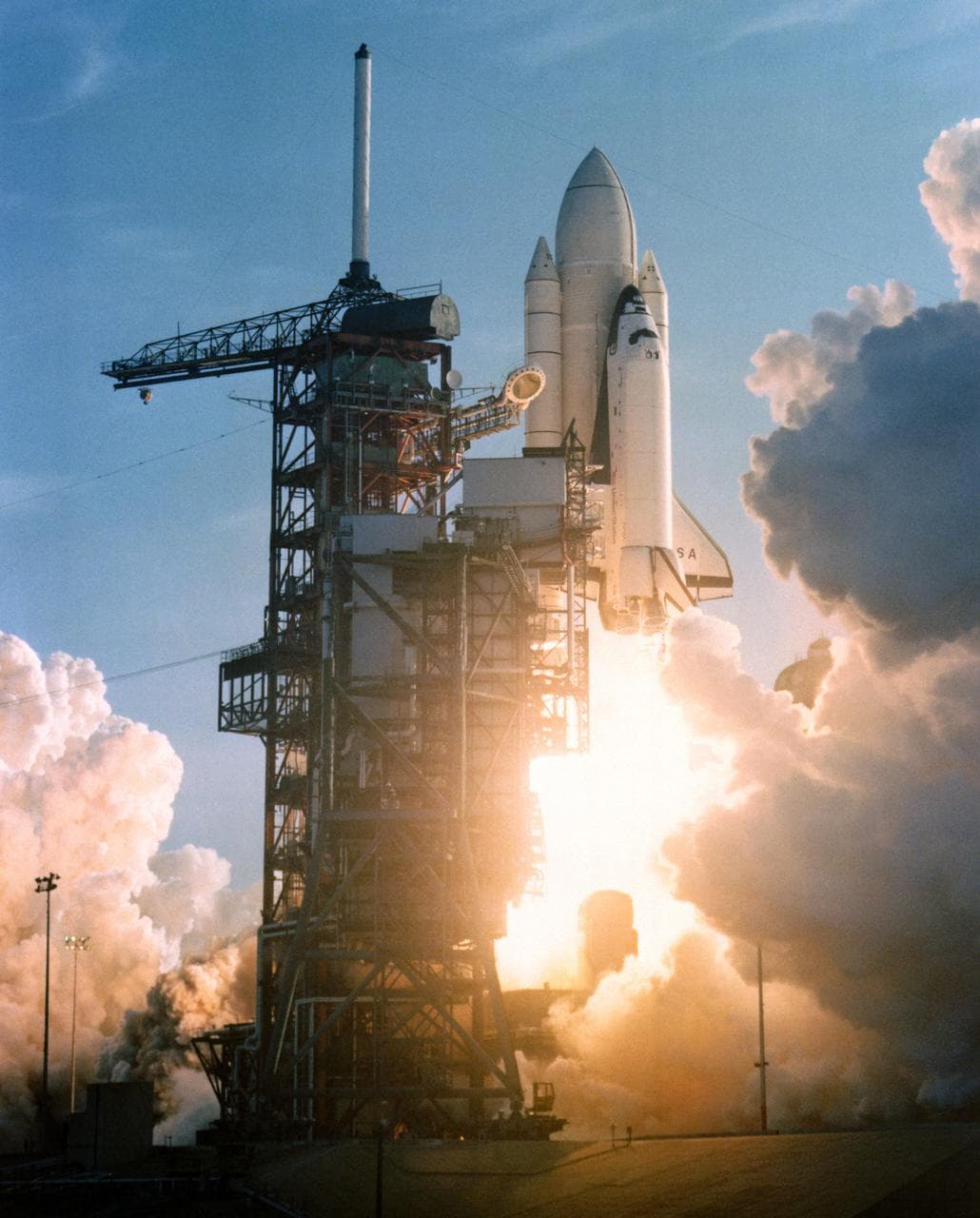 Space Shuttle · 1981
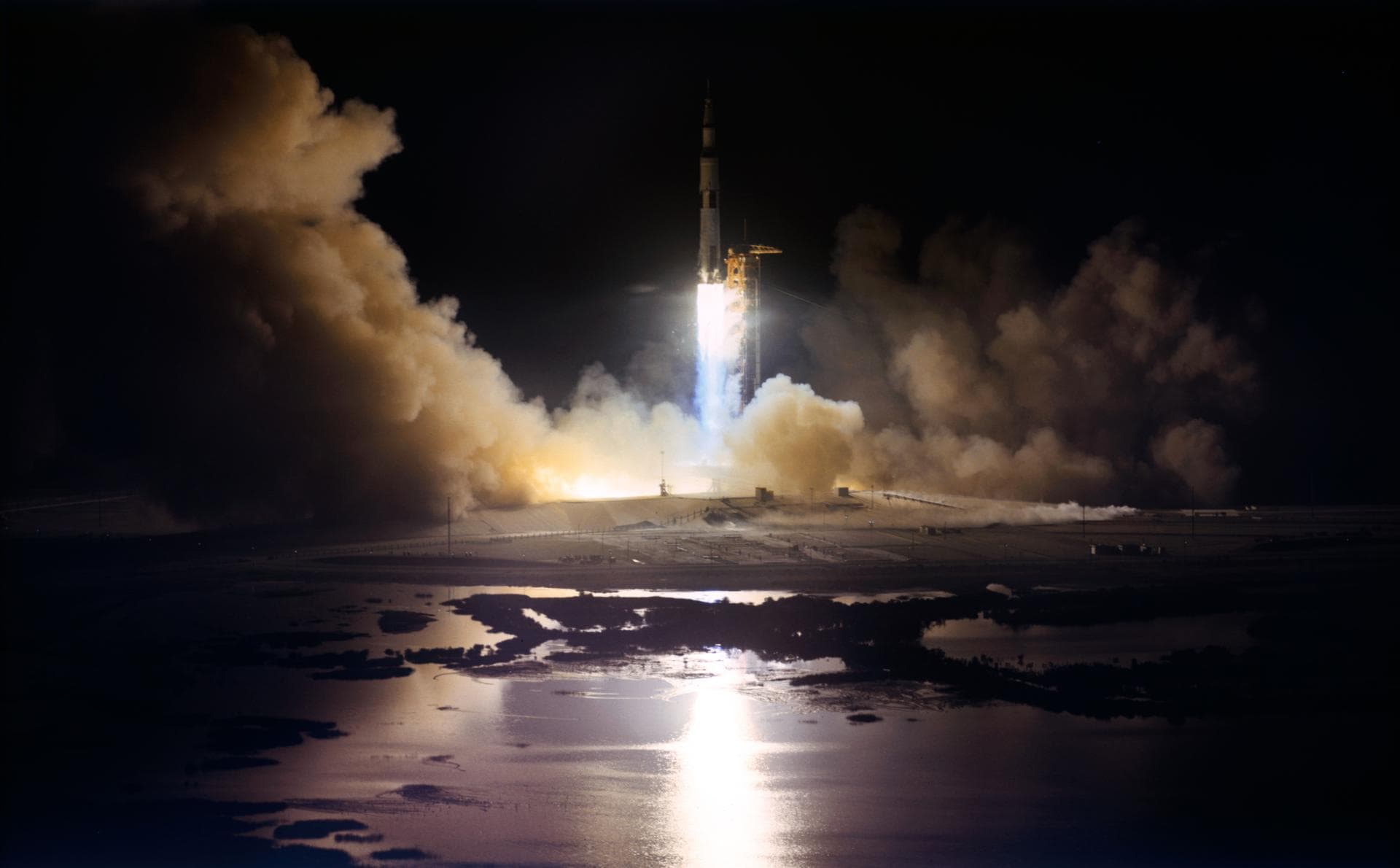 Saturn V · 1972
Connected records
The missions
Every mission in the archive tied to Launch Complex 39A.
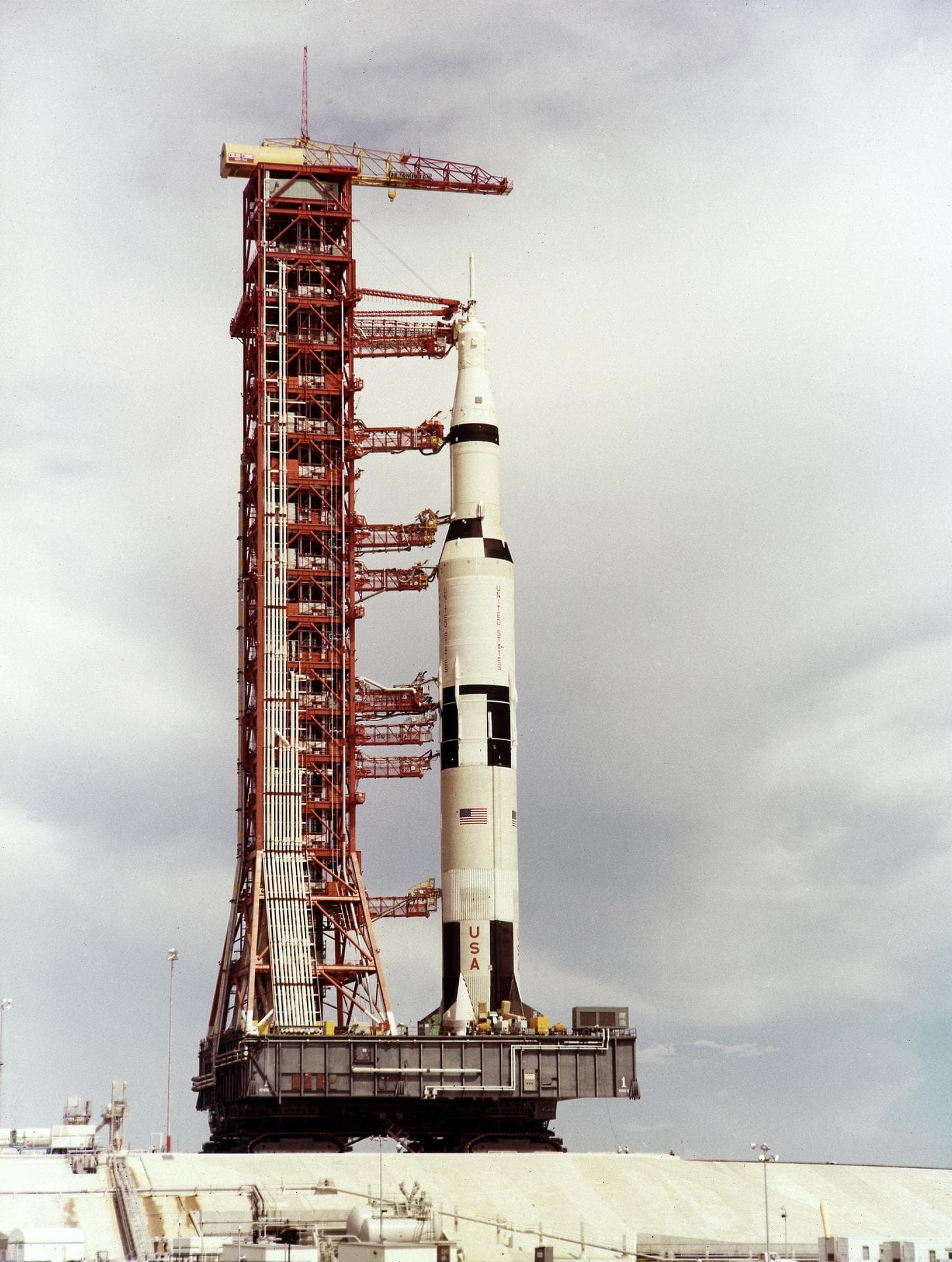
Apollo 4
Launch
November 9, 1967
Status
Successful
Duration
8 hours, 36 minutes, 59 seconds
Apollo 4 was the first flight of the Saturn V, the enormous rocket built to carry astronauts to the Moon. The uncrewed mission tested all three rocket stages together, restarted the third stage in space, fired the Apollo spacecraft's main engine, and sent the Command Module back through Earth's atmosphere at nearly the speed of a spacecraft returning from the Moon.
View Mission →
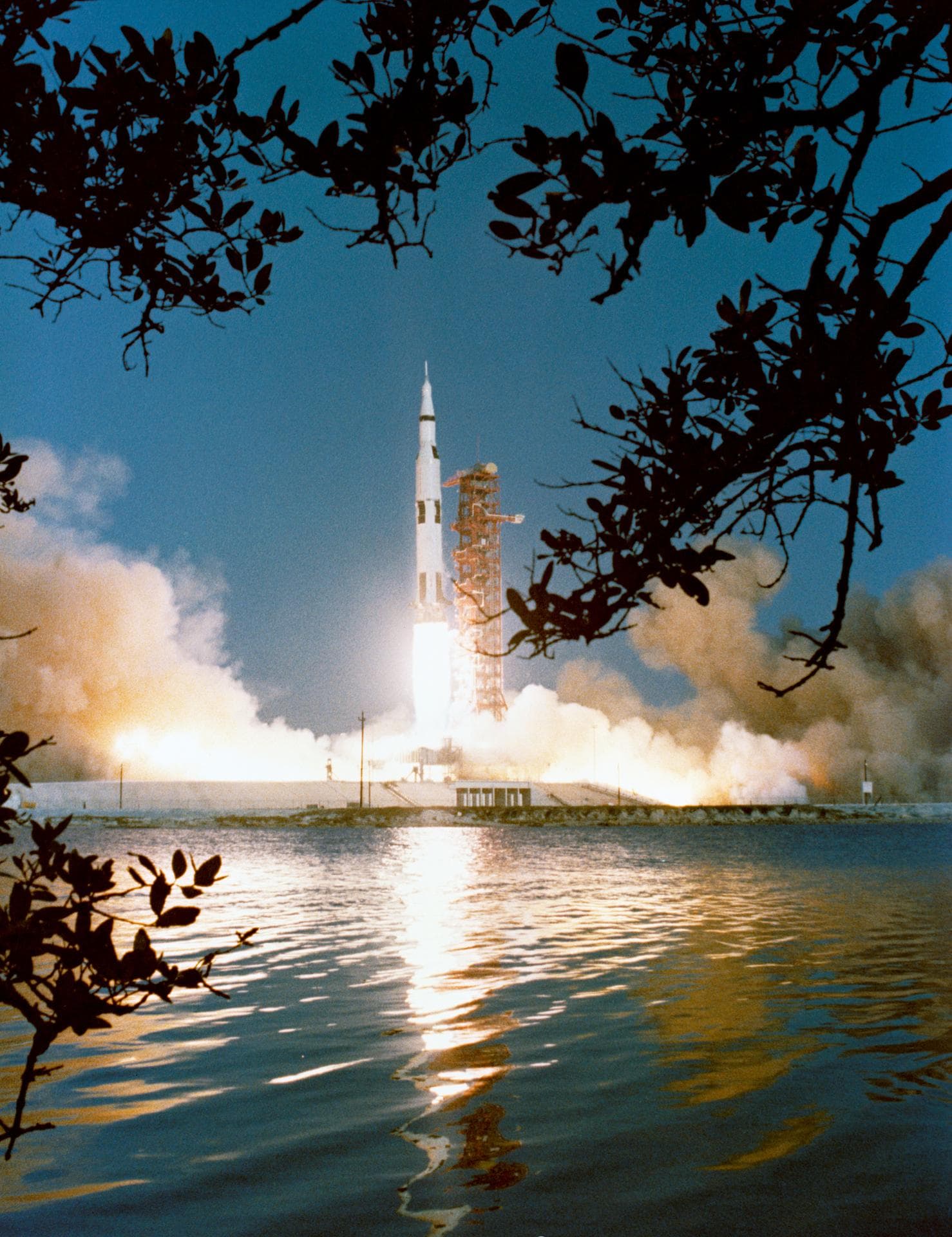
Apollo 6
Launch
April 4, 1968
Status
Partially Successful
Duration
9 hours, 57 minutes
Apollo 6 was the second and final uncrewed test flight of the Saturn V rocket. Although the mission experienced severe engine failures and dangerous pogo oscillations, NASA successfully demonstrated the Apollo spacecraft's ability to return safely from a simulated lunar mission and gathered critical engineering data that paved the way for the first crewed Saturn V flight.
View Mission →
Apollo 8
Launch
December 21, 1968
Status
Successful
Duration
6 days, 3 hours, 42 seconds
Crew
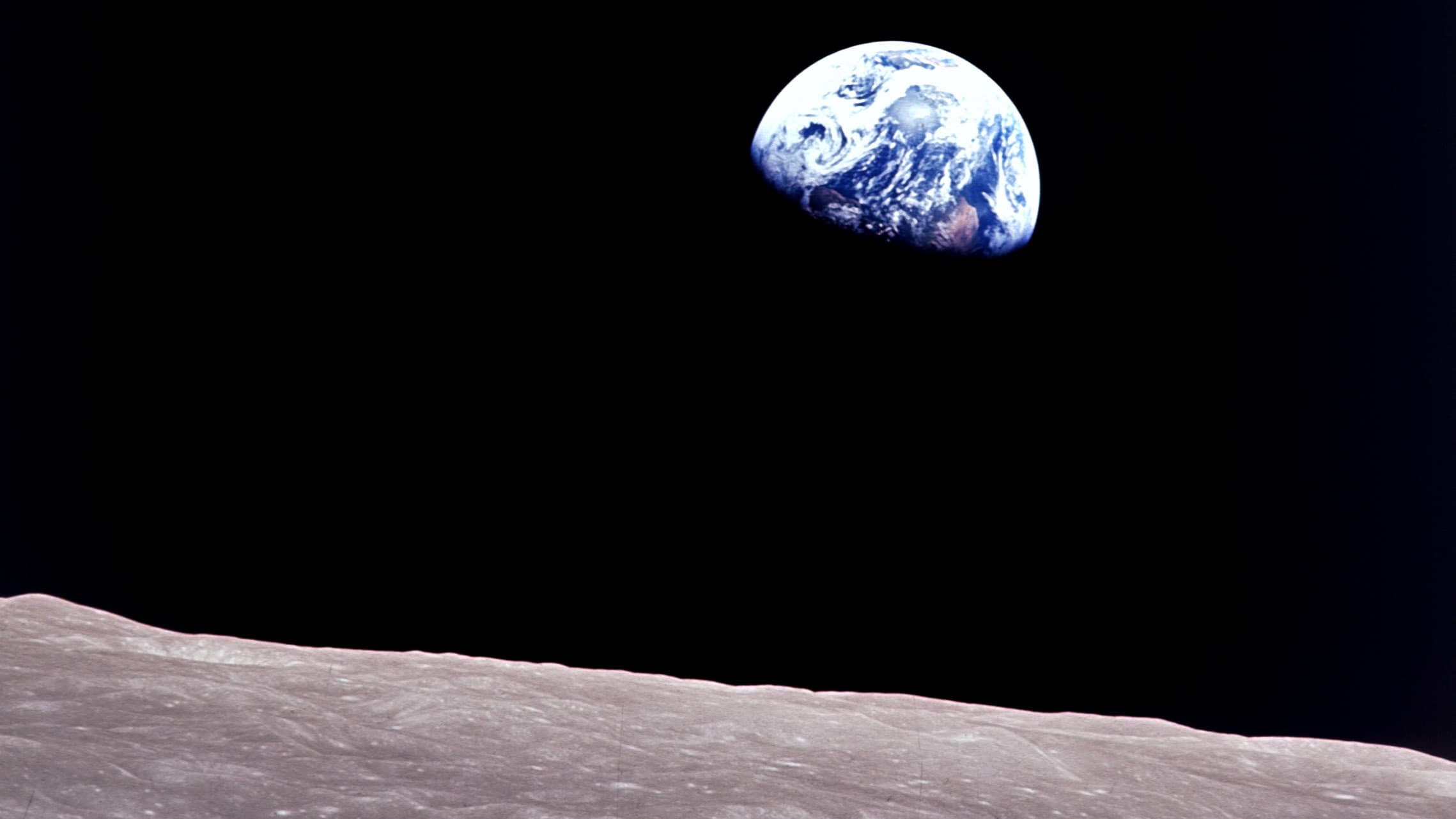
Apollo 8 became the first crewed mission to leave Earth orbit, travel to the Moon, enter lunar orbit, and safely return home. During ten revolutions around the Moon, the crew photographed the now-famous Earthrise image and broadcast a Christmas Eve message watched by hundreds of millions of people around the world.
View Mission →
Apollo 9
Launch
March 3, 1969
Status
Successful
Duration
10 days, 1 hour, 54 seconds
Crew
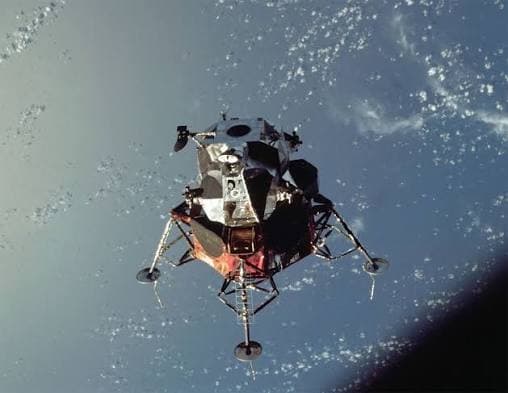
Apollo 9 was the first crewed flight of the Apollo Lunar Module. During ten days in Earth orbit, astronauts tested every major maneuver required for a Moon landing, including docking, undocking, independent Lunar Module flight, spacewalks, and rendezvous, proving the complete Apollo landing system before committing crews to lunar orbit.
View Mission →
Apollo 10
Launch
May 18, 1969
Status
Successful
Duration
8 days, 3 minutes, 23 seconds
Crew
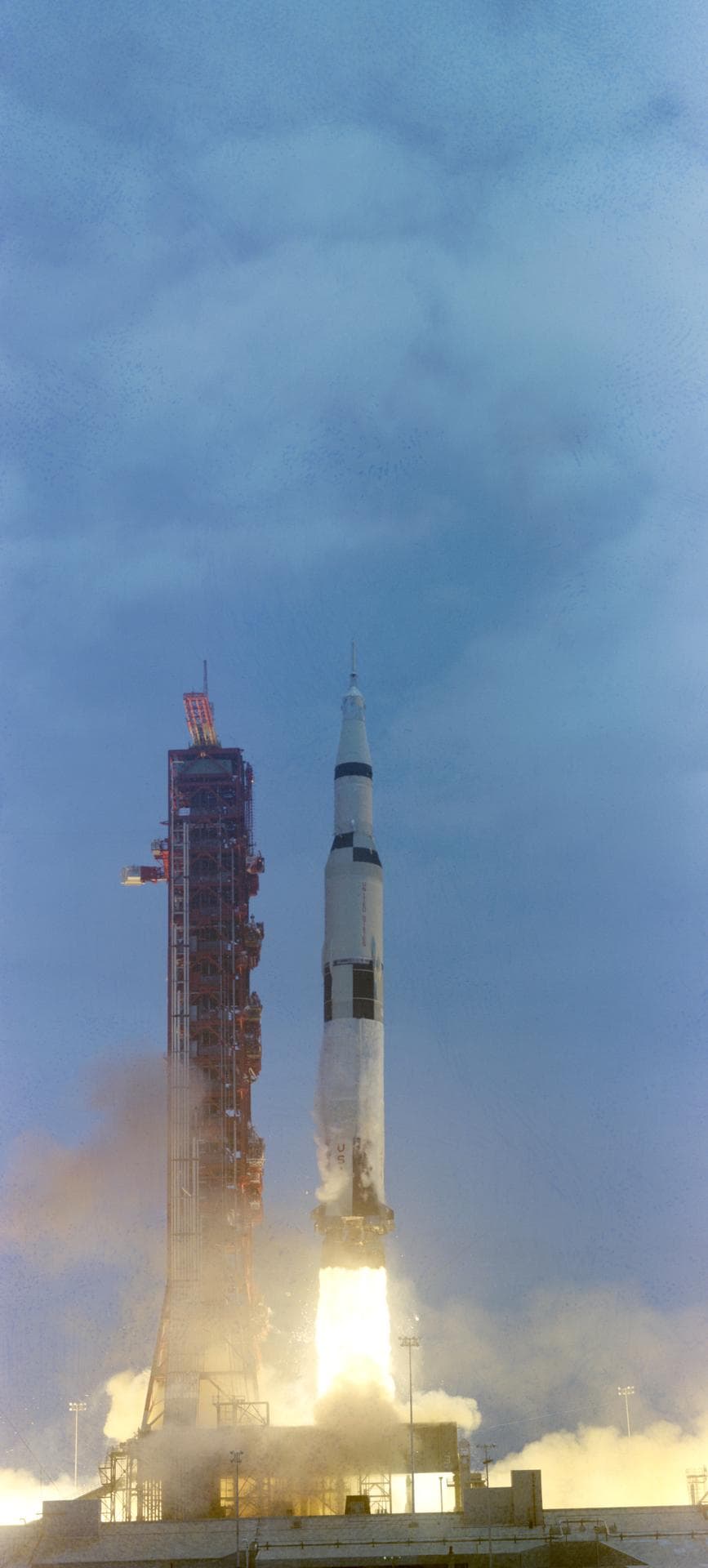
Apollo 10 was NASA's complete dress rehearsal for the first Moon landing. Every phase of a lunar landing mission was performed except the final descent to the surface. The Lunar Module descended to within about 9 miles (15 km) of the Moon before returning safely to lunar orbit.
View Mission →
Apollo 11
Launch
July 16, 1969
Status
Successful
Duration
8 days, 3 hours, 18 minutes, 35 seconds
Crew
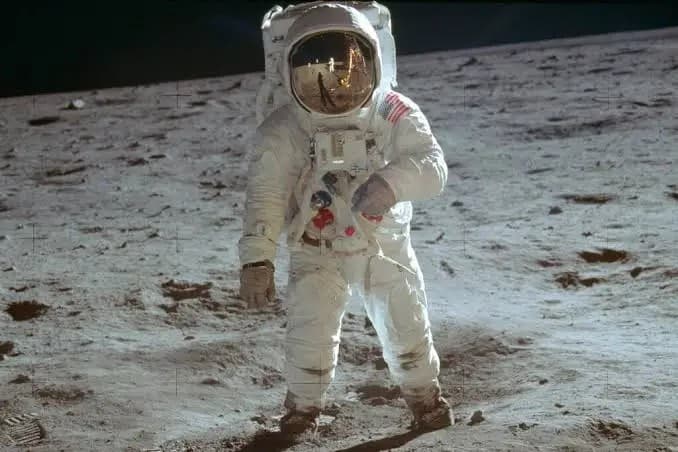
Apollo 11 fulfilled President John F. Kennedy's challenge by becoming the first mission to land humans on the Moon. Neil Armstrong and Buzz Aldrin spent over twenty-one hours on the lunar surface while Michael Collins remained in lunar orbit aboard the Command Module Columbia.
View Mission →
Apollo 12
Launch
November 14, 1969
Status
Successful
Duration
10 days, 4 hours, 36 minutes, 24 seconds
Crew
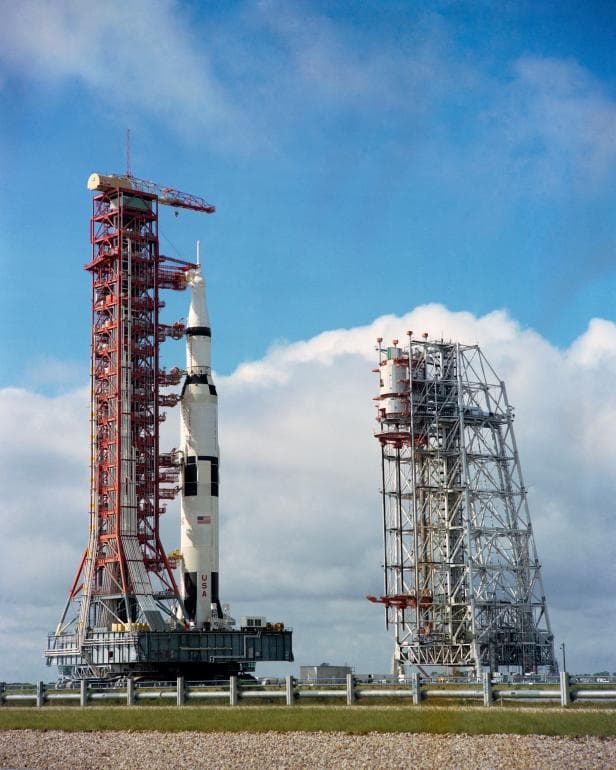
Apollo 12 demonstrated that NASA could land on the Moon with pinpoint accuracy. Despite being struck by lightning twice during launch, the mission successfully landed beside the Surveyor 3 spacecraft, performed two lunar EVAs, deployed advanced scientific experiments, and returned pieces of Surveyor 3 to Earth for analysis.
View Mission →
Apollo 13
Launch
April 11, 1970
Status
Successful (Landing Aborted)
Duration
5 days, 22 hours, 54 minutes, 41 seconds
Crew
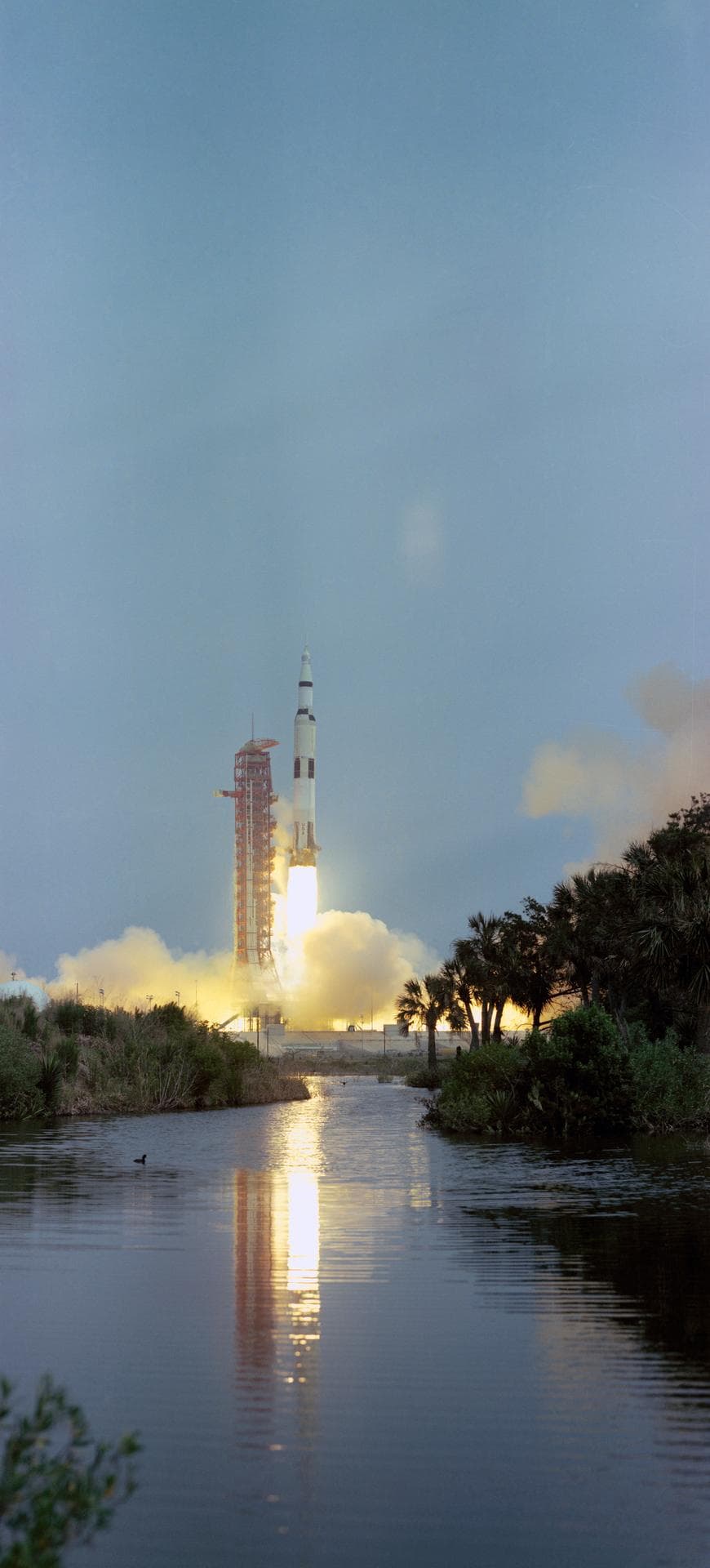
Apollo 13 was intended to become humanity's third lunar landing, but an explosion in an oxygen tank transformed it into one of the greatest rescue missions in history. Through extraordinary teamwork between the crew and Mission Control, NASA safely returned all three astronauts to Earth despite catastrophic spacecraft damage.
View Mission →
Apollo 14
Launch
January 31, 1971
Status
Successful
Duration
9 days, 23 minutes, 9 seconds
Crew
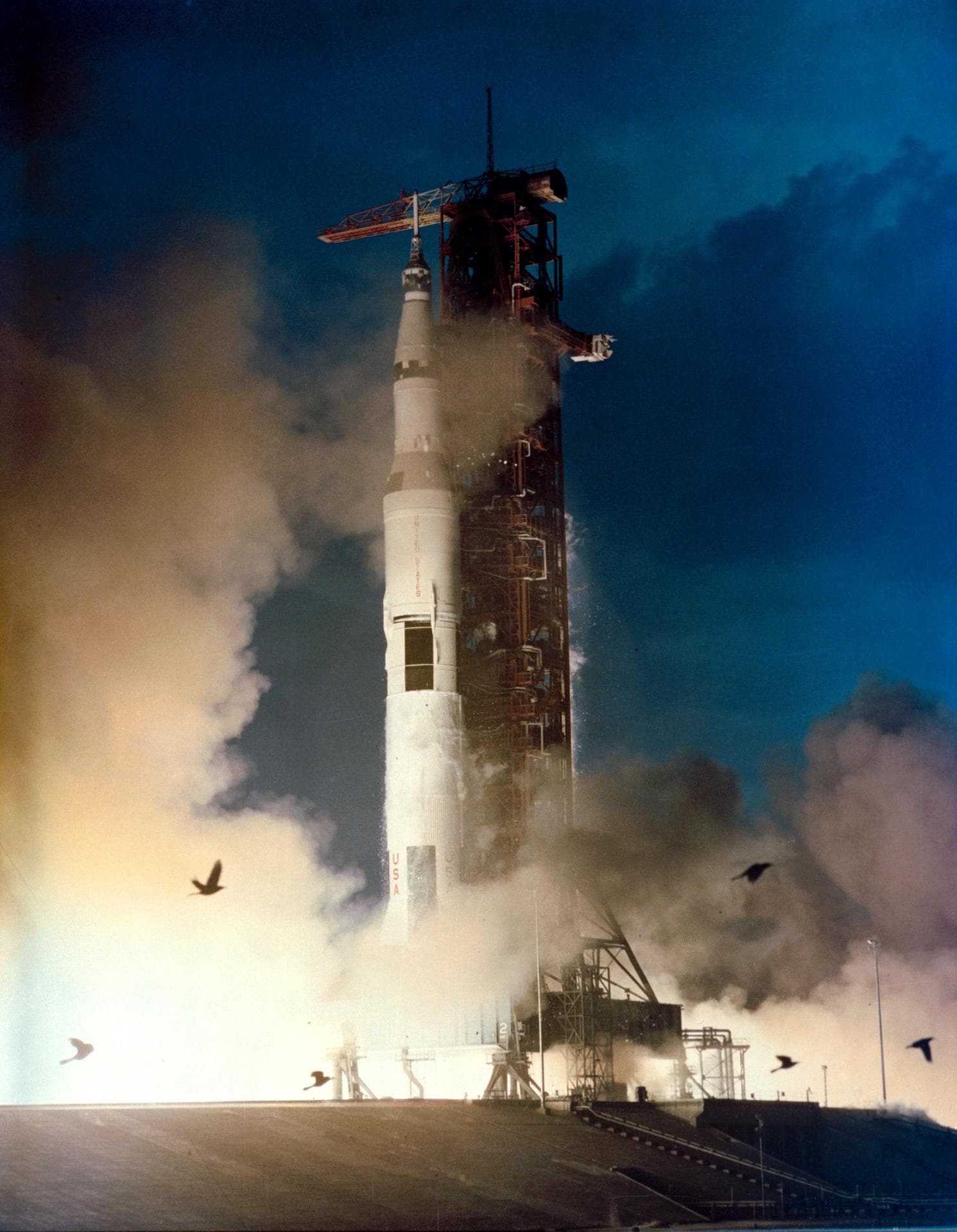
Apollo 14 returned astronauts to the Moon after the Apollo 13 accident. Despite a critical Lunar Module abort-switch malfunction just before landing, the crew safely reached the Fra Mauro Highlands, completed two successful moonwalks, deployed scientific experiments, and restored confidence in NASA's ability to conduct lunar exploration.
View Mission →
Apollo 15
Launch
July 26, 1971
Status
Successful
Duration
12 days, 7 hours, 11 minutes, 53 seconds
Crew
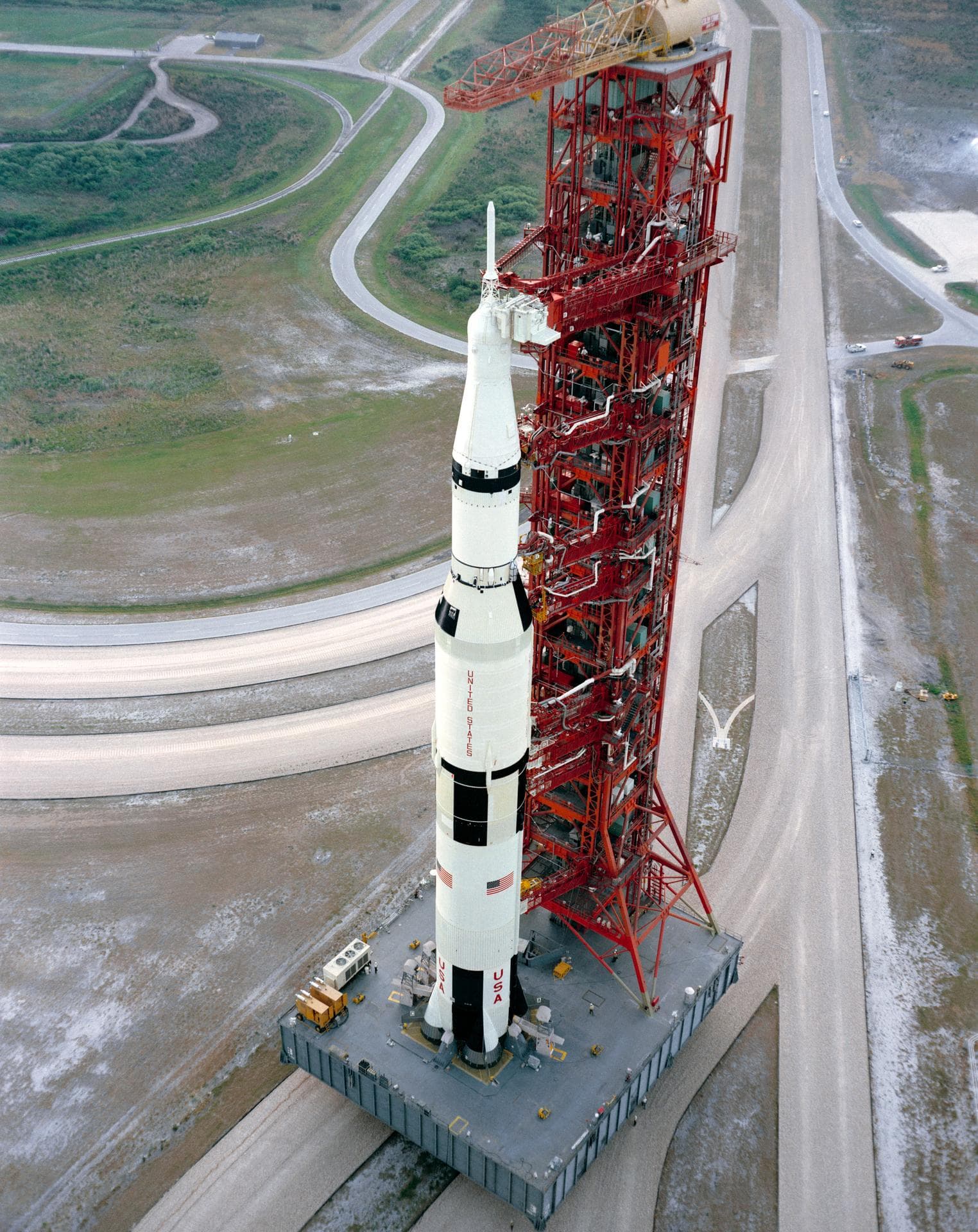
Apollo 15 was the first of NASA's extended J-missions, introducing the Lunar Roving Vehicle and dramatically expanding the scientific exploration of the Moon. The mission returned a record collection of lunar samples, deployed advanced experiments, and discovered the famous Genesis Rock.
View Mission →
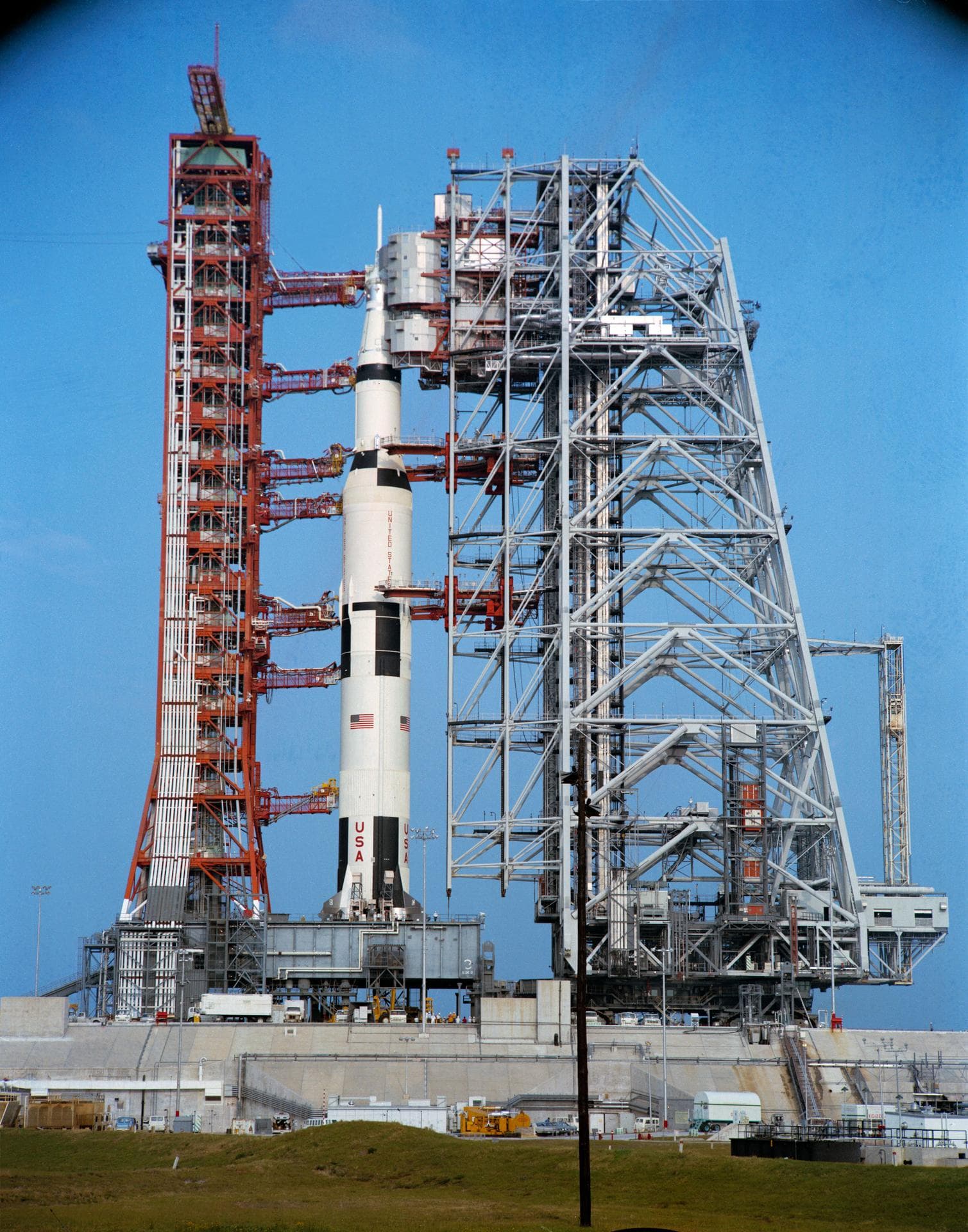
Apollo 16
Launch
April 16, 1972
Status
Successful
Duration
11 days, 1 hour, 51 minutes, 5 seconds
Crew
Apollo 16 became NASA's fifth successful lunar landing mission and the only Apollo mission to explore the ancient lunar highlands. Despite a mission-threatening delay caused by concerns with the Command Module's main engine, the crew completed three moonwalks, deployed advanced scientific experiments, and returned more than 95 kilograms of lunar samples.
View Mission →
Apollo 17
Launch
December 7, 1972
Status
Successful
Duration
12 days, 13 hours, 51 minutes, 59 seconds
Crew
Apollo 17 was the sixth and final crewed lunar landing mission of the Apollo Program. Carrying the only professional geologist to walk on the Moon, the crew completed the longest surface stay, drove the Lunar Roving Vehicle farther than any previous mission, returned the largest collection of lunar samples, and concluded humanity's first era of lunar exploration.
View Mission →
STS-1
Launch
April 12, 1981
Status
Successful
Duration
2 days, 6 hours, 20 minutes
Crew
STS-1 was the first flight of the Space Shuttle program, sending veteran astronaut John Young and rookie Robert Crippen aboard Columbia on the first-ever crewed test flight of a completely new spacecraft design.
View Mission →
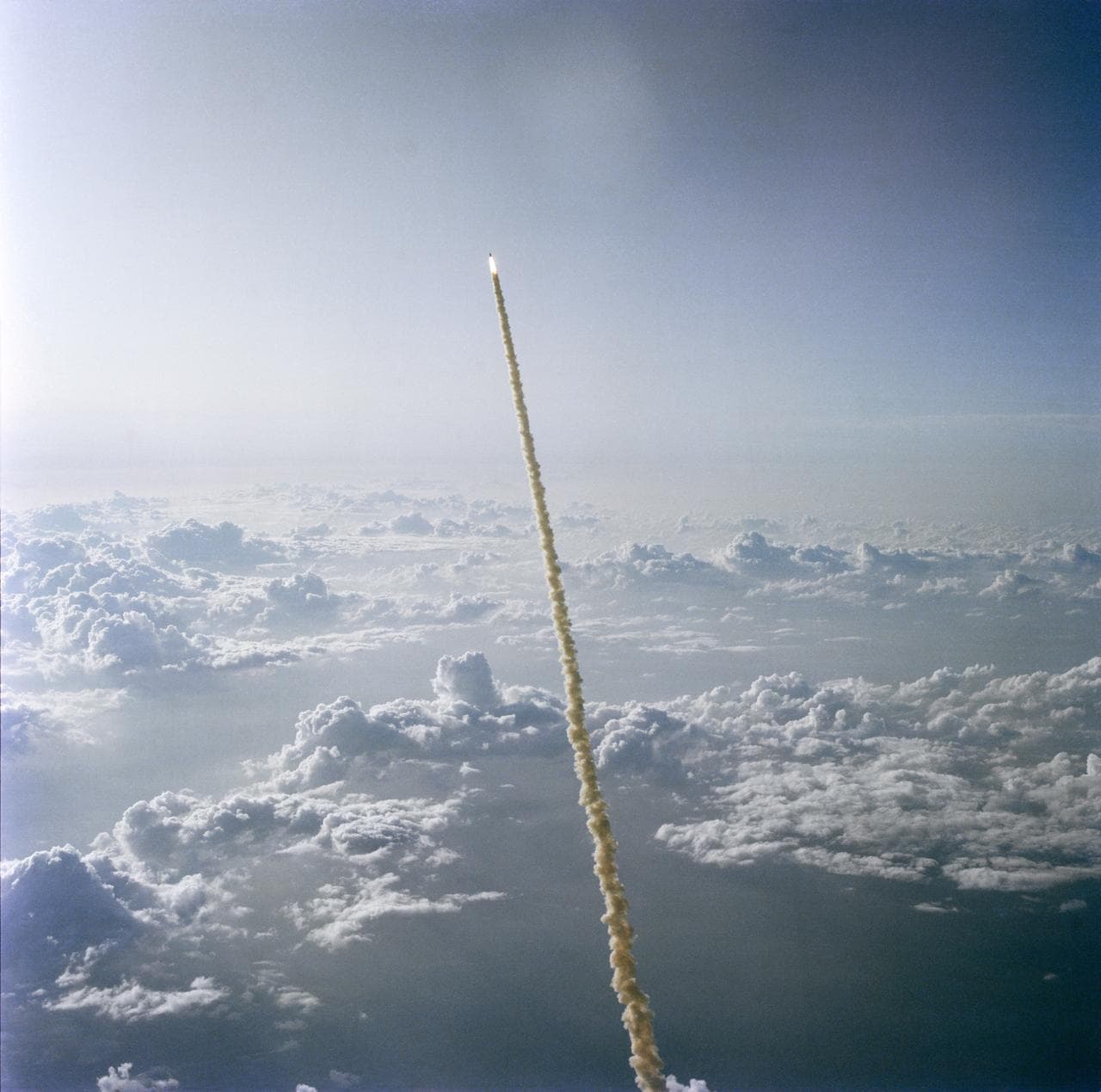
STS-7
Launch
June 18, 1983
Status
Successful
Duration
6 days, 2 hours, 24 minutes
Crew
STS-7 made Sally Ride the first American woman in space, flying aboard Challenger on a mission that deployed two communications satellites and operated the Shuttle's robotic arm to retrieve a free-flying research platform.
View Mission →
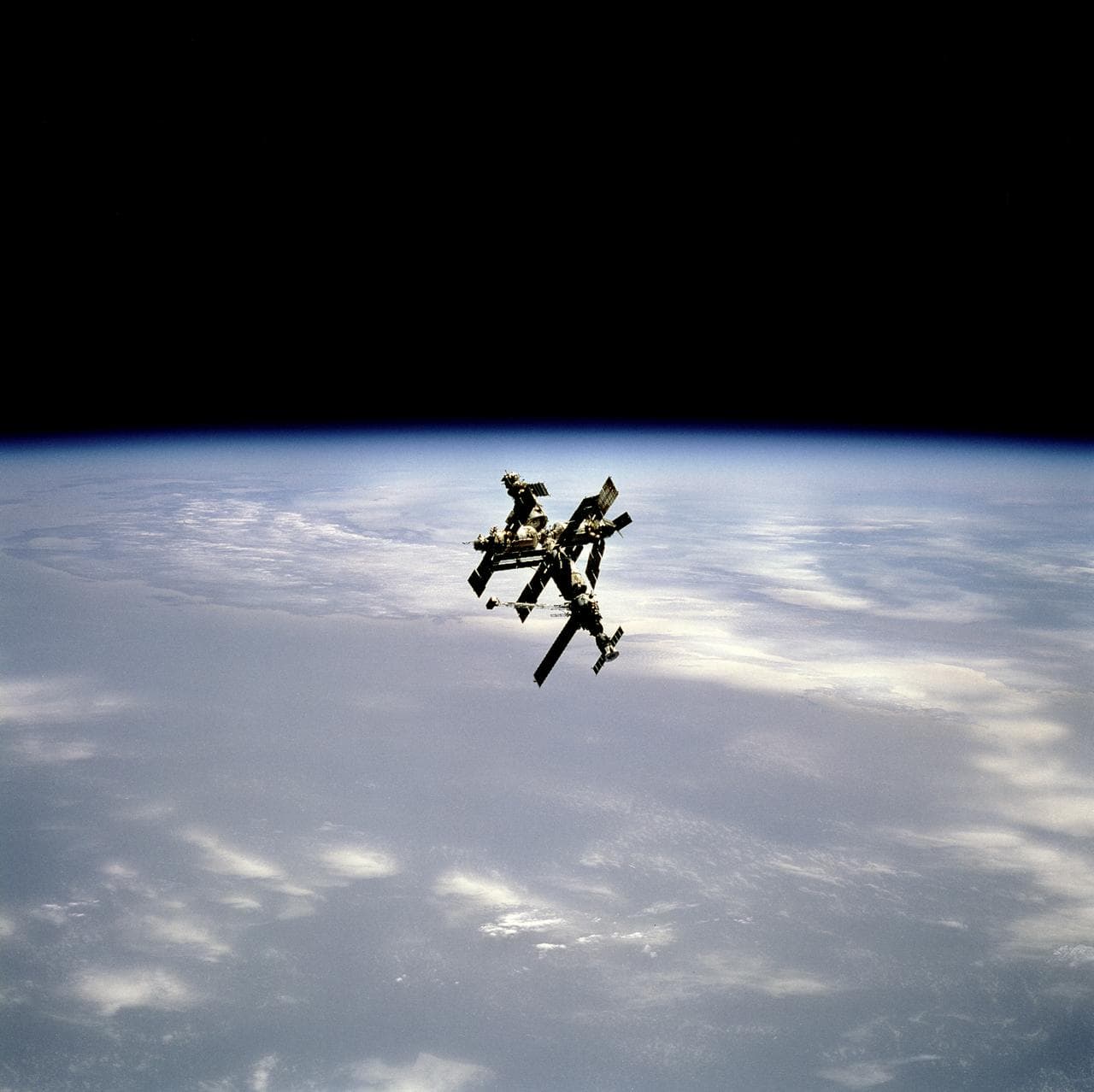
STS-71
Launch
June 27, 1995
Status
Successful
Duration
9 days, 19 hours, 22 minutes
Crew
STS-71 made history as the first Space Shuttle docking with the Russian space station Mir, forming the largest spacecraft ever assembled in orbit at the time and beginning a new era of American-Russian cooperation in space.
View Mission →
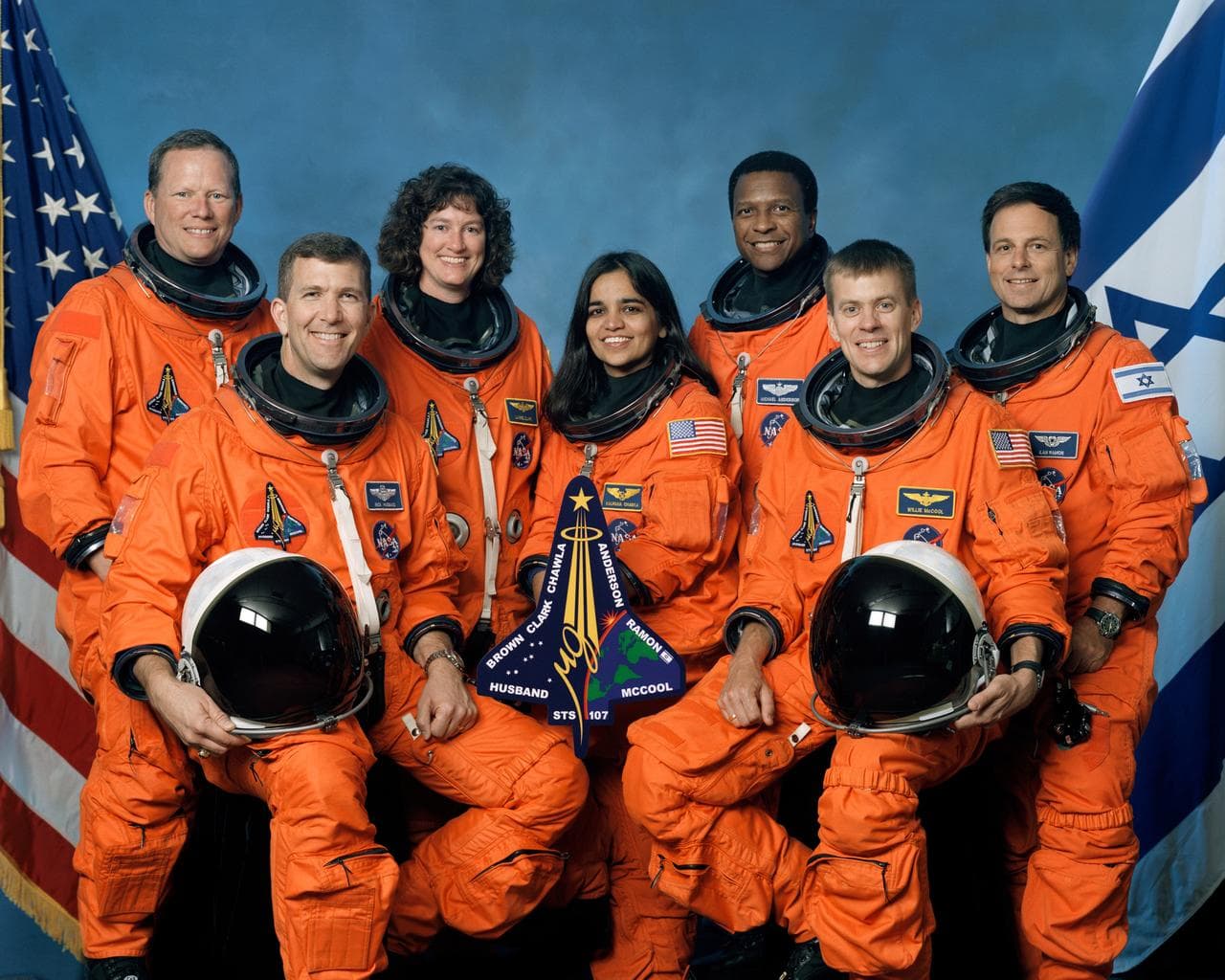
STS-107
Launch
January 16, 2003
Status
Failed
Duration
15 days, 22 hours, 20 minutes
Crew
Space Shuttle Columbia disintegrated during reentry on February 1, 2003, killing all seven crew members after a piece of insulating foam struck and damaged the orbiter's wing during launch sixteen days earlier.
View Mission →
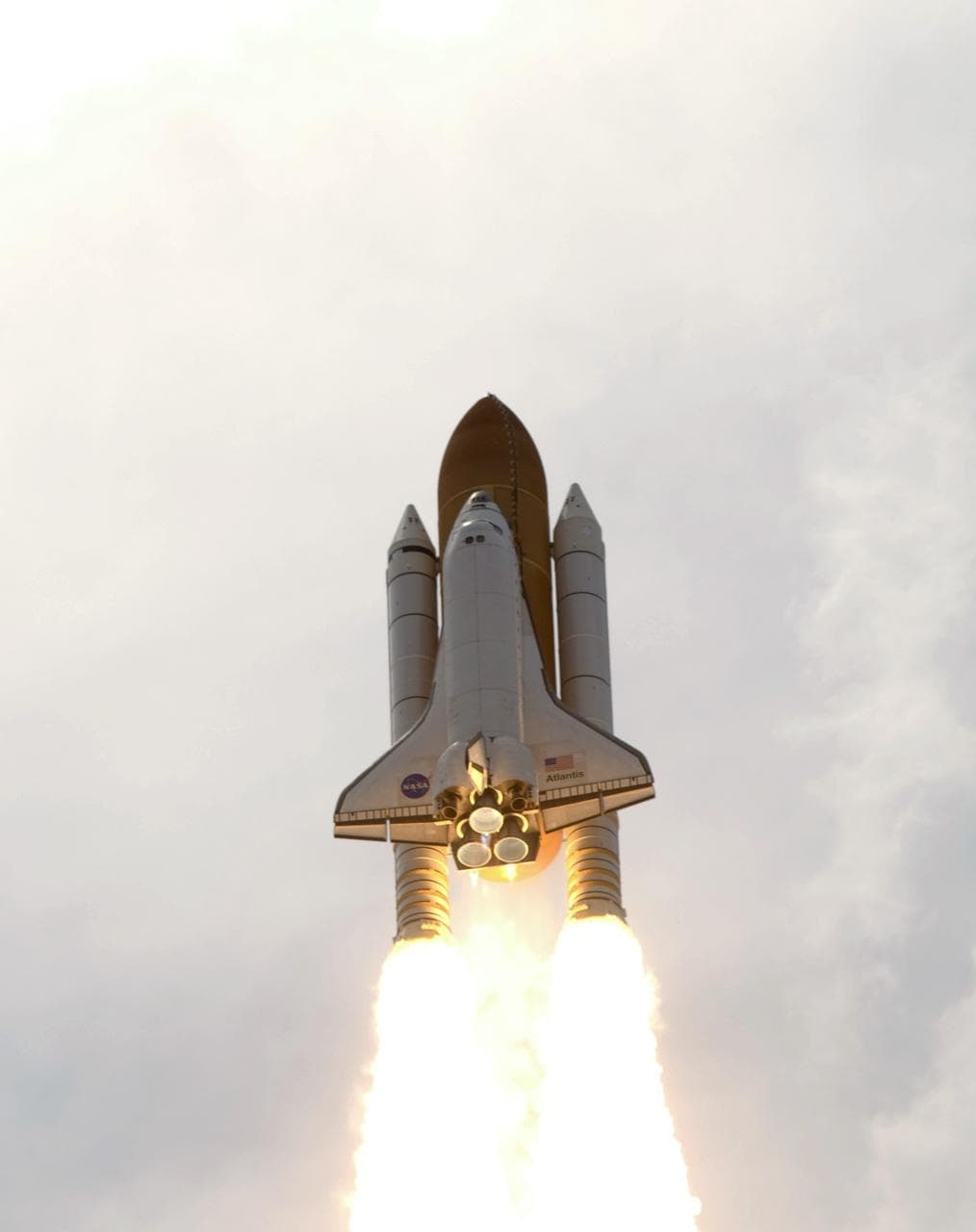
STS-125
Launch
May 11, 2009
Status
Successful
Duration
12 days, 21 hours, 37 minutes
Crew
STS-125 sent Atlantis on the fifth and final Hubble servicing mission, upgrading the telescope with new instruments and repairs across five spacewalks that extended its scientific life for another decade.
View Mission →
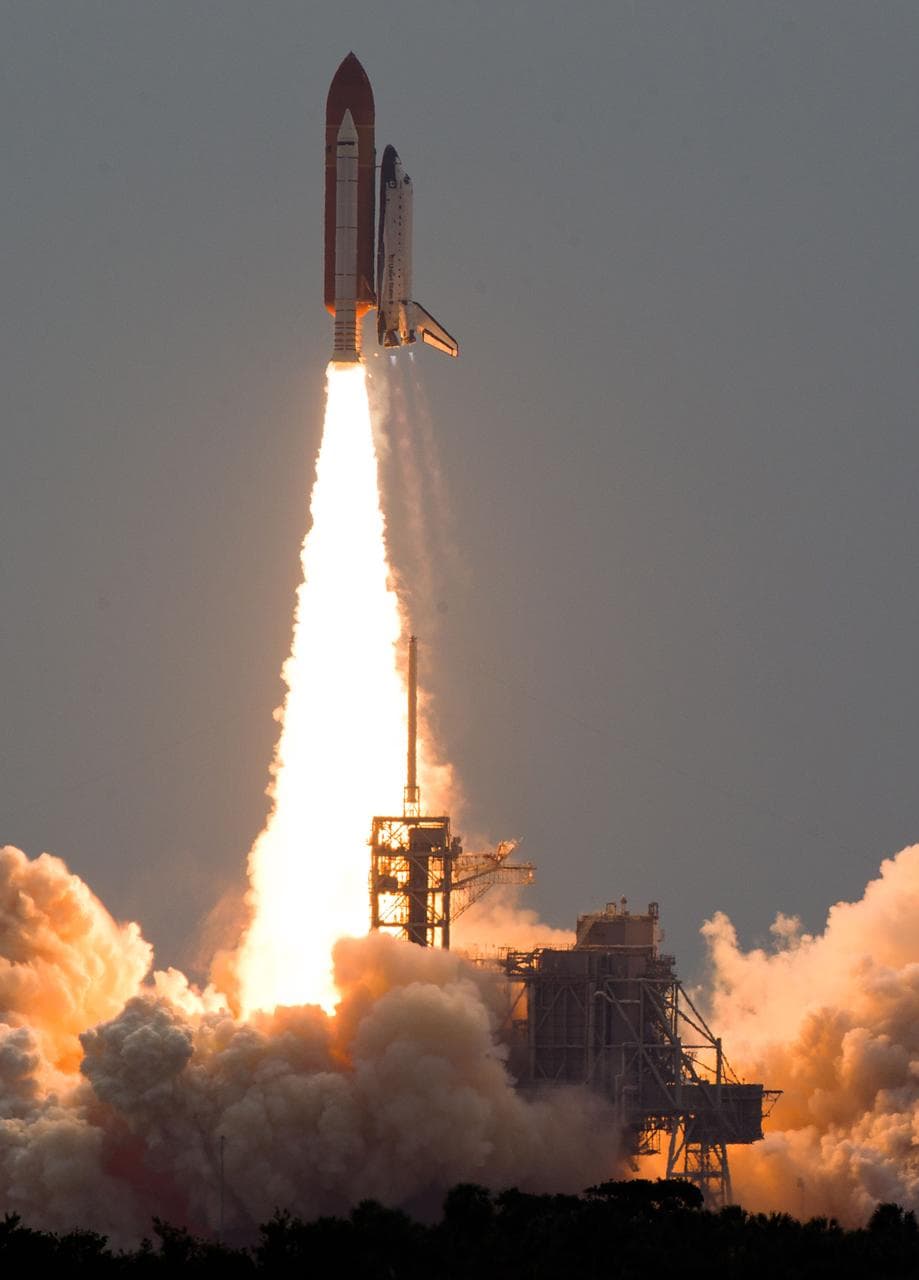
STS-135
Launch
July 8, 2011
Status
Successful
Duration
12 days, 18 hours, 28 minutes
Crew
STS-135 was the 135th and final flight of the Space Shuttle program, sending Atlantis to resupply the International Space Station and bringing thirty years of Shuttle operations to a close.
View Mission →
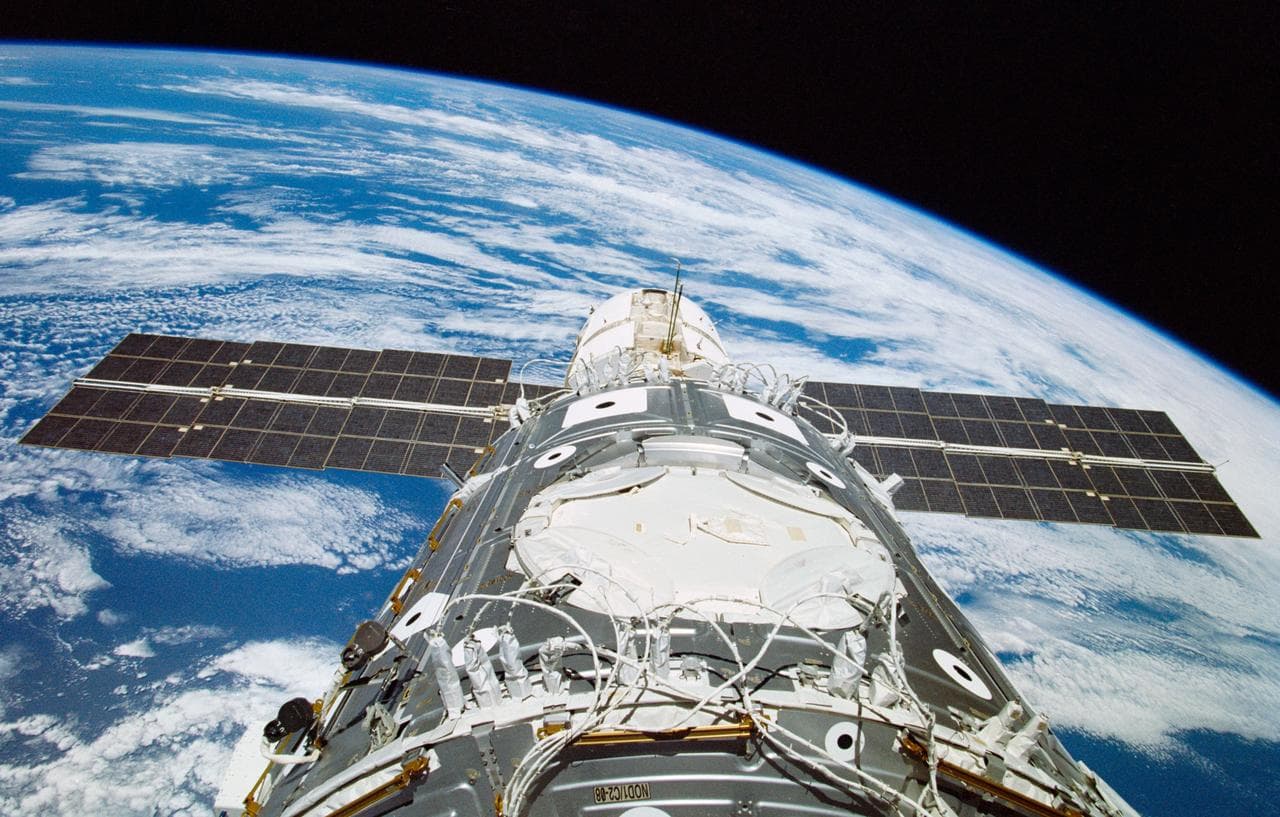
STS-88 (Unity Docking)
Launch
December 4, 1998
Status
Successful
Duration
11 days, 19 hours, 18 minutes
Crew
STS-88 carried the American-built Unity module aboard Endeavour and joined it to the already-orbiting Zarya, the first assembly operation in the construction of the International Space Station.
View Mission →
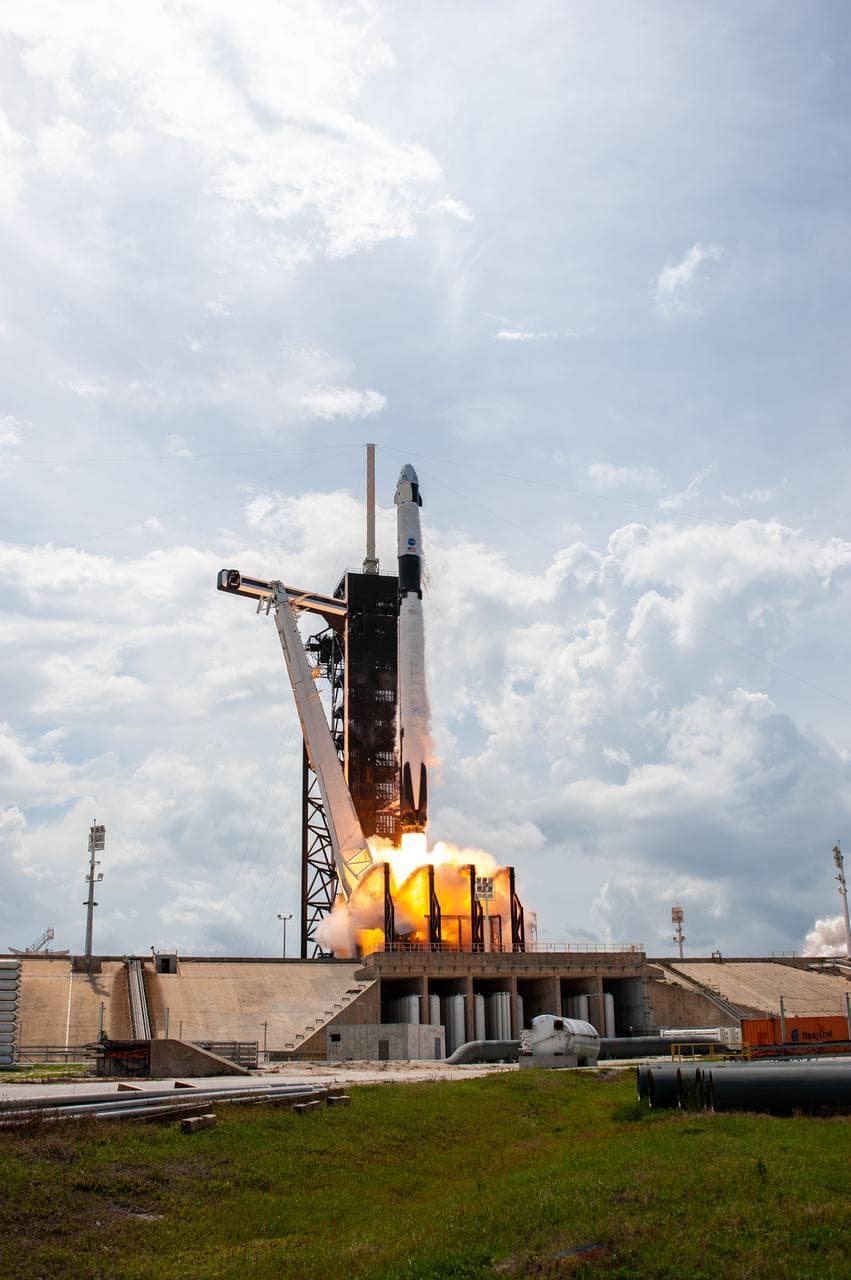
SpaceX Demo-2
Launch
May 30, 2020
Status
Successful
Duration
64 days, 3 hours, 27 minutes
Crew
SpaceX's Demo-2 mission launched Robert Behnken and Douglas Hurley aboard Crew Dragon, the first crewed orbital flight of a commercially developed and operated American spacecraft, ending nearly nine years without domestic crewed launch capability.
View Mission →
Other launch sites
Related locations
Explore the other places connected to this part of the archive.
Launch Complex 5
Cape Canaveral, Florida
A modest pad used to launch the Redstone rockets that carried NASA's first two astronauts on suborbital flights at the dawn of Project Mercury.
Launch Complex 14
Cape Canaveral, Florida
The pad that launched every orbital Mercury-Atlas mission, sending the first Americans, including John Glenn, into orbit around Earth.
Launch Complex 19
Cape Canaveral, Florida
The pad used for every crewed Gemini-Titan launch, sending ten two-person crews into orbit to develop the rendezvous and spacewalk techniques Apollo would depend on.
Launch Complex 34
Cape Canaveral, Florida
The pad where the Apollo 1 fire claimed three astronauts' lives during a launch rehearsal, and where, nearly two years later, Apollo 7 lifted off to prove the redesigned spacecraft was safe.
Launch Complex 37B
Cape Canaveral, Florida
A Saturn IB pad used for uncrewed Apollo hardware testing, including the first flight of the Lunar Module.
Launch Complex 39B
Kennedy Space Center, Florida
Pad 39A's sister pad, used for later Apollo and Space Shuttle missions and now the launch site for NASA's Artemis Moon program.
Space Launch Complex 40
Cape Canaveral, Florida
A Cape Canaveral pad leased by SpaceX, used to launch commercial cargo missions to the International Space Station.
Baikonur Cosmodrome
Kazakhstan
The Russian launch site that sent the International Space Station's first modules and first resident crew into orbit, beginning more than two decades of continuous human presence in space.
Kennedy Space Center
Merritt Island, Florida
NASA's primary launch site for human spaceflight, home to Launch Complex 39 and the agency's current and future crewed missions.