Apollo
Apollo 6
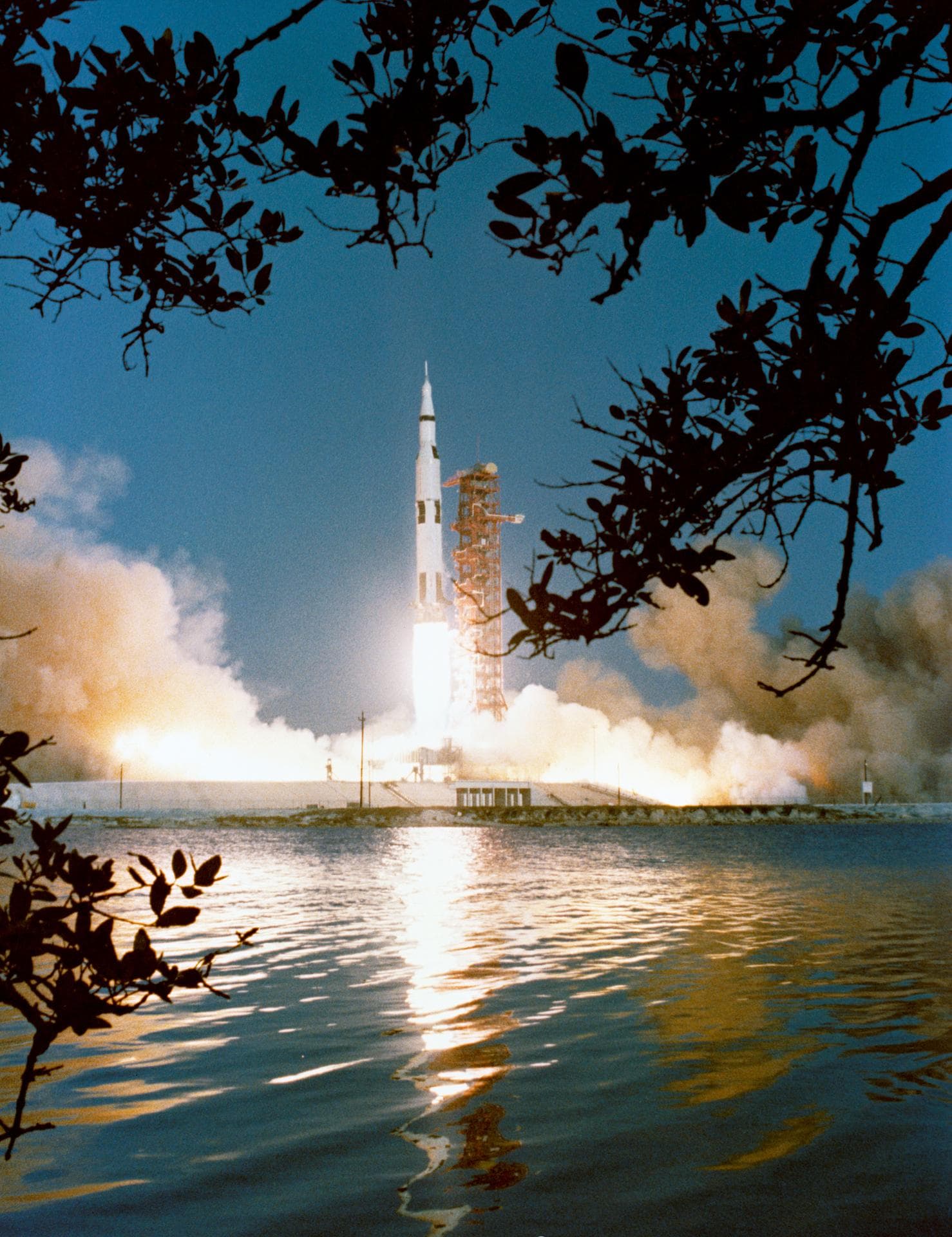
Apollo 6 was the second and final uncrewed test flight of the Saturn V rocket. Although the mission experienced severe engine failures and dangerous pogo oscillations, NASA successfully demonstrated the Apollo spacecraft's ability to return safely from a simulated lunar mission and gathered critical engineering data that paved the way for the first crewed Saturn V flight.
Launch
April 4, 1968
Duration
9 hours, 57 minutes
Crew
Uncrewed
Mission record
Apollo archive entry · Partially Successful
Mission Overview
The mission
Apollo 6 was the second and final uncrewed test flight of the Saturn V rocket. Although the mission experienced severe engine failures and dangerous pogo oscillations, NASA successfully demonstrated the Apollo spacecraft's ability to return safely from a simulated lunar mission and gathered critical engineering data that paved the way for the first crewed Saturn V flight.
In Depth
The Full Story
Apollo 6 was one of the most important engineering flights of the Apollo Program because it deliberately pushed both the Saturn V rocket and the Apollo spacecraft to their operational limits before astronauts were placed aboard.
Launched on April 4, 1968, Apollo 6 carried Command and Service Module CSM-020 atop Saturn V AS-502 from Launch Complex 39A at Kennedy Space Center. The mission was designed to simulate nearly every major phase of a lunar mission except actually traveling to the Moon. Engineers intended to place the spacecraft into Earth orbit, restart the powerful S-IVB third stage, accelerate the Apollo spacecraft to lunar-return velocity, and then verify that the Command Module's heat shield could survive the tremendous temperatures generated during reentry.
Almost immediately after liftoff, however, the mission encountered problems. During ascent, the massive Saturn V experienced unexpectedly violent longitudinal vibrations known as pogo oscillations. These oscillations shook the launch vehicle far more severely than engineers had predicted and highlighted structural concerns that would need immediate attention before astronauts could fly.
The most serious failures occurred during second-stage flight. Two of the five J-2 engines shut down prematurely, dramatically altering the planned ascent profile. Although the Saturn V's guidance computer compensated remarkably well and still achieved orbit, the shortened burn prevented the mission from reaching all of its planned objectives.
Later, engineers attempted to restart the S-IVB third stage to simulate the Trans-Lunar Injection burn required for Moon missions. The engine failed to restart, eliminating the planned high-energy trajectory. Rather than abandoning the mission, NASA flight controllers quickly developed an alternate plan using the Service Propulsion System engine aboard the Apollo spacecraft itself. The Service Module successfully accelerated the spacecraft to a high enough velocity to achieve one of the mission's most important objectives: testing the Command Module's heat shield during a near-lunar-speed atmospheric reentry.
Although Apollo 6 fell short of its original flight plan, the mission produced an enormous amount of engineering data. Investigators identified the causes of the engine failures, corrected the pogo vibration problem, and refined procedures for future Saturn V launches.
Only seven months later, many of those corrections would allow Apollo 8 to carry the first humans to the Moon.
Mission Details
Official Designation
Apollo 6
Mission Type
Uncrewed Lunar Qualification Flight
Launch Date
April 4, 1968
Mission Duration
9 hours, 57 minutes
Launch Vehicle
Saturn V AS-502
Spacecraft
Apollo Command and Service Module CSM-020
Crew
Uncrewed
Launch Site
Launch Complex 39A
Primary Orbit
Earth Orbit
Mission Result
Partially Successful
Major Failure
Two J-2 second-stage engines shut down prematurely
Structural Issue
Severe pogo oscillations during ascent
Third Stage
S-IVB restart unsuccessful
Backup Success
Service Propulsion System completed alternate burn
Heat Shield Test
Successful
Recovery
Pacific Ocean splashdown
Program
Apollo
Saturn V Flight
Second launch of the Saturn V rocket
Historic Significance
Final uncrewed Saturn V qualification flight
Next Mission
Apollo 7
Mission by the Numbers
Mission Statistics
Mission Type
Uncrewed Lunar Qualification Flight
Launch Vehicle
Saturn V AS-502
Crew
0 astronauts
Status
Partially Successful
Mission Goals
Mission objectives
- 01
Perform the second full-scale flight test of the Saturn V launch vehicle.
- 02
Verify performance of all three Saturn V stages.
- 03
Evaluate structural loads during powered ascent.
- 04
Measure pogo oscillation effects on the launch vehicle.
- 05
Place the Apollo spacecraft into Earth orbit.
- 06
Restart the S-IVB third stage in orbit.
- 07
Simulate the Trans-Lunar Injection burn.
- 08
Demonstrate the Apollo Guidance Computer during a lunar mission profile.
- 09
Evaluate Service Propulsion System performance.
- 10
Test spacecraft navigation during high-energy flight.
- 11
Validate Command Module environmental systems.
- 12
Demonstrate high-speed atmospheric reentry.
- 13
Verify Command Module heat shield performance.
- 14
Recover the spacecraft after splashdown.
- 15
Collect engineering data before the first crewed Saturn V mission.
Fascinating Details
Did You Know?
Key did you know? recorded for this mission.
Apollo 6 was the last time a Saturn V flew without astronauts aboard.
Two of the rocket's five second-stage engines failed during flight.
Despite those failures, the Saturn V still reached orbit using its onboard guidance computer.
Apollo 6 experienced the worst pogo vibrations ever recorded on a Saturn V launch.
The violent shaking was strong enough to concern NASA about astronaut safety.
The third-stage engine failed to restart when commanded.
Mission Control quickly invented an alternate flight plan during the mission.
The Apollo spacecraft's SPS engine saved one of the mission's primary objectives.
Apollo 6 still achieved a high-speed reentry test despite the launch vehicle problems.
Its heat shield successfully survived conditions similar to a lunar return.
NASA completely solved the pogo problem before Apollo 8.
The engine failures were traced to hydrogen fuel-line and ignition issues.
Apollo 6 generated one of the largest engineering investigations of the Apollo Program.
Without Apollo 6, Apollo 8 likely would have been delayed.
The mission proved that even major launch failures could be overcome through engineering and mission control.
Mission Timeline
1967
Assembly Begins
Saturn V AS-502 and Apollo spacecraft CSM-020 were assembled for the final uncrewed qualification flight of the Apollo Program.
Late 1967
Integrated Testing
Extensive electrical, propulsion, structural, and systems testing prepared Apollo 6 for launch.
Early 1968
Launch Preparations
Engineers completed final countdown demonstrations and integrated vehicle testing at Kennedy Space Center.
April 4, 1968 · 7:00 a.m. EST
Liftoff
Apollo 6 launched from Launch Complex 39A aboard Saturn V AS-502, beginning the rocket's final qualification flight before astronauts would fly aboard.
First Stage Flight
Unexpected Pogo Oscillations
Powerful longitudinal vibrations developed during ascent, shaking the launch vehicle much more violently than engineers expected and revealing a serious engineering concern.
Second Stage
Engine Failure
One of the five J-2 engines shut down prematurely, forcing the Saturn V guidance system to compensate by extending the remaining engines' burn time.
Moments Later
Second Engine Failure
A second J-2 engine also shut down early, creating one of the most significant in-flight failures ever experienced by the Saturn V while still leaving enough performance to achieve orbit.
Earth Orbit
Parking Orbit Achieved
Despite multiple engine failures, the Saturn V successfully placed Apollo 6 into Earth orbit through automatic guidance corrections.
Planned Translunar Simulation
S-IVB Restart Attempt
Mission controllers commanded the S-IVB third stage to restart in orbit for the simulated Trans-Lunar Injection burn. The engine failed to reignite, preventing the mission from following its planned lunar-return trajectory.
Mission Replanned
Alternate Flight Profile
Rather than ending the mission, NASA quickly developed a new flight plan using the Apollo Service Module's Service Propulsion System (SPS) engine to accomplish the mission's most critical remaining objective.
High-Energy Burn
Service Propulsion System Ignition
The SPS engine fired successfully, accelerating the spacecraft onto a high-energy trajectory that would closely simulate the speed of a return from the Moon.
Coast Phase
Spacecraft Systems Evaluation
Engineers monitored guidance, navigation, electrical systems, communications, thermal control, and propulsion while the spacecraft coasted along its modified flight path.
Atmospheric Entry
High-Speed Reentry
Apollo 6 reentered Earth's atmosphere at nearly lunar-return velocity, placing enormous thermal loads on the Command Module's heat shield.
Reentry Success
Heat Shield Validated
The Command Module's ablative heat shield performed successfully, confirming it could protect astronauts returning from lunar missions.
Pacific Ocean
Splashdown
Apollo 6 safely splashed down in the Pacific Ocean after nearly ten hours in space, completing the Saturn V's final uncrewed qualification flight.
Postflight Investigation
Failure Analysis Begins
NASA engineers immediately began analyzing the pogo oscillations, engine shutdowns, and failed S-IVB restart to determine their root causes.
Engineering Improvements
Saturn V Modified
Investigators corrected fuel-line issues, engine ignition problems, and structural vibration concerns before the first crewed Saturn V mission.
December 1968
Apollo 8 Benefits
The lessons learned during Apollo 6 allowed Apollo 8 to become the first crewed Saturn V mission and the first human flight to the Moon.
Mission Legacy
Legacy
Apollo 6 demonstrated something even more valuable than a perfect mission: it demonstrated how NASA solved problems.
The Saturn V was the most powerful rocket ever flown, but Apollo 6 revealed that tremendous power also created engineering challenges no one had fully anticipated. Violent pogo oscillations threatened both the launch vehicle and any future crew, while multiple engine failures tested the rocket's ability to survive major malfunctions.
Instead of viewing Apollo 6 as a failure, NASA treated it as one of the most successful engineering investigations in the history of spaceflight. Every anomaly was documented, recreated, and ultimately corrected.
The mission also highlighted the remarkable flexibility of the Apollo spacecraft itself. When the Saturn V could no longer perform the planned lunar simulation, the Service Module's propulsion system completed an alternate maneuver that still allowed engineers to validate the Command Module's heat shield at near-lunar-return speeds.
Within only eight months, NASA had implemented corrective modifications across the Saturn V program. Those improvements gave agency leaders the confidence to approve Apollo 8, sending Frank Borman, Jim Lovell, and Bill Anders on humanity's first voyage to the Moon.
Apollo 6 proved that engineering perfection isn't achieved by avoiding failures. It is achieved by understanding them thoroughly enough that they never happen again.
Mission Photo Archive
Related Stories
Apollo
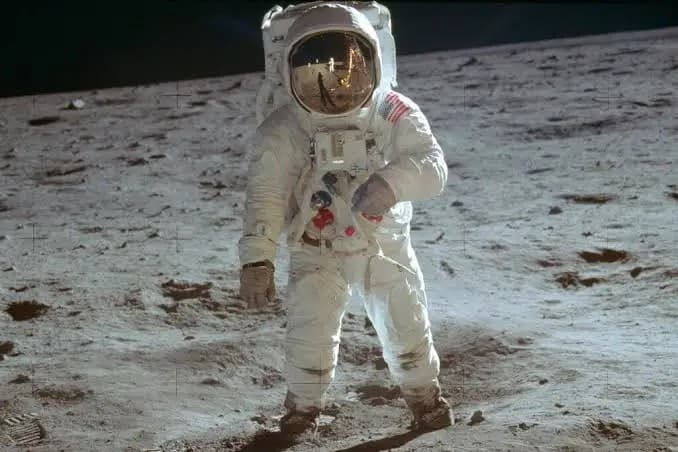
The Moon Photos That Still Feel Impossible
Before social media, astronauts brought back images that changed how humanity saw itself forever.
Read Article →
Artemis
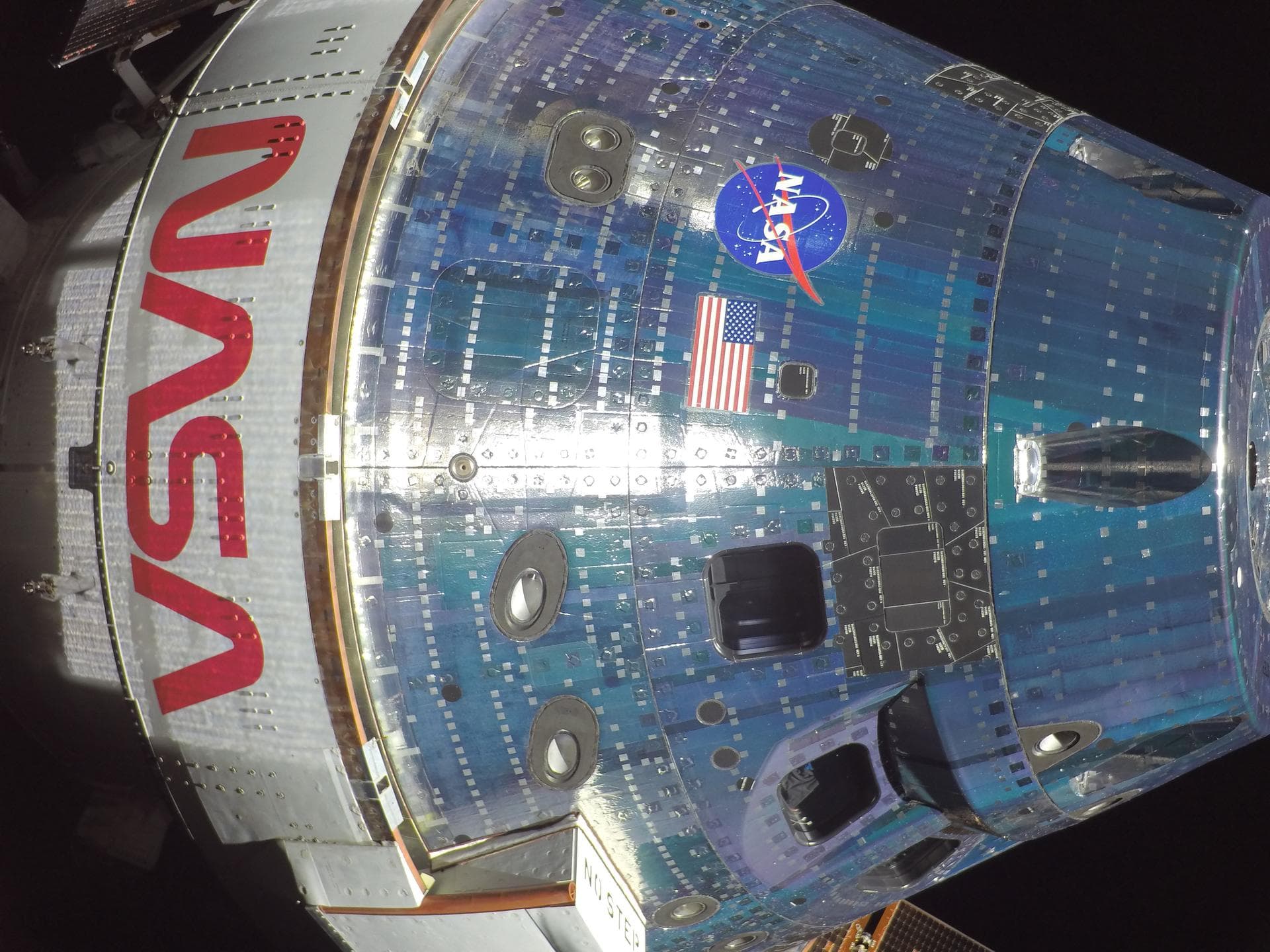
Why Artemis Will Change Lunar Exploration
NASA's return to the Moon is designed to become more sustainable, more international, and more ambitious than Apollo.
Read Article →
ISS
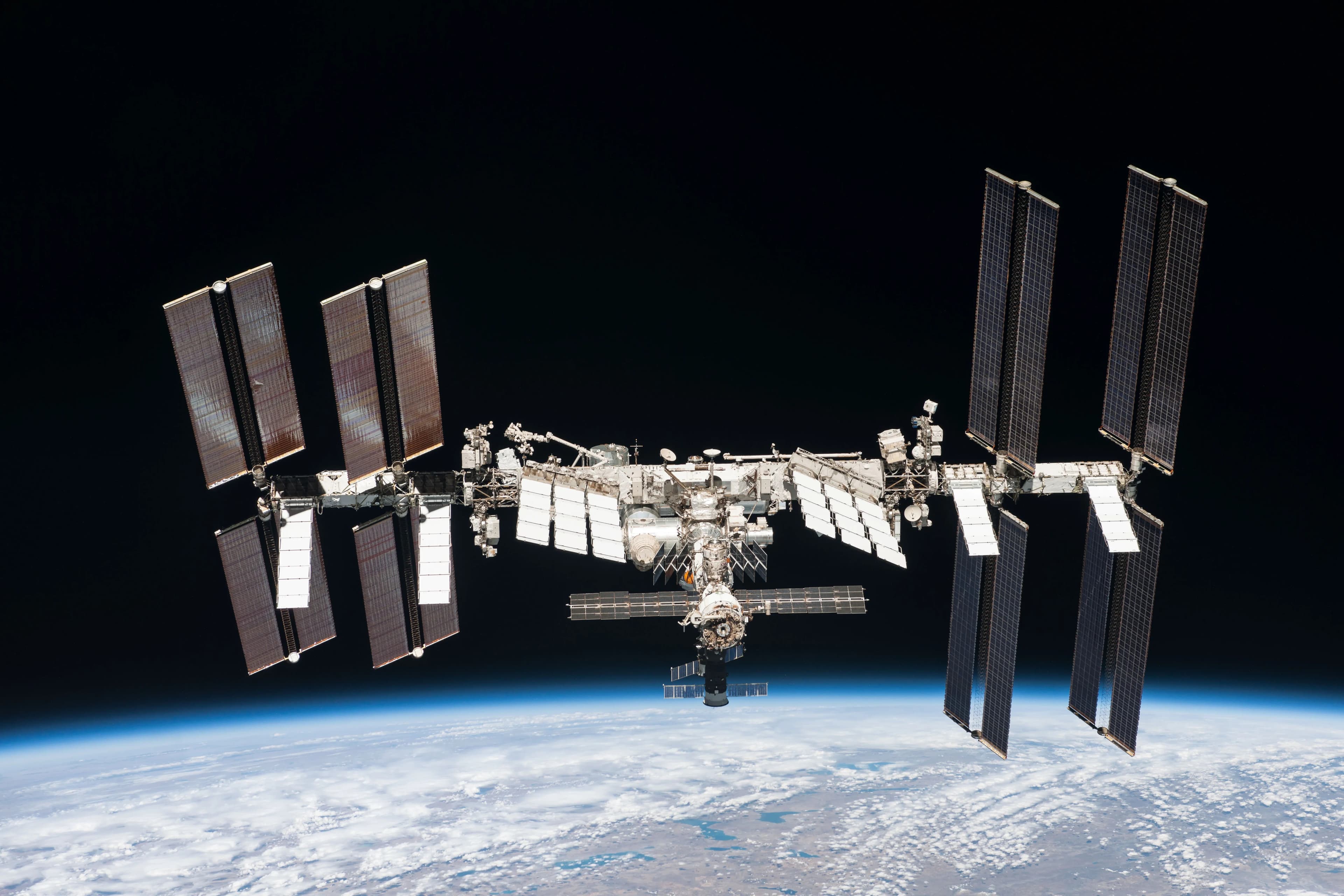
Life 250 Miles Above Earth
Inside the daily routine of astronauts living and working aboard the International Space Station.
Read Article →