Space Shuttle
STS-7
STS-7 made Sally Ride the first American woman in space, flying aboard Challenger on a mission that deployed two communications satellites and operated the Shuttle's robotic arm to retrieve a free-flying research platform.
Launch
June 18, 1983
Duration
6 days, 2 hours, 24 minutes
Crew
2 astronauts
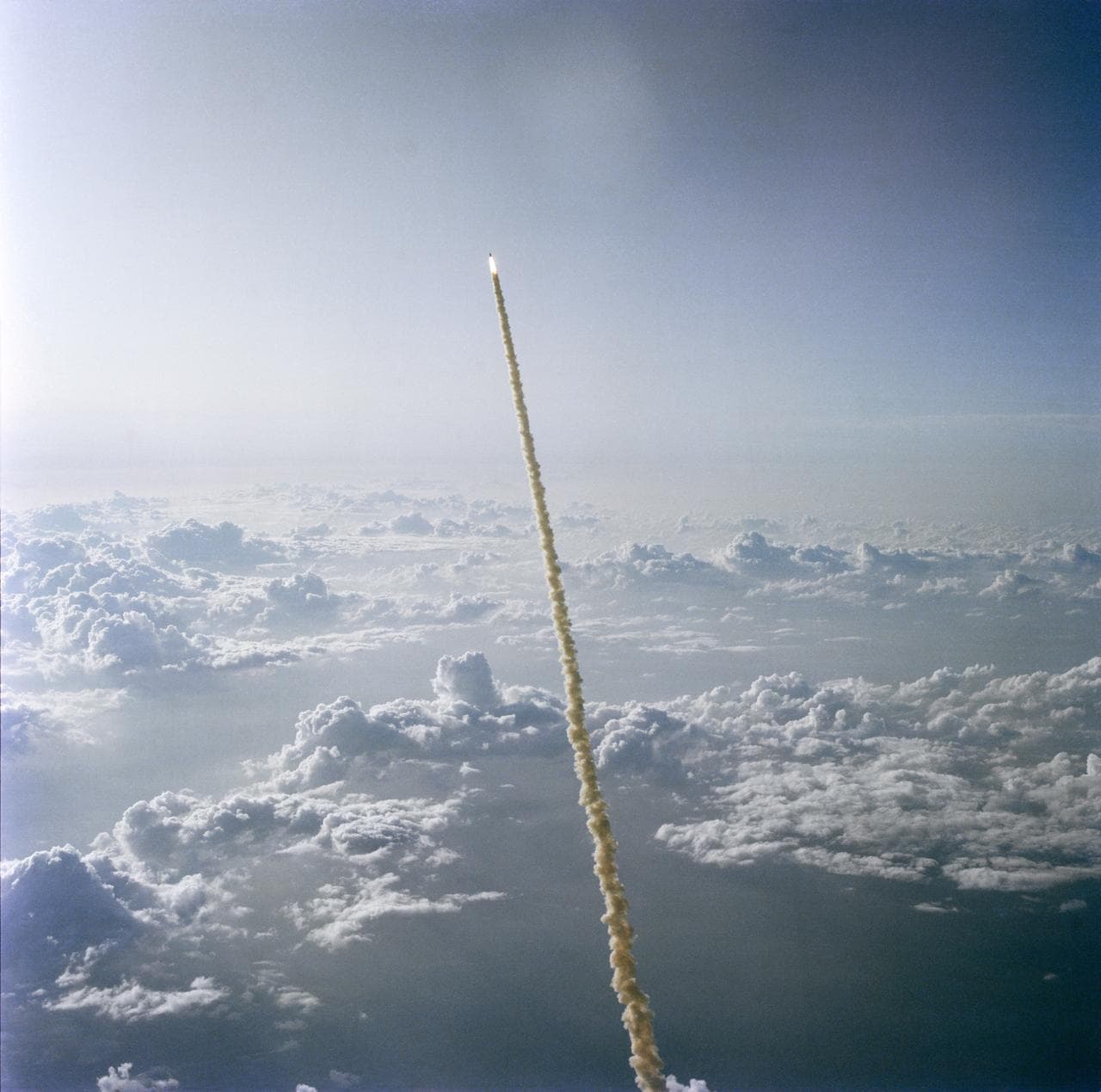
Mission record
Space Shuttle archive entry · Successful
Mission Overview
The mission
STS-7 made Sally Ride the first American woman in space, flying aboard Challenger on a mission that deployed two communications satellites and operated the Shuttle's robotic arm to retrieve a free-flying research platform.
In Depth
The Full Story
STS-7 carried a five-person crew, but one seat drew the overwhelming majority of public attention. Mission Specialist Sally Ride, a physicist who had joined NASA's astronaut corps in 1978 as part of the first class to include women, was about to become the first American woman to fly in space, nearly twenty years after Soviet cosmonaut Valentina Tereshkova had become the first woman in space of any nationality.
Commanded by Robert Crippen, who had flown as pilot on STS-1 two years earlier, Challenger lifted off on June 18, 1983, carrying Ride alongside four male crewmates. Ride handled some of the mission's most technically demanding work, operating the Shuttle's robotic Canadarm to deploy and later retrieve the Shuttle Pallet Satellite, a free-flying platform used for scientific experiments, becoming the first person to use the robotic arm to both release and recapture a satellite in orbit.
The mission also deployed two communications satellites for Canada and Indonesia, continuing the Shuttle's growing role as a commercial satellite-launching platform in its early years. Throughout the six-day flight, Ride became something of a media phenomenon on the ground, fielding questions in press conferences that focused heavily on her gender rather than her technical role, a pattern she later spoke about candidly as reflecting the era's unfamiliarity with women in such positions.
Challenger returned to a smooth landing at Edwards Air Force Base on June 24, and Ride's flight became a defining moment in the history of women in spaceflight, opening the door for the many female astronauts who would follow her into orbit over the following decades.
Mission Details
Official Designation
STS-7
Mission Type
First American Woman in Space
Launch Date
June 18, 1983
Mission Duration
6 days, 2 hours, 24 minutes
Commander
Robert L. Crippen
Mission Specialist
Sally K. Ride
Orbiter
Challenger
Launch Site
Launch Complex 39A, Kennedy Space Center
Landing Site
Edwards Air Force Base, California
Crew Size
5 Astronauts
Mission Result
Successful
Historic Achievement
First American Woman in Space
Mission by the Numbers
Mission Statistics
Mission Type
First American Woman in Space
Launch Vehicle
Space Shuttle Challenger
Crew
2 astronauts
Status
Successful
The People Behind the Mission
Crew
The astronauts assigned to command, operate, and carry out the mission.
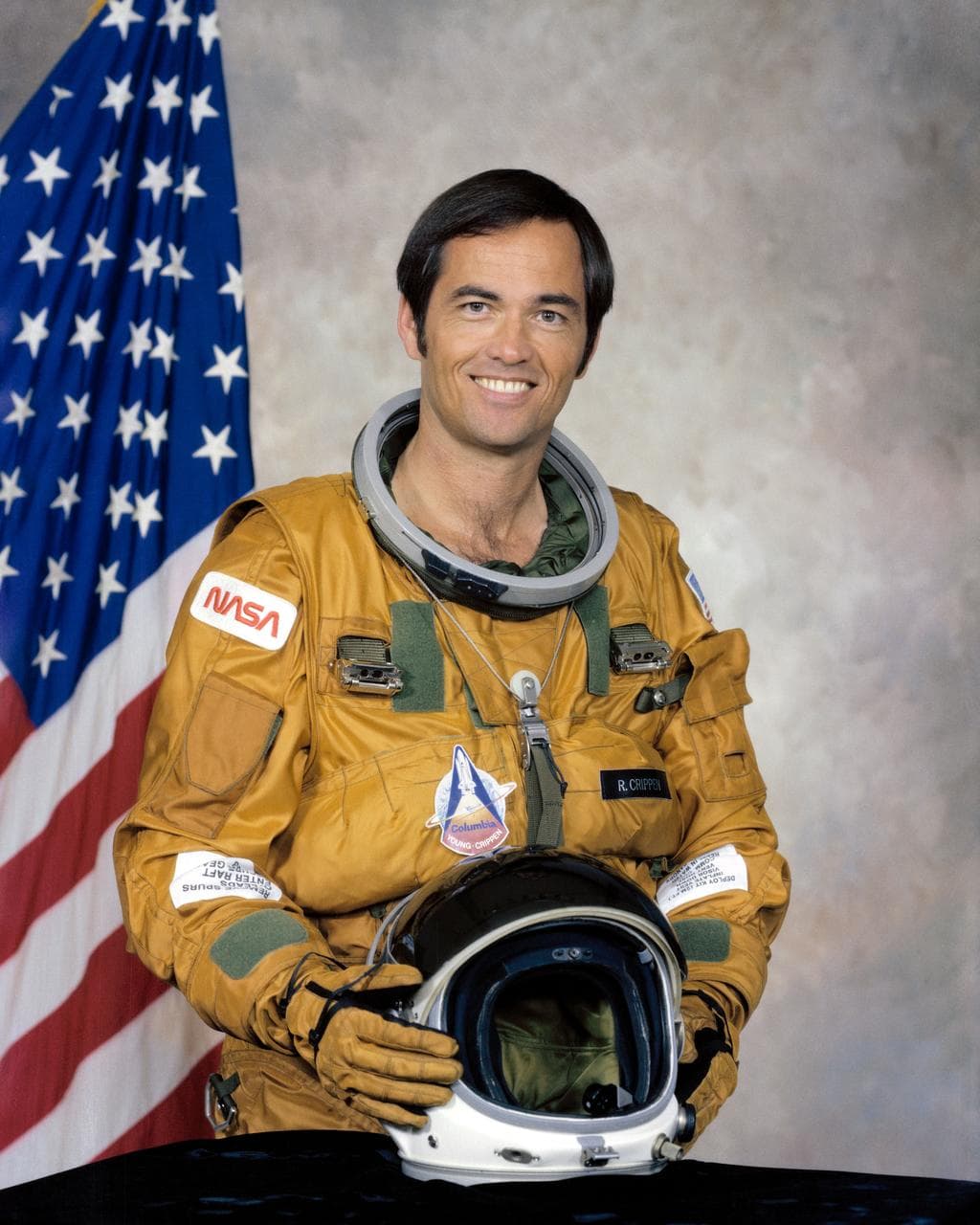
Commander
Robert Crippen
Robert Crippen piloted STS-1, the first Space Shuttle flight, and later commanded three more Shuttle missions.
View Astronaut →
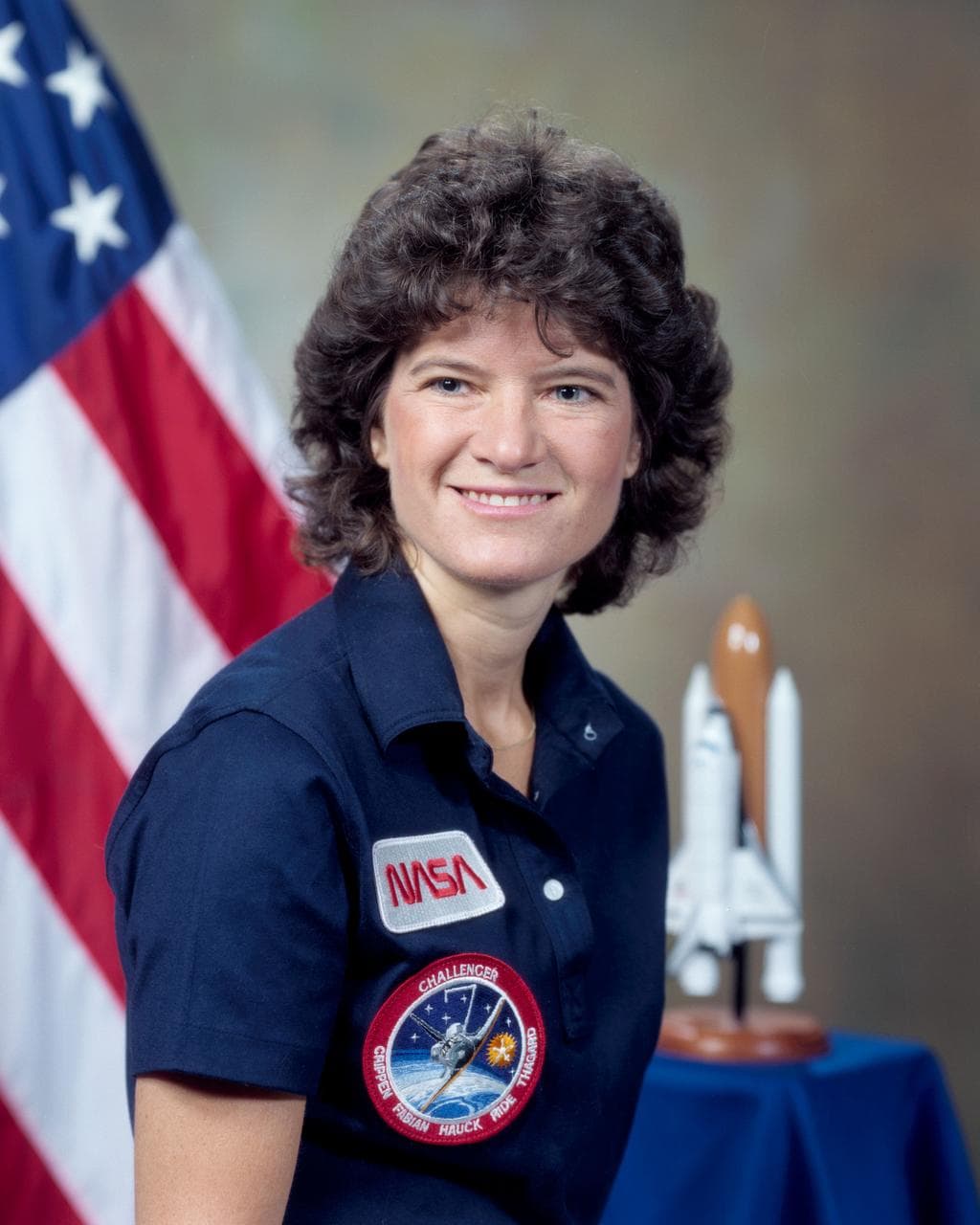
Mission Specialist
Sally Ride
Sally Ride became the first American woman in space aboard STS-7 in 1983, and later served on both the Challenger and Columbia accident investigation boards.
View Astronaut →
Mission Goals
Mission objectives
- 01
Deploy two commercial communications satellites for Canada and Indonesia.
- 02
Deploy and retrieve the Shuttle Pallet Satellite using the robotic arm.
- 03
Conduct materials processing and scientific experiments in orbit.
- 04
Demonstrate expanded operational use of the Shuttle's robotic Canadarm.
- 05
Continue building operational experience with the Shuttle's satellite deployment capabilities.
Fascinating Details
Did You Know?
Key did you know? recorded for this mission.
Sally Ride became the first American woman in space, nearly twenty years after the Soviet Union's Valentina Tereshkova became the first woman in space of any nationality.
Ride was part of NASA's 1978 astronaut class, the first to include women.
Ride became the first person to both deploy and retrieve a free-flying satellite using the Shuttle's robotic arm.
Press conferences before the flight focused heavily on Ride's gender, a pattern she later spoke about as reflective of the era.
STS-7 deployed communications satellites for both Canada and Indonesia during the mission.
Sally Ride later flew a second Shuttle mission, STS-41-G, in 1984.
Ride went on to serve on both the Challenger and Columbia accident investigation boards, the only person to serve on both.
Mission Timeline
June 18, 1983 · 7:33 a.m. EST
Launch
Challenger lifted off from Launch Complex 39A at Kennedy Space Center, carrying Sally Ride toward becoming the first American woman in space.
Day 1
Satellite Deployments
The crew deployed communications satellites for Canada and Indonesia, part of the Shuttle's growing commercial satellite-launching role.
Mid-Mission
Robotic Arm Operations
Sally Ride operated the Shuttle's Canadarm to deploy the Shuttle Pallet Satellite and later retrieve it, the first time the arm had been used for both operations on a single free-flying object.
Throughout the Flight
Scientific Experiments
The crew conducted materials processing and other experiments in Challenger's payload bay across the six-day mission.
June 24, 1983
Landing
Challenger landed at Edwards Air Force Base in California, concluding a mission that made Sally Ride the first American woman in space.
Mission Legacy
Legacy
STS-7 made Sally Ride a household name and a lasting symbol of expanding opportunity in American spaceflight, opening the door for the many women who followed her into NASA's astronaut corps and into orbit over the following decades.
Ride's technical work operating the Canadarm to deploy and retrieve a free-flying satellite also demonstrated capabilities the Shuttle would rely on repeatedly throughout its career, from satellite servicing to space station construction.
Beyond her spaceflights, Ride's later work investigating both the Challenger and Columbia accidents, the only person to serve on both review boards, cemented her legacy as one of the most consequential figures in the history of the Space Shuttle program.
Mission Photo Archive
Related Stories
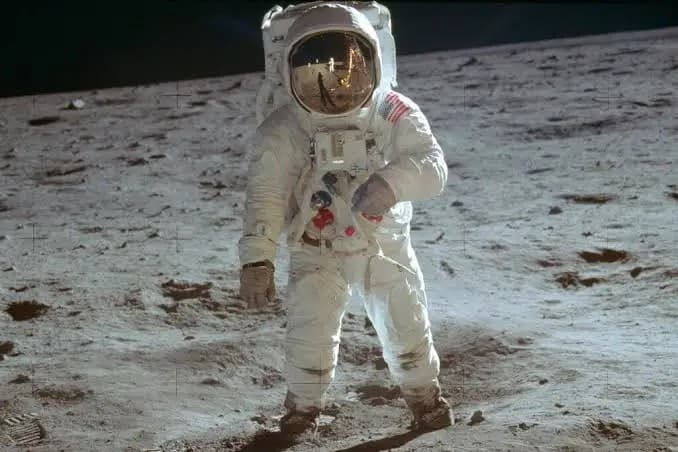
Apollo
The Moon Photos That Still Feel Impossible
Before social media, astronauts brought back images that changed how humanity saw itself forever.
Read Article →
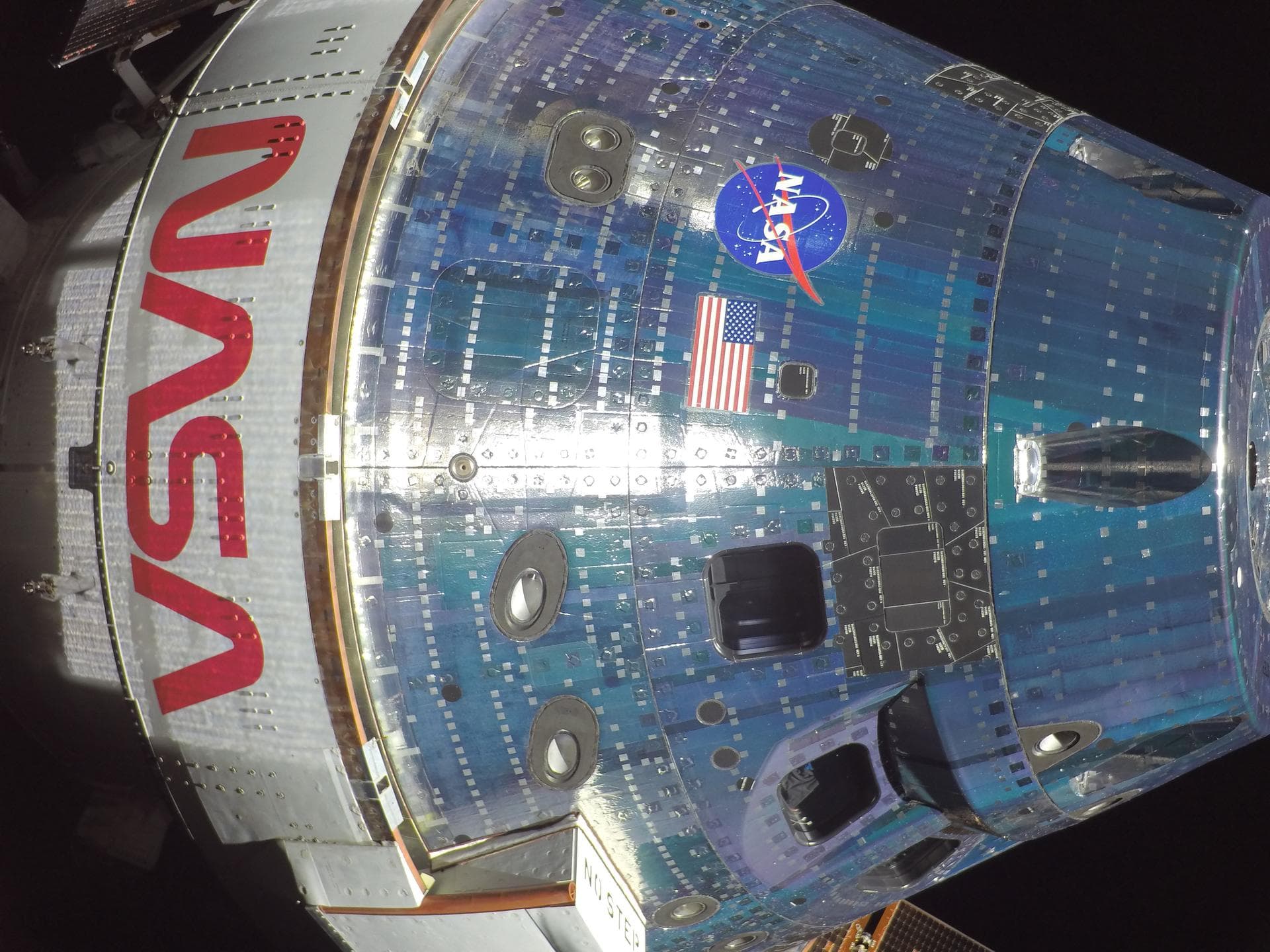
Artemis
Why Artemis Will Change Lunar Exploration
NASA's return to the Moon is designed to become more sustainable, more international, and more ambitious than Apollo.
Read Article →
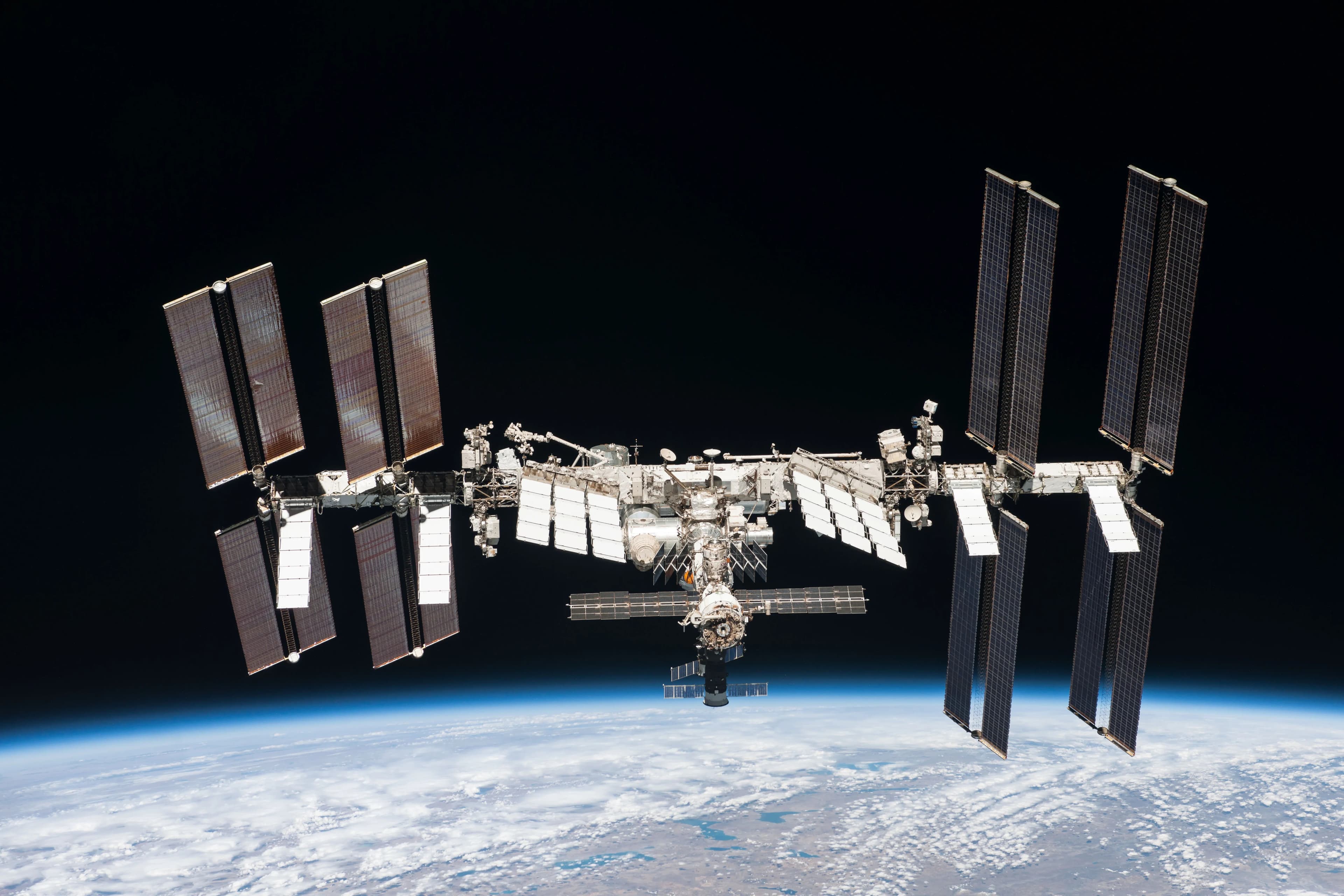
ISS
Life 250 Miles Above Earth
Inside the daily routine of astronauts living and working aboard the International Space Station.
Read Article →