Apollo
Apollo 13
Apollo 13 was intended to become humanity's third lunar landing, but an explosion in an oxygen tank transformed it into one of the greatest rescue missions in history. Through extraordinary teamwork between the crew and Mission Control, NASA safely returned all three astronauts to Earth despite catastrophic spacecraft damage.
Launch
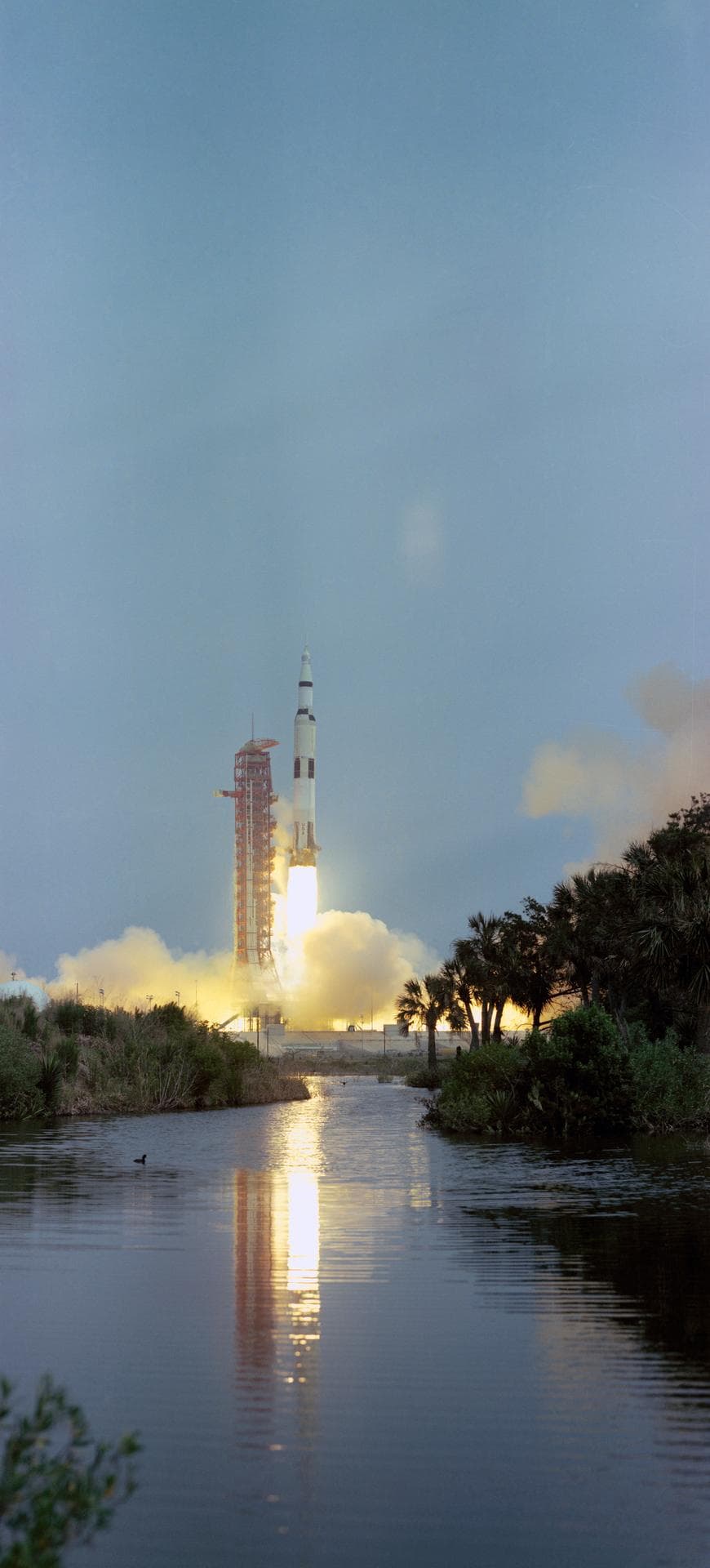
April 11, 1970
Duration
5 days, 22 hours, 54 minutes, 41 seconds
Crew
3 astronauts
Mission record
Apollo archive entry · Successful (Landing Aborted)
Mission Overview
The mission
Apollo 13 was intended to become humanity's third lunar landing, but an explosion in an oxygen tank transformed it into one of the greatest rescue missions in history. Through extraordinary teamwork between the crew and Mission Control, NASA safely returned all three astronauts to Earth despite catastrophic spacecraft damage.
In Depth
The Full Story
Apollo 13 launched on April 11, 1970, carrying Commander Jim Lovell, Command Module Pilot Jack Swigert, and Lunar Module Pilot Fred Haise toward the Fra Mauro Highlands. The mission was expected to continue the increasingly scientific exploration begun by Apollo 12, with astronauts planning to investigate one of the Moon's oldest geological formations.
Only two days into the mission, everything changed.
At 55 hours and 54 minutes into the flight, Mission Control requested a routine cryogenic tank stir. Moments after Jack Swigert activated the fans inside oxygen tank number two, a damaged wire ignited insulation inside the tank. The resulting explosion destroyed the oxygen tank, crippled a second oxygen tank, and severely damaged the Service Module.
Within seconds, Apollo 13 lost most of its electrical power generation, oxygen reserves, and the ability to support a normal lunar landing mission. Swigert calmly radioed the now-famous words, "Houston, we've had a problem."
As Mission Control assessed the rapidly worsening situation, Flight Director Gene Kranz and hundreds of engineers realized the crew's only chance of survival was to use the Lunar Module Aquarius as an emergency lifeboat. Designed to support two astronauts on the Moon for approximately forty-five hours, Aquarius would instead have to keep three astronauts alive for nearly four days in deep space.
The lunar landing was immediately abandoned. Instead, Apollo 13 swung around the far side of the Moon on a free-return trajectory that used the Moon's gravity to send the damaged spacecraft back toward Earth.
Over the following days, astronauts and engineers solved one life-threatening problem after another. They developed new navigation procedures after shutting down the Command Module, created improvised methods to remove dangerous carbon dioxide using only materials available onboard, dramatically reduced electrical power consumption, conserved water, and devised an entirely new startup procedure for a nearly powerless spacecraft before reentry.
Against overwhelming odds, Apollo 13 safely splashed down in the Pacific Ocean on April 17, 1970. Although it never landed on the Moon, the mission became one of NASA's finest demonstrations of engineering, teamwork, leadership, and human resilience.
Mission Details
Official Designation
Apollo 13
Mission Type
Crewed Lunar Mission & Emergency Return
Launch Date
April 11, 1970
Mission Duration
5 days, 22 hours, 54 minutes, 41 seconds
Crew Size
3 Astronauts
Commander
James A. Lovell Jr.
Command Module Pilot
John L. 'Jack' Swigert Jr.
Lunar Module Pilot
Fred W. Haise Jr.
Command Module
CSM-109 'Odyssey'
Lunar Module
LM-7 'Aquarius'
Launch Vehicle
Saturn V AS-508
Launch Site
Launch Complex 39A
Planned Landing Site
Fra Mauro Highlands
Closest Approach to Moon
Approximately 158 miles (254 km)
Mission Result
Successful (Landing Aborted)
Historic Achievement
Greatest Crew Rescue in NASA History
Famous Quote
"Houston, we've had a problem."
Emergency Lifeboat
Lunar Module Aquarius
Recovery Ship
USS Iwo Jima
Primary Cause
Oxygen Tank No. 2 Explosion
Mission by the Numbers
Mission Statistics
Mission Type
Crewed Lunar Mission & Emergency Return
Launch Vehicle
Saturn V AS-508
Crew
3 astronauts
Status
Successful (Landing Aborted)
The People Behind the Mission
Crew
The astronauts assigned to command, operate, and carry out the mission.
Commander
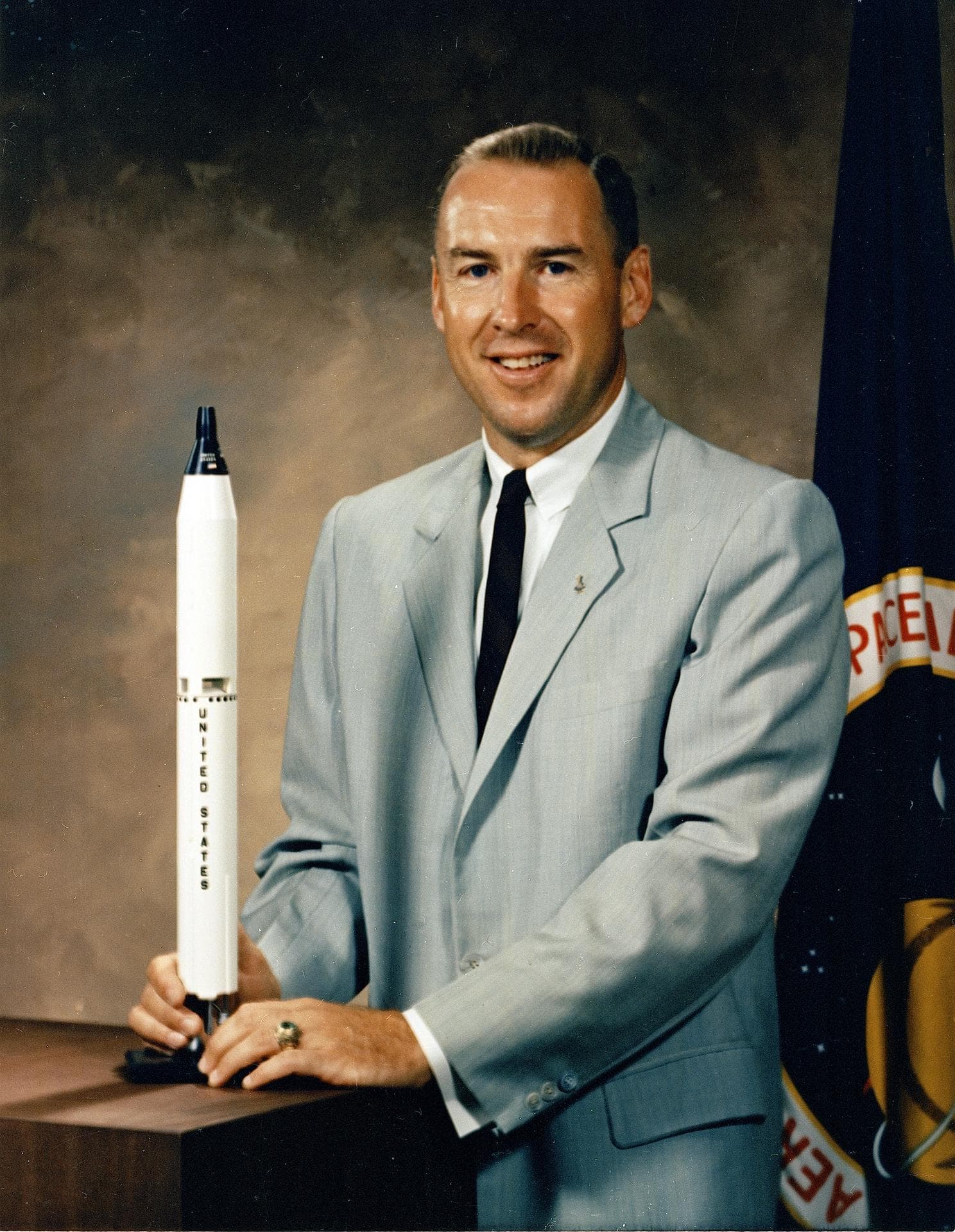
Jim Lovell
Jim Lovell flew Gemini 7 and commanded Gemini 12 before flying to the Moon twice, first aboard Apollo 8 and then as commander of the aborted Apollo 13 mission.
View Astronaut →

Command Module Pilot
John L. 'Jack' Swigert Jr.
Jack Swigert joined the Apollo 13 crew just three days before launch and radioed the famous words, "Houston, we've had a problem," after an oxygen tank exploded en route to the Moon.
View Astronaut →

Lunar Module Pilot
Fred W. Haise Jr.
Fred Haise trained to become the sixth person to walk on the Moon as Apollo 13's Lunar Module Pilot, only for an oxygen tank explosion to turn the mission into a fight to get home alive.
View Astronaut →
Mission Goals
Mission objectives
- 01
Land astronauts in the Fra Mauro Highlands.
- 02
Conduct two lunar surface EVAs.
- 03
Deploy the Apollo Lunar Surface Experiments Package (ALSEP).
- 04
Collect geological samples from Fra Mauro.
- 05
Investigate material excavated by the Imbrium impact.
- 06
Continue Apollo lunar exploration objectives.
- 07
Safely transport astronauts to lunar orbit.
- 08
Demonstrate precision lunar landing capability.
- 09
Return lunar samples to Earth.
- 10
Safely recover the crew after splashdown.
- 11
Following the accident, preserve crew survival.
- 12
Use Aquarius as an emergency lifeboat.
- 13
Safely navigate around the Moon.
- 14
Restore Command Module functionality before reentry.
- 15
Return all three astronauts safely to Earth.
Fascinating Details
Did You Know?
Key did you know? recorded for this mission.
Jack Swigert was added to the crew only three days before launch after Ken Mattingly was exposed to German measles.
The oxygen tank explosion occurred during what was expected to be a routine cryogenic tank stir.
Apollo 13 never entered lunar orbit but still traveled around the far side of the Moon.
Aquarius was designed to support two astronauts for about 45 hours but successfully sustained three astronauts for nearly four days.
The famous improvised carbon dioxide scrubber became known as the 'mailbox' because of its box-like appearance.
Cabin temperatures dropped to near-freezing as the crew conserved every possible watt of electrical power.
The astronauts survived on far less water than originally planned during the return journey.
Mission Control created an entirely new low-power startup procedure for the Command Module that had never been tested before.
Jim Lovell manually aligned the spacecraft using Earth's terminator after many navigation systems were unavailable.
The crew did not fully realize the extent of the Service Module damage until it was jettisoned before reentry.
Apollo 13 returned no lunar samples, yet its engineering lessons influenced every later crewed spacecraft design.
Gene Kranz later described Apollo 13 as NASA's 'finest hour' because of the teamwork displayed by the astronauts and Mission Control.
The phrase 'Failure is not an option' became closely associated with Apollo 13, although it was popularized later and was not actually spoken during the mission.
Apollo 13 demonstrated the value of redundancy, systems engineering, and calm decision-making under extreme pressure.
The mission remains one of the greatest examples of successful crisis management in modern history.
Mission Timeline
April 11, 1970 · 2:13 p.m. EST
Launch
Apollo 13 lifted off aboard Saturn V AS-508 from Kennedy Space Center, beginning NASA's third planned lunar landing mission.
Earth Orbit
Parking Orbit
Following a successful launch, Apollo 13 entered temporary Earth orbit while engineers confirmed spacecraft health before committing the crew to the Moon.
Trans-Lunar Injection
Departure for the Moon
The S-IVB third stage successfully accelerated Apollo 13 onto its translunar trajectory toward the Fra Mauro Highlands landing site.
Deep Space
Routine Flight Operations
The crew completed television broadcasts, navigation updates, spacecraft inspections, and routine systems checks during the outbound journey.
April 13, 1970 · 55:54 GET
Cryogenic Tank Stir
Mission Control instructed Jack Swigert to perform a routine stir of the spacecraft's cryogenic oxygen tanks, a standard procedure performed on previous Apollo missions.
Seconds Later
Oxygen Tank Explosion
An electrical short inside oxygen tank number two caused a catastrophic explosion that destroyed one tank, damaged the second, and ruptured part of the Service Module, placing the crew in immediate danger.
Immediately After
"Houston, We've Had a Problem"
Jack Swigert reported the emergency to Mission Control. Jim Lovell quickly confirmed that the spacecraft was losing oxygen, electrical power, and fuel cell capability.
Emergency Response
Lunar Landing Aborted
Mission Control immediately abandoned the lunar landing and shifted the mission's objective from exploration to crew survival and safe return.
Emergency Procedures
Aquarius Becomes a Lifeboat
With the Command Module rapidly losing electrical power and oxygen, the crew powered up the Lunar Module Aquarius. Designed to support two astronauts on the Moon for about 45 hours, it would now keep three astronauts alive for nearly four days.
Outbound Trajectory
Free-Return Course
Mission Control confirmed Apollo 13 could safely swing around the far side of the Moon using a free-return trajectory, allowing lunar gravity to redirect the spacecraft toward Earth.
April 14, 1970
Power Conservation
To preserve enough battery power for reentry, nearly every nonessential system aboard both spacecraft was shut down. Cabin temperatures dropped close to freezing while water consumption was drastically reduced.
Approaching the Moon
PC+2 Burn
Using Aquarius' descent engine, the crew performed the Pericynthion Plus Two burn, increasing their return speed and shortening the trip home by approximately ten hours while conserving vital consumables.
Far Side of the Moon
Closest Approach
Apollo 13 passed behind the Moon at an altitude of approximately 158 miles (254 kilometers). Although no landing would occur, the spacecraft completed its swing around the Moon and began heading home.
Return Journey
Carbon Dioxide Crisis
Carbon dioxide levels inside Aquarius began rising because its lithium hydroxide canisters were not designed to support three astronauts for several days. Engineers on Earth rapidly designed an improvised adapter using only materials available aboard the spacecraft.
Improvised Engineering
"Mailbox" CO₂ Adapter
Following instructions from Mission Control, the crew built an emergency carbon dioxide scrubber using plastic bags, cardboard, hoses, checklists, and duct tape. The improvised device successfully removed dangerous carbon dioxide from the cabin.
Return Flight
Manual Navigation
With several navigation systems unavailable, Jim Lovell used the Earth and Sun as visual references to manually align the spacecraft for critical engine burns.
Before Reentry
Command Module Power-Up
Engineers developed an entirely new low-power startup sequence for Odyssey, allowing the nearly powerless Command Module to be safely reactivated just hours before reentry.
April 17, 1970
Service Module Inspection
After separating from the damaged Service Module, the crew saw extensive external damage, including an entire side panel missing. It was the first opportunity to visually confirm the severity of the explosion.
April 17, 1970
Lunar Module Jettison
Aquarius, the spacecraft that had kept the crew alive for four days, was released shortly before Earth reentry after serving as an emergency lifeboat.
April 17, 1970
Reentry
Odyssey successfully reentered Earth's atmosphere after one of the most complex spacecraft recoveries ever attempted, surviving the expected communications blackout before parachute deployment.
April 17, 1970
Splashdown
Apollo 13 safely splashed down in the South Pacific, where USS Iwo Jima recovered the crew, bringing one of NASA's greatest rescue missions to a successful conclusion.
Mission Complete
Successful Failure
Although Apollo 13 never landed on the Moon, NASA considered the mission a successful failure because every astronaut survived despite overwhelming odds and catastrophic spacecraft damage.
Mission Legacy
Legacy
Apollo 13 stands as one of the greatest engineering rescues ever accomplished.
Although its original objective was lost only two days into the mission, Apollo 13 became a defining demonstration of human ingenuity, teamwork, and determination. Every member of the flight crew, Mission Control, engineering teams, contractors, and support personnel contributed to solving problems that had never been encountered before in human spaceflight.
The mission exposed weaknesses in spacecraft design and operating procedures, leading NASA to redesign oxygen tanks, electrical systems, cryogenic equipment, and emergency procedures for future Apollo missions. These improvements significantly increased the safety of every subsequent lunar flight.
Apollo 13 also became a model for crisis management. Rather than relying on luck, the crew survived because of disciplined training, clear communication, engineering expertise, and the ability to improvise under extraordinary circumstances. Solutions such as the improvised carbon dioxide scrubber and the emergency Command Module power-up sequence remain classic examples of practical engineering under severe constraints.
Perhaps Apollo 13's greatest legacy is that it changed how history defines success. The mission did not accomplish its intended goal, yet it proved that determination, preparation, and collaboration can transform near disaster into one of humanity's finest achievements.
Apollo 13 never left footprints on the Moon. Instead, it left an enduring example of resilience that continues to inspire engineers, astronauts, emergency responders, and problem-solvers around the world.
Mission Photo Archive
Related Stories
Apollo
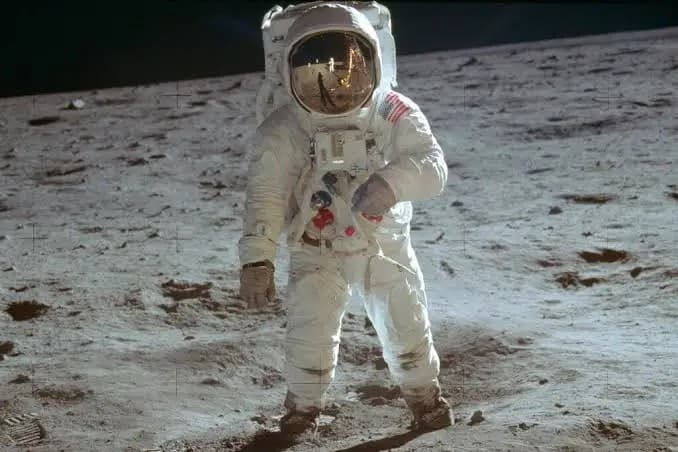
The Moon Photos That Still Feel Impossible
Before social media, astronauts brought back images that changed how humanity saw itself forever.
Read Article →
Artemis
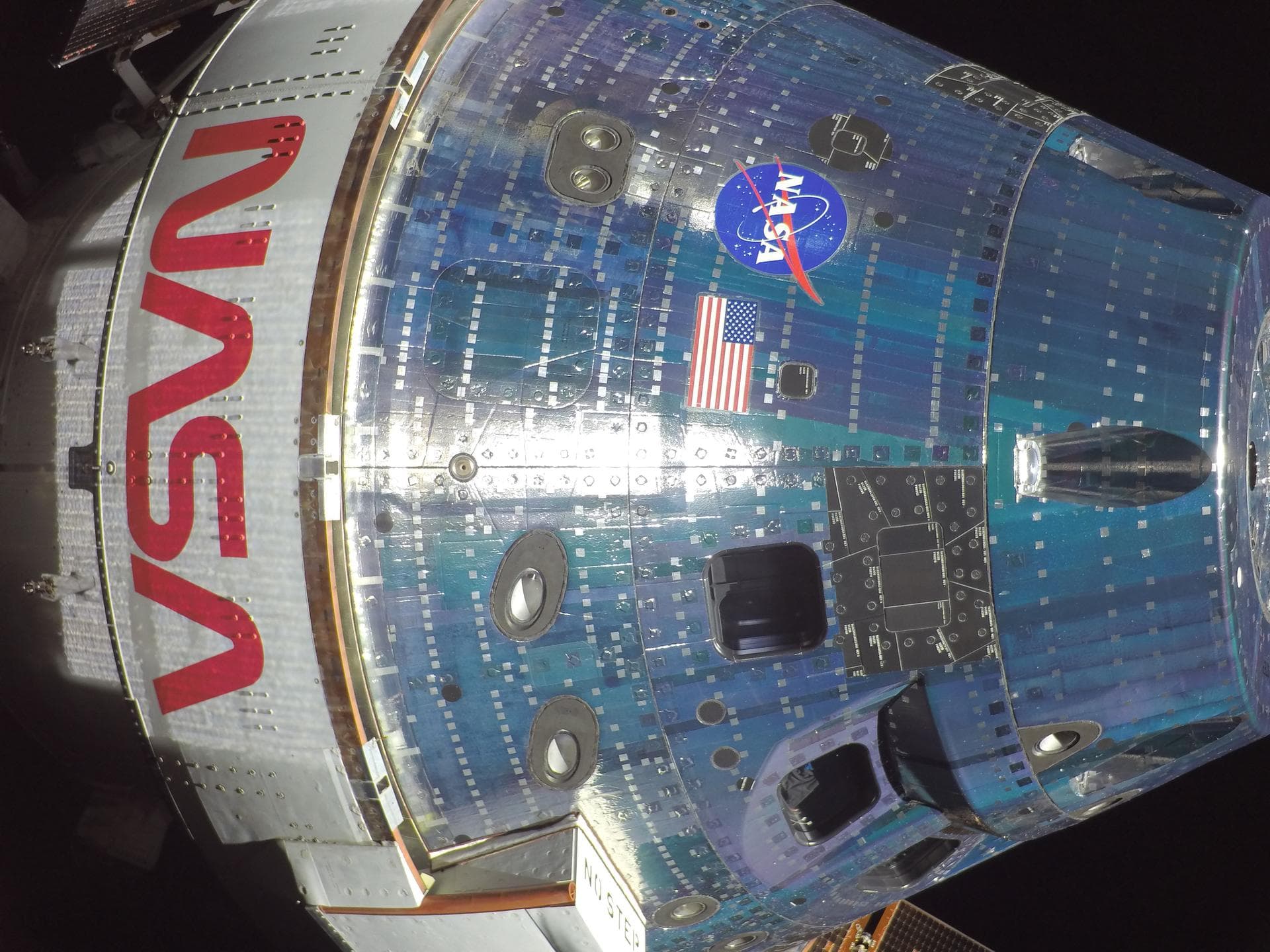
Why Artemis Will Change Lunar Exploration
NASA's return to the Moon is designed to become more sustainable, more international, and more ambitious than Apollo.
Read Article →
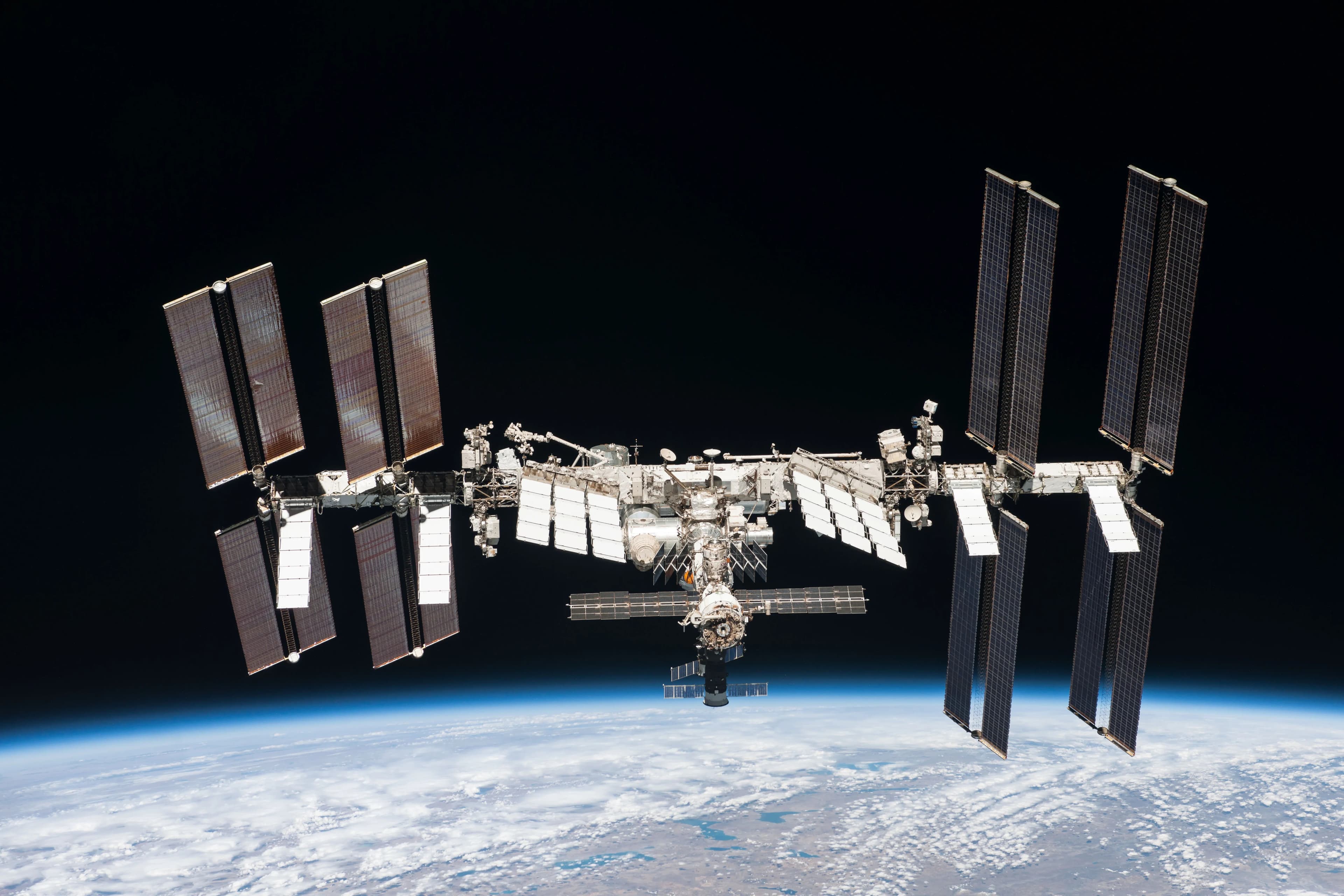
ISS
Life 250 Miles Above Earth
Inside the daily routine of astronauts living and working aboard the International Space Station.
Read Article →