Space Shuttle
STS-71
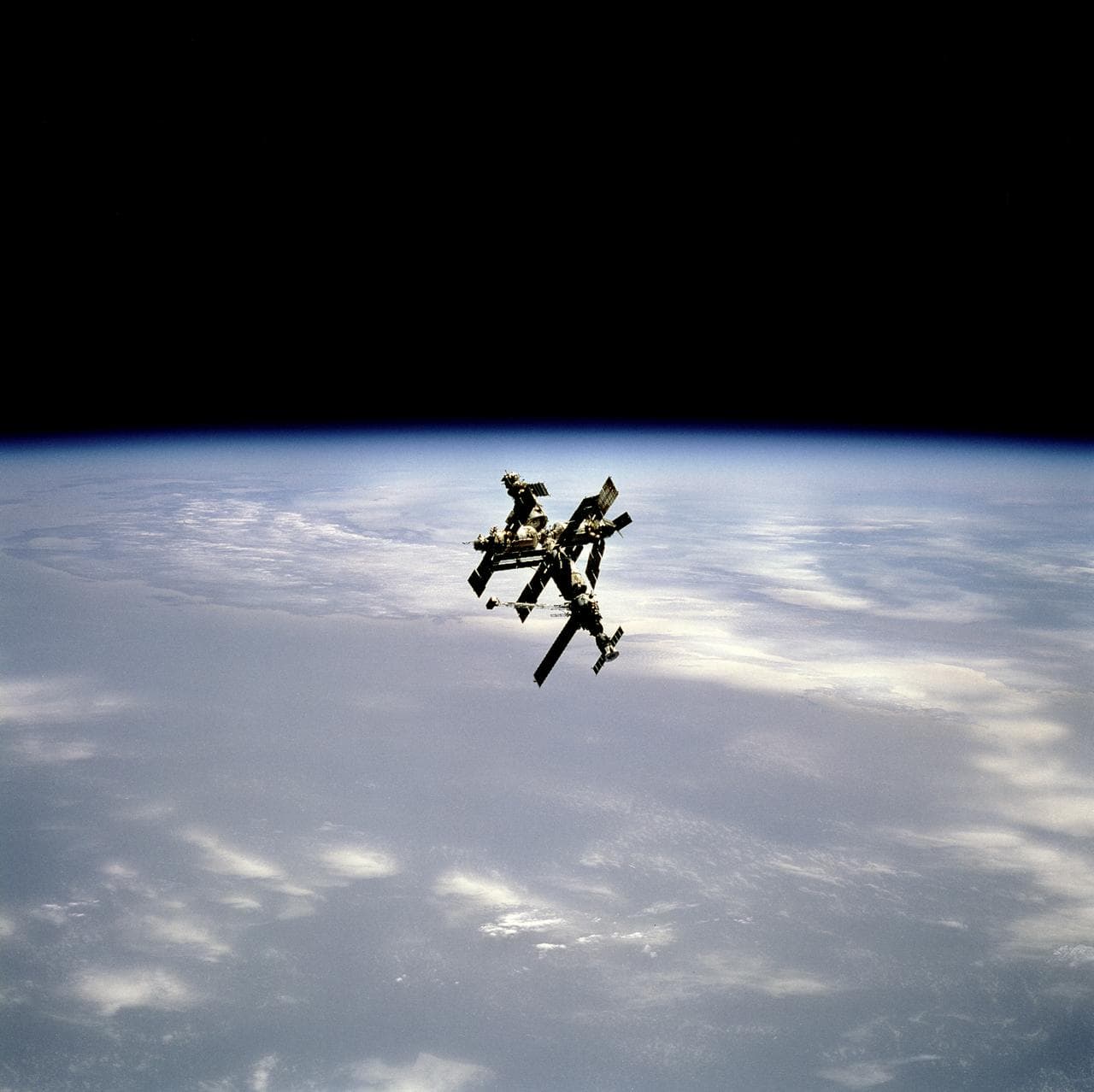
STS-71 made history as the first Space Shuttle docking with the Russian space station Mir, forming the largest spacecraft ever assembled in orbit at the time and beginning a new era of American-Russian cooperation in space.
Launch
June 27, 1995
Duration
9 days, 19 hours, 22 minutes
Crew
2 astronauts
Mission record
Space Shuttle archive entry · Successful
Mission Overview
The mission
STS-71 made history as the first Space Shuttle docking with the Russian space station Mir, forming the largest spacecraft ever assembled in orbit at the time and beginning a new era of American-Russian cooperation in space.
In Depth
The Full Story
STS-71 turned former Cold War rivals into orbital partners. Just a few years after the Soviet Union's collapse, NASA and the Russian space agency began the Shuttle-Mir program, a series of missions designed to prepare both nations for the much larger International Space Station they would soon build together. Atlantis's mission was the first to actually connect the two nations' spacecraft in orbit.
Commanded by Robert Gibson, Atlantis launched on June 27, 1995, and two days later executed history's first docking between an American Space Shuttle and the Russian station Mir, becoming, for a brief period, the largest spacecraft ever assembled in orbit. Gibson personally flew the delicate docking approach, a maneuver that required extraordinary precision to safely join two independently designed spacecraft that had never been engineered to physically connect.
The mission carried out an unusual crew exchange: Atlantis brought a fresh two-person Mir crew to relieve cosmonauts who had been living aboard the station, while bringing home NASA astronaut Norman Thagard, who had spent 115 days aboard Mir as the first American to live on a Russian space station, alongside the two cosmonauts he had been living with. For several days, ten people, seven Americans and Russians from Atlantis and three from Mir, worked together aboard the joined spacecraft, conducting joint experiments and testing procedures that would prove essential once ISS construction began.
Atlantis undocked and returned safely to Kennedy Space Center on July 7, having proven that American and Russian spacecraft, systems, and crews could work together effectively in orbit. Over the following years, seven more Shuttle-Mir docking missions followed, building the operational relationship and technical experience that made the International Space Station possible.
Mission Details
Official Designation
STS-71
Mission Type
First Shuttle-Mir Docking
Launch Date
June 27, 1995
Mission Duration
9 days, 19 hours, 22 minutes
Commander
Robert L. Gibson
Pilot
Charles J. Precourt
Orbiter
Atlantis
Launch Site
Launch Complex 39A, Kennedy Space Center
Docking Target
Mir Space Station
Days Docked to Mir
Approximately 5 days
Mission Result
Successful
Historic Achievement
First Shuttle-Mir Docking
Mission by the Numbers
Mission Statistics
Mission Type
First Shuttle-Mir Docking
Launch Vehicle
Space Shuttle Atlantis
Crew
2 astronauts
Status
Successful
The People Behind the Mission
Crew
The astronauts assigned to command, operate, and carry out the mission.
Commander
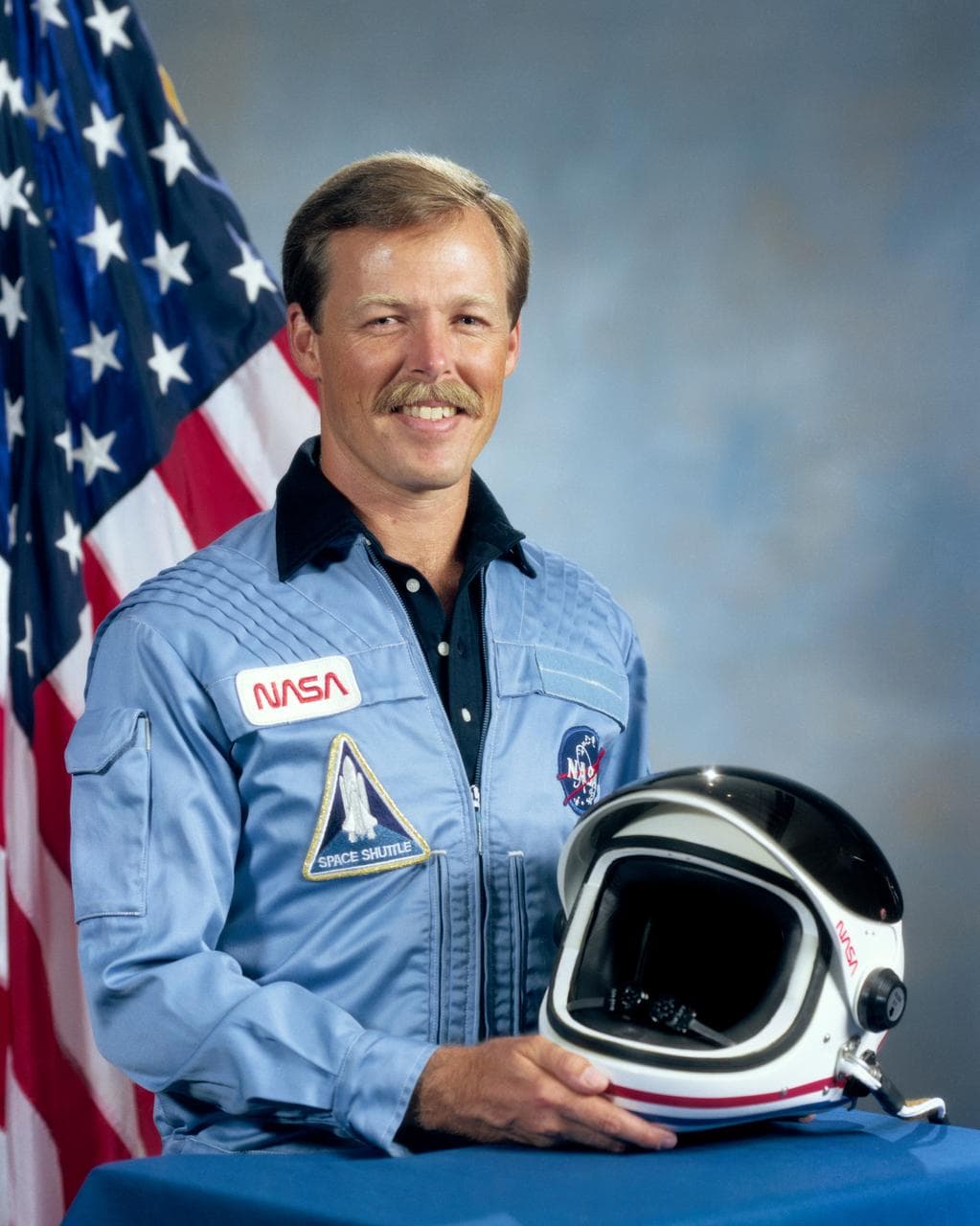
Robert Gibson
Robert 'Hoot' Gibson commanded STS-71, the first Space Shuttle docking with the Russian space station Mir, personally flying the historic docking approach.
View Astronaut →

Pilot
Charles J. Precourt
Charles Precourt flew on STS-71, the first Space Shuttle mission to dock with the Russian space station Mir, then commanded two more Shuttle-Mir docking missions.
View Astronaut →
Mission Goals
Mission objectives
- 01
Achieve the first docking between a Space Shuttle and the Russian space station Mir.
- 02
Exchange a resident Mir crew, bringing home astronaut Norman Thagard after 115 days in space.
- 03
Conduct joint American-Russian scientific experiments aboard the docked spacecraft.
- 04
Test docking and crew transfer procedures ahead of International Space Station construction.
- 05
Deliver supplies and equipment to the Mir station.
Fascinating Details
Did You Know?
Key did you know? recorded for this mission.
The docked Atlantis-Mir combination briefly became the largest spacecraft ever assembled in orbit at the time.
Norman Thagard, returning home aboard Atlantis, had spent 115 days aboard Mir as the first American to live on a Russian space station.
Ten astronauts and cosmonauts worked together aboard the joined spacecraft during the docking period.
STS-71 was the first of nine total Shuttle-Mir docking missions conducted between 1995 and 1998.
The mission built directly on relationships and procedures established just a few years after the end of the Cold War.
Robert Gibson personally flew the historic docking approach, one of the most delicate maneuvers ever attempted with the Shuttle.
The Shuttle-Mir program's lessons directly shaped how the International Space Station was designed and assembled.
Mission Timeline
June 27, 1995 · 3:32 p.m. EST
Launch
Atlantis lifted off from Launch Complex 39A at Kennedy Space Center, carrying a crew that included a fresh two-person team bound for Mir.
June 29, 1995
First Shuttle-Mir Docking
Commander Robert Gibson guided Atlantis to history's first docking between a Space Shuttle and the Russian space station Mir.
Days Docked
Ten Astronauts and Cosmonauts Aboard
For several days, seven Americans and Russians from Atlantis worked alongside three crew members already aboard Mir, conducting joint experiments together.
During Docking
Crew Exchange
Atlantis delivered a new resident crew to Mir and brought home astronaut Norman Thagard, who had spent 115 days aboard the station as the first American to live on a Russian space station.
July 4, 1995
Undocking
Atlantis undocked from Mir after nearly a week joined together, having completed the mission's crew exchange and joint research objectives.
July 7, 1995
Landing
Atlantis landed at Kennedy Space Center, completing the first of nine Shuttle-Mir docking missions that would follow over the coming years.
Mission Legacy
Legacy
STS-71 proved that American and Russian spacecraft, systems, and crews could work together safely and effectively in orbit, a foundational demonstration that made the International Space Station's later multinational construction possible.
The mission's crew exchange procedures, docking techniques, and joint operations directly shaped how NASA and Russia's space agency would collaborate on the ISS just a few years later, avoiding costly trial and error once station construction began in earnest.
Beyond its technical achievements, STS-71 carried real symbolic weight, transforming two nations that had spent decades racing each other in space into genuine partners, a relationship that has continued aboard the International Space Station for more than two decades since.
Mission Photo Archive
Related Stories
Apollo
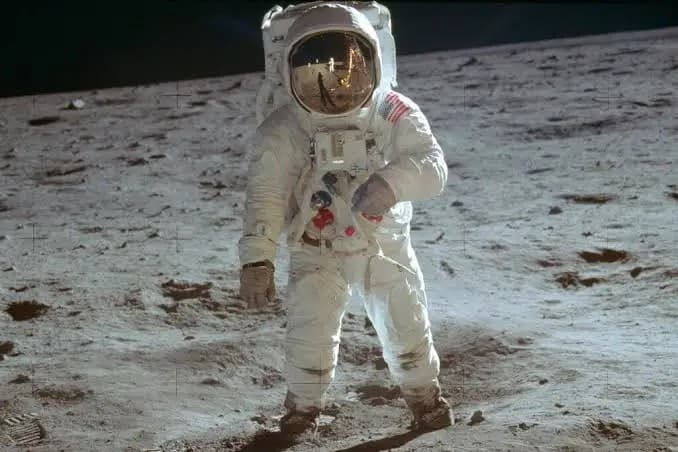
The Moon Photos That Still Feel Impossible
Before social media, astronauts brought back images that changed how humanity saw itself forever.
Read Article →
Artemis
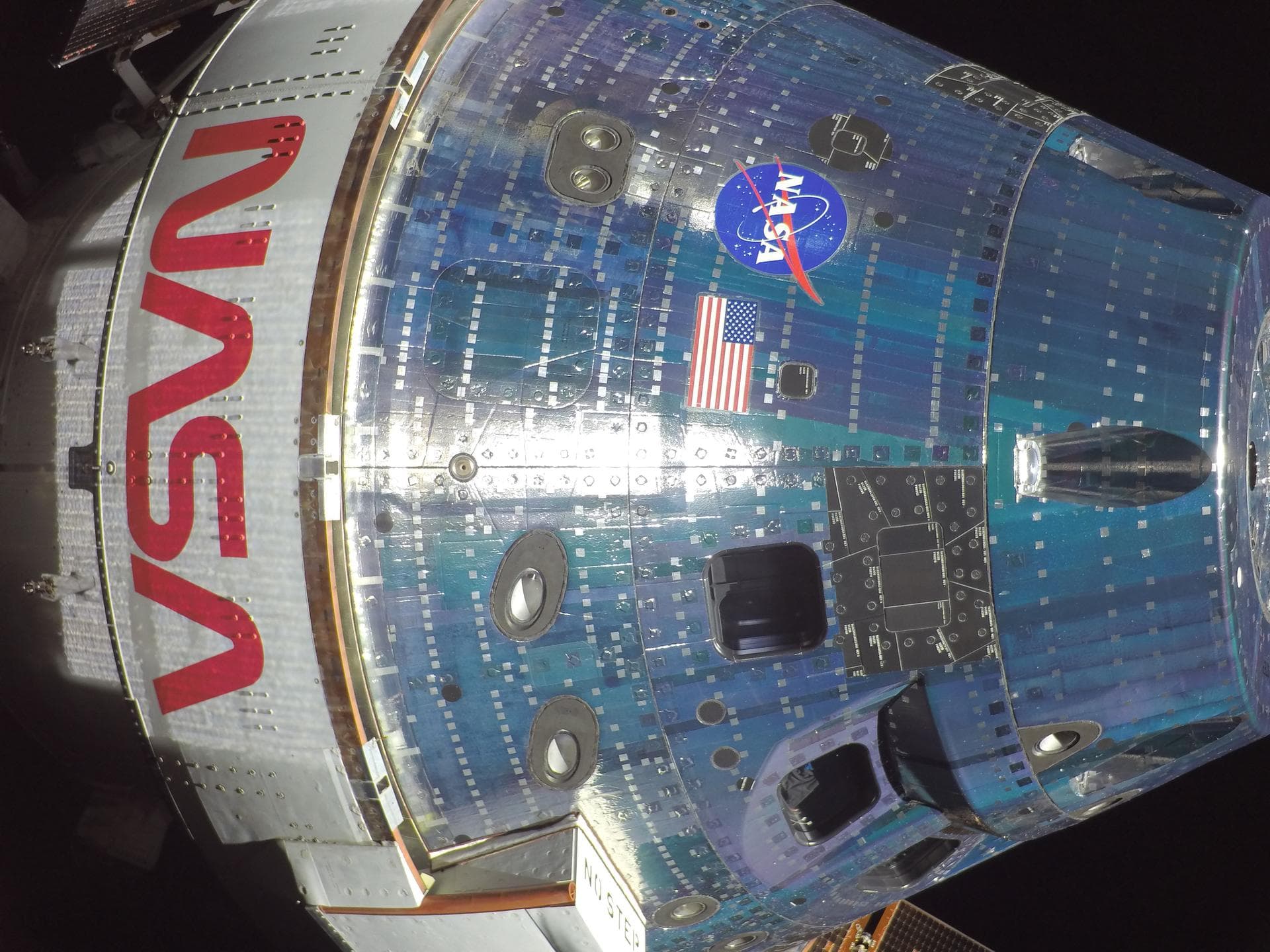
Why Artemis Will Change Lunar Exploration
NASA's return to the Moon is designed to become more sustainable, more international, and more ambitious than Apollo.
Read Article →
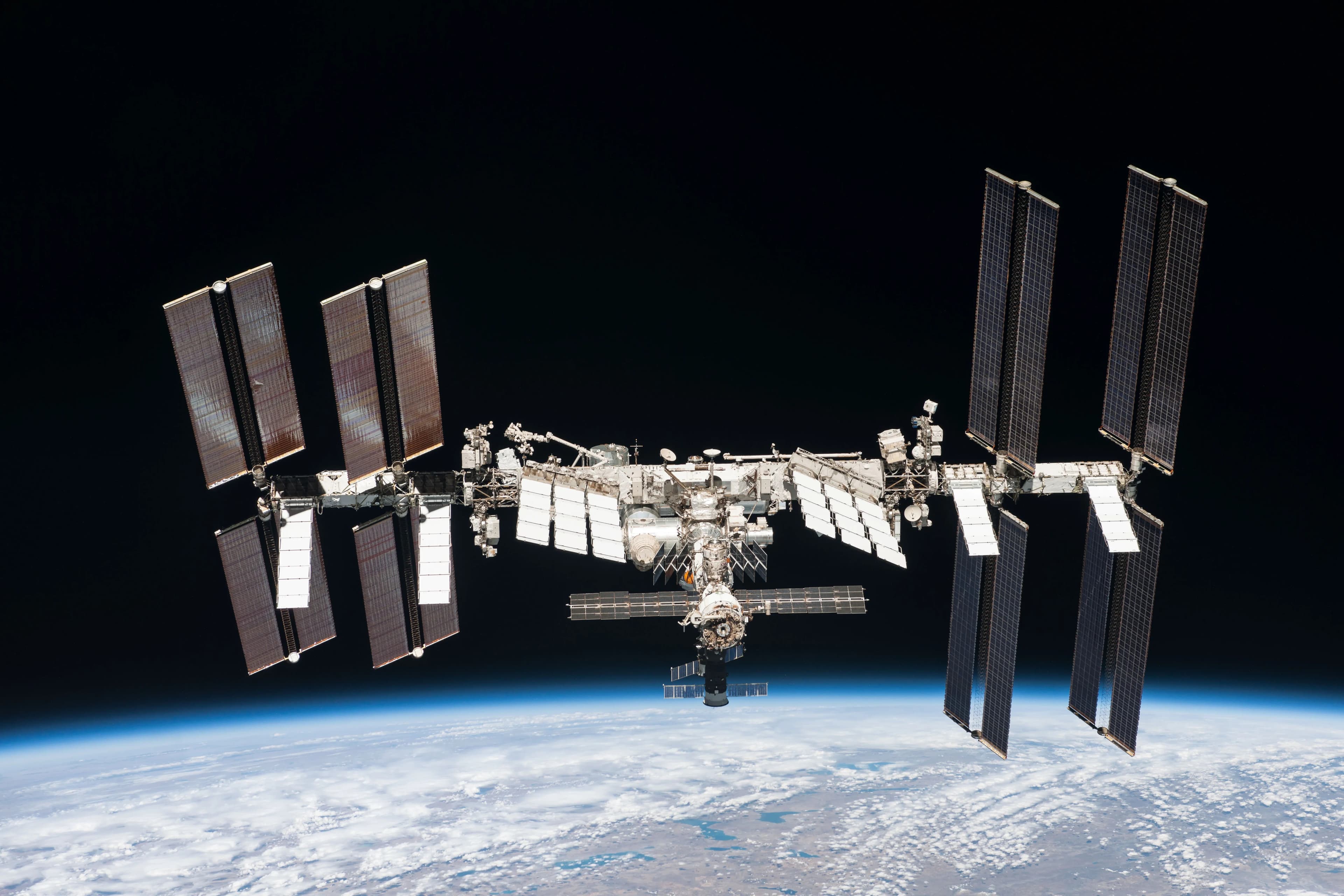
ISS
Life 250 Miles Above Earth
Inside the daily routine of astronauts living and working aboard the International Space Station.
Read Article →