Space Shuttle
STS-1
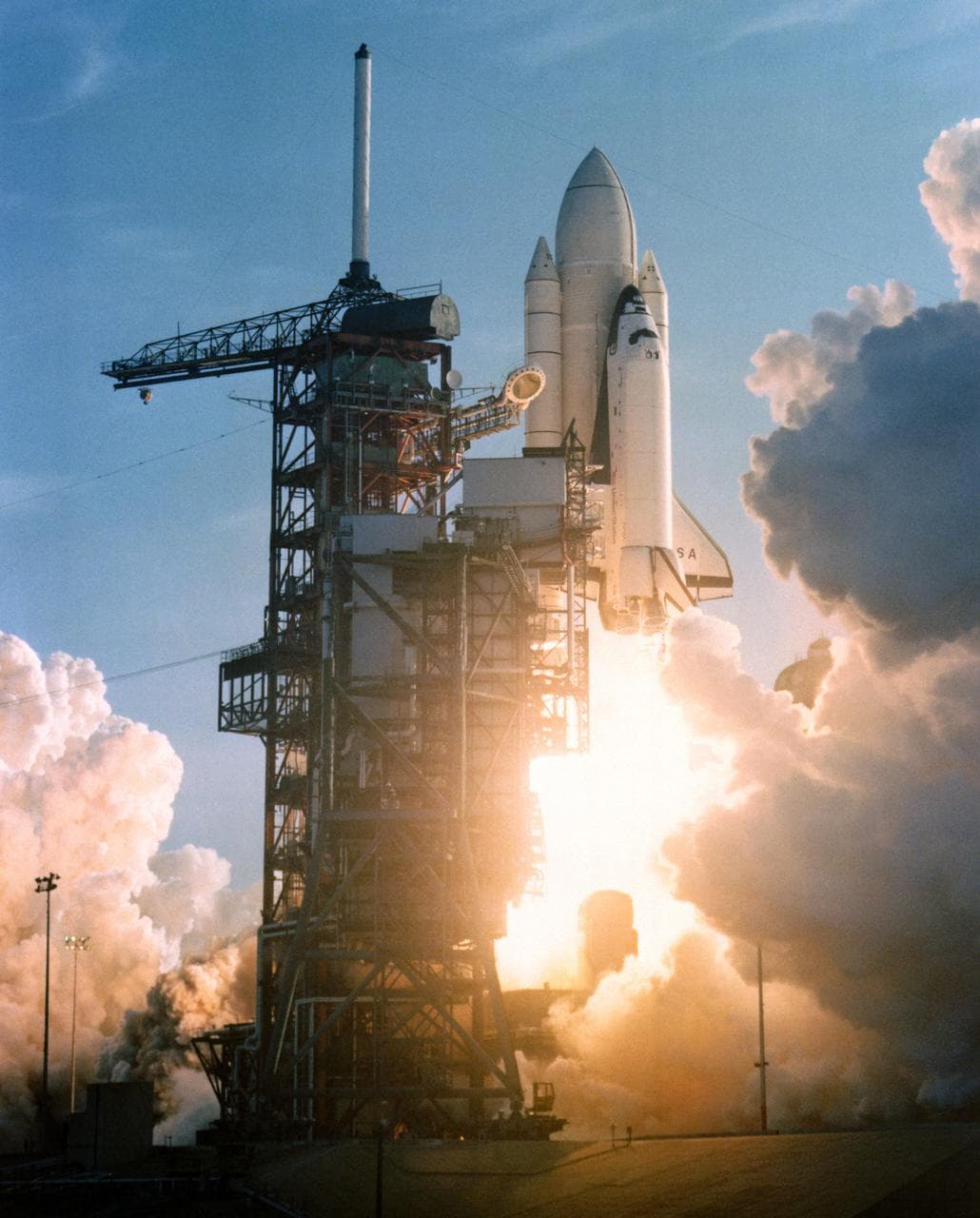
STS-1 was the first flight of the Space Shuttle program, sending veteran astronaut John Young and rookie Robert Crippen aboard Columbia on the first-ever crewed test flight of a completely new spacecraft design.
Launch
April 12, 1981
Duration
2 days, 6 hours, 20 minutes
Crew
2 astronauts
Mission record
Space Shuttle archive entry · Successful
Mission Overview
The mission
STS-1 was the first flight of the Space Shuttle program, sending veteran astronaut John Young and rookie Robert Crippen aboard Columbia on the first-ever crewed test flight of a completely new spacecraft design.
In Depth
The Full Story
STS-1 carried a level of risk NASA had not accepted since the earliest days of human spaceflight. Every previous American crewed spacecraft, Mercury, Gemini, and Apollo, had first flown uncrewed before astronauts ever rode aboard. Columbia's first flight broke that pattern entirely: April 12, 1981 would be the very first time the Space Shuttle flew, with two astronauts already inside.
Commander John Young, already a veteran of four previous spaceflights including a Moon landing on Apollo 16, and rookie pilot Robert Crippen lifted off from Kennedy Space Center aboard a spacecraft unlike anything that had flown before, a winged orbiter launched vertically on solid rocket boosters and an external fuel tank, designed to glide back to a runway landing rather than splash down under parachutes.
The flight tested nearly every system on the new vehicle across 36 orbits of Earth over just over two days. Post-flight inspection revealed that several of Columbia's heat-resistant tiles had been lost or damaged during launch, a problem that raised concern but did not compromise the mission's safety. Young and Crippen also discovered during ascent that the shockwave from the solid rocket boosters had caused more structural stress than engineers predicted, a finding that led to design changes for future flights.
On April 14, Young guided Columbia through a fiery reentry and glided the orbiter to a smooth, unpowered landing on a dry lakebed runway at Edwards Air Force Base in California, the first time a crewed spacecraft had ever landed like an airplane. The successful flight proved that the Shuttle's radical design, reusable, winged, and capable of runway landings, actually worked, opening a new thirty-year chapter in American human spaceflight.
Mission Details
Official Designation
STS-1
Mission Type
First Space Shuttle Flight
Launch Date
April 12, 1981
Mission Duration
2 days, 6 hours, 20 minutes
Commander
John W. Young
Pilot
Robert L. Crippen
Orbiter
Columbia
Launch Site
Launch Complex 39A, Kennedy Space Center
Landing Site
Edwards Air Force Base, California
Orbits Completed
36
Mission Result
Successful
Historic Achievement
First Crewed Flight of a New Spacecraft Design
Mission by the Numbers
Mission Statistics
Mission Type
First Space Shuttle Flight
Launch Vehicle
Space Shuttle Columbia
Crew
2 astronauts
Status
Successful
The People Behind the Mission
Crew
The astronauts assigned to command, operate, and carry out the mission.
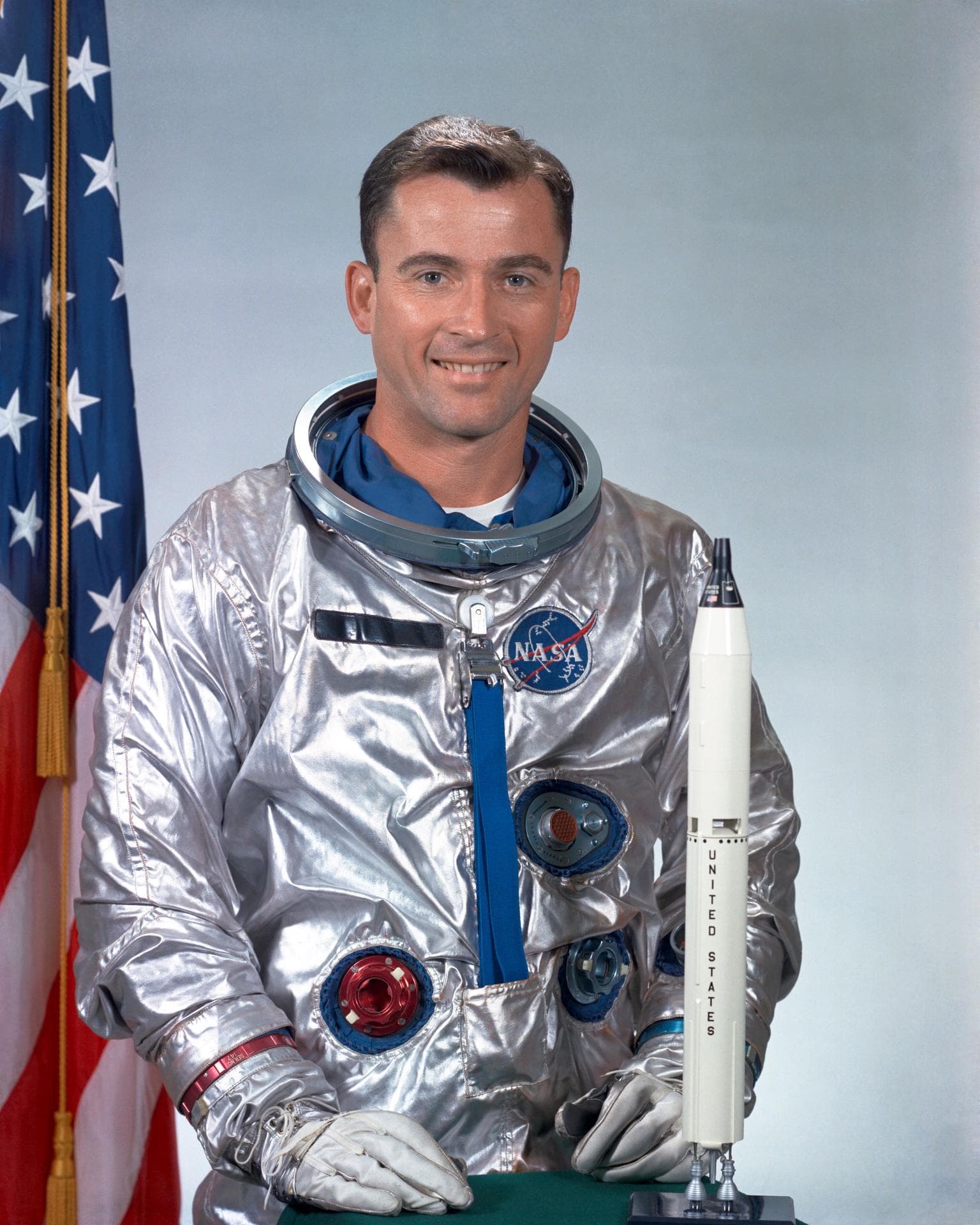
Commander
John Young
John Young flew on Gemini 3 and 10, commanded Apollo 16 to the Moon, and later commanded the very first Space Shuttle flight, becoming the only astronaut to fly Gemini, Apollo, and the Shuttle.
View Astronaut →
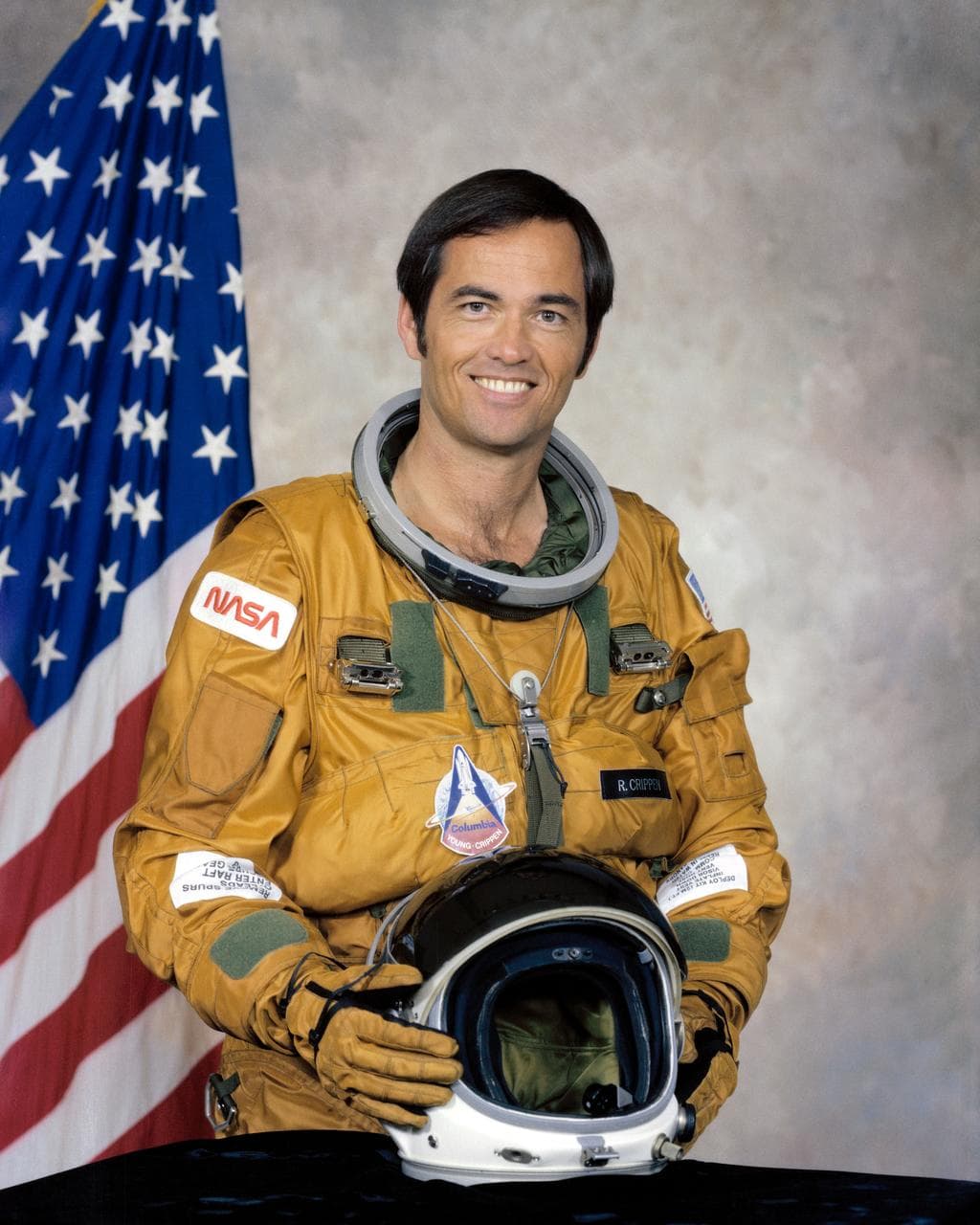
Pilot
Robert Crippen
Robert Crippen piloted STS-1, the first Space Shuttle flight, and later commanded three more Shuttle missions.
View Astronaut →
Mission Goals
Mission objectives
- 01
Conduct the first crewed test flight of the Space Shuttle Columbia.
- 02
Verify the orbiter's structural integrity and flight systems during ascent, orbit, and reentry.
- 03
Test the Shuttle's thermal protection tile system under real flight conditions.
- 04
Demonstrate a controlled, unpowered runway landing from orbit.
- 05
Validate ground support and mission control procedures for the new Shuttle program.
Fascinating Details
Did You Know?
Key did you know? recorded for this mission.
STS-1 was the first American crewed spacecraft to carry astronauts on its very first flight, with no prior uncrewed test.
John Young was already a four-time spaceflight veteran, including walking on the Moon during Apollo 16.
Columbia's ascent produced more structural stress than engineers predicted, due to shockwaves from the solid rocket boosters.
Several heat-resistant tiles were found damaged or missing after launch, though none critically compromised the mission.
Columbia's landing at Edwards Air Force Base was the first time a crewed spacecraft glided to an unpowered runway landing.
Young reportedly wanted to know about the tile damage during the flight but was not told until after landing, to avoid unnecessary worry.
The Space Shuttle program would go on to fly 135 missions over the next thirty years.
Mission Timeline
April 12, 1981 · 7:00 a.m. EST
Launch
Columbia lifted off from Launch Complex 39A at Kennedy Space Center, the first crewed flight of the Space Shuttle program, with John Young and Robert Crippen aboard.
Ascent
Unexpected Structural Loads
Sensors revealed that shockwaves from the solid rocket boosters caused more structural stress on the orbiter than engineers had predicted, prompting design reviews for later flights.
In Orbit
Tile Damage Discovered
Using cameras and coordination with ground observers, the crew and Mission Control identified that several heat-resistant tiles had been lost or damaged during launch.
36 Orbits
Systems Testing
Young and Crippen spent just over two days testing Columbia's flight systems, cabin environment, and orbital maneuvering capabilities.
April 14, 1981
Reentry and Landing
Columbia reentered the atmosphere and glided to a smooth, unpowered landing on a dry lakebed runway at Edwards Air Force Base, the first crewed spacecraft to land like an airplane.
Mission Legacy
Legacy
STS-1 proved that NASA's most radical spacecraft design yet, reusable, winged, and capable of a runway landing, could actually fly safely with a crew aboard on its very first attempt, an outcome far from guaranteed given how many new, untested systems the mission relied on.
The tile damage and unexpected structural loads discovered during the flight directly shaped engineering improvements carried into subsequent missions, part of a broader pattern of the Shuttle program continuously refining its systems across three decades of operation.
John Young and Robert Crippen's successful flight opened the Space Shuttle era, a program that would go on to build the International Space Station, deploy and repair the Hubble Space Telescope, and fly 135 missions before its retirement in 2011, fundamentally reshaping how the United States approached human spaceflight.
Mission Photo Archive
Related Stories
Apollo
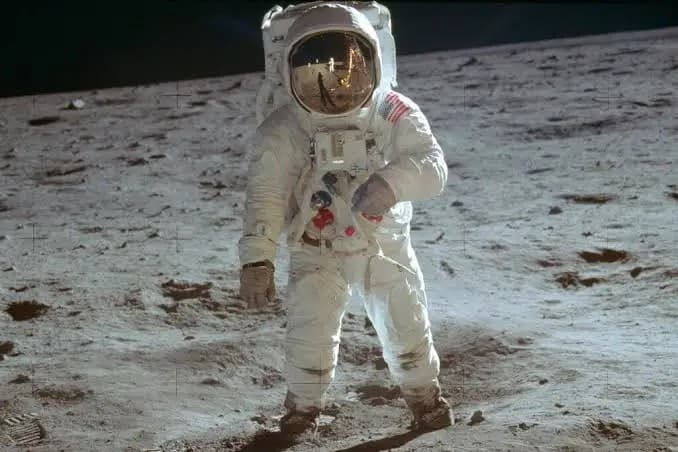
The Moon Photos That Still Feel Impossible
Before social media, astronauts brought back images that changed how humanity saw itself forever.
Read Article →
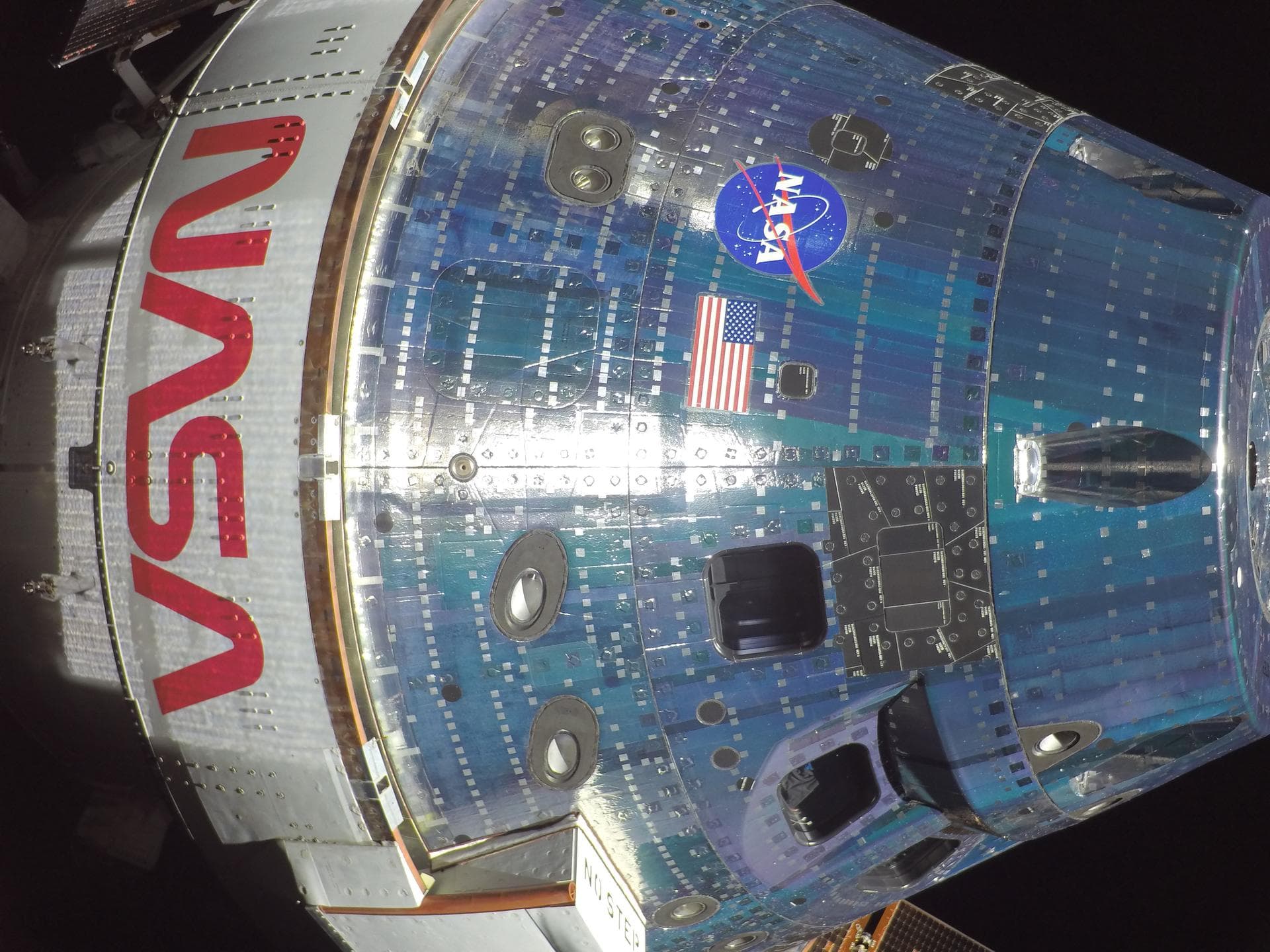
Artemis
Why Artemis Will Change Lunar Exploration
NASA's return to the Moon is designed to become more sustainable, more international, and more ambitious than Apollo.
Read Article →
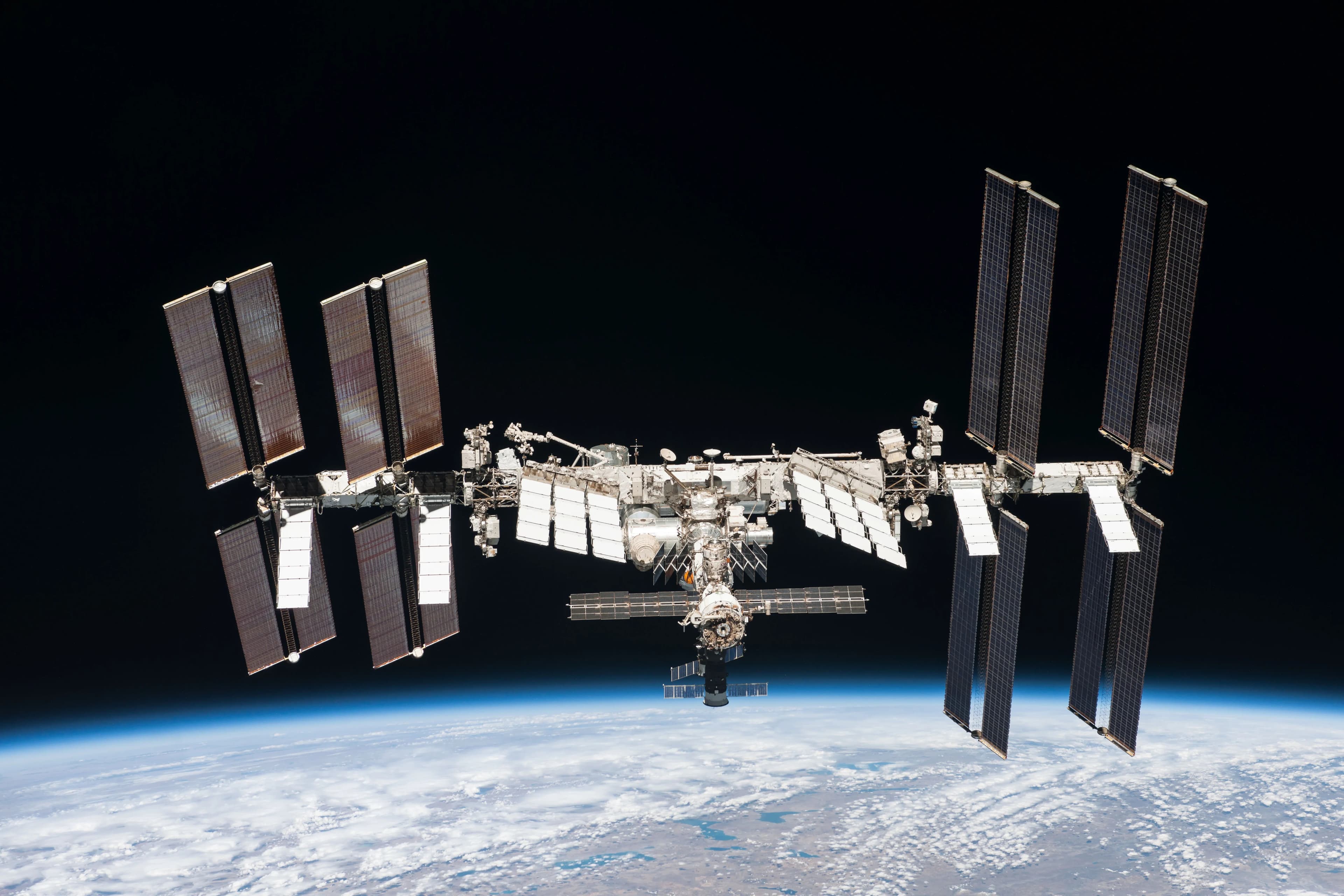
ISS
Life 250 Miles Above Earth
Inside the daily routine of astronauts living and working aboard the International Space Station.
Read Article →