Apollo
Apollo 10
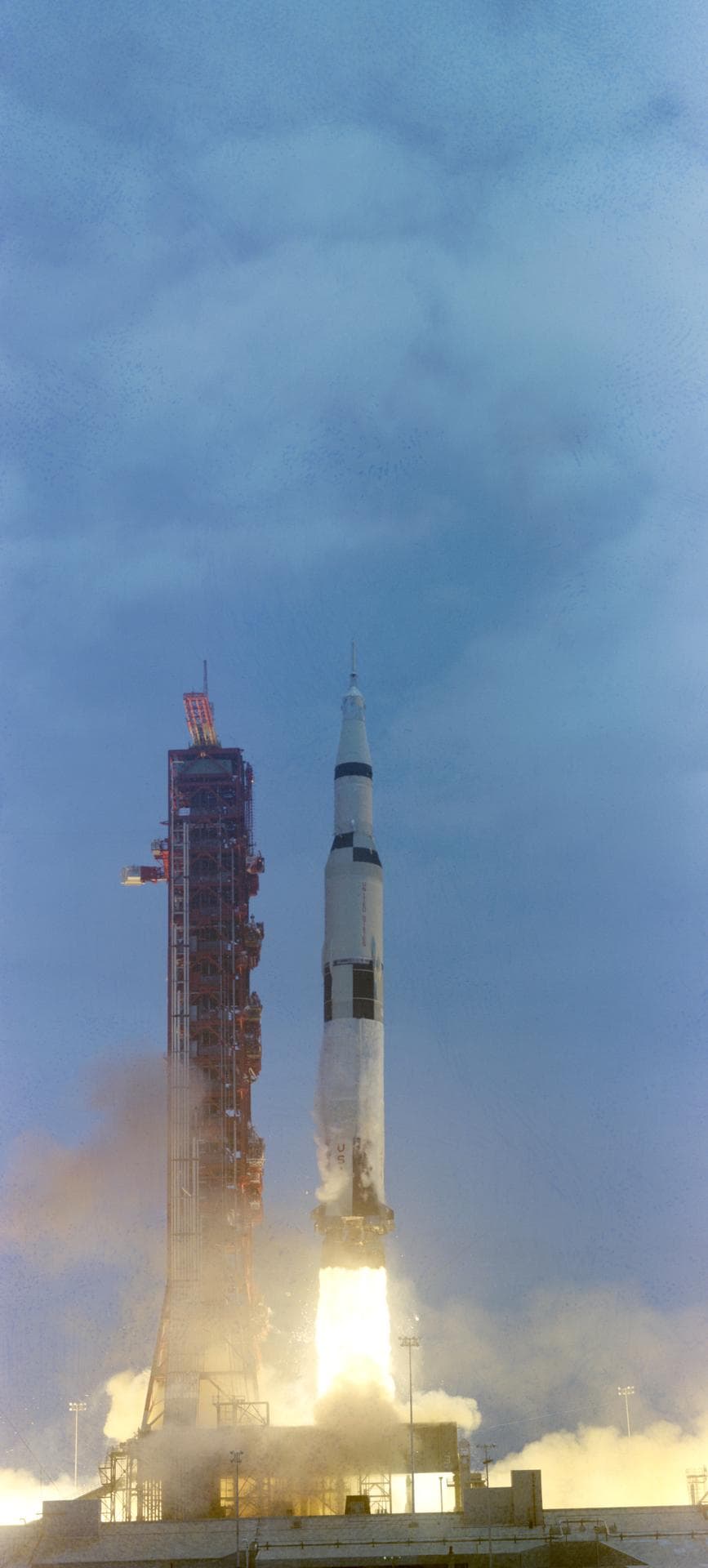
Apollo 10 was NASA's complete dress rehearsal for the first Moon landing. Every phase of a lunar landing mission was performed except the final descent to the surface. The Lunar Module descended to within about 9 miles (15 km) of the Moon before returning safely to lunar orbit.
Launch
May 18, 1969
Duration
8 days, 3 minutes, 23 seconds
Crew
3 astronauts
Mission record
Apollo archive entry · Successful
Mission Overview
The mission
Apollo 10 was NASA's complete dress rehearsal for the first Moon landing. Every phase of a lunar landing mission was performed except the final descent to the surface. The Lunar Module descended to within about 9 miles (15 km) of the Moon before returning safely to lunar orbit.
In Depth
The Full Story
Apollo 10 was the final proving ground before humanity attempted to land on the Moon. By May 1969, Apollo 8 had demonstrated lunar orbit and Apollo 9 had qualified the Lunar Module in Earth orbit. The only remaining question was whether the entire landing sequence would work around the Moon itself.
Launched on May 18, 1969, Apollo 10 carried Commander Thomas Stafford, Command Module Pilot John Young, and Lunar Module Pilot Eugene Cernan toward the Moon aboard Saturn V AS-505.
The mission duplicated nearly every procedure planned for Apollo 11. After entering lunar orbit, Stafford and Cernan transferred into the Lunar Module, nicknamed "Snoopy," while John Young remained aboard the Command Module "Charlie Brown."
Snoopy separated from Charlie Brown and descended toward the lunar surface using the same guidance computer, radar systems, and descent engine that Apollo 11 would soon rely upon. The spacecraft approached to within approximately 9 miles (15 kilometers) of the Moon, close enough for the astronauts to clearly identify landmarks that would later guide Neil Armstrong and Buzz Aldrin to Tranquility Base.
Near the end of the descent, while preparing for ascent, a switch configuration error briefly caused the Lunar Module to enter an unexpected attitude. For several tense seconds, Snoopy rolled and yawed rapidly before Stafford regained control. The dramatic event became known as the "Wild Thing" incident and provided valuable operational lessons that improved procedures for Apollo 11.
After recovering control, Stafford ignited the ascent engine, successfully rendezvoused with Charlie Brown, and docked with John Young exactly as future landing crews would do after leaving the lunar surface.
Apollo 10 also photographed potential landing sites, refined navigation techniques, mapped the lunar surface in remarkable detail, and validated every remaining operational procedure required for a successful Moon landing.
By the time Apollo 10 returned to Earth, NASA had effectively completed an entire lunar landing mission without actually landing. Two months later, Apollo 11 would simply continue the final few miles that Apollo 10 intentionally left undone.
Mission Details
Official Designation
Apollo 10
Mission Type
Crewed Lunar Landing Dress Rehearsal
Launch Date
May 18, 1969
Mission Duration
8 days, 3 minutes, 23 seconds
Crew Size
3 Astronauts
Commander
Thomas P. Stafford
Command Module Pilot
John W. Young
Lunar Module Pilot
Eugene A. Cernan
Command Module
CSM-106 'Charlie Brown'
Lunar Module
LM-4 'Snoopy'
Launch Vehicle
Saturn V AS-505
Launch Site
Launch Complex 39A
Mission Result
Successful
Destination
Moon
Lunar Orbits
31
Closest Approach
Approximately 9 miles (15 km) above the lunar surface
Historic First
First Lunar Module flight in lunar orbit
Historic Achievement
Complete rehearsal of the Apollo 11 landing profile
Recovery
Pacific Ocean
Next Mission
Apollo 11
Mission by the Numbers
Mission Statistics
Mission Type
Crewed Lunar Landing Dress Rehearsal
Launch Vehicle
Saturn V AS-505
Crew
3 astronauts
Status
Successful
The People Behind the Mission
Crew
The astronauts assigned to command, operate, and carry out the mission.
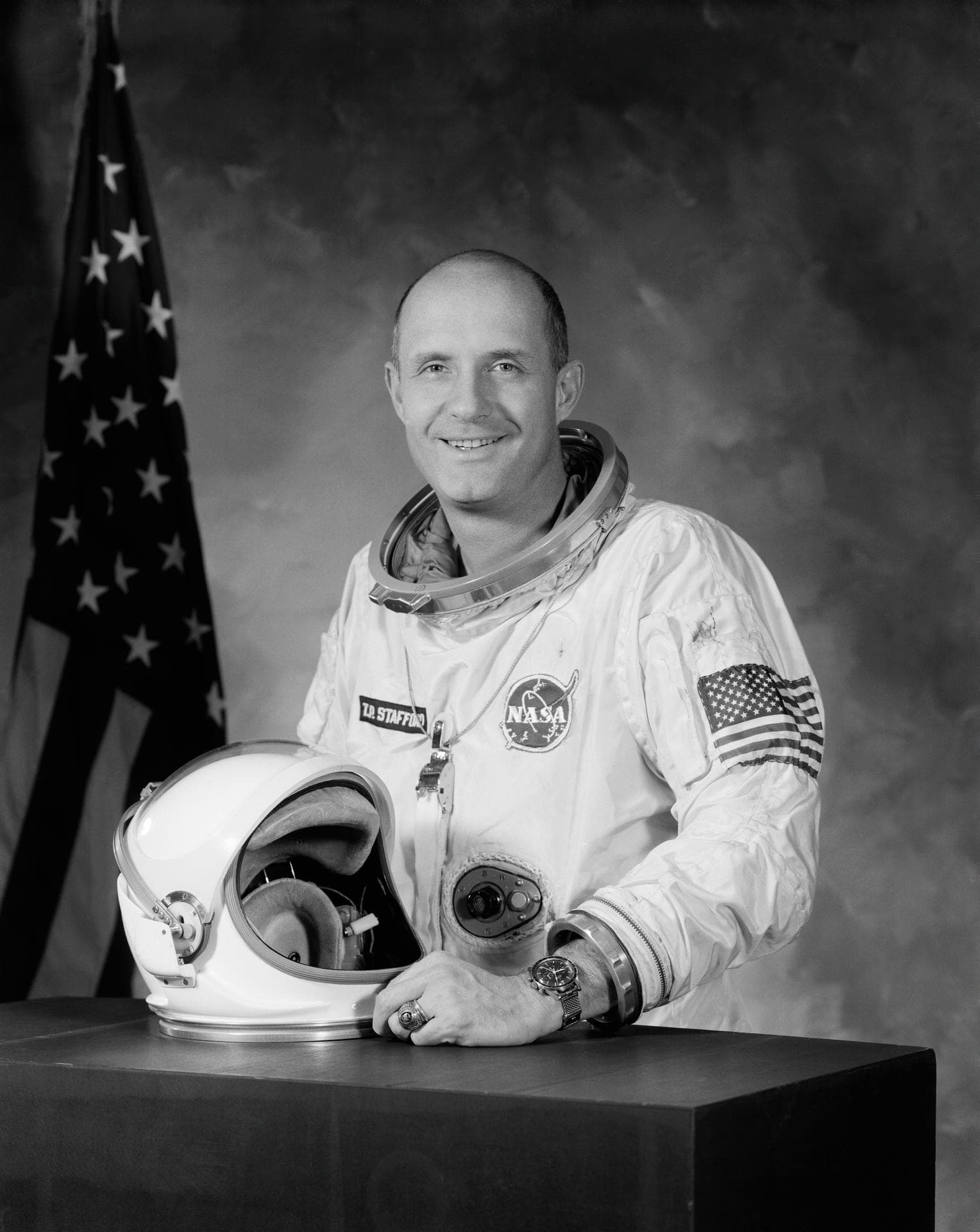
Commander
Tom Stafford
Tom Stafford flew on Gemini 6A's historic first space rendezvous, commanded Gemini 9A, and later commanded Apollo 10's dress rehearsal for the Moon landing.
View Astronaut →
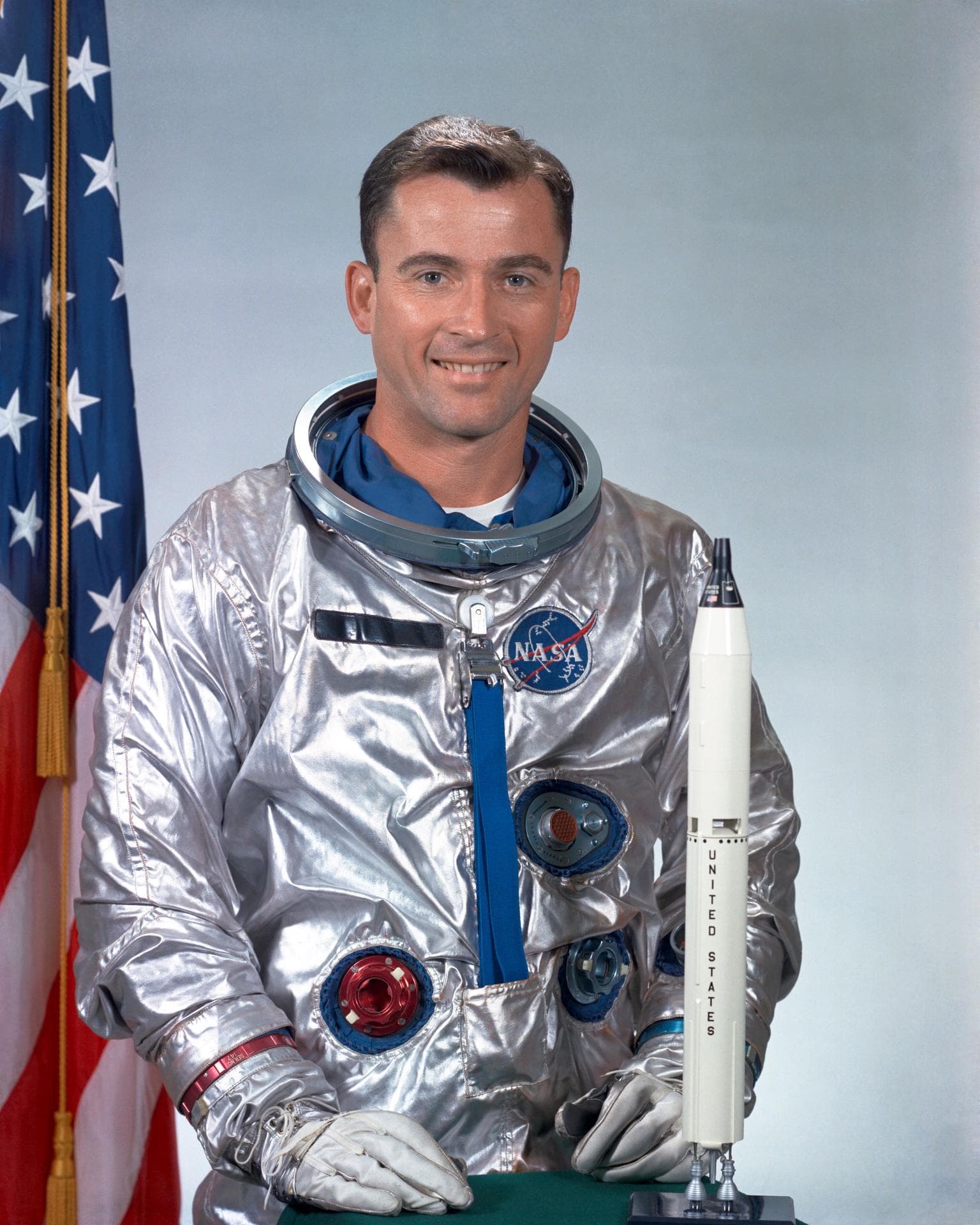
Command Module Pilot
John Young
John Young flew on Gemini 3 and 10, commanded Apollo 16 to the Moon, and later commanded the very first Space Shuttle flight, becoming the only astronaut to fly Gemini, Apollo, and the Shuttle.
View Astronaut →
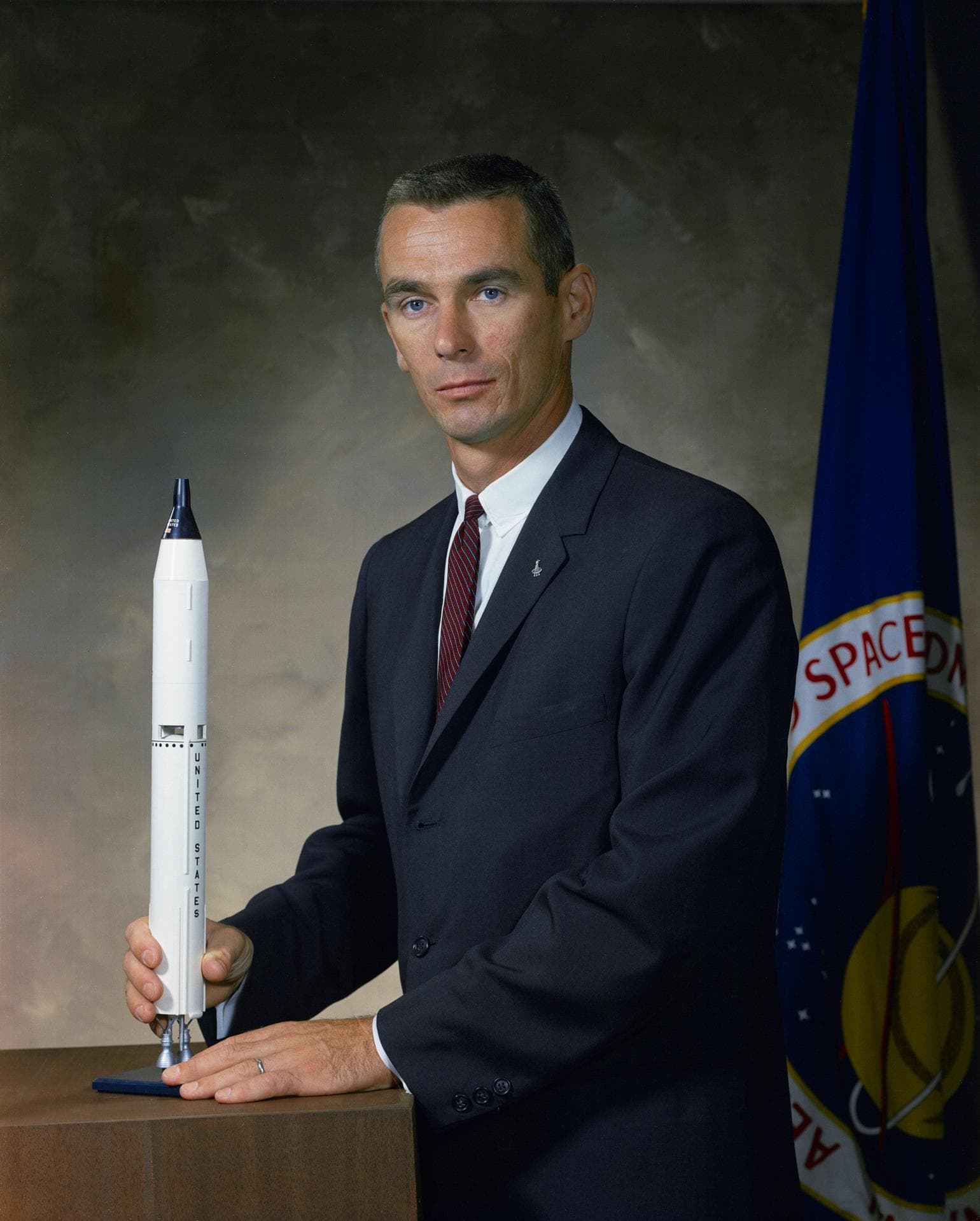
Lunar Module Pilot
Gene Cernan
Gene Cernan flew a grueling spacewalk on Gemini 9A, flew to the Moon on Apollo 10, and commanded Apollo 17, becoming the last person to walk on the Moon.
View Astronaut →
Mission Goals
Mission objectives
- 01
Perform a complete lunar landing rehearsal.
- 02
Demonstrate Saturn V performance on a lunar mission.
- 03
Enter lunar orbit.
- 04
Undock and activate the Lunar Module.
- 05
Evaluate Lunar Module systems in lunar orbit.
- 06
Descend to within landing altitude above the Moon.
- 07
Test descent radar performance.
- 08
Validate lunar guidance computer operations.
- 09
Evaluate lunar navigation techniques.
- 10
Photograph Apollo 11 landing sites.
- 11
Demonstrate Lunar Module ascent from low lunar altitude.
- 12
Perform lunar rendezvous.
- 13
Dock the Lunar Module with the Command Module.
- 14
Return safely to Earth.
- 15
Certify all remaining procedures before Apollo 11.
Fascinating Details
Did You Know?
Key did you know? recorded for this mission.
Apollo 10 came close enough to the Moon that the astronauts could clearly distinguish individual boulders and craters.
The Lunar Module 'Snoopy' descended to only about 9 miles (15 km) above the lunar surface.
NASA intentionally prevented Apollo 10 from landing by carrying too little fuel for a landing attempt.
The Command Module was nicknamed 'Charlie Brown,' while the Lunar Module was named 'Snoopy' after the Peanuts comic strip.
The famous 'Wild Thing' incident caused Snoopy to spin unexpectedly for several seconds.
Thomas Stafford manually recovered the spacecraft before the situation became dangerous.
John Young remained alone in lunar orbit while his crewmates descended toward the Moon.
Apollo 10 photographed many of the landmarks later used during Apollo 11's landing.
The mission completed every major landing procedure except the final touchdown.
Apollo 10 reached higher speeds than any crewed mission before it during its return to Earth.
The mission proved the Lunar Module could safely ascend from low lunar altitude and rendezvous in lunar orbit.
Gene Cernan would later return to the Moon as commander of Apollo 17 and become the last person to walk on its surface.
Apollo 10 dramatically reduced the technical risk facing Apollo 11.
NASA referred to Apollo 10 as the 'dress rehearsal' because only the final landing was omitted.
Without Apollo 10, Apollo 11's landing would have involved far more uncertainty.
Mission Timeline
May 18, 1969 · 12:49 p.m. EDT
Launch
Apollo 10 lifted off from Launch Complex 39A aboard Saturn V AS-505, beginning the final rehearsal before the first Moon landing.
Earth Orbit
Parking Orbit
Following a flawless launch, Apollo 10 entered temporary Earth orbit while engineers verified spacecraft health before committing the crew to the Moon.
Trans-Lunar Injection
Departure for the Moon
The S-IVB third stage reignited successfully, sending Apollo 10 toward the Moon on nearly the same trajectory that Apollo 11 would later follow.
Deep Space
Coast Phase
The crew performed navigation updates, spacecraft inspections, and midcourse corrections during the three-day journey to the Moon.
May 21, 1969
Lunar Orbit Insertion
The Service Propulsion System engine fired behind the Moon, placing Apollo 10 into lunar orbit and beginning the most demanding phase of the mission.
Lunar Orbit
Transfer to Snoopy
Thomas Stafford and Eugene Cernan entered the Lunar Module Snoopy while John Young remained aboard Charlie Brown.
Lunar Orbit
Undocking
Snoopy separated from Charlie Brown for humanity's second independent Lunar Module flight and the first in lunar orbit.
Powered Descent Initiation
Descent Toward the Moon
The Lunar Module's descent engine ignited successfully as Stafford and Cernan followed the same flight profile later planned for Apollo 11.
Low Lunar Altitude
Closest Approach
Snoopy descended to approximately 9 miles (15 kilometers) above the lunar surface, allowing the crew to inspect landmarks and validate the guidance profile for Apollo 11's landing.
Landing Site Survey
Reconnaissance Photography
Stafford and Cernan photographed future Apollo landing areas, verifying terrain features, crater locations, and navigation references that would soon guide Apollo 11 to Tranquility Base.
Ascent Preparation
Staging Sequence Begins
After completing the planned low-altitude pass, the crew prepared to separate the descent stage and begin the ascent phase exactly as future lunar landing crews would.
May 22, 1969
"Wild Thing" Incident
During staging, an incorrect switch configuration briefly caused the Lunar Module to roll and yaw unexpectedly. Thomas Stafford quickly regained manual control, preventing a potentially serious situation and providing valuable operational lessons before Apollo 11.
Immediately After Recovery
Ascent Engine Ignition
Snoopy's Ascent Propulsion System fired successfully, proving the engine that future astronauts would depend on to leave the lunar surface.
Lunar Orbit
Rendezvous with Charlie Brown
Using radar and onboard guidance, Stafford and Cernan successfully rendezvoused with John Young aboard the Command Module Charlie Brown.
Docking Complete
Lunar Module Rejoins Command Module
Snoopy docked successfully with Charlie Brown, completing the final major operational demonstration required before a lunar landing mission.
Departure from the Moon
Trans-Earth Injection
Apollo 10 fired the Service Propulsion System behind the Moon, leaving lunar orbit and beginning the return journey to Earth.
Return Flight
Trans-Earth Coast
The crew completed additional navigation exercises, scientific observations, and spacecraft evaluations while traveling back toward Earth.
May 26, 1969
High-Speed Reentry
Apollo 10 reentered Earth's atmosphere at nearly lunar-return velocity, validating the Command Module one final time before Apollo 11.
May 26, 1969
Splashdown
Apollo 10 safely splashed down in the Pacific Ocean after completing the most comprehensive lunar landing rehearsal ever performed.
Postflight
Ready for Apollo 11
NASA concluded that every major objective required before attempting a lunar landing had been successfully demonstrated. The path was now clear for Apollo 11.
Mission Legacy
Legacy
Apollo 10 was the mission that removed the final unknowns before humanity's first lunar landing.
Every major system, every critical maneuver, and nearly every operational procedure required for Apollo 11 was tested under actual lunar conditions. Stafford and Cernan demonstrated that the Lunar Module could separate, descend to landing altitude, fly independently around the Moon, ignite its ascent engine, rendezvous with the Command Module, and dock successfully.
Perhaps Apollo 10's greatest contribution came from the unexpected. The brief loss of attitude control during the "Wild Thing" incident exposed procedural weaknesses that NASA corrected before Apollo 11. The mission reinforced an important lesson learned throughout Apollo: realistic testing often reveals issues that simulations cannot.
Apollo 10 also refined navigation techniques, improved landing-site photography, and verified communications and tracking systems around the Moon. Every observation made by the crew helped engineers and flight controllers prepare for the historic landing only two months later.
By the time Apollo 10 splashed down, NASA no longer had unanswered engineering questions about reaching the lunar surface. The remaining challenge was simply to complete the final descent and land.
Apollo 10 did everything except leave footprints. That final step belonged to Apollo 11.
Mission Photo Archive
Related Stories
Apollo
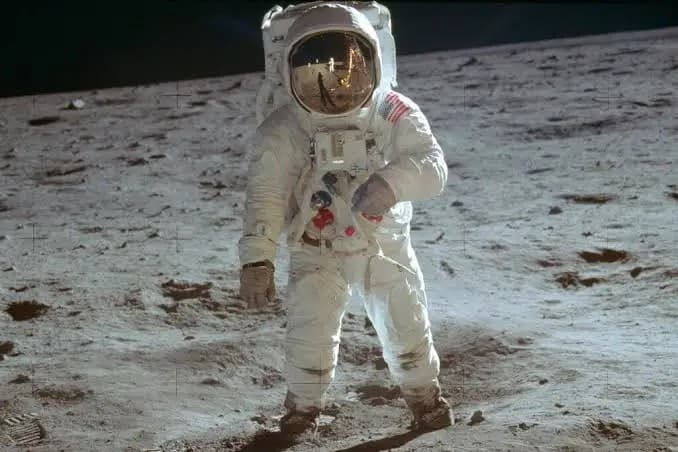
The Moon Photos That Still Feel Impossible
Before social media, astronauts brought back images that changed how humanity saw itself forever.
Read Article →
Artemis
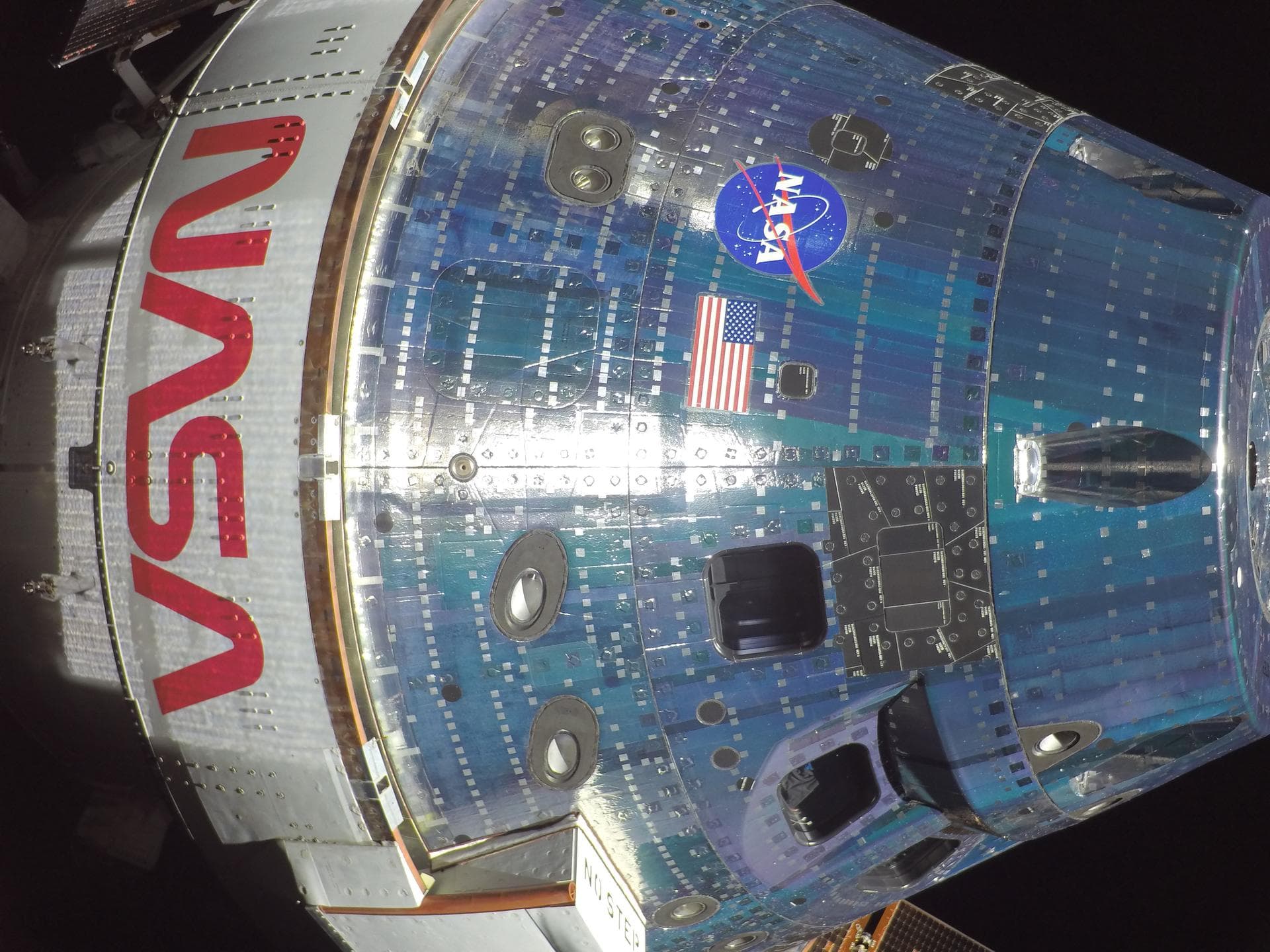
Why Artemis Will Change Lunar Exploration
NASA's return to the Moon is designed to become more sustainable, more international, and more ambitious than Apollo.
Read Article →
ISS
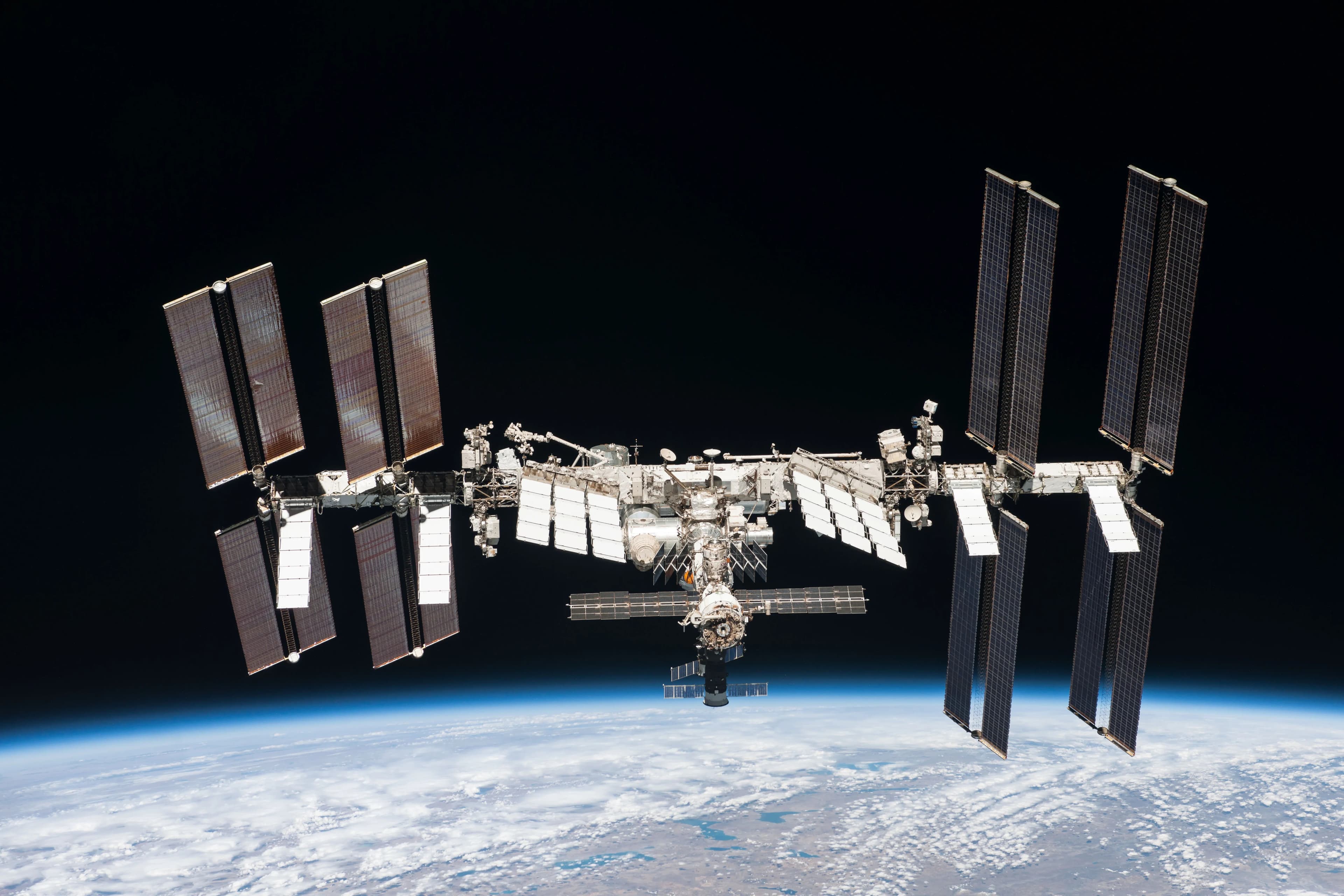
Life 250 Miles Above Earth
Inside the daily routine of astronauts living and working aboard the International Space Station.
Read Article →