International Space Station
STS-88 (Unity Docking)
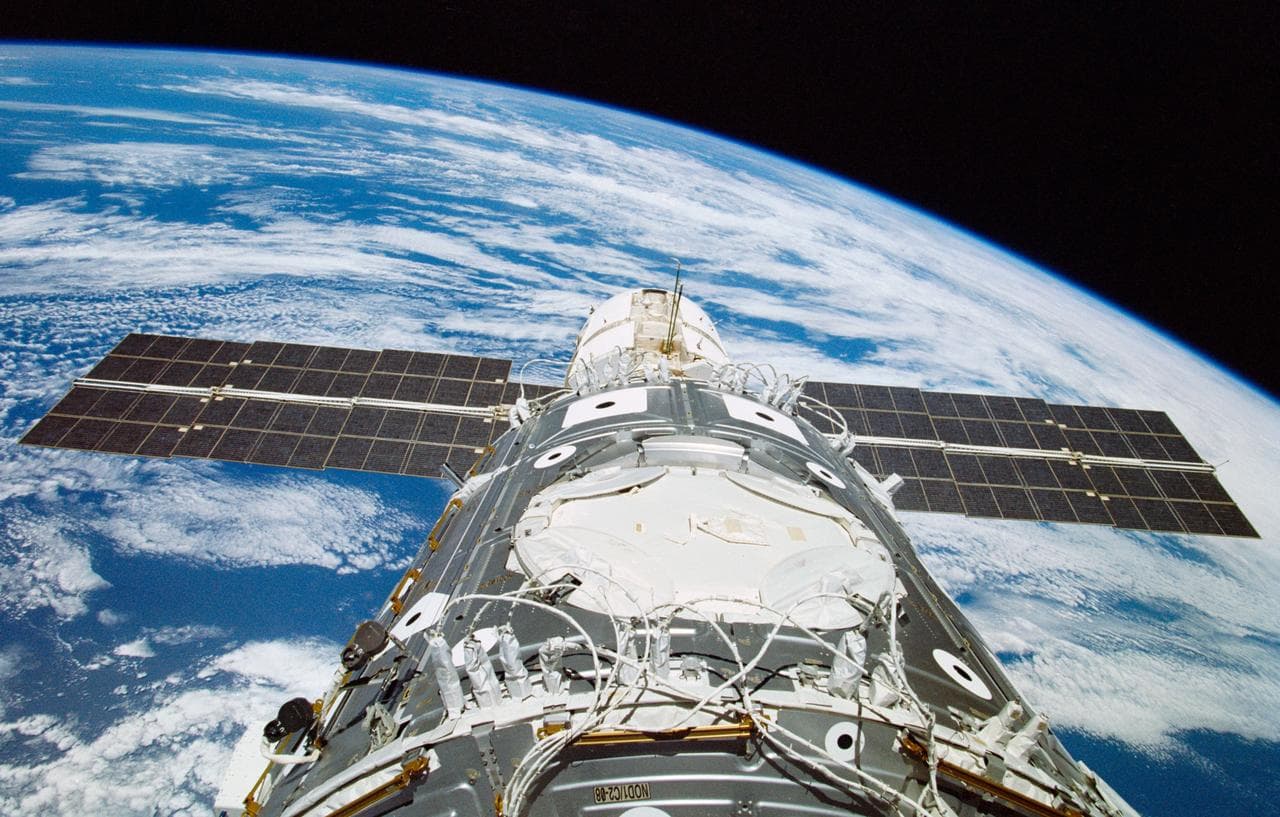
STS-88 carried the American-built Unity module aboard Endeavour and joined it to the already-orbiting Zarya, the first assembly operation in the construction of the International Space Station.
Launch
December 4, 1998
Duration
11 days, 19 hours, 18 minutes
Crew
2 astronauts
Mission record
International Space Station archive entry · Successful
Mission Overview
The mission
STS-88 carried the American-built Unity module aboard Endeavour and joined it to the already-orbiting Zarya, the first assembly operation in the construction of the International Space Station.
In Depth
The Full Story
STS-88 turned two separately launched pieces of hardware into the beginning of an actual space station. Two weeks after the Russian-built Zarya module reached orbit, Space Shuttle Endeavour launched carrying Unity, the first American-built ISS component, along with a crew tasked with physically joining the two together for the first time.
Commanded by Robert Cabana, the six-person crew included Russian cosmonaut Sergei Krikalev, whose presence symbolized the genuinely international character of the new station from its very first assembly flight. Endeavour rendezvoused with Zarya in orbit, and the crew used the Shuttle's robotic arm to grapple the Russian module and carefully mate it to Unity, already secured in the payload bay, connecting an American module to a Russian one in orbit for the first time.
The mission required three spacewalks to complete the necessary electrical and mechanical connections between the two modules, work that established the physical and technical foundation the rest of the station would be built upon over the following decade. Astronauts also entered the joined modules for the first time, becoming the first humans to set foot inside what would eventually become the International Space Station.
Endeavour undocked and returned to Kennedy Space Center on December 15, leaving behind a two-module station, uncrewed but fully assembled and functional, awaiting the additional pieces and eventually the permanent crew that would arrive over the following two years. STS-88 proved that the ambitious, multi-year construction plan behind the ISS could actually work in practice, one careful assembly flight at a time.
Mission Details
Official Designation
STS-88
Mission Type
First ISS Assembly Mission
Launch Date
December 4, 1998
Mission Duration
11 days, 19 hours, 18 minutes
Commander
Robert D. Cabana
Orbiter
Endeavour
Launch Site
Launch Complex 39A, Kennedy Space Center
Modules Joined
Zarya and Unity
Spacewalks
3
Mission Result
Successful
Historic Achievement
First ISS Assembly Operation
Mission by the Numbers
Mission Statistics
Mission Type
First ISS Assembly Mission
Launch Vehicle
Space Shuttle Endeavour
Crew
2 astronauts
Status
Successful
The People Behind the Mission
Crew
The astronauts assigned to command, operate, and carry out the mission.
Commander
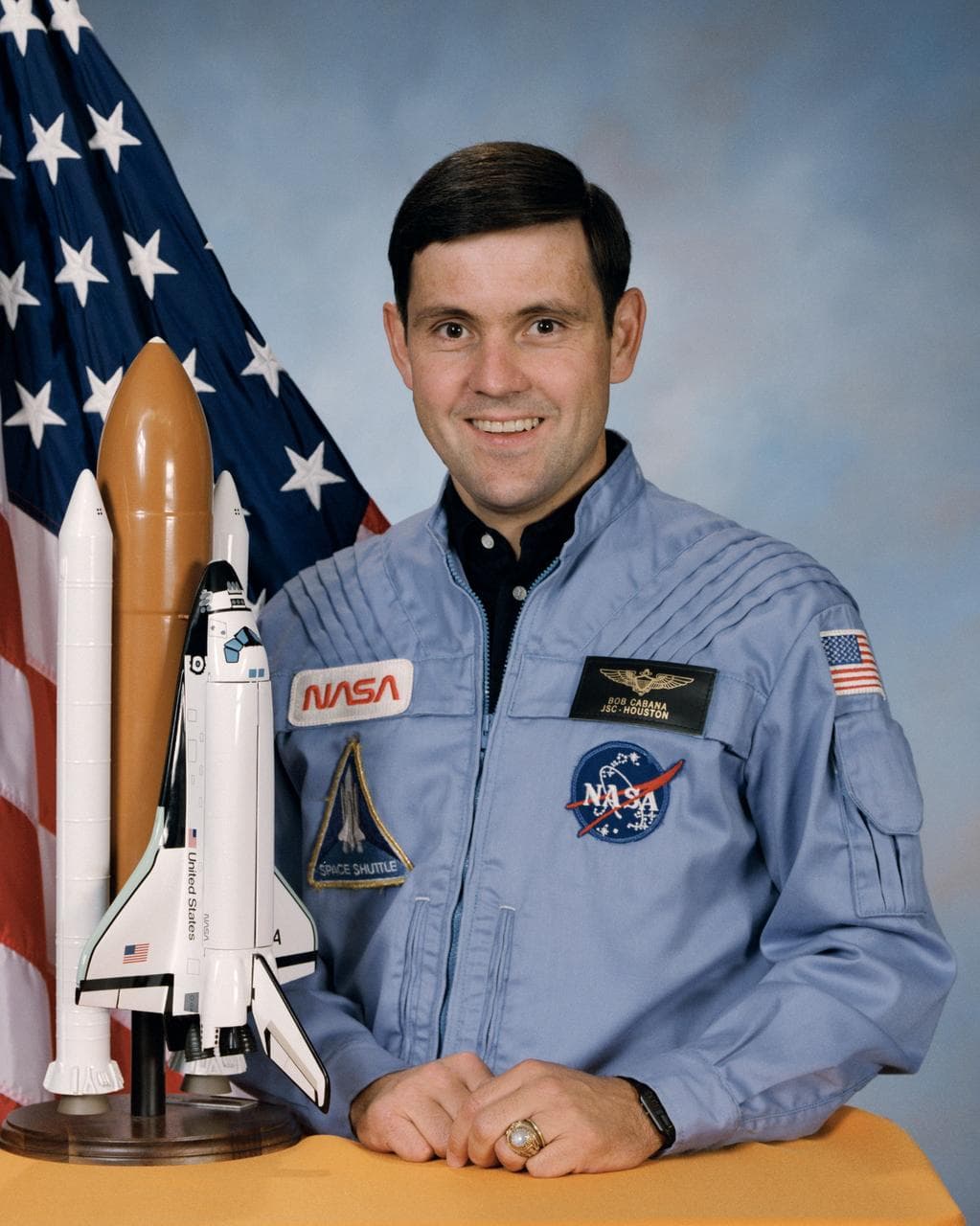
Robert Cabana
Robert Cabana commanded STS-88, the first International Space Station assembly mission, joining the Unity module to Zarya.
View Astronaut →
Mission Specialist
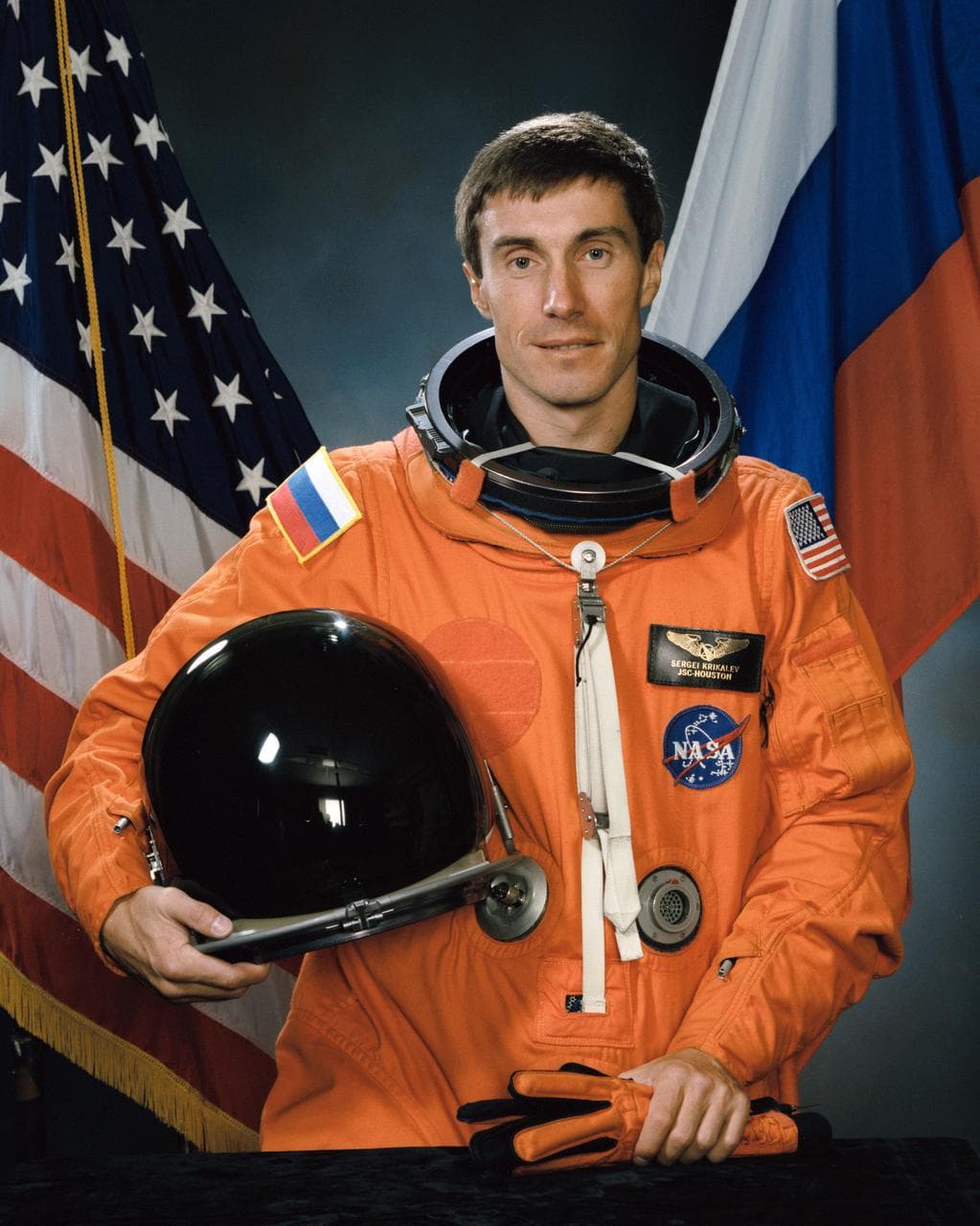
Sergei Krikalev
Sergei Krikalev flew on the first ISS assembly mission and later became one of the station's first three resident crew members aboard Expedition 1.
View Astronaut →
Mission Goals
Mission objectives
- 01
Join the American-built Unity module to the already-orbiting Zarya module.
- 02
Conduct spacewalks to complete electrical and mechanical connections between the modules.
- 03
Enter and activate the joined modules for the first time.
- 04
Demonstrate assembly procedures for the International Space Station's continued construction.
- 05
Deliver supplies and equipment for future station operations.
Fascinating Details
Did You Know?
Key did you know? recorded for this mission.
STS-88 was the first mission to physically join an American and Russian space station module together in orbit.
Cosmonaut Sergei Krikalev was aboard for the mission, embodying the international partnership behind the station from its first assembly flight.
The crew became the first humans ever to enter the modules that would grow into the International Space Station.
Three spacewalks were required to complete all the necessary connections between Zarya and Unity.
The joined station remained uncrewed for nearly two years after this mission, awaiting Expedition 1's arrival in late 2000.
Unity was the first of many American-built modules eventually added to the station over the following decade.
Sergei Krikalev later became the first person to fly as a resident crew member aboard the completed station's very first expedition.
Mission Timeline
December 4, 1998 · 3:35 a.m. EST
Launch
Endeavour lifted off from Launch Complex 39A at Kennedy Space Center, carrying the Unity module and a six-person crew toward rendezvous with Zarya.
December 6, 1998
Zarya Capture
The crew used Endeavour's robotic arm to grapple the orbiting Zarya module and carefully guide it toward Unity, already secured in the payload bay.
December 6, 1998
First Docking
Zarya and Unity were joined together in orbit, the first connection between an American and Russian space station module in history.
Following Days
Three Spacewalks
Astronauts conducted three spacewalks to complete the electrical and mechanical connections needed to link the two modules' systems.
During the Mission
First Entry
Crew members entered the newly joined modules, becoming the first humans to set foot inside what would become the International Space Station.
December 15, 1998
Landing
Endeavour returned to Kennedy Space Center, leaving behind a two-module, uncrewed International Space Station awaiting its next assembly flight.
Mission Legacy
Legacy
STS-88 proved that the International Space Station's ambitious construction plan could work in practice, successfully joining hardware built on opposite sides of the world into a single functioning structure in orbit.
The mission established assembly and spacewalk procedures that NASA and its international partners repeated and refined across dozens of subsequent Shuttle flights over the following decade, eventually building a station larger than a football field.
Sergei Krikalev's presence aboard this first assembly flight, and his later role as part of Expedition 1's first resident crew, made him a defining figure connecting the earliest days of the ISS to its permanent, continuously crewed future.
Mission Photo Archive
Related Stories
Apollo
The Moon Photos That Still Feel Impossible
Before social media, astronauts brought back images that changed how humanity saw itself forever.
Read Article →
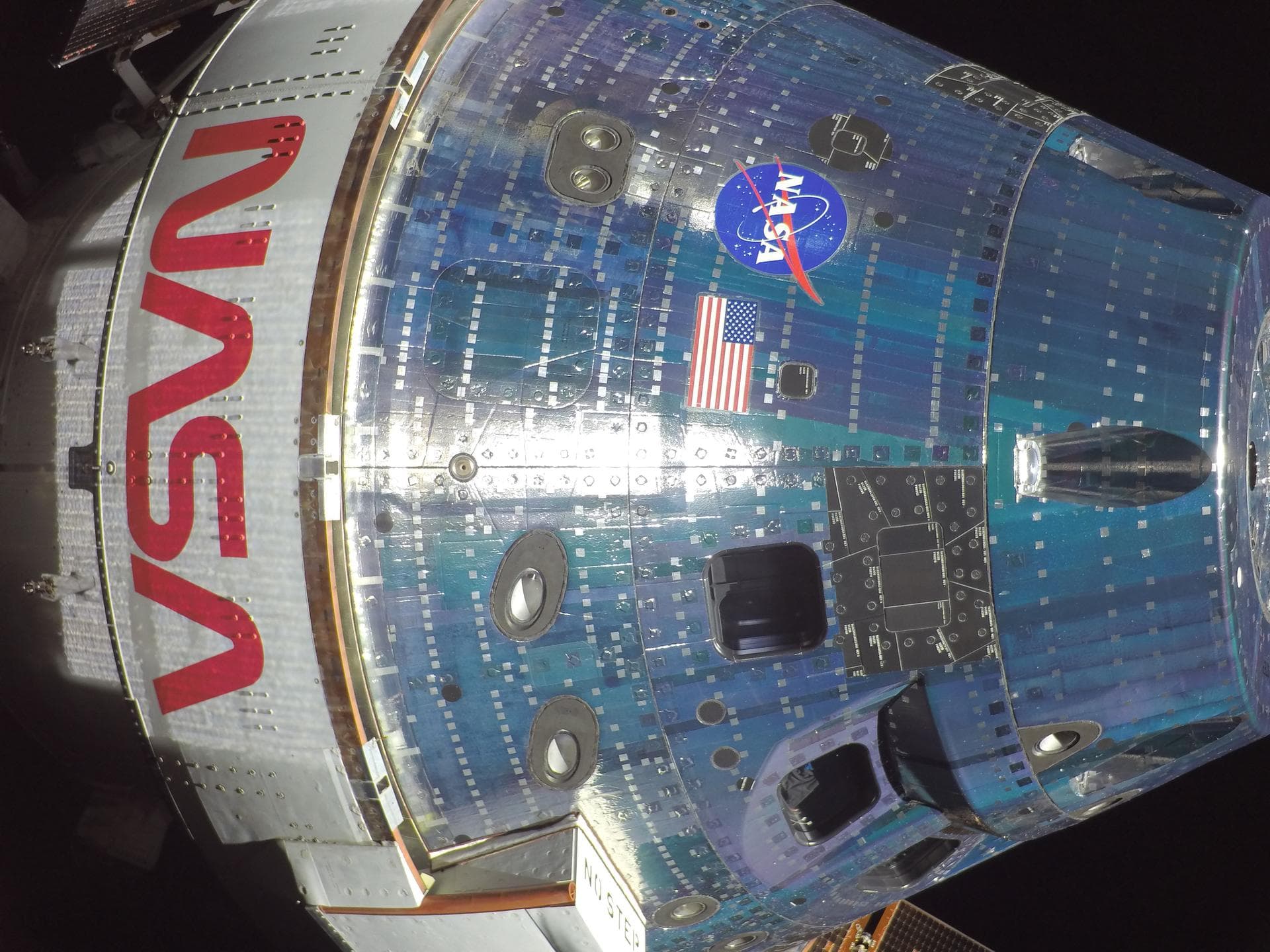
Artemis
Why Artemis Will Change Lunar Exploration
NASA's return to the Moon is designed to become more sustainable, more international, and more ambitious than Apollo.
Read Article →
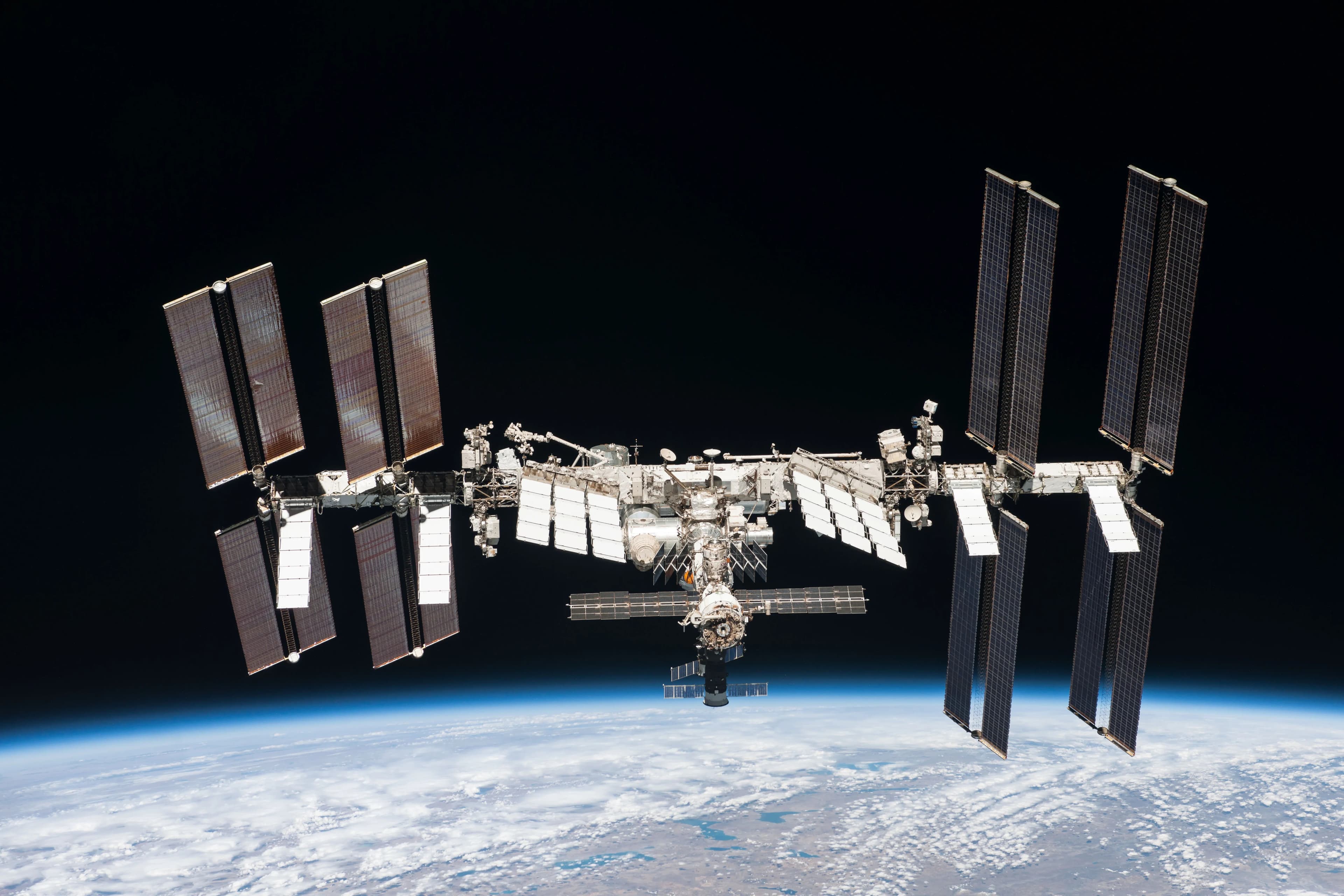
ISS
Life 250 Miles Above Earth
Inside the daily routine of astronauts living and working aboard the International Space Station.
Read Article →