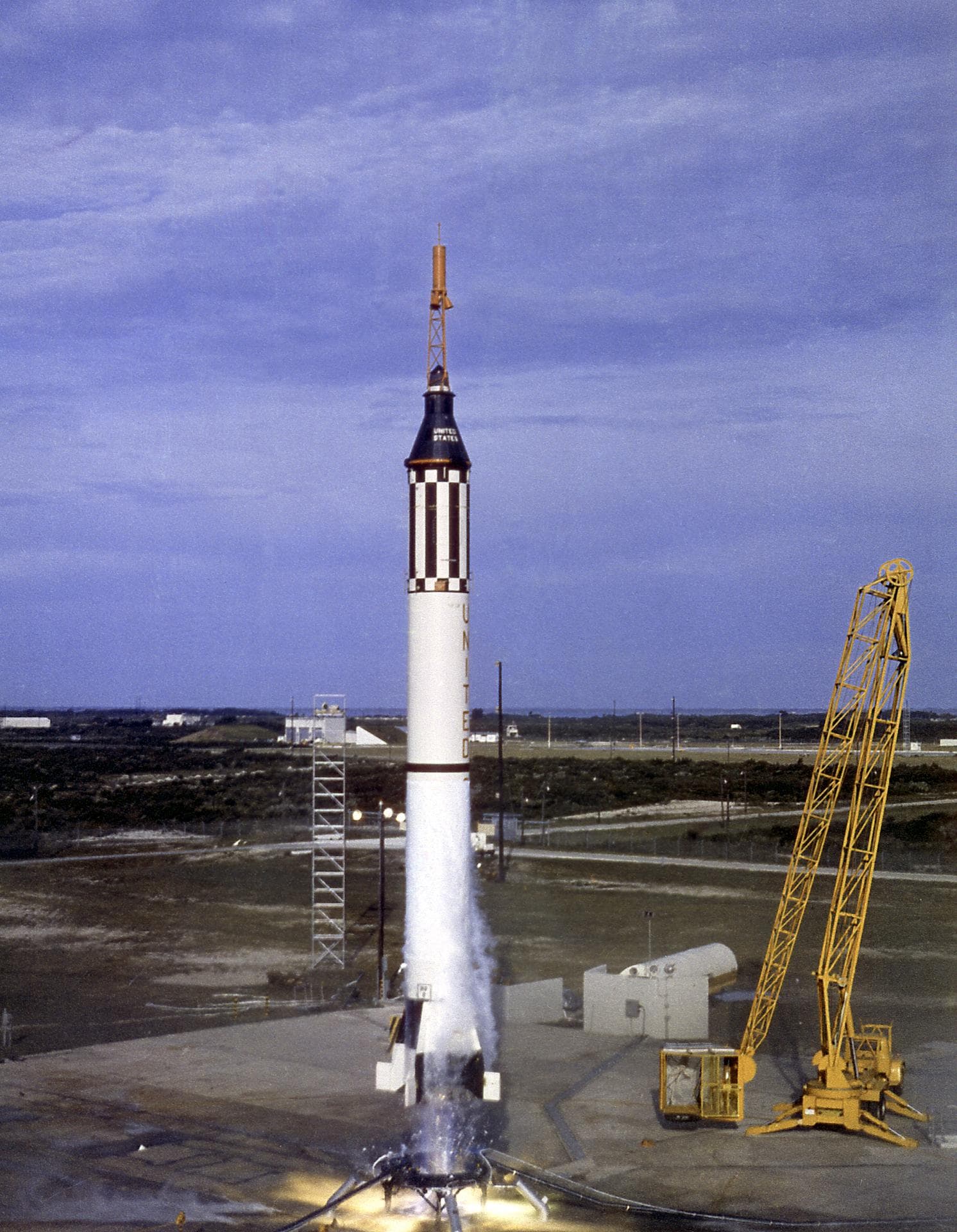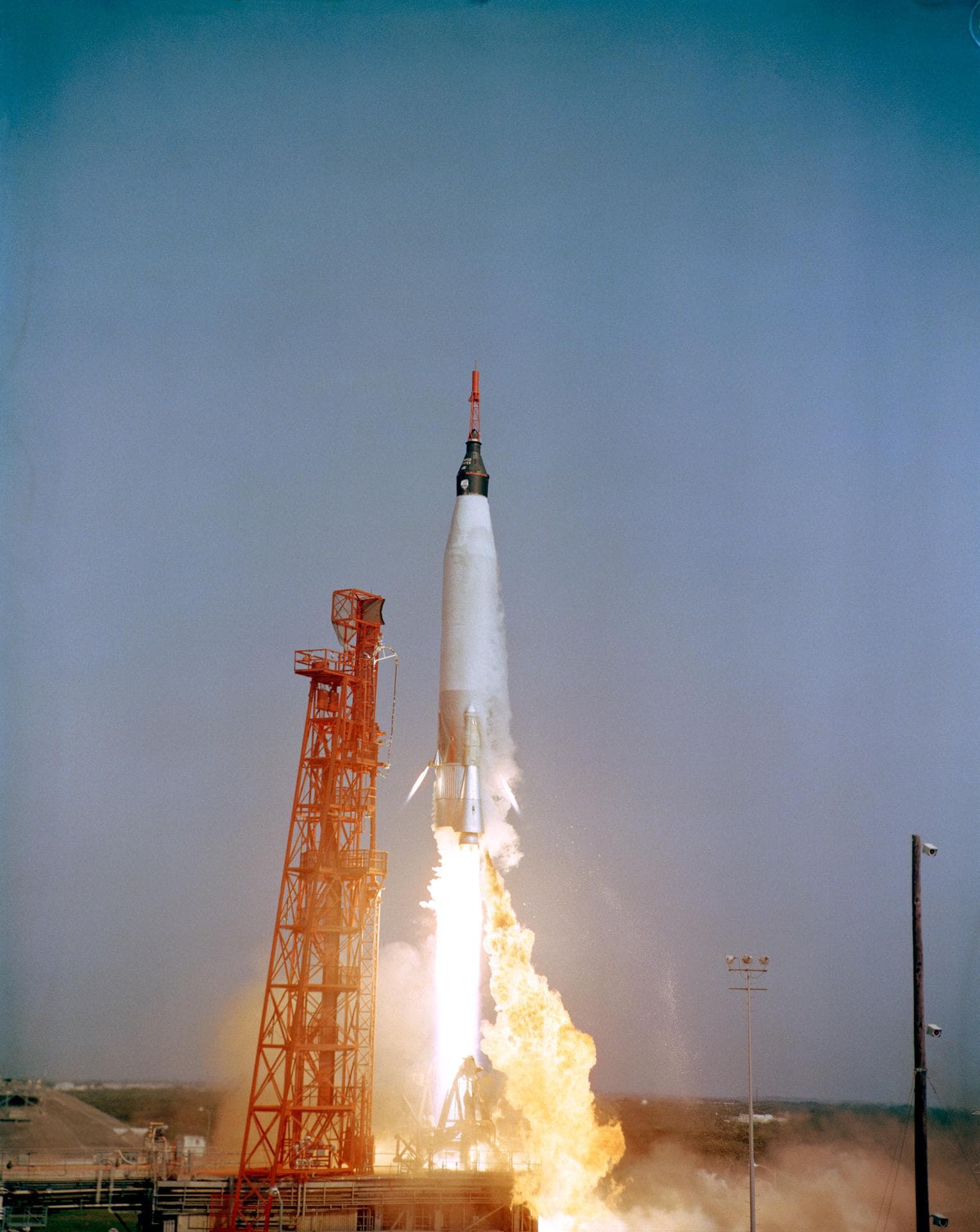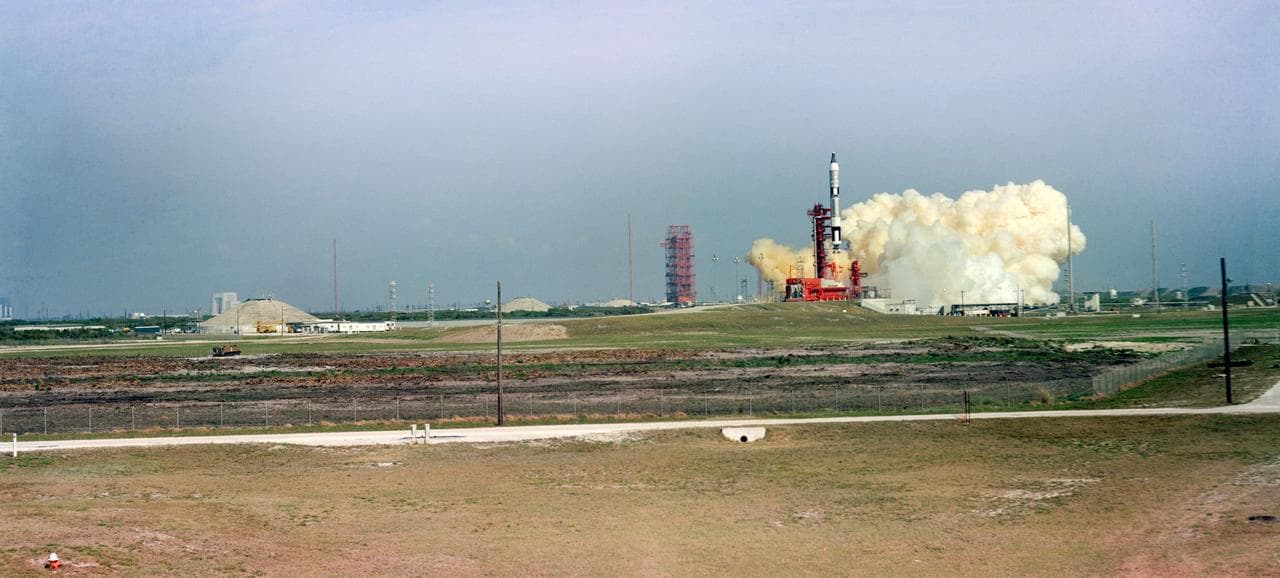
Featured missionSuccessfulMercuryFreedom 7Freedom 7 made Alan Shepard the first American in space, a 15-minute suborbital flight that came just three weeks after the Soviet Union launched the first human into orbit and helped set the stage for President Kennedy's challenge to land astronauts on the Moon.May 5, 1961↗
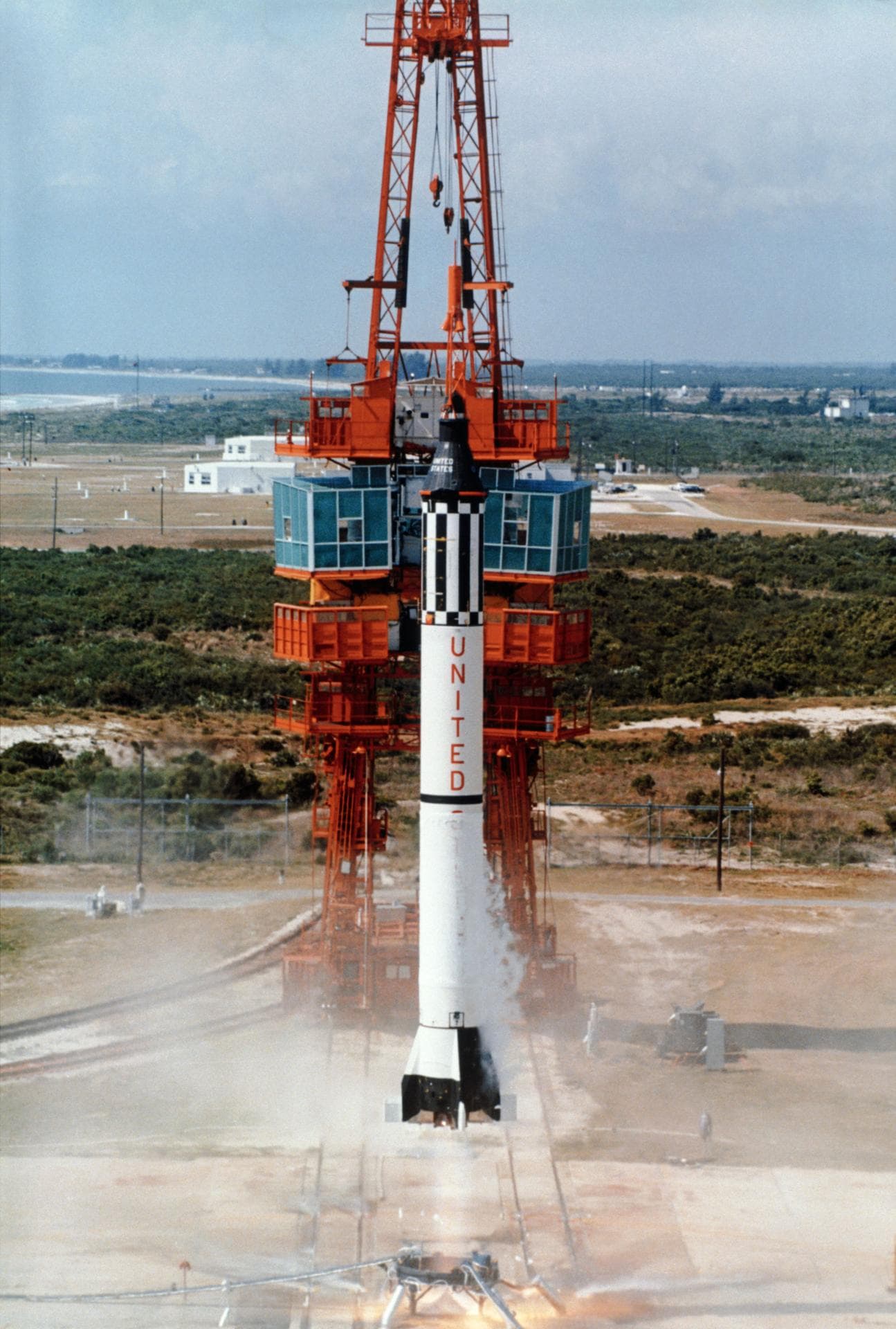
SuccessfulMercuryFreedom 7Freedom 7 made Alan Shepard the first American in space, a 15-minute suborbital flight that came just three weeks after the Soviet Union launched the first human into orbit and helped set the stage for President Kennedy's challenge to land astronauts on the Moon.LaunchMay 5, 1961DestinationSuborbitalDuration15 minutes, 28 secondsCrew1 astronautOpen mission record→
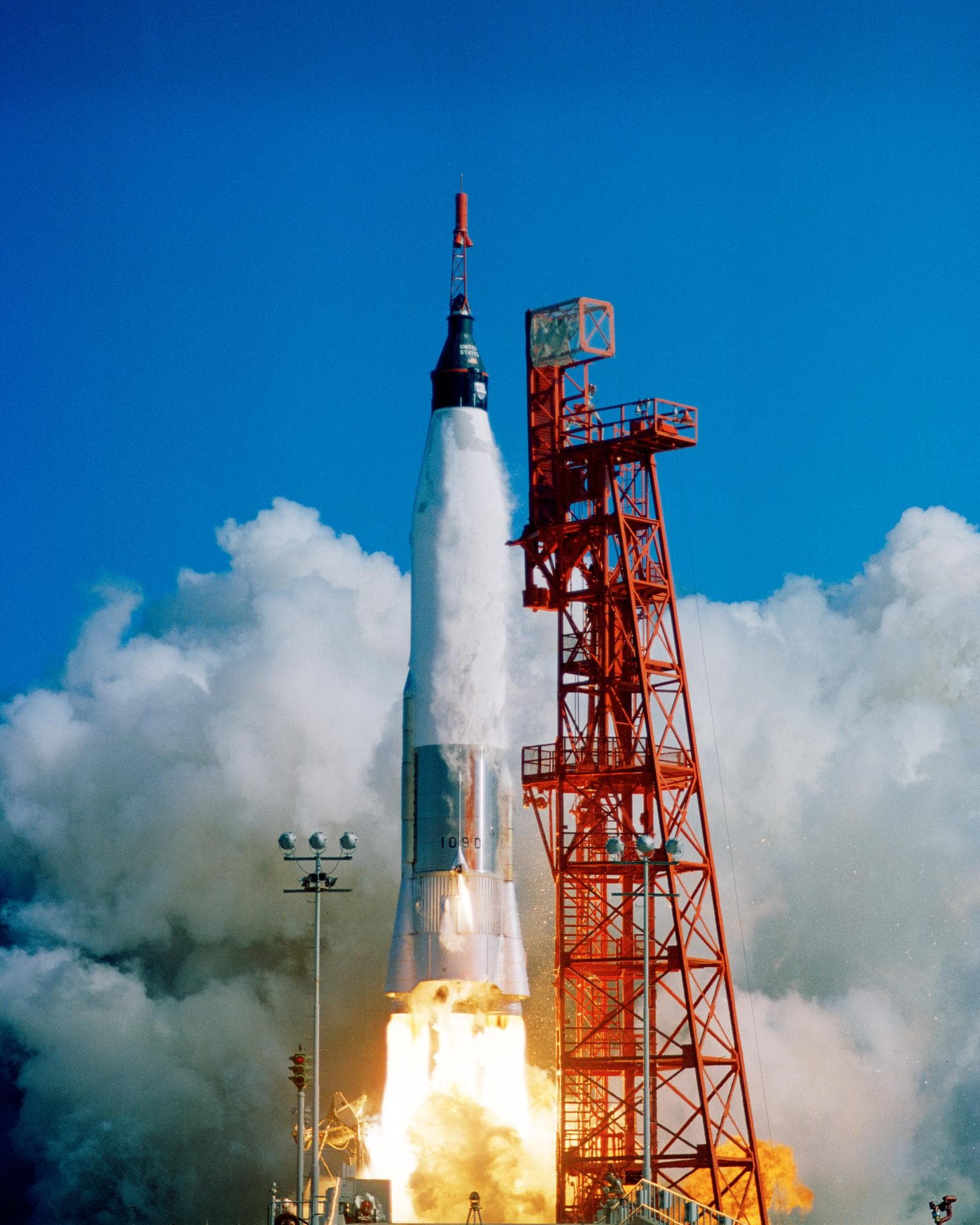
SuccessfulMercuryLiberty Bell 7Liberty Bell 7 made Gus Grissom the second American in space on a suborbital flight nearly identical to Freedom 7, but the mission became famous for a dramatic near-disaster after splashdown when the capsule's hatch blew open prematurely and the spacecraft sank.LaunchJuly 21, 1961DestinationSuborbitalDuration15 minutes, 37 secondsCrew1 astronautOpen mission record→
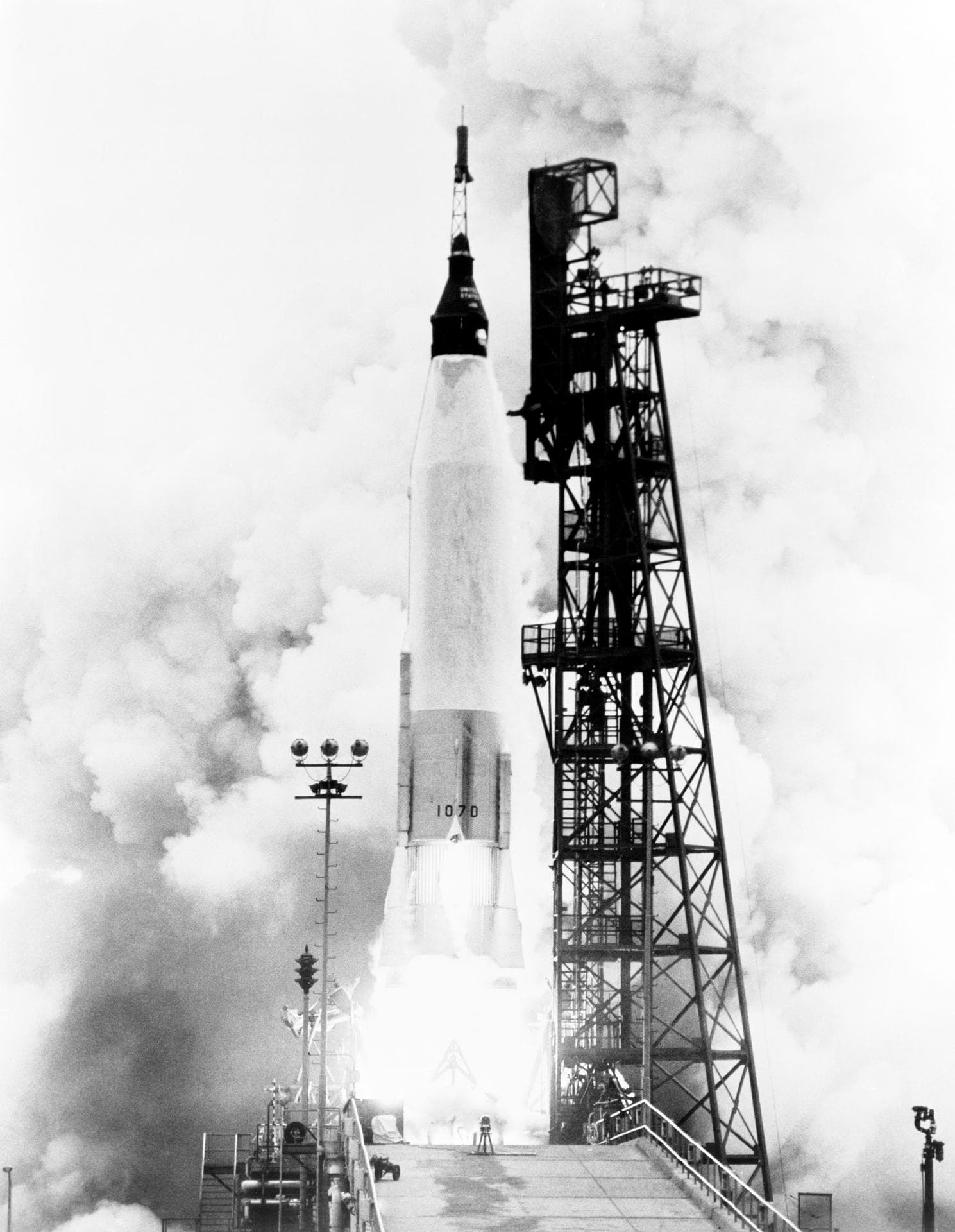
SuccessfulMercuryFriendship 7Friendship 7 made John Glenn the first American to orbit Earth, completing three orbits in under five hours despite a tense reentry caused by a false sensor warning about the spacecraft's heat shield.LaunchFebruary 20, 1962DestinationEarth OrbitDuration4 hours, 55 minutes, 23 secondsCrew1 astronautOpen mission record→
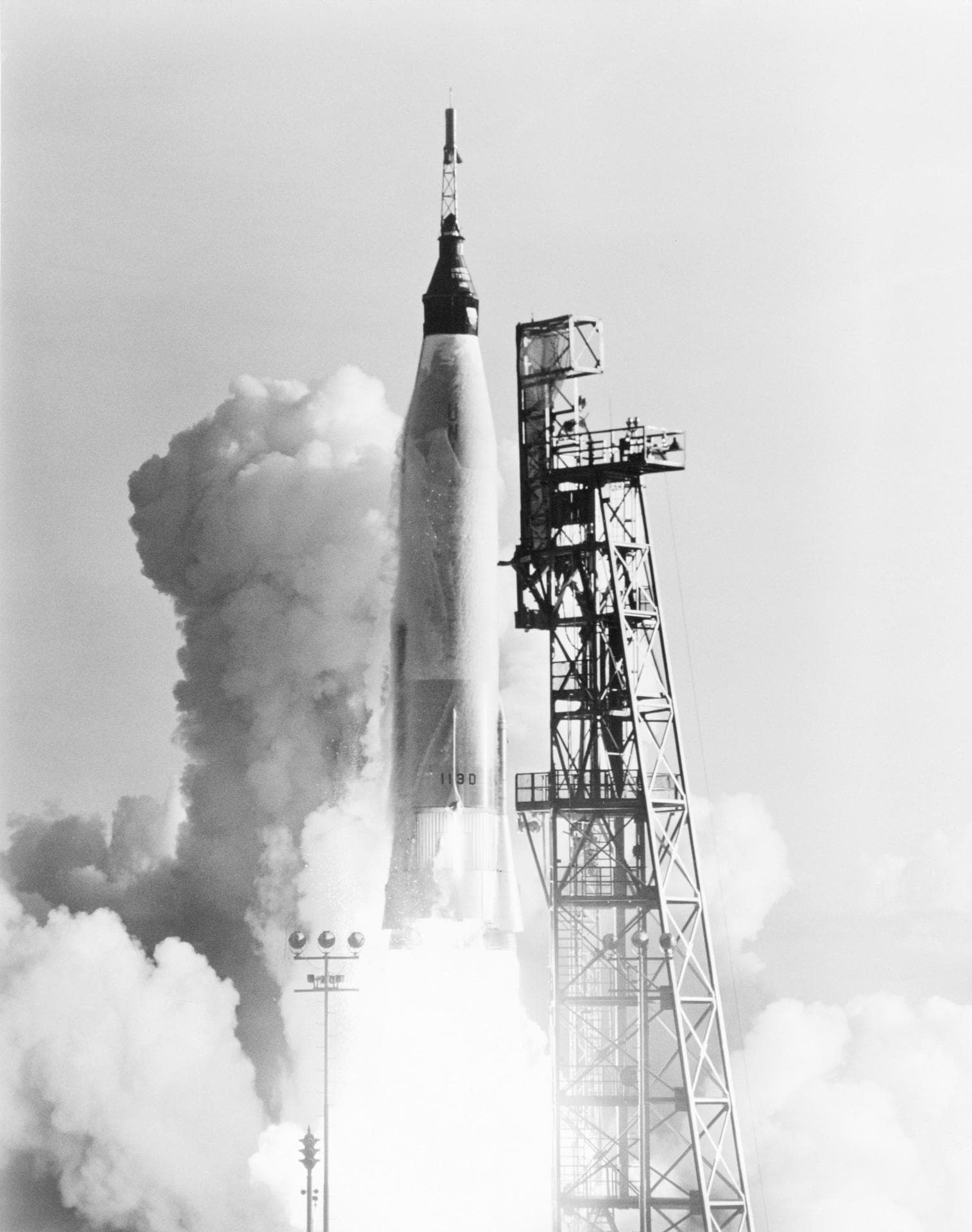
SuccessfulMercuryAurora 7Aurora 7 repeated John Glenn's three-orbit flight with Scott Carpenter at the controls, but a late and off-angle retrofire caused the capsule to splash down roughly 250 miles off target, leaving Carpenter adrift and out of contact for nearly forty minutes.LaunchMay 24, 1962DestinationEarth OrbitDuration4 hours, 56 minutes, 5 secondsCrew1 astronautOpen mission record→
SuccessfulMercurySigma 7Sigma 7 was a near-flawless six-orbit engineering test flight in which Wally Schirra deliberately conserved fuel and flew a highly disciplined mission, splashing down within a few miles of his target in the Pacific Ocean.LaunchOctober 3, 1962DestinationEarth OrbitDuration9 hours, 13 minutes, 11 secondsCrew1 astronautOpen mission record→
SuccessfulMercuryFaith 7Faith 7 was the longest and final flight of Project Mercury, sending Gordon Cooper on 22 orbits of Earth over more than 34 hours, during which he became the first American to sleep in space and executed a flawless manual reentry after a series of electrical failures.LaunchMay 15, 1963DestinationEarth OrbitDuration34 hours, 19 minutes, 49 secondsCrew1 astronautOpen mission record→
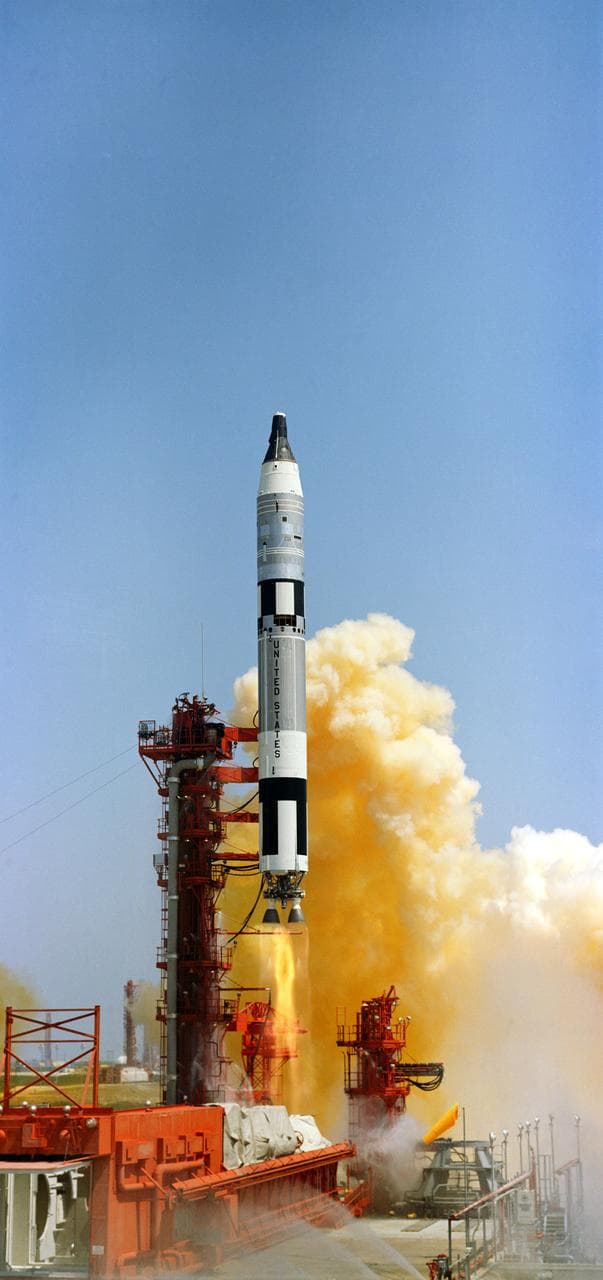
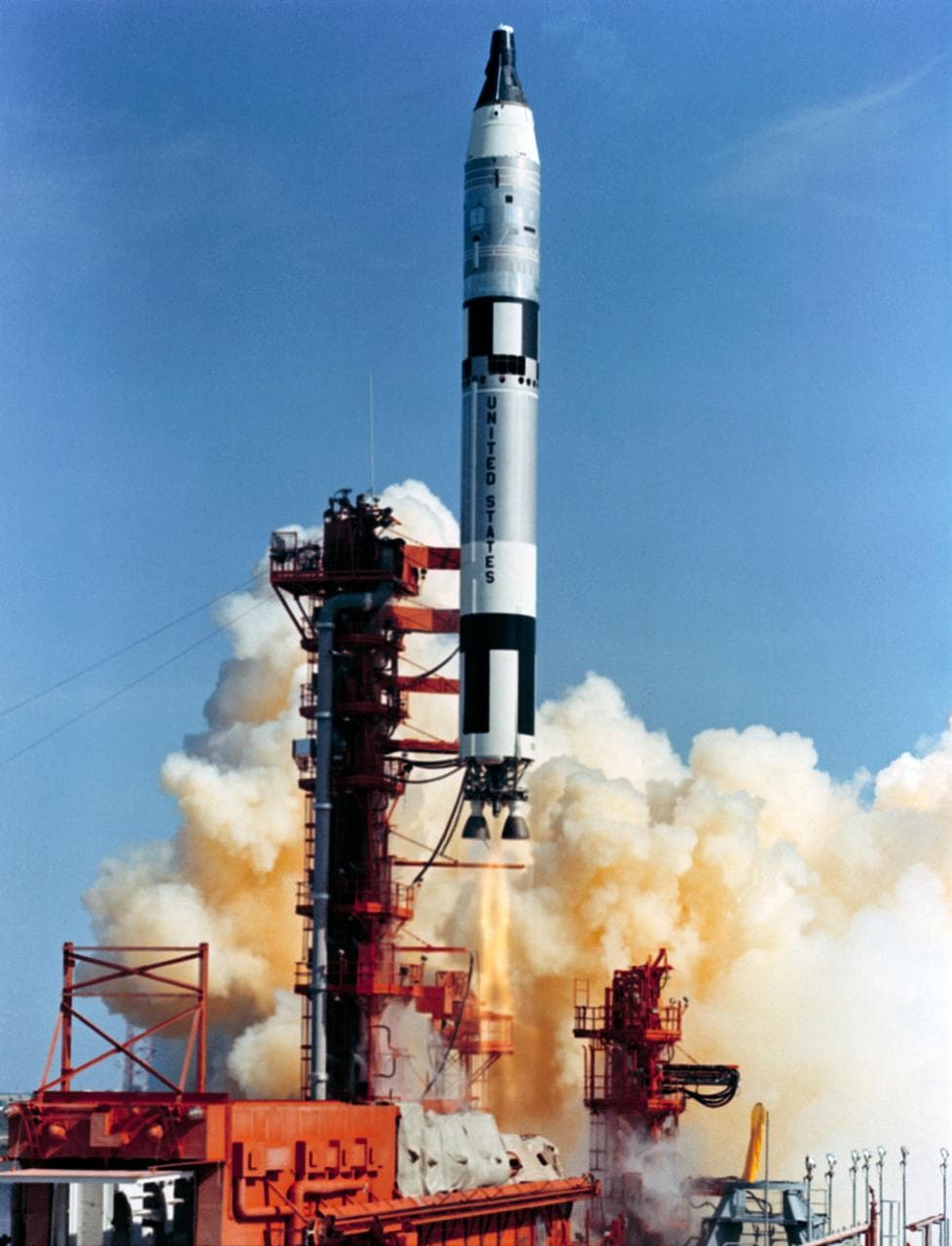
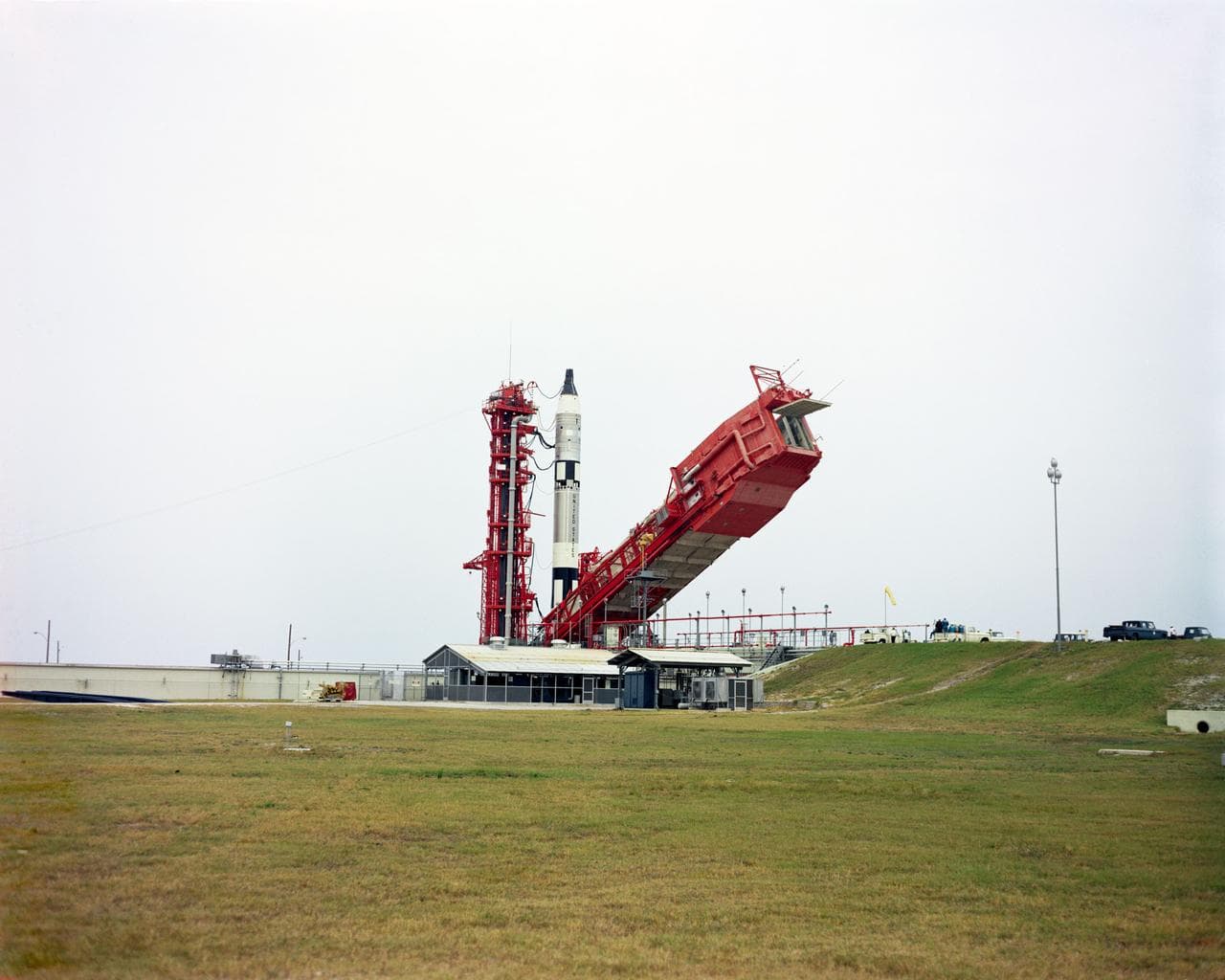
SuccessfulGeminiGemini 3Gemini 3 was the first crewed flight of Project Gemini, carrying Gus Grissom and John Young on three orbits and demonstrating, for the first time, that a crewed spacecraft could actively change its own orbit.LaunchMarch 23, 1965DestinationEarth OrbitDuration4 hours, 52 minutes, 31 secondsCrew2 astronautsOpen mission record→
SuccessfulGeminiGemini 4Gemini 4 sent James McDivitt and Ed White on a four-day flight remembered above all for White's spacewalk, the first time an American ventured outside a spacecraft in orbit.LaunchJune 3, 1965DestinationEarth OrbitDuration4 days, 1 hour, 56 minutesCrew2 astronautsOpen mission record→
SuccessfulGeminiGemini 5Gemini 5 set a new spaceflight endurance record of nearly eight days, proving astronauts could survive a mission as long as a round trip to the Moon, despite a fuel cell problem that threatened to cut the flight short.LaunchAugust 21, 1965DestinationEarth OrbitDuration7 days, 22 hours, 55 minutesCrew2 astronautsOpen mission record→
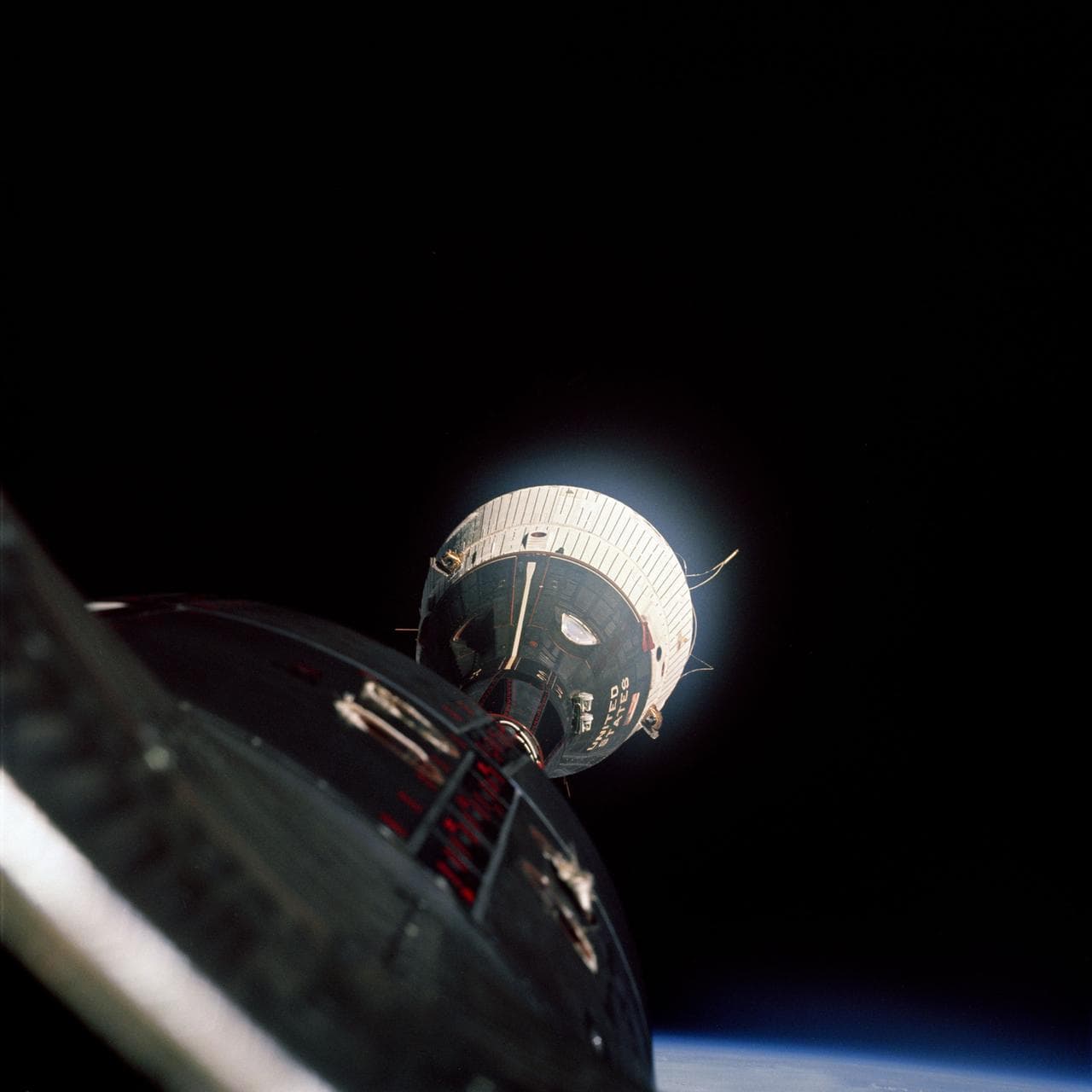
SuccessfulGeminiGemini 7Gemini 7 sent Frank Borman and Jim Lovell on a grueling fourteen-day flight, the longest crewed spaceflight of its era, while also serving as the target for history's first space rendezvous with Gemini 6A.LaunchDecember 4, 1965DestinationEarth OrbitDuration13 days, 18 hours, 35 minutesCrew2 astronautsOpen mission record→
SuccessfulGeminiGemini 6AGemini 6A achieved history's first rendezvous between two crewed spacecraft, closing to within a foot of Gemini 7 in orbit after its original Agena docking target was lost in a launch failure.LaunchDecember 15, 1965DestinationEarth OrbitDuration1 day, 1 hour, 51 minutesCrew2 astronautsOpen mission record→
SuccessfulGeminiGemini 8Gemini 8 achieved the first docking between two spacecraft in orbit, but a stuck thruster sent the combined vehicles into a violent spin minutes later, forcing Neil Armstrong to abort the mission in one of the most dangerous emergencies of the space program.LaunchMarch 16, 1966DestinationEarth OrbitDuration10 hours, 41 minutesCrew2 astronautsOpen mission record→