Mercury
Friendship 7
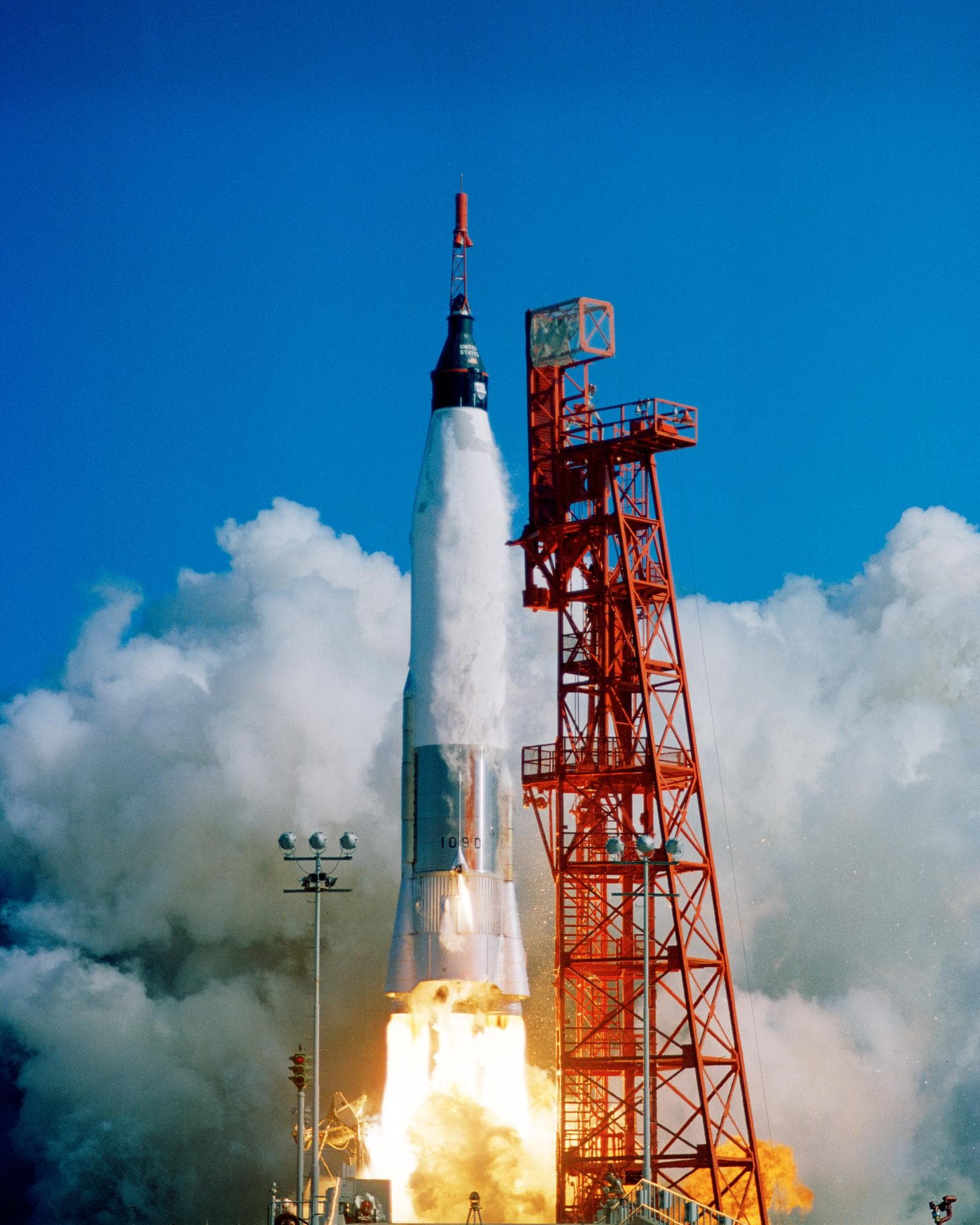
Friendship 7 made John Glenn the first American to orbit Earth, completing three orbits in under five hours despite a tense reentry caused by a false sensor warning about the spacecraft's heat shield.
Launch
February 20, 1962
Duration
4 hours, 55 minutes, 23 seconds
Crew
1 astronaut
Mission record
Mercury archive entry · Successful
Mission Overview
The mission
Friendship 7 made John Glenn the first American to orbit Earth, completing three orbits in under five hours despite a tense reentry caused by a false sensor warning about the spacecraft's heat shield.
In Depth
The Full Story
Friendship 7 carried the hopes of a nation still trailing the Soviet Union in the space race. Soviet cosmonauts Yuri Gagarin and Gherman Titov had already orbited Earth, and NASA needed an American orbital flight to prove the country could compete. On February 20, 1962, after repeated weather and technical delays that had stretched across weeks, John Glenn lifted off from Cape Canaveral aboard Mercury-Atlas 6.
Glenn's flight carried him through three orbits of Earth over nearly five hours, reaching speeds of roughly 17,500 miles per hour and altitudes exceeding 160 miles. During the first orbit, Glenn reported seeing thousands of small, glowing particles drifting past his window, which he described as looking like fireflies; engineers later determined they were ice crystals shaken loose from the spacecraft's exterior.
Partway through the flight, a warning light in Mission Control indicated that the spacecraft's landing bag, and with it the heat shield, might have come loose. If true, Friendship 7 could burn up during reentry without the shield firmly in place. Engineers on the ground decided not to jettison the retrorocket package after firing it, reasoning that its straps might help hold a loosened heat shield against the capsule during the fiery descent.
The decision worked, but it made for a harrowing reentry. As the retropack burned away in the atmosphere, Glenn watched flaming chunks of debris tumble past his window, uncertain whether he was witnessing the heat shield itself disintegrating. The shield had, in fact, never come loose; the warning had been a false sensor reading. Friendship 7 splashed down safely in the Atlantic, and Glenn returned home to a hero's welcome, including a ticker-tape parade through New York City attended by millions.
Mission Details
Official Designation
Mercury-Atlas 6 (MA-6)
Mission Type
First American Orbital Spaceflight
Launch Date
February 20, 1962
Mission Duration
4 hours, 55 minutes, 23 seconds
Pilot
John H. Glenn Jr.
Spacecraft
Mercury Capsule 13 'Friendship 7'
Launch Vehicle
Atlas
Launch Site
Launch Complex 14, Cape Canaveral
Orbits Completed
3
Peak Altitude
162.2 statute miles (261 km)
Orbital Velocity
Approximately 17,500 mph (28,163 km/h)
Splashdown
Atlantic Ocean, near the Bahamas
Recovery Ship
USS Noa
Mission Result
Successful
Historic Achievement
First American to Orbit Earth
Mission by the Numbers
Mission Statistics
Mission Type
First American Orbital Spaceflight
Launch Vehicle
Mercury-Atlas 6
Crew
1 astronauts
Status
Successful
The People Behind the Mission
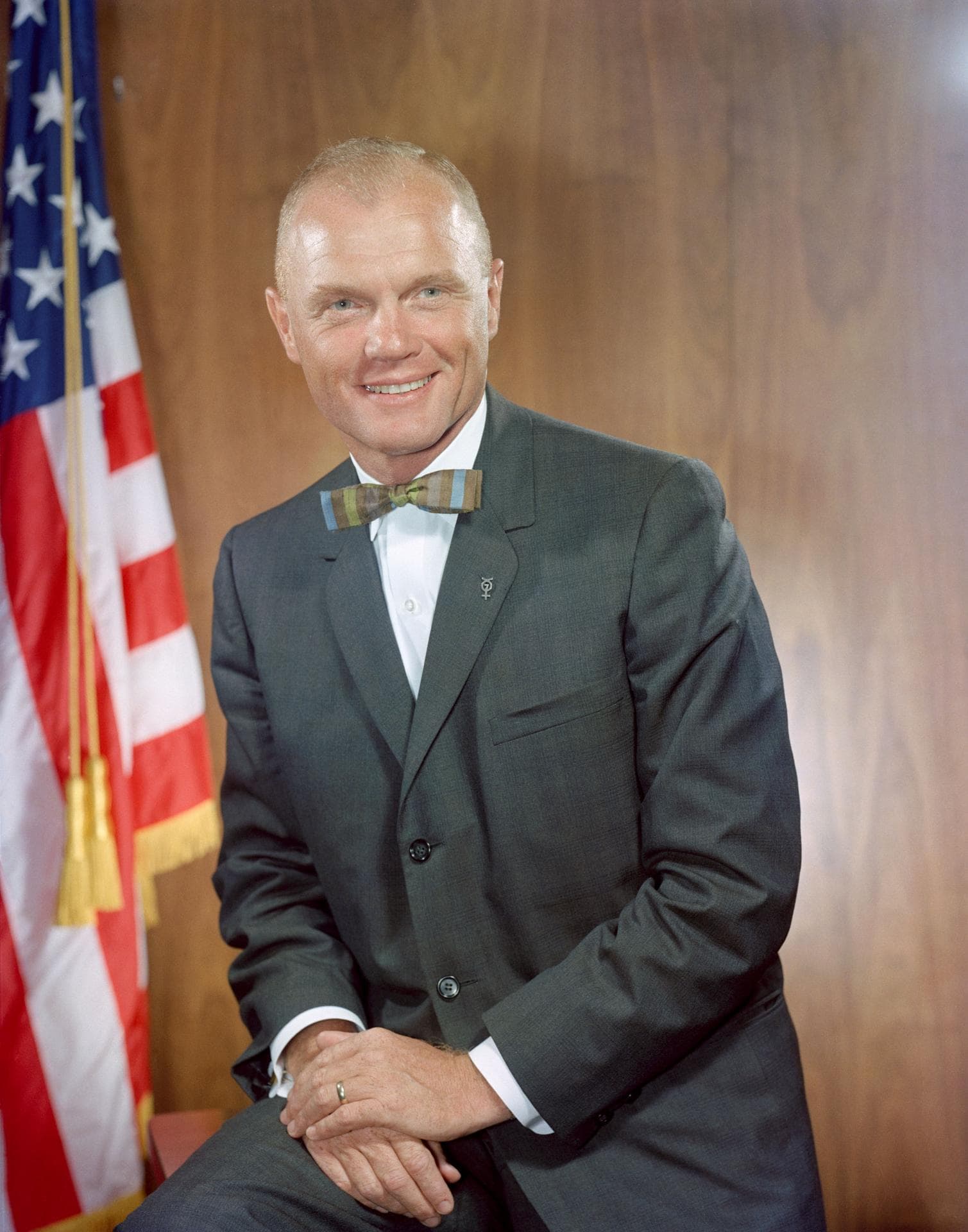
Crew
The astronauts assigned to command, operate, and carry out the mission.
Mission Goals
Mission objectives
- 01
Verify that the Mercury spacecraft could safely support a crewed orbital flight.
- 02
Evaluate the performance of the Atlas launch vehicle carrying a crewed payload.
- 03
Study astronaut performance and physiological responses during multi-orbit spaceflight.
- 04
Demonstrate procedures for orbital operations, retrofire, and reentry.
- 05
Test spacecraft environmental control systems over an extended flight.
- 06
Recover the spacecraft and pilot safely after orbital flight.
Fascinating Details
Did You Know?
Key did you know? recorded for this mission.
Glenn saw thousands of small, glowing particles drifting past his window during orbit, which he described as looking like fireflies.
The 'fireflies' were later identified as ice crystals shaken loose from the spacecraft's exterior, not any kind of atmospheric phenomenon.
A false sensor warning suggested the heat shield had come loose, leading engineers to keep the retrorocket package attached during reentry as a precaution.
That decision caused a dramatic, fiery reentry, with Glenn watching flaming debris from the burning retropack tumble past his window.
The heat shield had never actually loosened; the original warning turned out to be a faulty sensor reading.
Glenn took manual control of Friendship 7 for part of the flight after an autopilot malfunction.
An estimated four million people lined the streets of New York City for Glenn's ticker-tape parade.
Glenn later served 24 years as a United States Senator representing Ohio.
In 1998, at age 77, Glenn returned to space aboard Space Shuttle Discovery on mission STS-95, becoming the oldest person to fly in space at the time.
Mission Timeline
February 20, 1962 · 9:47 a.m. EST
Launch
Mercury-Atlas 6 lifted off from Launch Complex 14 at Cape Canaveral, carrying John Glenn toward Earth orbit after weeks of delay.
T+5 minutes
Orbital Insertion
Friendship 7 reached orbit, making Glenn the first American to circle the Earth.
First Orbit
The 'Fireflies'
Glenn reported thousands of small, glowing particles drifting past his window, later identified as ice crystals shaken loose from the spacecraft's exterior.
Second and Third Orbits
Manual Control and a Warning Light
Glenn took manual control after an autopilot malfunction, while Mission Control received a warning suggesting the spacecraft's landing bag and heat shield might have loosened.
Before Reentry
Retropack Left Attached
Engineers on the ground instructed Glenn to leave the spent retrorocket package strapped to the capsule during reentry as a precaution in case the heat shield had come loose.
Reentry
Fiery Descent
As the retropack burned away in the atmosphere, flaming debris tumbled past Glenn's window, and he could not immediately tell whether it was the retropack or the heat shield disintegrating.
February 20, 1962 · 2:43 p.m. EST
Splashdown
Friendship 7 splashed down safely in the Atlantic Ocean, and post-flight analysis confirmed the heat shield had never actually come loose.
Following Weeks
National Celebration
Glenn addressed a joint session of Congress and rode in a ticker-tape parade through New York City attended by an estimated four million people.
Mission Legacy
Legacy
Friendship 7 closed the gap the Soviet Union had opened in the space race, proving the United States could put an astronaut into orbit and bring him home safely. The flight's success, and Glenn's calm handling of a genuinely dangerous reentry, made him one of the most celebrated Americans of the twentieth century.
The mission also exposed real gaps in spacecraft telemetry and sensor reliability that NASA worked to close in subsequent Mercury flights, reinforcing the value of conservative, safety-first decision-making even when the underlying data later proved wrong.
Glenn's flight demonstrated that orbital spaceflight, not just brief suborbital hops, was within America's reach, building crucial momentum and public support for the more ambitious Gemini and Apollo programs that followed.
Decades later, Glenn's return to space aboard Discovery in 1998 bookended an extraordinary career, connecting the earliest days of American human spaceflight directly to the Space Shuttle era and inspiring a new generation to see spaceflight as something achievable at almost any stage of life.
Mission Photo Archive
Related Stories
Apollo
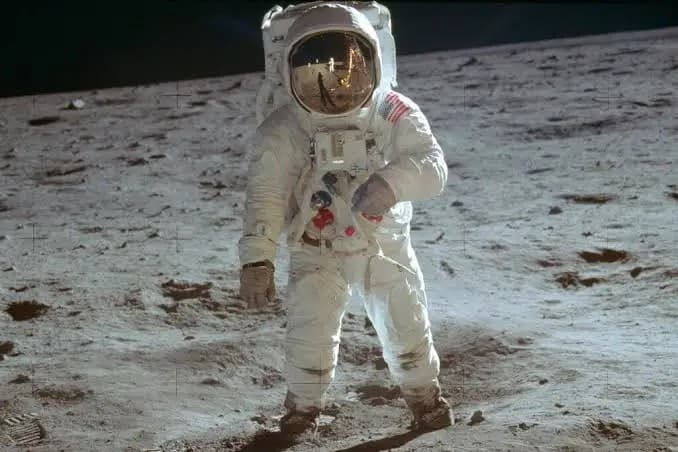
The Moon Photos That Still Feel Impossible
Before social media, astronauts brought back images that changed how humanity saw itself forever.
Read Article →
Artemis
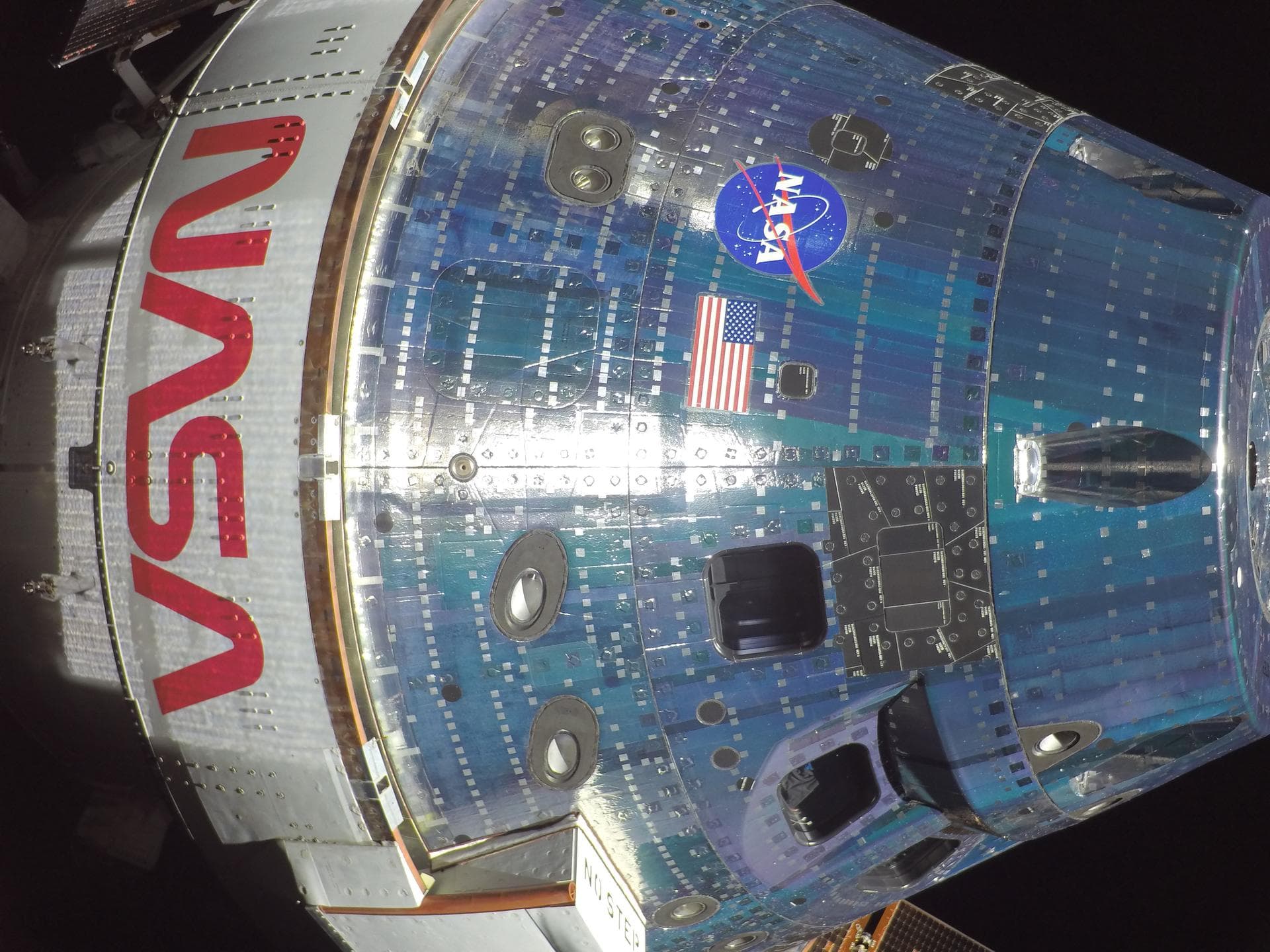
Why Artemis Will Change Lunar Exploration
NASA's return to the Moon is designed to become more sustainable, more international, and more ambitious than Apollo.
Read Article →
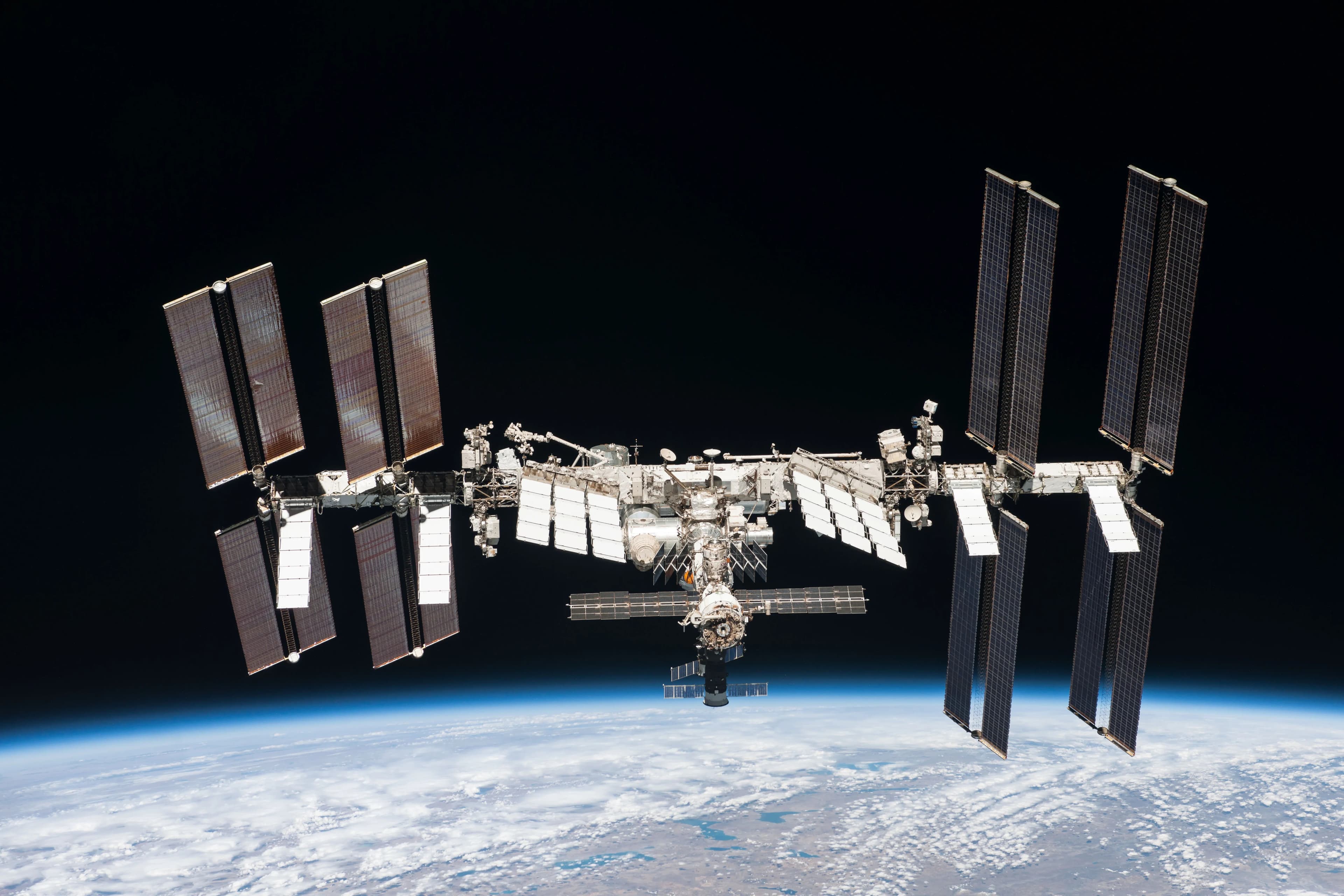
ISS
Life 250 Miles Above Earth
Inside the daily routine of astronauts living and working aboard the International Space Station.
Read Article →