Gemini
Gemini 8
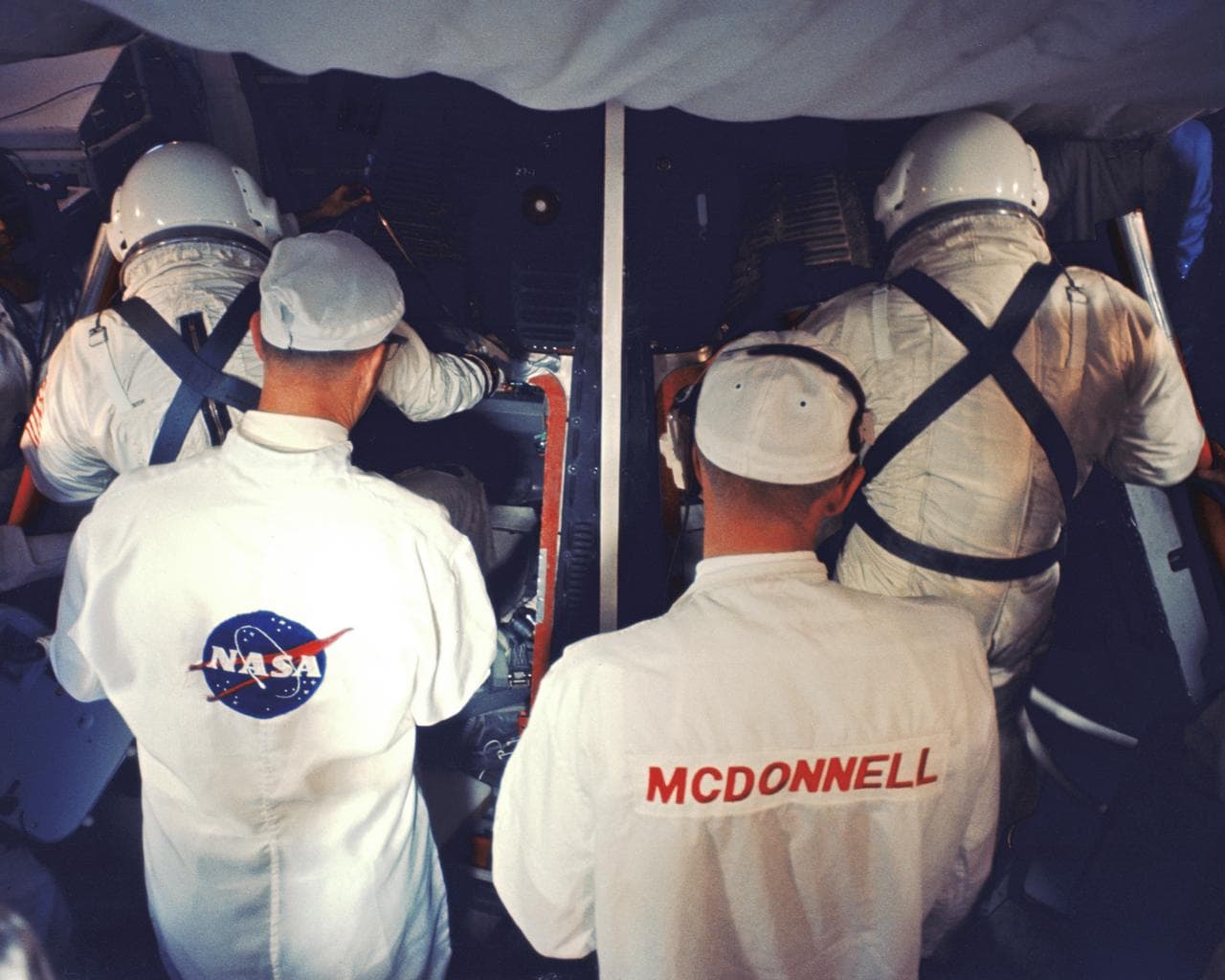
Gemini 8 achieved the first docking between two spacecraft in orbit, but a stuck thruster sent the combined vehicles into a violent spin minutes later, forcing Neil Armstrong to abort the mission in one of the most dangerous emergencies of the space program.
Launch
March 16, 1966
Duration
10 hours, 41 minutes
Crew
2 astronauts
Mission record
Gemini archive entry · Successful
Mission Overview
The mission
Gemini 8 achieved the first docking between two spacecraft in orbit, but a stuck thruster sent the combined vehicles into a violent spin minutes later, forcing Neil Armstrong to abort the mission in one of the most dangerous emergencies of the space program.
In Depth
The Full Story
Gemini 8 was supposed to be a three-day mission demonstrating rendezvous, docking, and a lengthy spacewalk. Instead, it became one of the most dangerous few minutes in the history of American human spaceflight, resolved only by Neil Armstrong's exceptional composure under pressure.
Launched on March 16, 1966, with Armstrong as command pilot and David Scott as pilot, Gemini 8 successfully rendezvoused with an uncrewed Agena target vehicle that had launched about 100 minutes earlier. Armstrong guided the spacecraft to a smooth docking, the first time two spacecraft had ever joined together in orbit, a major milestone that Apollo's lunar missions would depend on completely.
The triumph lasted less than half an hour. Shortly after docking, the combined Gemini-Agena vehicle began to roll unexpectedly. Armstrong initially suspected the problem originated in the Agena and undocked to investigate, but the tumbling only grew worse once Gemini 8 was flying alone, revealing that a stuck-open thruster on the Gemini spacecraft itself was the true cause. The spacecraft began spinning at nearly one revolution per second, fast enough to risk the crew losing consciousness or the structure failing entirely.
With his vision beginning to blur from the violent rotation, Armstrong made the critical decision to activate the spacecraft's reentry control system, a set of thrusters normally reserved for use during descent, to regain control. The maneuver worked, stopping the spin, but using the reentry thrusters meant mission rules required an immediate end to the flight. Armstrong and Scott splashed down in the Pacific Ocean less than eleven hours after launch, a fraction of the planned three-day mission, but alive and in control of their spacecraft after facing what many at NASA considered one of the closest calls of the entire program.
Mission Details
Official Designation
Gemini-Titan 8 (GT-8)
Mission Type
First Docking in Space
Launch Date
March 16, 1966
Mission Duration
10 hours, 41 minutes
Command Pilot
Neil A. Armstrong
Pilot
David R. Scott
Spacecraft
Gemini Spacecraft 8
Launch Vehicle
Titan II GLV
Launch Site
Launch Complex 19, Cape Canaveral
Splashdown
Pacific Ocean (emergency landing)
Mission Result
Successful (mission cut short by emergency)
Historic Achievement
First Docking Between Two Spacecraft in Orbit
Mission by the Numbers
Mission Statistics
Mission Type
First Docking in Space
Launch Vehicle
Titan II GLV
Crew
2 astronauts
Status
Successful
The People Behind the Mission
Crew
The astronauts assigned to command, operate, and carry out the mission.
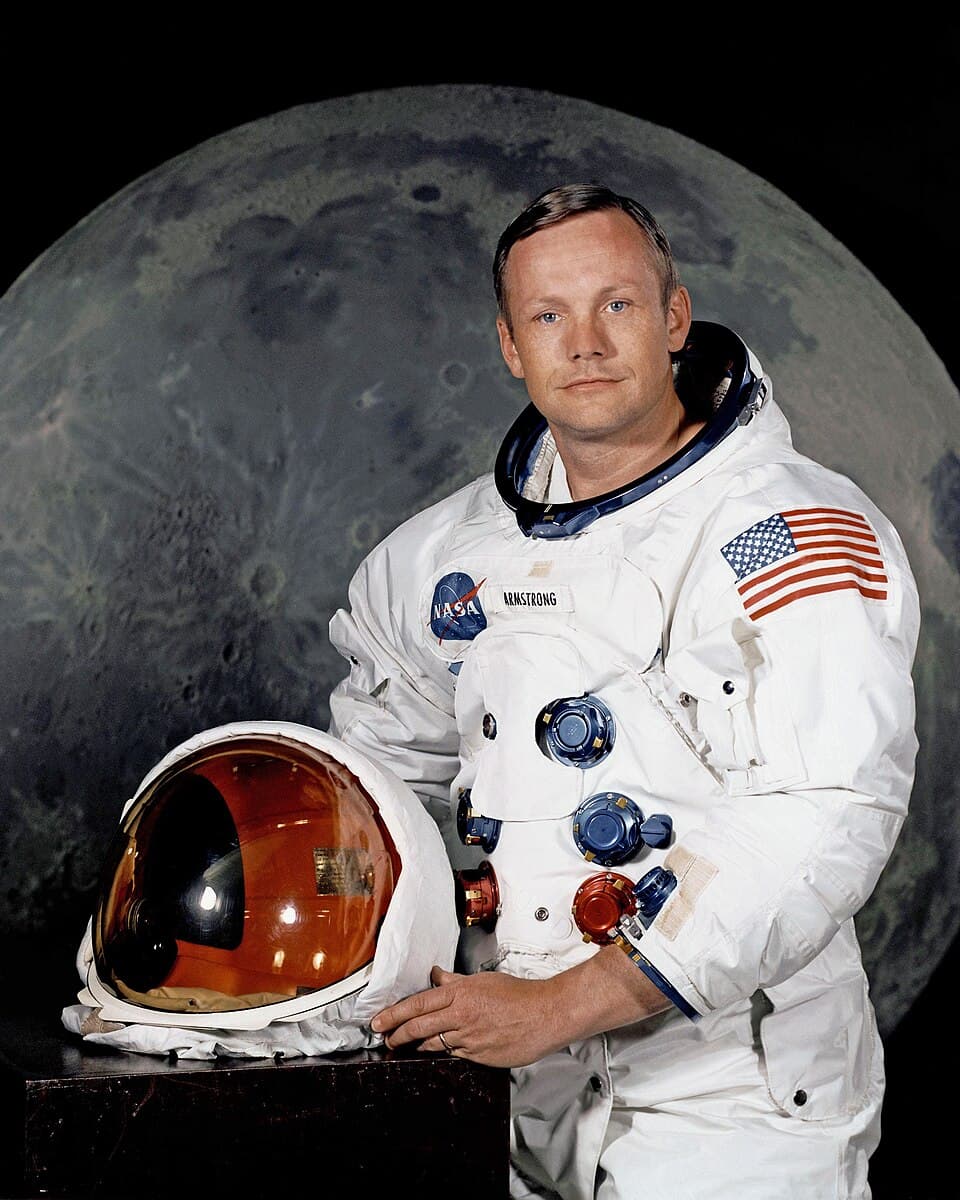
Command Pilot
Neil Armstrong
Neil Armstrong was the commander of Apollo 11 and became the first human to walk on the Moon.
View Astronaut →
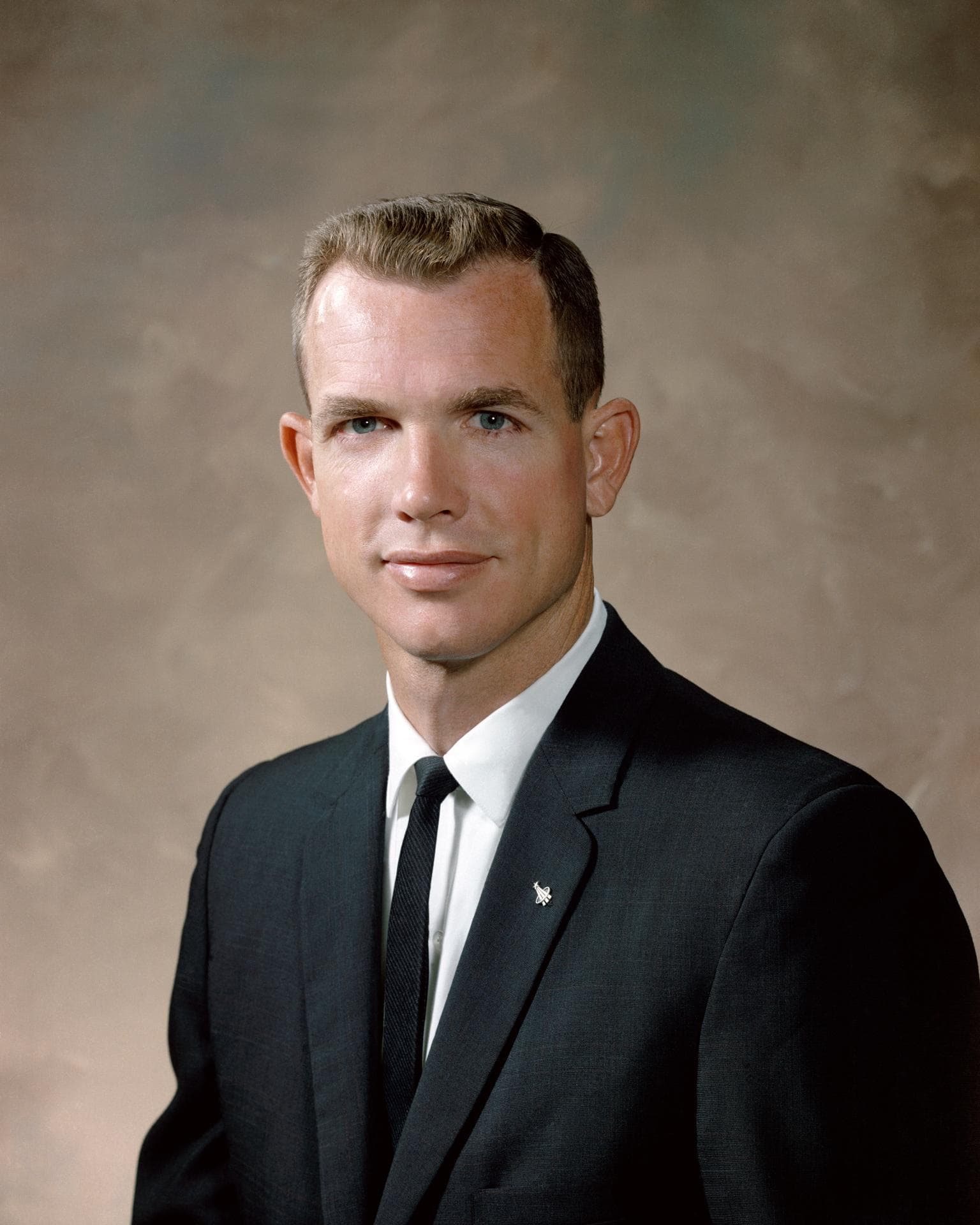
Pilot
David Scott
David Scott flew on Gemini 8's dramatic emergency flight, tested the Lunar Module on Apollo 9, and commanded Apollo 15, driving the first lunar rover on the Moon.
View Astronaut →
Mission Goals
Mission objectives
- 01
Achieve the first docking between two spacecraft in orbit.
- 02
Evaluate the combined Gemini-Agena vehicle's systems and handling characteristics.
- 03
Conduct an extended spacewalk to test astronaut mobility outside the spacecraft.
- 04
Demonstrate rendezvous techniques using an active target vehicle.
- 05
Respond safely to any in-flight emergencies using the spacecraft's onboard systems.
Fascinating Details
Did You Know?
Key did you know? recorded for this mission.
Gemini 8 achieved the first docking between two spacecraft in orbit, a milestone essential to Apollo's lunar missions.
A stuck-open thruster caused the spacecraft to spin at nearly one revolution per second, fast enough to blur the crew's vision.
Armstrong initially suspected the Agena was the source of the problem and undocked from it, only to discover the issue was in his own spacecraft.
Using the reentry control system to stop the spin automatically triggered mission rules requiring an immediate end to the flight.
The planned extended spacewalk by David Scott had to be cancelled entirely due to the emergency abort.
Gemini 8 splashed down in the Pacific Ocean, a backup recovery zone, rather than the planned Atlantic landing site.
Armstrong's composed handling of the emergency became one of the most cited examples of his piloting skill, three years before he commanded Apollo 11.
Mission Timeline
March 16, 1966 · 10:00 a.m. EST
Agena Launch
An uncrewed Agena target vehicle launched roughly 100 minutes ahead of Gemini 8, positioned in orbit to serve as the mission's docking target.
March 16, 1966 · 11:41 a.m. EST
Gemini 8 Launch
Gemini 8 lifted off from Launch Complex 19 at Cape Canaveral, carrying Neil Armstrong and David Scott toward rendezvous with the Agena.
Later That Day
First Docking in Space
Armstrong guided Gemini 8 to a smooth docking with the Agena target vehicle, achieving the first joining of two spacecraft in orbit.
Minutes After Docking
Uncontrolled Tumbling Begins
The combined Gemini-Agena vehicle began rolling unexpectedly; Armstrong undocked to investigate, but the tumbling worsened once Gemini 8 was flying alone.
Emergency
Near-Loss of Control
A stuck-open thruster on Gemini 8 spun the spacecraft at nearly one revolution per second, threatening the crew with disorientation, blurred vision, or structural failure.
Critical Moment
Armstrong Regains Control
Armstrong activated the spacecraft's reentry control thrusters to stop the spin, a maneuver that worked but required mission rules to trigger an immediate mission abort.
March 16, 1966 · 10:22 p.m. EST
Emergency Splashdown
Gemini 8 splashed down safely in the Pacific Ocean less than eleven hours after launch, cutting the planned three-day mission dramatically short.
Mission Legacy
Legacy
Gemini 8's near-disaster became a defining case study in emergency spacecraft handling. Armstrong's calm, methodical diagnosis and resolution of a life-threatening malfunction, executed while spinning too fast to focus his vision, demonstrated exactly the kind of composure NASA needed from the astronauts who would eventually fly to the Moon.
The mission's successful docking, brief as the achievement's aftermath was, proved the core technique Apollo's lunar missions absolutely required. Every later Gemini docking flight, and every Apollo command and lunar module rendezvous, built on the procedures validated in that first, dramatic joining of two spacecraft.
Gemini 8 also reinforced how seriously NASA took onboard emergency procedures and abort criteria. The mission rules that forced an immediate splashdown after Armstrong used the reentry thrusters, even though the crew and spacecraft were otherwise fine, reflected a conservative safety culture that prioritized crew survival over completing mission objectives, a philosophy that shaped NASA's approach for the rest of the human spaceflight program.
Mission Photo Archive
Related Stories
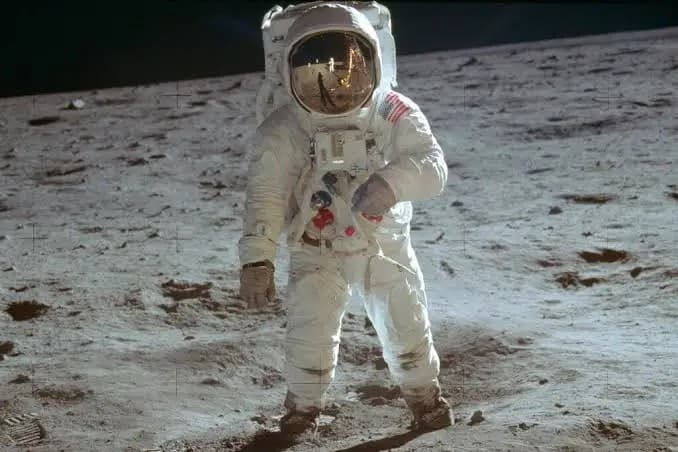
Apollo
The Moon Photos That Still Feel Impossible
Before social media, astronauts brought back images that changed how humanity saw itself forever.
Read Article →
Artemis
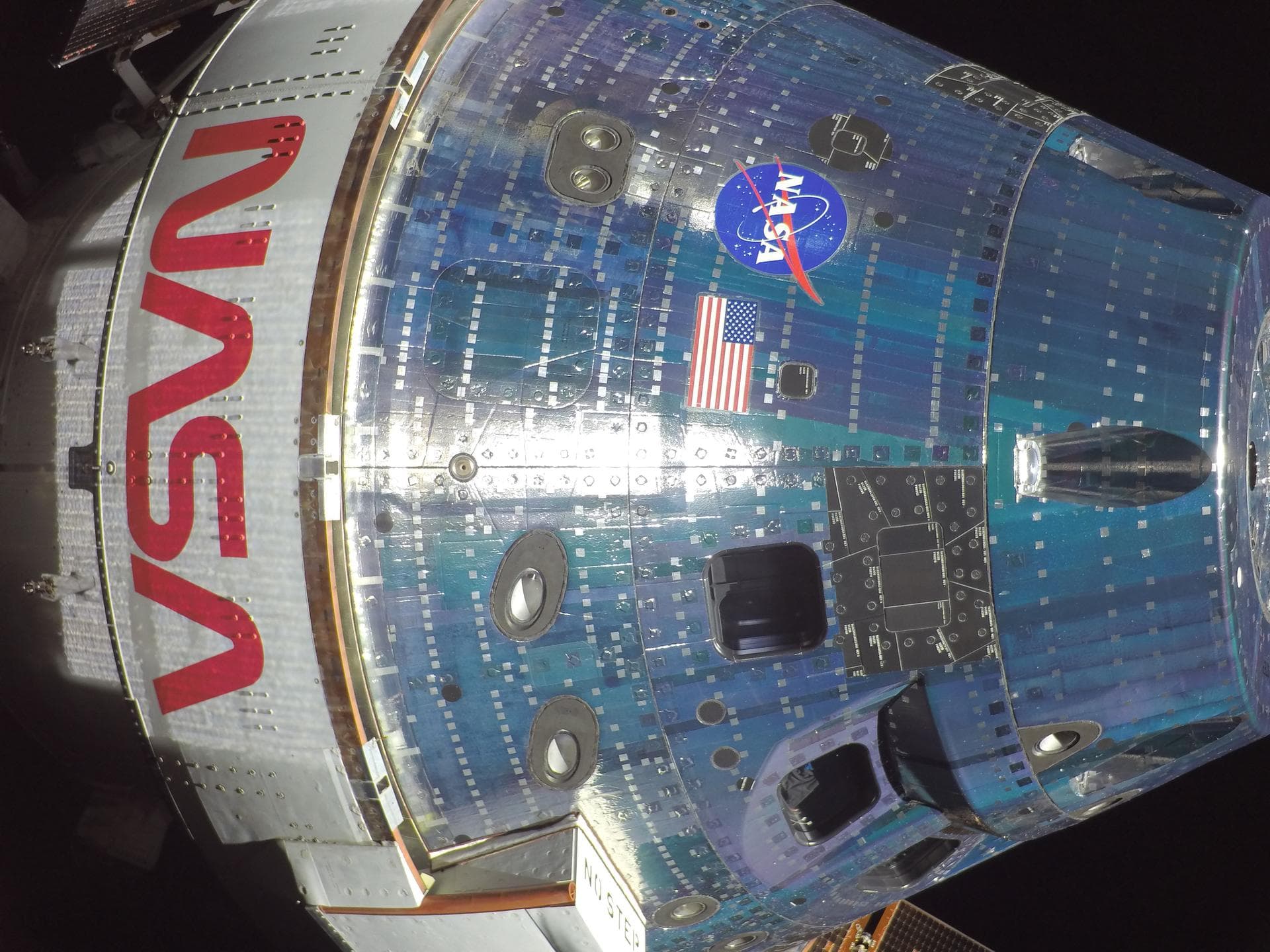
Why Artemis Will Change Lunar Exploration
NASA's return to the Moon is designed to become more sustainable, more international, and more ambitious than Apollo.
Read Article →
ISS
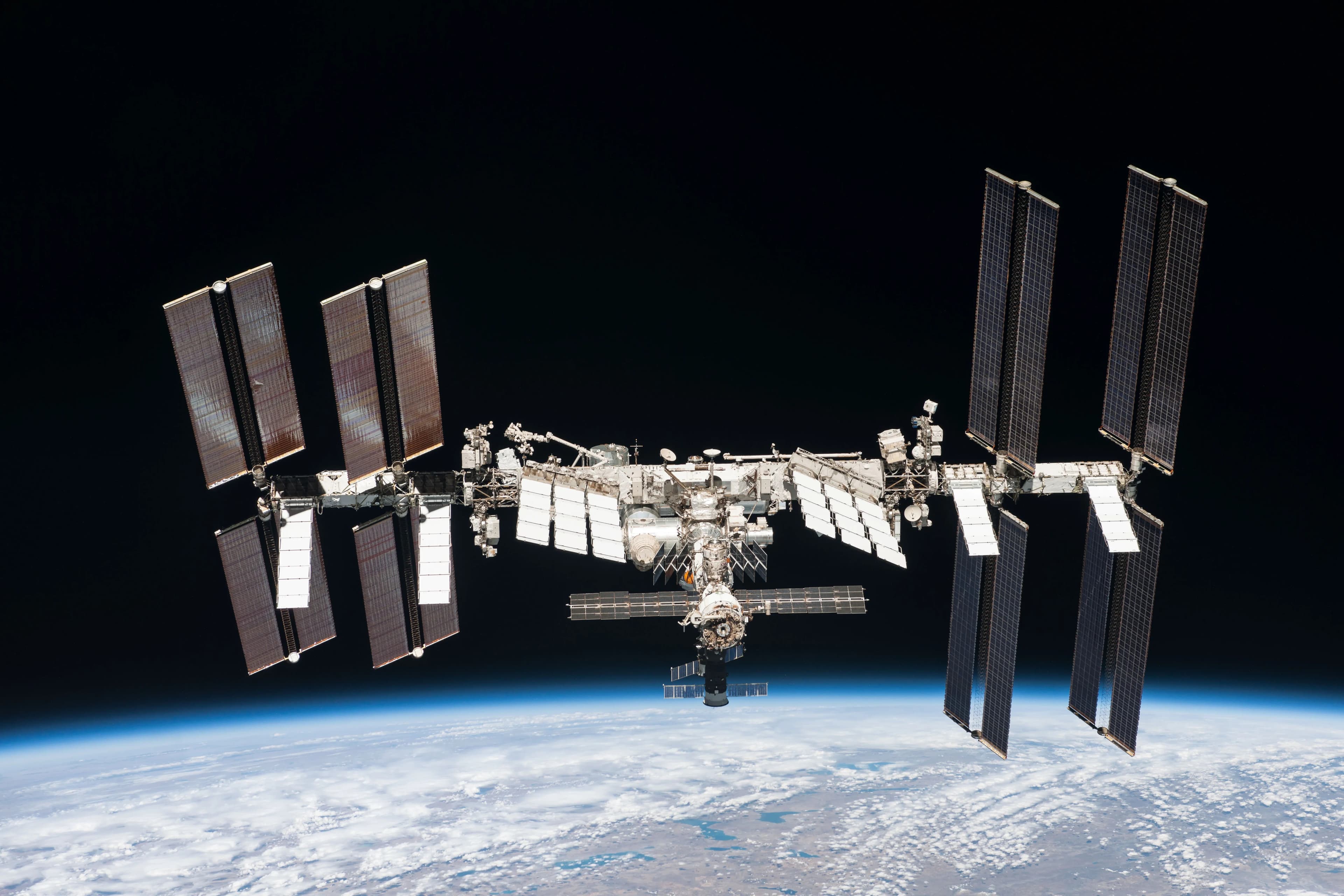
Life 250 Miles Above Earth
Inside the daily routine of astronauts living and working aboard the International Space Station.
Read Article →