Mercury
Faith 7
Faith 7 was the longest and final flight of Project Mercury, sending Gordon Cooper on 22 orbits of Earth over more than 34 hours, during which he became the first American to sleep in space and executed a flawless manual reentry after a series of electrical failures.
Launch
May 15, 1963
Duration
34 hours, 19 minutes, 49 seconds
Crew
1 astronaut
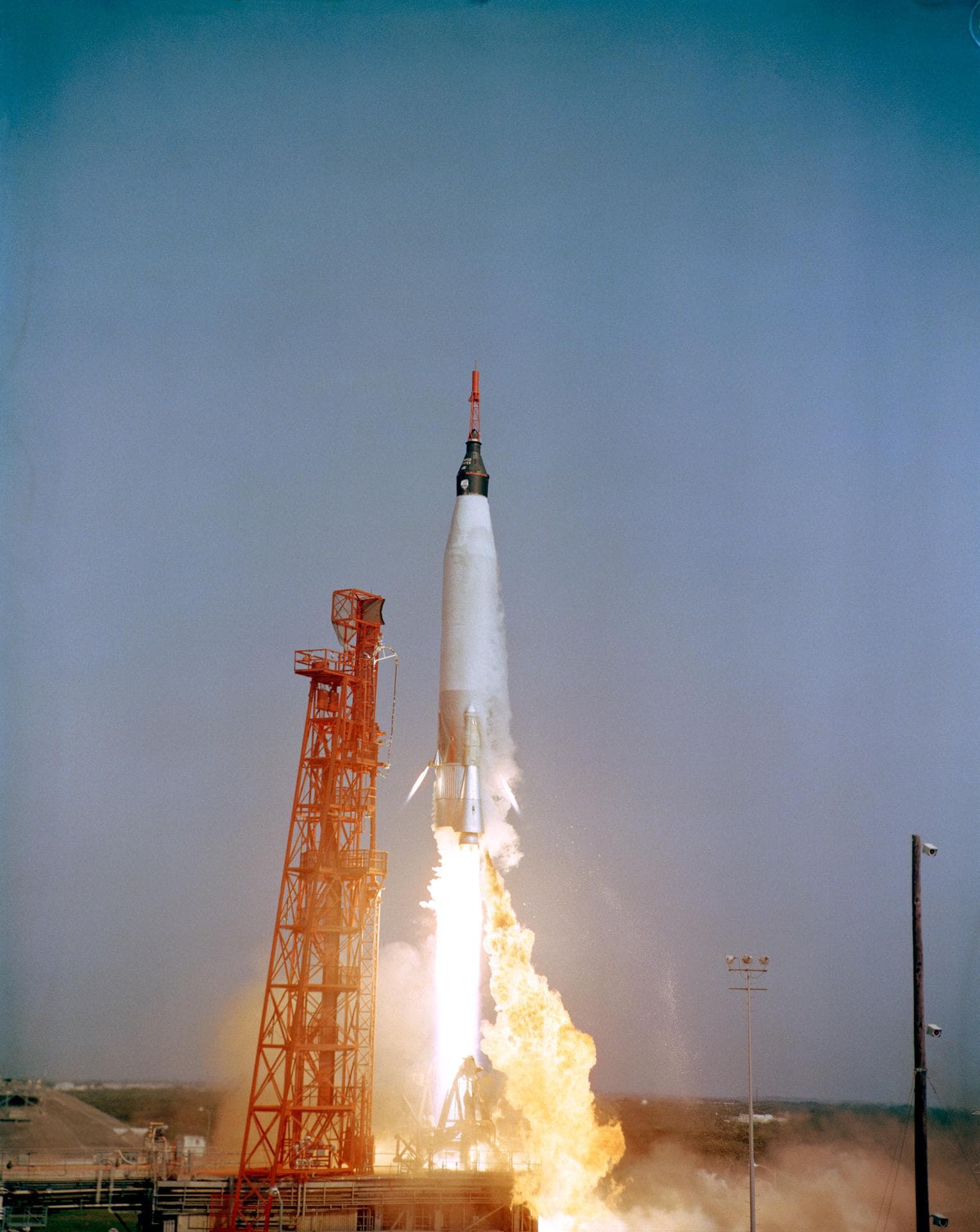
Mission record
Mercury archive entry · Successful
Mission Overview
The mission
Faith 7 was the longest and final flight of Project Mercury, sending Gordon Cooper on 22 orbits of Earth over more than 34 hours, during which he became the first American to sleep in space and executed a flawless manual reentry after a series of electrical failures.
In Depth
The Full Story
Faith 7 was designed to answer the question the earlier Mercury flights had only begun to explore: could an astronaut function effectively over a full day or more in space? Gordon Cooper's mission, launched on May 15, 1963, would fly farther and longer than any American spaceflight before it, completing 22 orbits of Earth over more than 34 hours.
Much of the flight went smoothly. Cooper conducted scientific observations, tested a small satellite deployed from the capsule to study visibility in orbit, and became the first American astronaut to sleep in space, dozing through multiple orbits as Faith 7 circled the planet. His steady, easygoing demeanor throughout the long flight earned him a reputation as one of the calmest pilots in the astronaut corps.
Late in the mission, however, Faith 7 began experiencing a cascading series of electrical problems. A short circuit disrupted onboard instruments, carbon dioxide levels in the cabin began to rise, and the spacecraft's automatic attitude control system ultimately failed entirely. With the automated systems no longer reliable, Cooper faced the prospect of flying the reentry almost entirely by hand.
Drawing on his training and a improvised system using his wristwatch and the stars visible through his window to time and align the spacecraft, Cooper manually oriented Faith 7 for retrofire and flew the most precise reentry of the entire Mercury program, splashing down only about four miles from the recovery carrier USS Kearsarge, closer than any previous Mercury flight had managed even with fully automated systems working.
Mission Details
Official Designation
Mercury-Atlas 9 (MA-9)
Mission Type
Final Mercury Mission
Launch Date
May 15, 1963
Mission Duration
34 hours, 19 minutes, 49 seconds
Pilot
L. Gordon Cooper Jr.
Spacecraft
Mercury Capsule 20 'Faith 7'
Launch Vehicle
Atlas
Launch Site
Launch Complex 14, Cape Canaveral
Orbits Completed
22
Splashdown
Pacific Ocean
Landing Accuracy
Approximately 4 miles from recovery carrier
Recovery Ship
USS Kearsarge
Mission Result
Successful
Historic Achievement
Longest and Final Mercury Flight
Mission by the Numbers
Mission Statistics
Mission Type
Final Mercury Mission
Launch Vehicle
Mercury-Atlas 9
Crew
1 astronauts
Status
Successful
The People Behind the Mission
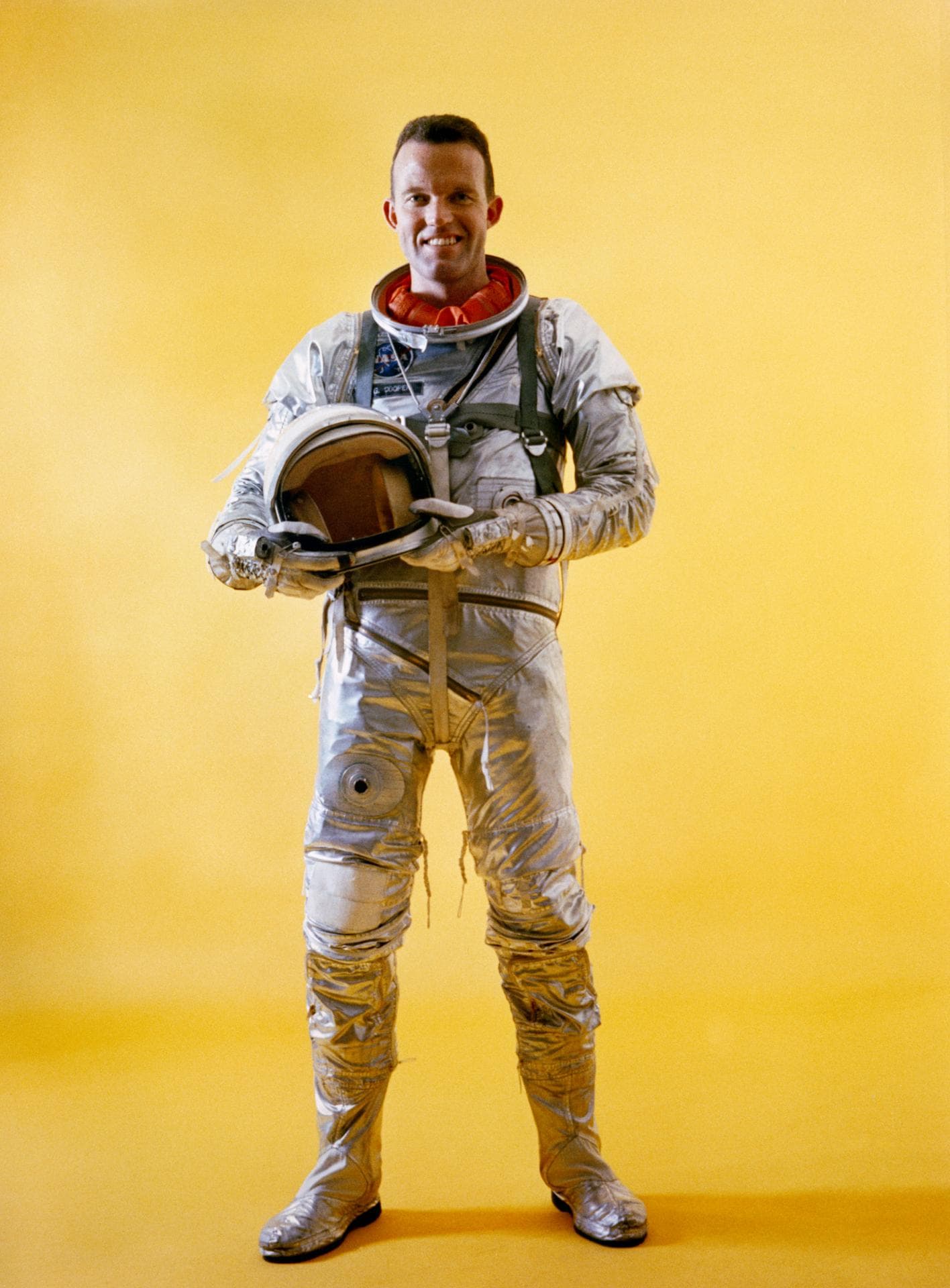
Crew
The astronauts assigned to command, operate, and carry out the mission.
Mission Goals
Mission objectives
- 01
Evaluate astronaut performance and endurance over an extended, multi-day-length flight.
- 02
Complete 22 orbits of Earth, more than tripling the flight time of any previous Mercury mission.
- 03
Test the capability of an astronaut to sleep and rest effectively in orbit.
- 04
Deploy and track a small satellite to study visibility from a spacecraft in orbit.
- 05
Demonstrate manual spacecraft control and reentry procedures if automated systems failed.
- 06
Close out Project Mercury by validating spacecraft and crew readiness for longer future missions.
Fascinating Details
Did You Know?
Key did you know? recorded for this mission.
Gordon Cooper became the first American astronaut to sleep in space during Faith 7's more than 34-hour flight.
Faith 7 completed 22 orbits of Earth, more than tripling the flight time of any previous American crewed spaceflight.
Cooper deployed a small satellite from the capsule to study how visible a spacecraft-launched object was from orbit.
Late in the flight, a cascading series of electrical failures knocked out the spacecraft's automatic attitude control system entirely.
With no working autopilot, Cooper used his wristwatch and the stars outside his window to manually time and align the spacecraft for retrofire.
Cooper's manual reentry was the most accurate landing of the entire Mercury program, splashing down about four miles from the recovery carrier.
Faith 7 was the sixth and final flight of Project Mercury, closing out the program before Gemini began.
Cooper later commanded Gemini 5 in 1965, an eight-day flight that set a new spaceflight endurance record.
Mission Timeline
May 15, 1963 · 8:04 a.m. EST
Launch
Mercury-Atlas 9 lifted off from Launch Complex 14 at Cape Canaveral, carrying Gordon Cooper on what would become the longest Mercury flight.
Early Orbits
Satellite Deployment
Cooper deployed a small satellite from Faith 7 to study its visibility from the spacecraft, one of several science tasks planned for the extended mission.
Mid-Mission
First American to Sleep in Space
Cooper rested through multiple orbits, becoming the first American astronaut to sleep during spaceflight.
Orbit 19
Electrical Problems Begin
A short circuit disrupted onboard instruments and carbon dioxide levels in the cabin began to rise, the first signs of a developing systems failure.
Final Orbits
Automatic Control Fails
The spacecraft's automatic attitude control system failed entirely, forcing Cooper to prepare for a fully manual reentry.
Retrofire
Manual Reentry
Using his wristwatch and the stars visible through his window to time and align the spacecraft, Cooper manually oriented Faith 7 and fired the retrorockets by hand.
May 16, 1963 · 6:24 p.m. EST
Splashdown
Faith 7 splashed down in the Pacific Ocean approximately four miles from the recovery carrier USS Kearsarge, the most accurate landing of the entire Mercury program.
Mission Complete
Project Mercury Ends
Faith 7 marked the successful conclusion of Project Mercury, clearing the way for NASA's two-person Gemini program.
Mission Legacy
Legacy
Faith 7 proved that human beings could function effectively in space for well over a day, a finding essential to justifying NASA's next major step: the two-person, multi-day missions of Project Gemini that would rehearse the rendezvous and docking techniques Apollo would need.
Cooper's composure during a genuine in-flight emergency, calmly working through a cascading systems failure and manually flying one of the most accurate reentries in the program's history, became a defining example of the value of rigorous astronaut training over pure automation.
The mission closed out Project Mercury on a high note after six crewed flights that had taken the United States from a fifteen-minute suborbital hop to a full day and a half in orbit in barely two years. Every subsequent American human spaceflight program built directly on the foundation Mercury established.
Faith 7's success also validated hardware and procedures, from spacecraft systems to recovery operations, that NASA carried forward with confidence into Gemini, setting the stage for the increasingly ambitious missions that would ultimately lead to the Moon.
Mission Photo Archive
Related Stories
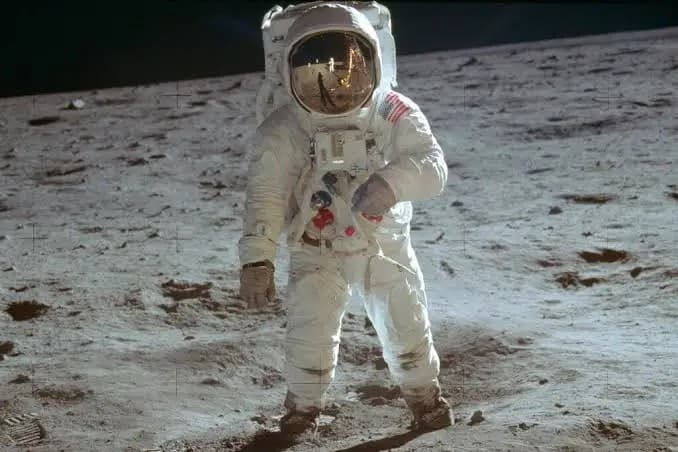
Apollo
The Moon Photos That Still Feel Impossible
Before social media, astronauts brought back images that changed how humanity saw itself forever.
Read Article →
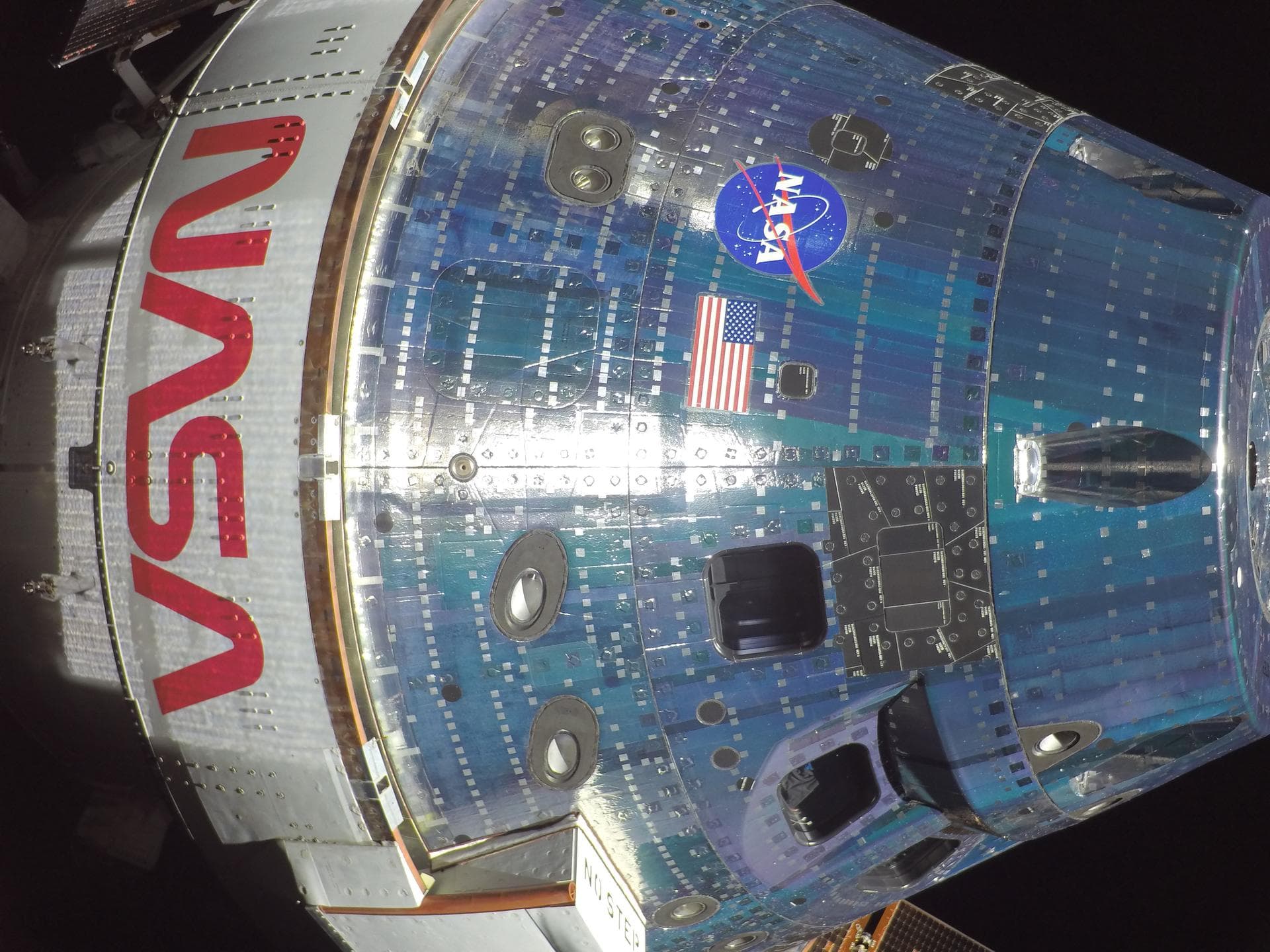
Artemis
Why Artemis Will Change Lunar Exploration
NASA's return to the Moon is designed to become more sustainable, more international, and more ambitious than Apollo.
Read Article →
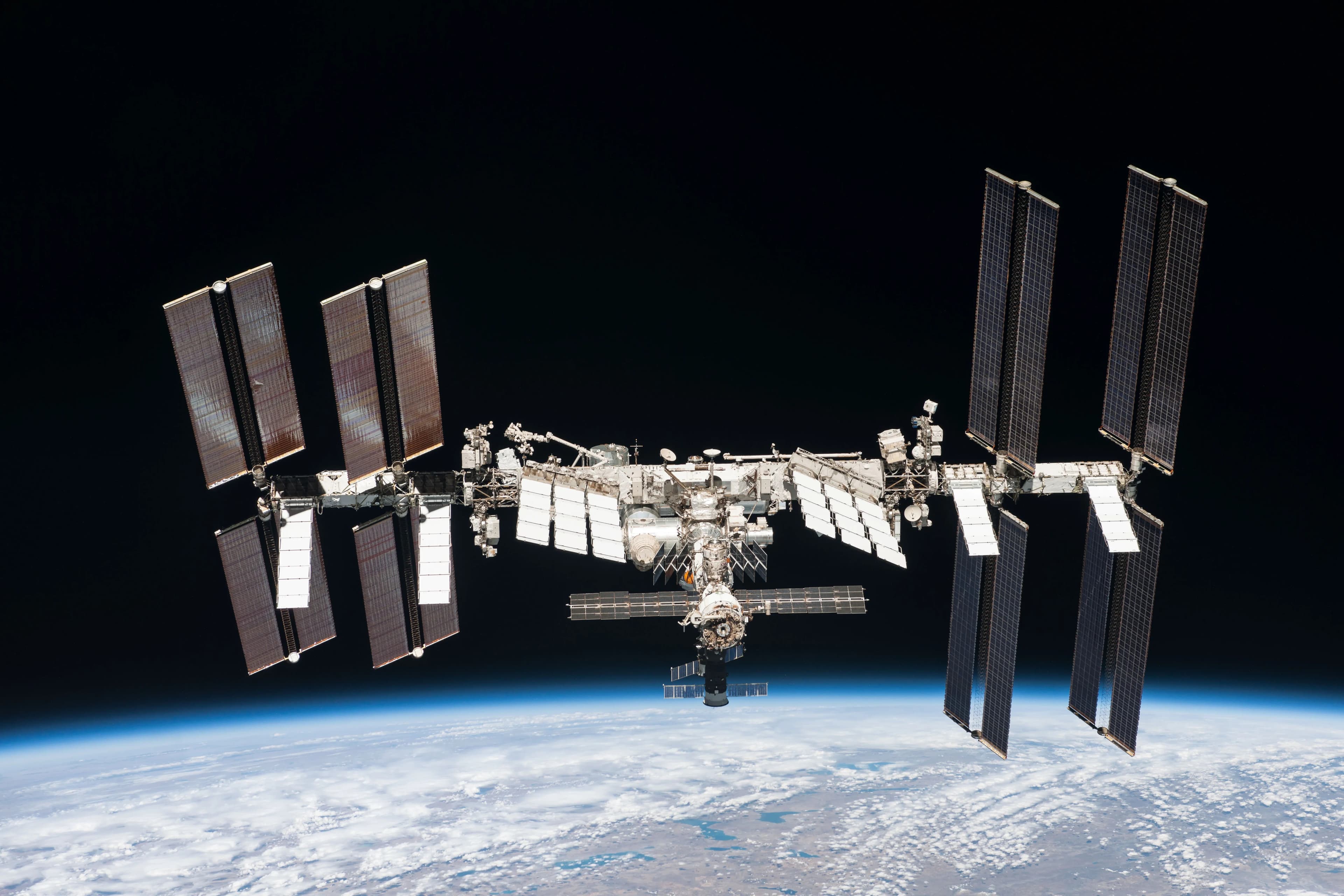
ISS
Life 250 Miles Above Earth
Inside the daily routine of astronauts living and working aboard the International Space Station.
Read Article →