Gemini
Gemini 6A
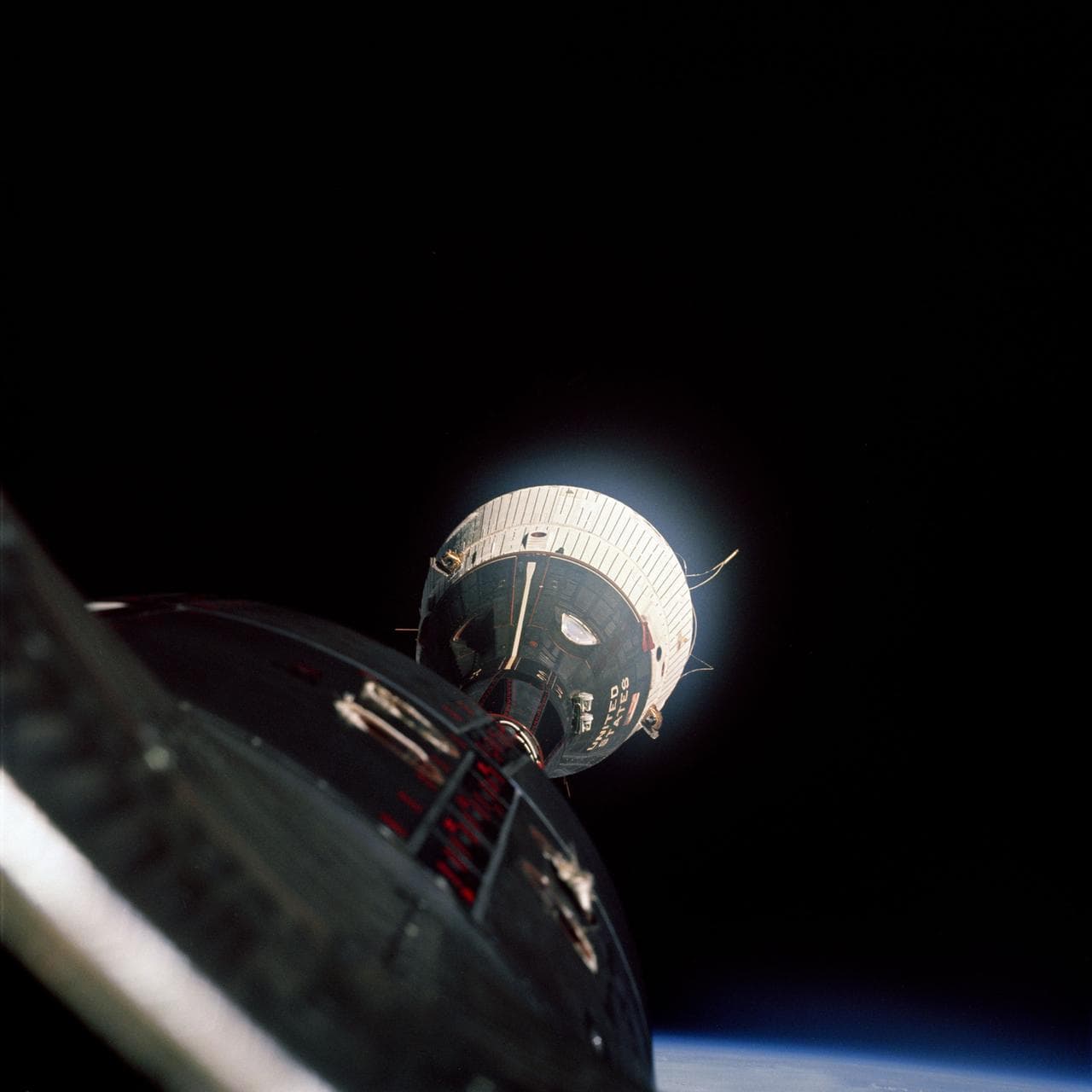
Gemini 6A achieved history's first rendezvous between two crewed spacecraft, closing to within a foot of Gemini 7 in orbit after its original Agena docking target was lost in a launch failure.
Launch
December 15, 1965
Duration
1 day, 1 hour, 51 minutes
Crew
2 astronauts
Mission record
Gemini archive entry · Successful
Mission Overview
The mission
Gemini 6A achieved history's first rendezvous between two crewed spacecraft, closing to within a foot of Gemini 7 in orbit after its original Agena docking target was lost in a launch failure.
In Depth
The Full Story
Gemini 6A almost never flew as planned. The original mission, Gemini 6, was designed to rendezvous and dock with an uncrewed Agena target vehicle, but on October 25, 1965, the Agena exploded during its own launch, destroying the docking target before Wally Schirra and Tom Stafford ever left the ground. Rather than scrap the mission entirely, NASA engineers proposed a bold alternative: launch Gemini 6 after Gemini 7 was already in orbit, and rendezvous with that spacecraft instead.
The redesigned mission, redesignated Gemini 6A, faced its own dramatic false start. On December 12, 1965, the Titan II booster ignited on the pad but shut down after just over a second, before liftoff. Schirra, following his training precisely, kept his hand off the abort handle, correctly judging that the spacecraft had not actually left the pad and that ejecting would have been more dangerous than staying put, a split-second decision that likely saved the mission and possibly the crew.
Three days later, on December 15, Gemini 6A launched successfully and began the delicate work of catching up to Gemini 7, already eleven days into its own marathon flight. Using a series of precisely calculated orbital maneuvers, Schirra guided the spacecraft closer and closer until Gemini 6A and Gemini 7 were flying in formation within a foot of each other, close enough for Schirra and Stafford to see Borman and Lovell through their windows.
For more than five hours, the two spacecraft flew in tandem, testing station-keeping techniques and proving that precise rendezvous in orbit was achievable, a capability Apollo's lunar missions would depend on completely. Gemini 6A separated from Gemini 7 and returned to Earth the next day, its short but historically pivotal flight complete.
Mission Details
Official Designation
Gemini-Titan 6A (GT-6A)
Mission Type
First Space Rendezvous
Launch Date
December 15, 1965
Mission Duration
1 day, 1 hour, 51 minutes
Command Pilot
Walter M. 'Wally' Schirra Jr.
Pilot
Thomas P. Stafford
Spacecraft
Gemini Spacecraft 6
Launch Vehicle
Titan II GLV
Launch Site
Launch Complex 19, Cape Canaveral
Orbits Completed
16
Closest Approach to Gemini 7
Approximately 1 foot
Splashdown
Atlantic Ocean
Mission Result
Successful
Historic Achievement
First Space Rendezvous
Mission by the Numbers
Mission Statistics
Mission Type
First Space Rendezvous
Launch Vehicle
Titan II GLV
Crew
2 astronauts
Status
Successful
The People Behind the Mission
Crew
The astronauts assigned to command, operate, and carry out the mission.
Command Pilot
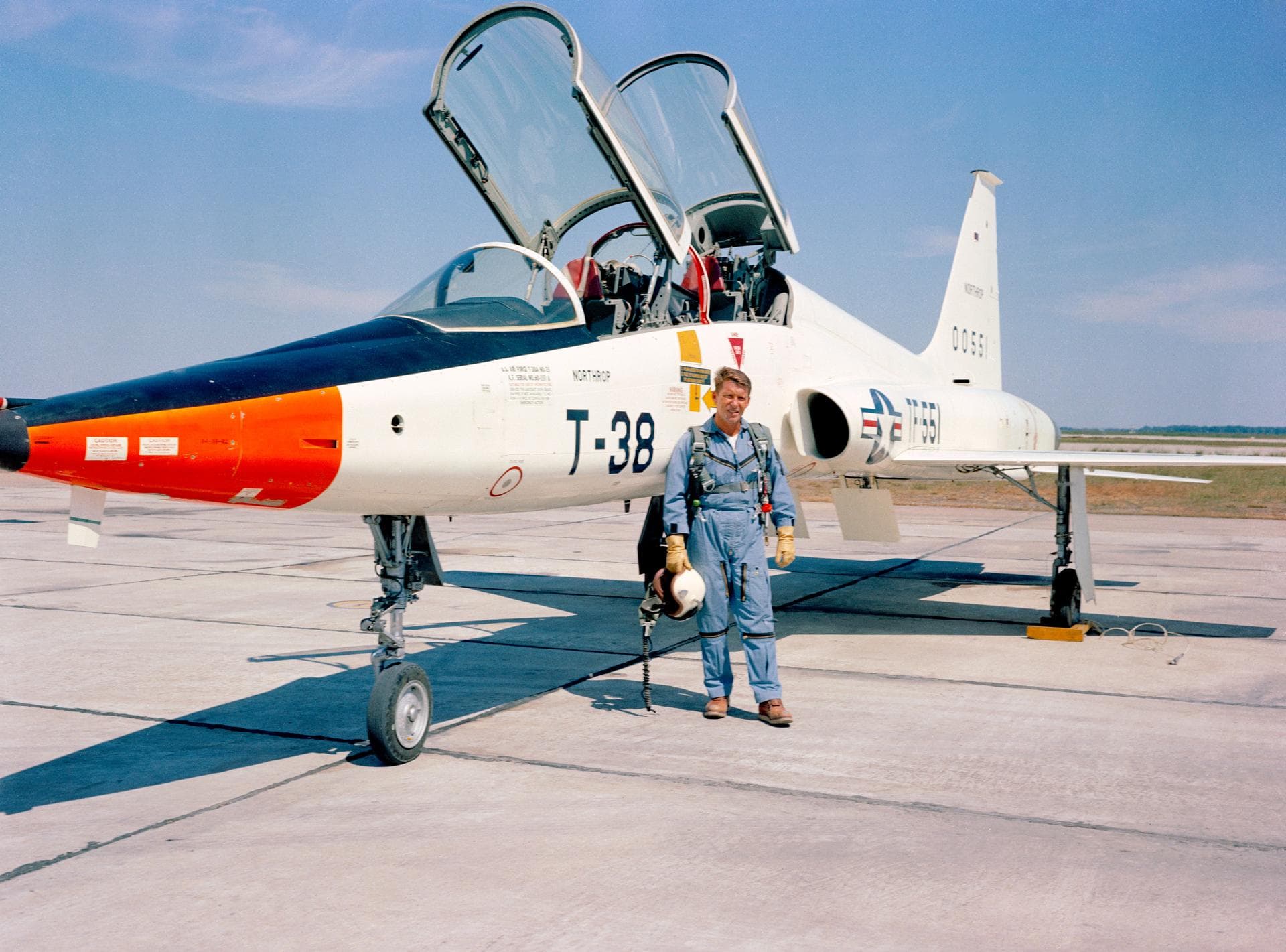
Wally Schirra
Wally Schirra piloted Sigma 7 on a near-flawless orbital flight and remains the only astronaut to fly Mercury, Gemini, and Apollo missions.
View Astronaut →
Pilot
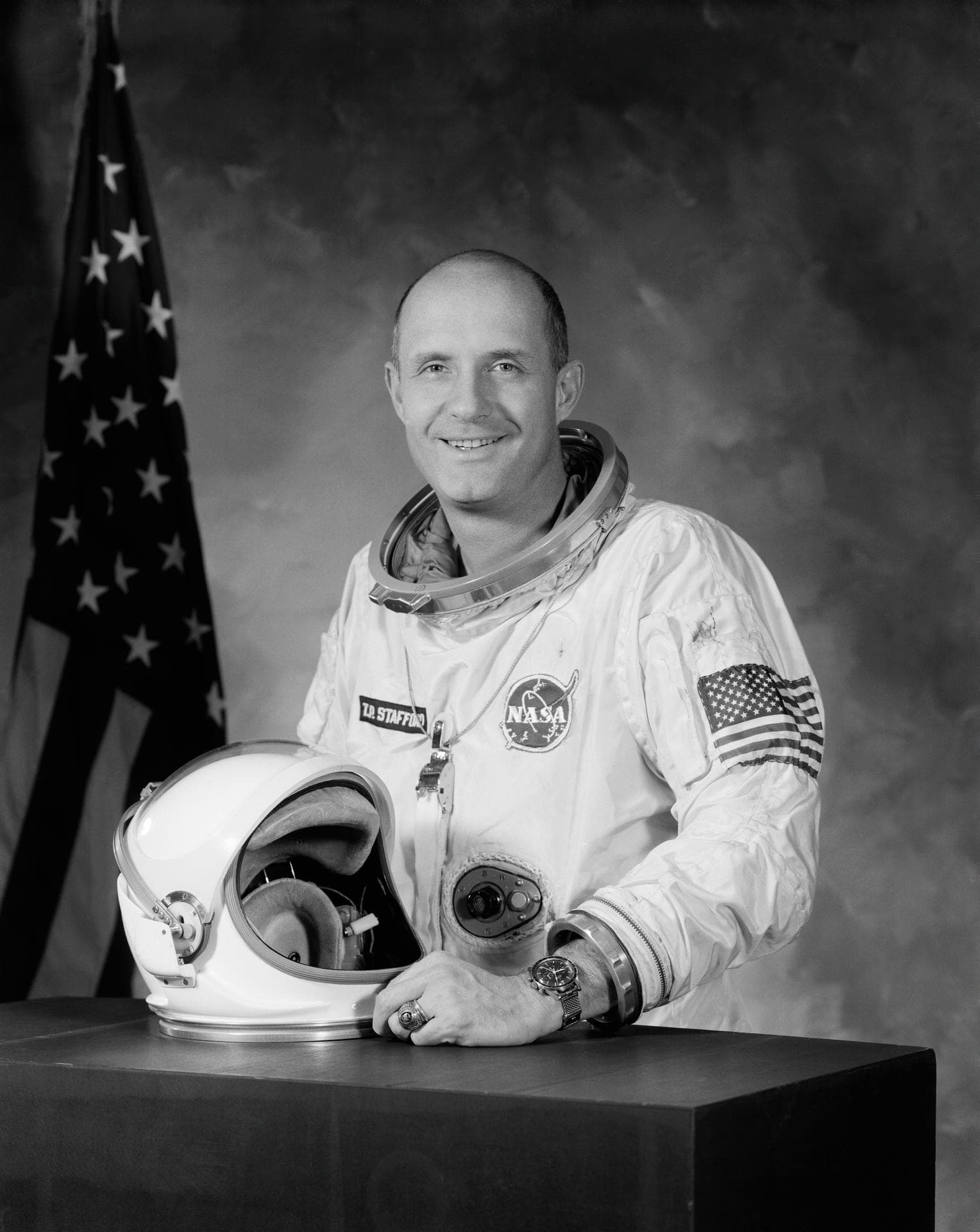
Tom Stafford
Tom Stafford flew on Gemini 6A's historic first space rendezvous, commanded Gemini 9A, and later commanded Apollo 10's dress rehearsal for the Moon landing.
View Astronaut →
Mission Goals
Mission objectives
- 01
Achieve the first rendezvous between two crewed spacecraft in orbit.
- 02
Demonstrate precise orbital maneuvering to close distance with another spacecraft.
- 03
Test station-keeping techniques at close range for extended periods.
- 04
Validate the piloting and computational techniques rendezvous would require for Apollo.
- 05
Recover successfully from the loss of the mission's original Agena docking target.
Fascinating Details
Did You Know?
Key did you know? recorded for this mission.
Gemini 6A's original Agena docking target was destroyed when it exploded during its own launch in October 1965.
NASA redesigned the mission in weeks, deciding to rendezvous with the already-orbiting Gemini 7 instead of an Agena.
On December 12, Gemini 6A's booster shut down about a second after ignition, before liftoff; Schirra's decision not to eject is considered one of the best judgment calls in the astronaut corps' history.
Gemini 6A and Gemini 7 came within about a foot of each other in orbit, close enough for the crews to see each other through their windows.
The two spacecraft flew in formation for more than five hours, testing techniques essential to Apollo's future lunar rendezvous.
Schirra became the only person at that point to have flown Mercury and now Gemini rendezvous missions, and would later command Apollo 7.
Gemini 6A's brief but historic flight lasted only about a day, one of the shortest crewed missions of the Gemini program.
Mission Timeline
October 25, 1965
Agena Target Lost
The Agena target vehicle intended for Gemini 6's docking mission was destroyed when it exploded during its own launch, forcing NASA to redesign the mission.
December 4, 1965
Gemini 7 Launches
Gemini 7 launched with Frank Borman and Jim Lovell aboard, beginning the fourteen-day flight that would also serve as Gemini 6A's rendezvous target.
December 12, 1965
Launch Abort on the Pad
Gemini 6A's Titan II booster ignited and then shut down after just over a second, before liftoff; Schirra correctly judged the spacecraft had not left the pad and did not eject.
December 15, 1965 · 8:37 a.m. EST
Launch
Gemini 6A successfully launched from Launch Complex 19 at Cape Canaveral, carrying Wally Schirra and Tom Stafford to rendezvous with Gemini 7.
December 15, 1965
First Space Rendezvous
Gemini 6A closed to within about a foot of Gemini 7, achieving history's first rendezvous between two crewed spacecraft in orbit.
For Over Five Hours
Formation Flying
The two spacecraft flew in close formation, testing station-keeping techniques essential to future rendezvous and docking missions.
December 16, 1965
Splashdown
Gemini 6A splashed down safely in the Atlantic Ocean after just over a day in orbit, its historic rendezvous complete.
Mission Legacy
Legacy
Gemini 6A proved that precise rendezvous between two spacecraft in orbit was not just theoretically possible but achievable with the navigation techniques and piloting skill available in 1965. Every subsequent Gemini docking mission, and every Apollo lunar rendezvous, built directly on the technique validated here.
The mission's improvised recovery from a launch failure also demonstrated NASA's growing operational maturity. Rather than abandon the flight when its original target was destroyed, engineers designed an entirely new mission profile in a matter of weeks, a level of adaptability that would prove essential throughout the more complex Apollo missions to come.
Wally Schirra's calm decision not to eject during the aborted December 12 launch attempt became a defining example of disciplined, well-trained judgment under extreme pressure, a story still referenced in astronaut training decades later.
Mission Photo Archive
Related Stories
Apollo
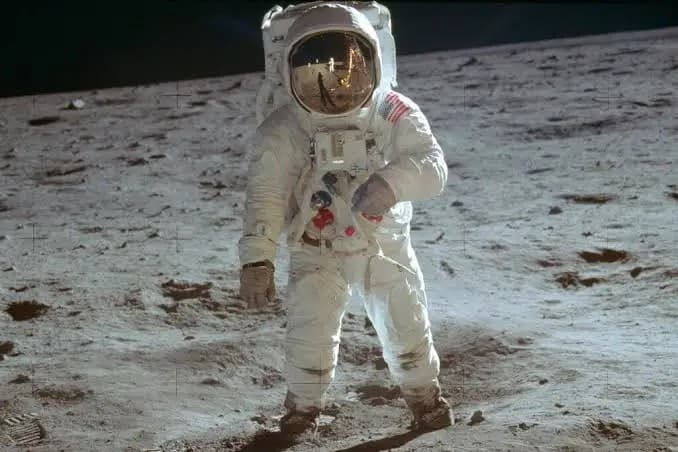
The Moon Photos That Still Feel Impossible
Before social media, astronauts brought back images that changed how humanity saw itself forever.
Read Article →
Artemis
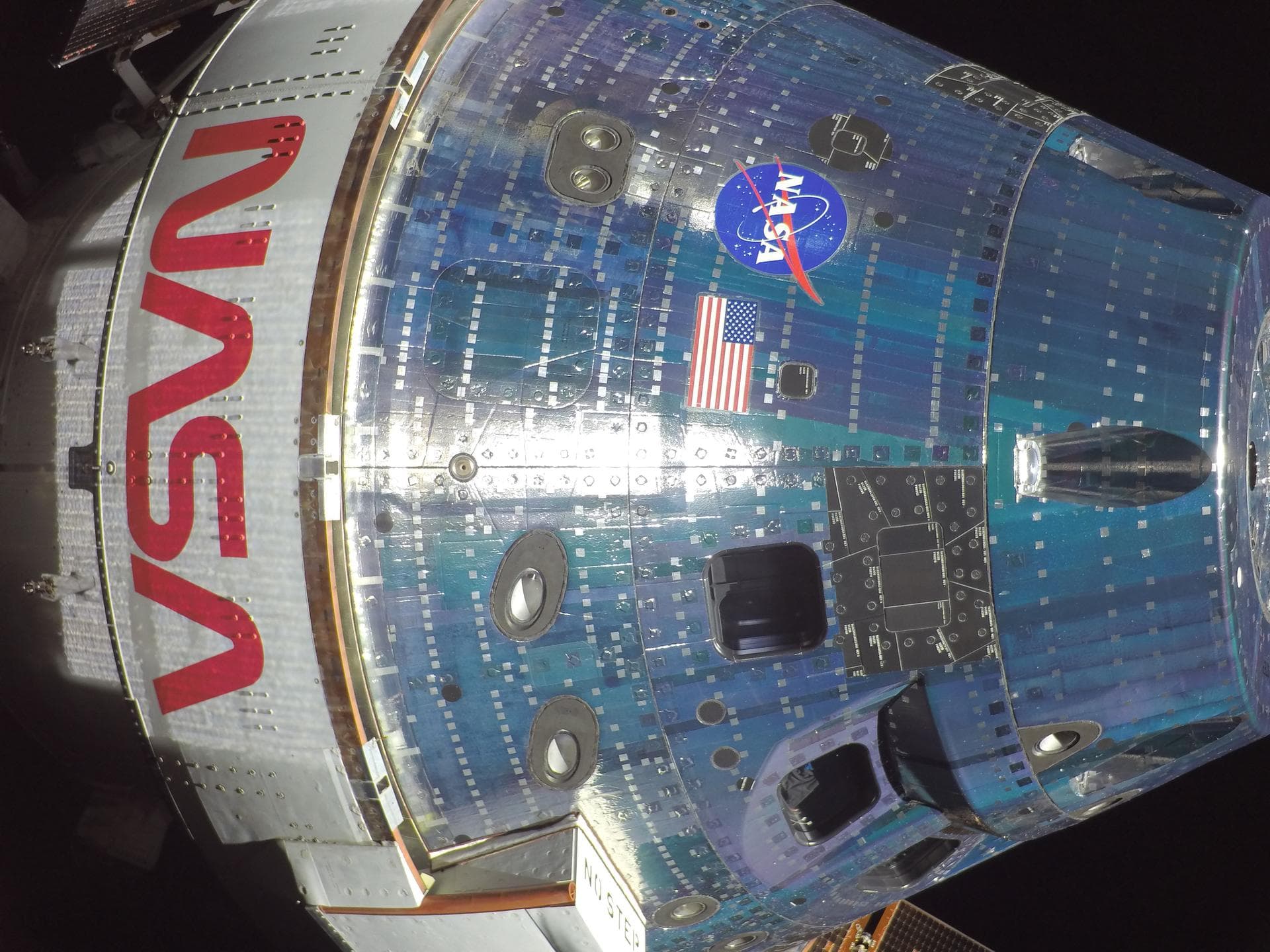
Why Artemis Will Change Lunar Exploration
NASA's return to the Moon is designed to become more sustainable, more international, and more ambitious than Apollo.
Read Article →
ISS
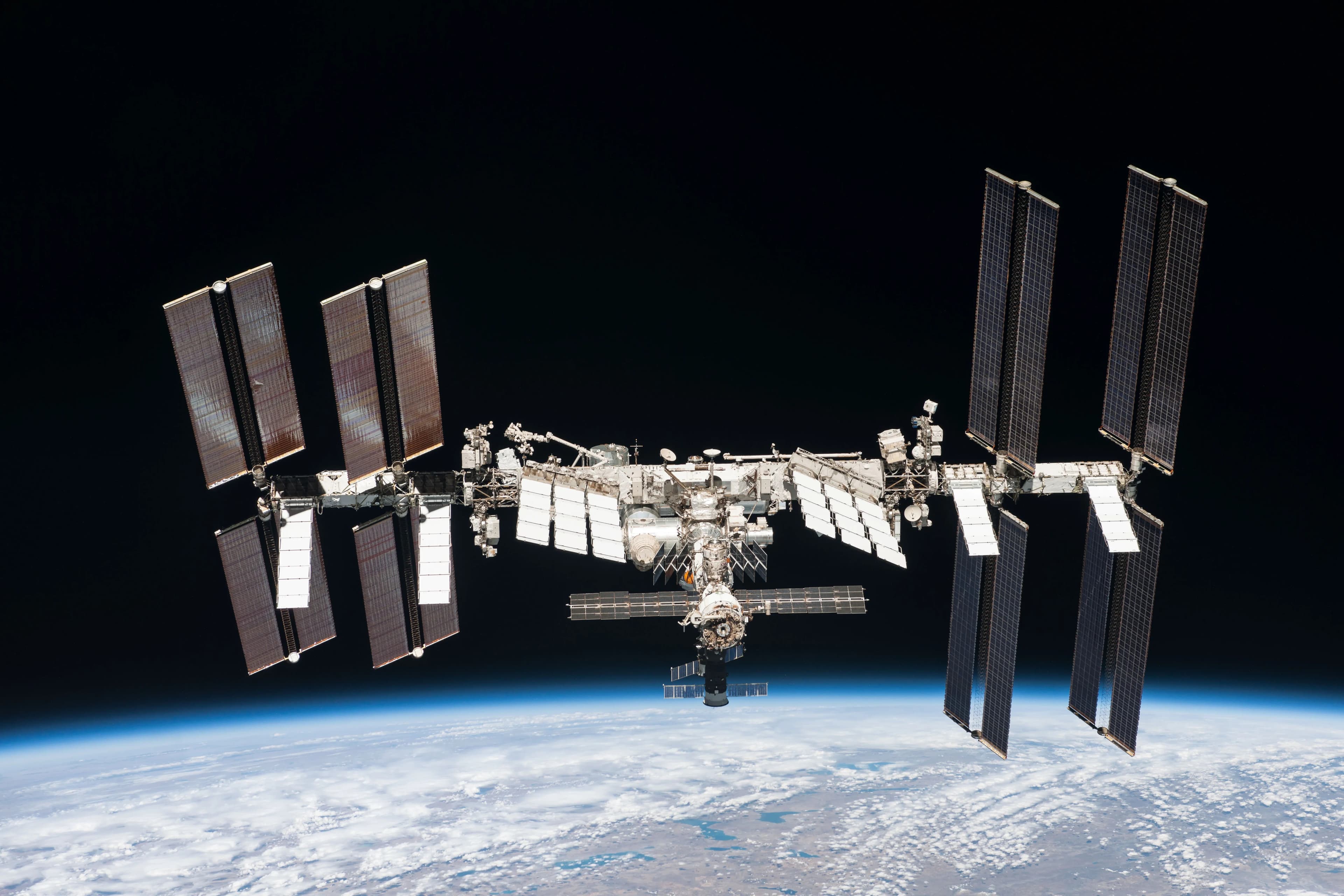
Life 250 Miles Above Earth
Inside the daily routine of astronauts living and working aboard the International Space Station.
Read Article →