1998–Present
International Space Station
A permanently crewed laboratory in low Earth orbit built through international cooperation.
6
Missions
4
Spacecraft
13
Images
6
Completed
Historical archive
Missions, spacecraft, imagery, and milestones from the International Space Station program.
Program Overview
The program
A permanently crewed laboratory in low Earth orbit built through international cooperation.
Program Timeline
Program Flights
Missions
Explore every International Space Station mission currently preserved in the OrbitingTruths archive.
Zarya Launch
Launch
November 20, 1998
Status
Successful
Duration
Ongoing (module remains in service)
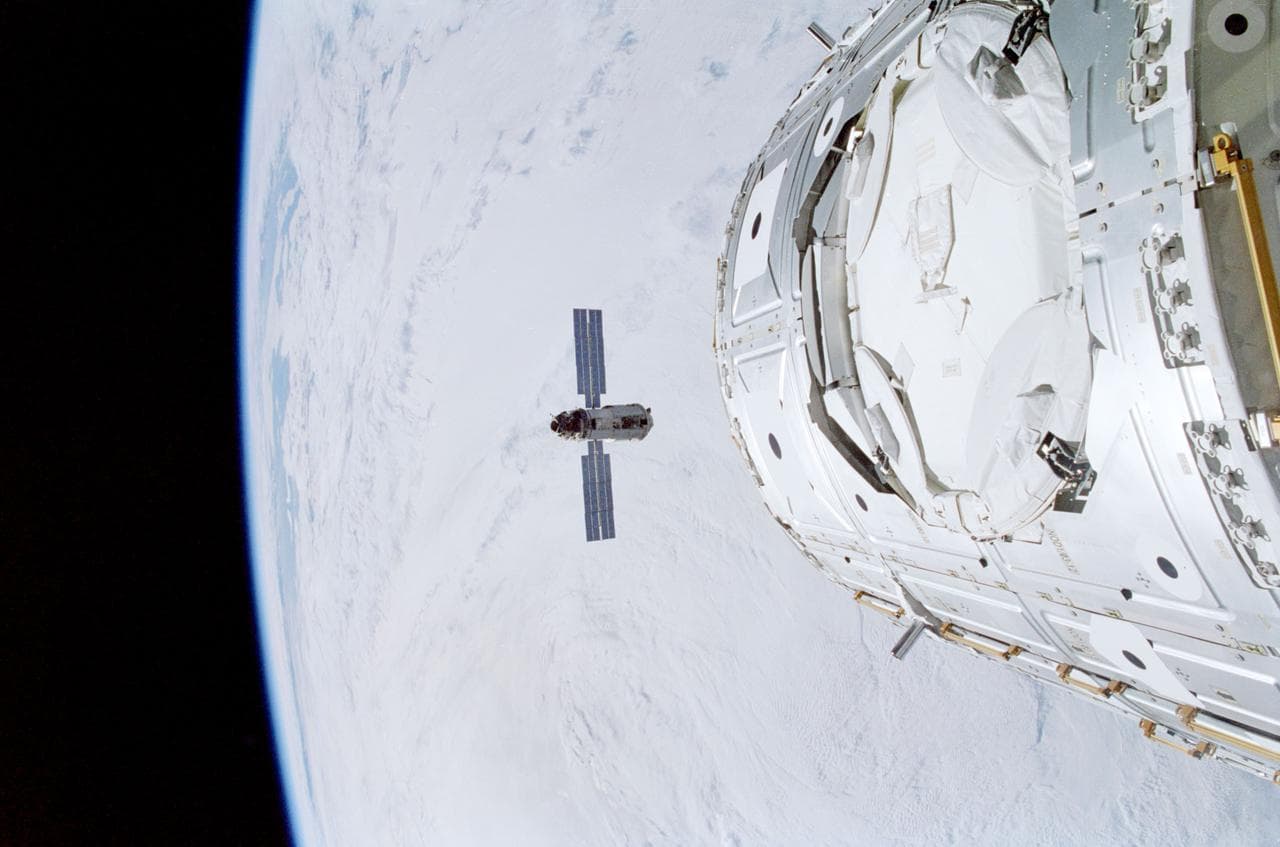
Zarya, a Russian-built, American-funded module, became the first component of the International Space Station launched into orbit, providing the new station's initial power, propulsion, and storage capability.
View Mission →
STS-88 (Unity Docking)
Launch
December 4, 1998
Status
Successful
Duration
11 days, 19 hours, 18 minutes
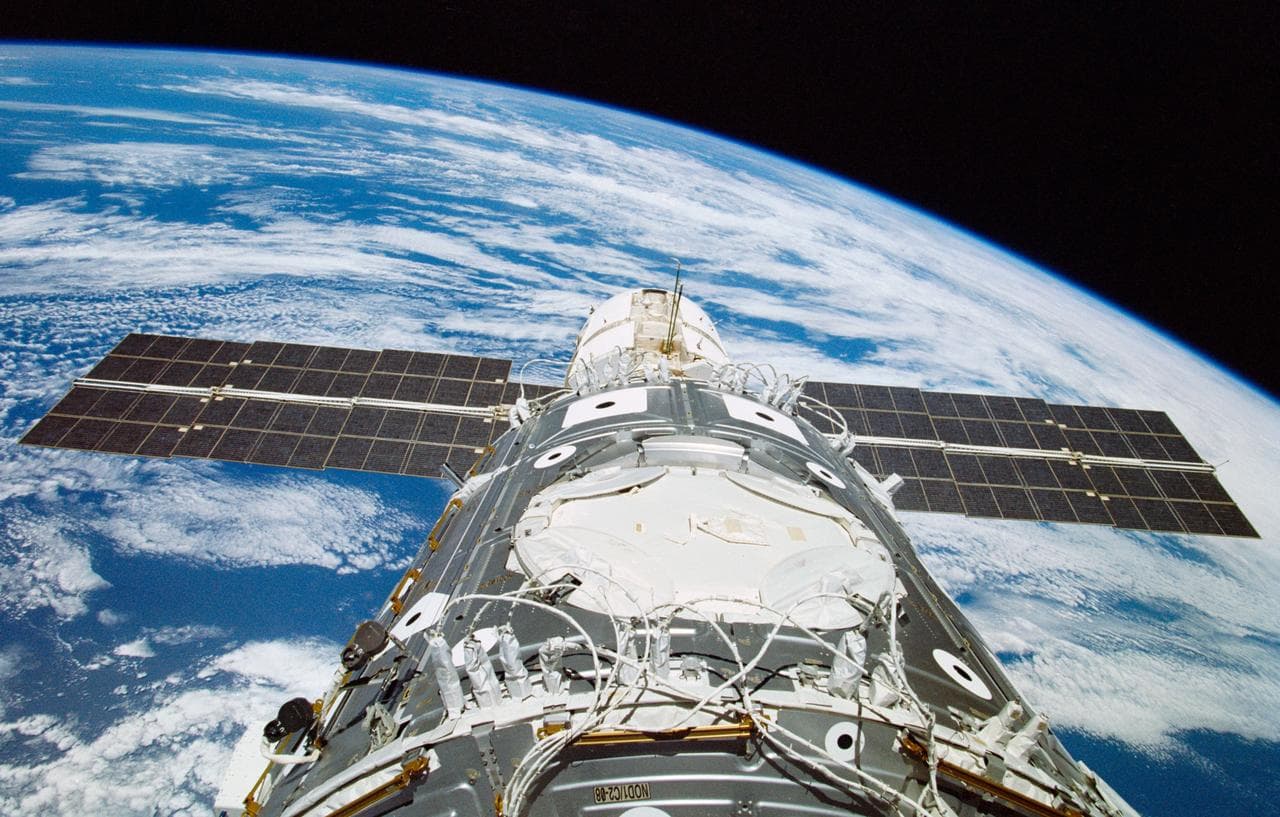
STS-88 carried the American-built Unity module aboard Endeavour and joined it to the already-orbiting Zarya, the first assembly operation in the construction of the International Space Station.
View Mission →
Zvezda Launch
Launch
July 12, 2000
Status
Successful
Duration
Ongoing (module remains in service)
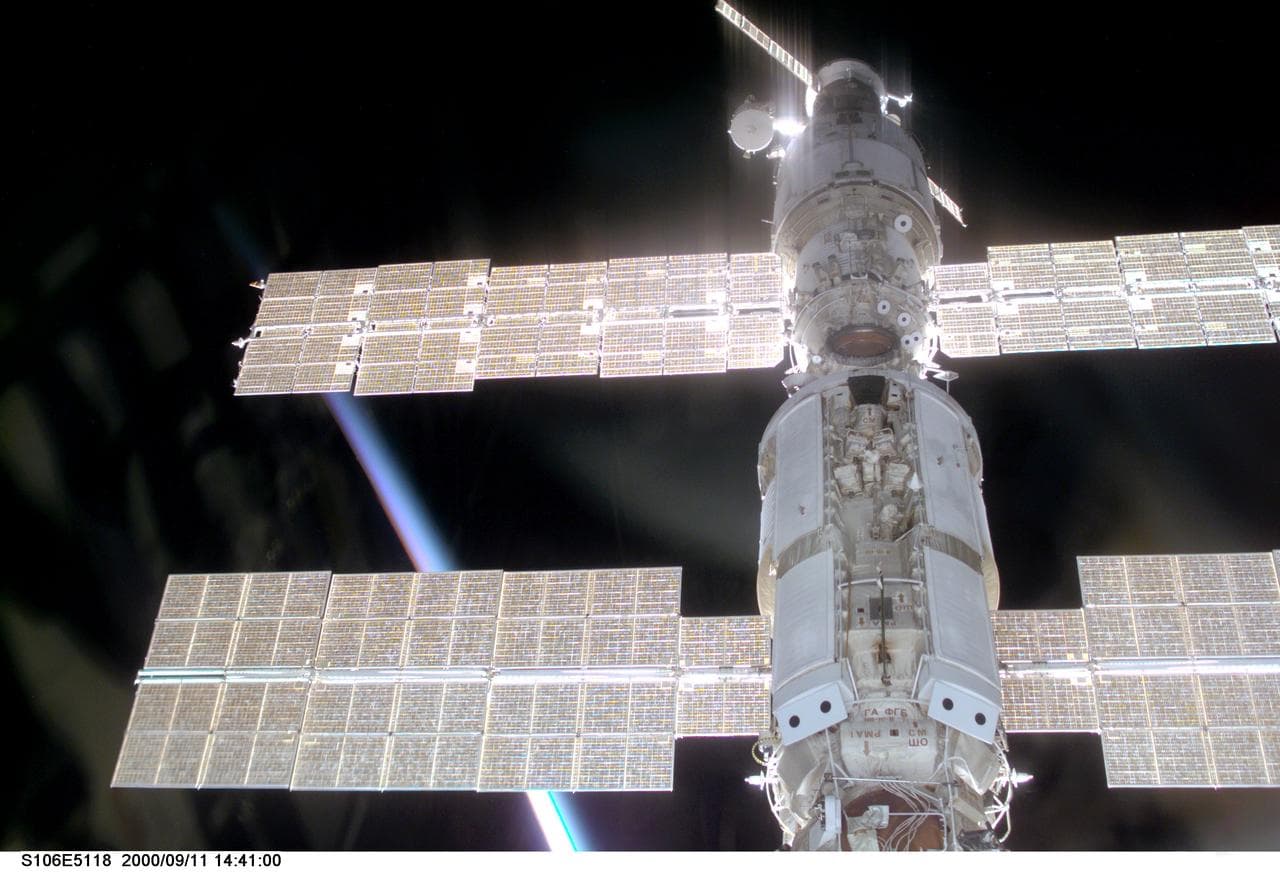
Zvezda, launched in July 2000, provided the International Space Station's early living quarters, life support systems, and propulsion, finally enabling the station to support a permanent resident crew.
View Mission →
Expedition 1
Launch
October 31, 2000
Status
Successful
Duration
136 days, 17 hours, 21 minutes
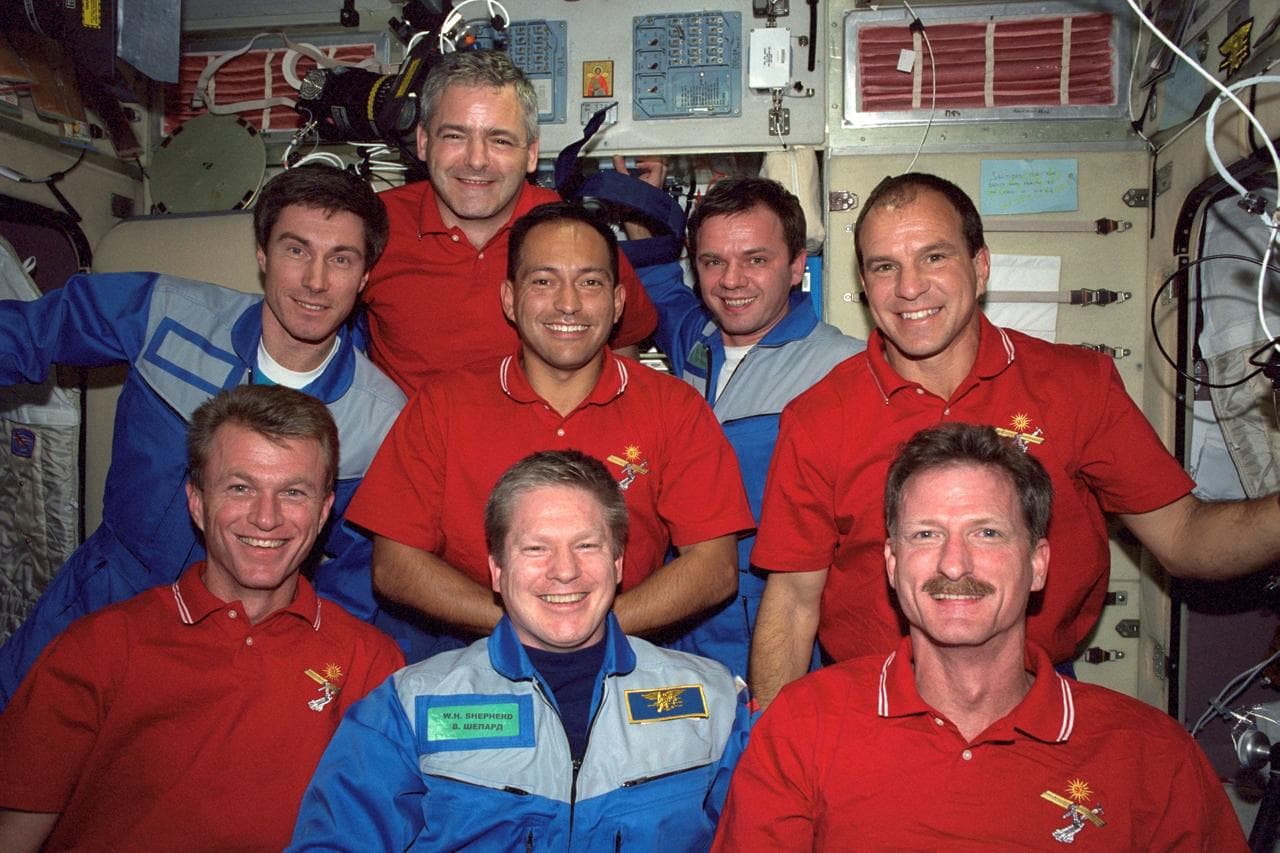
Expedition 1 sent the International Space Station's first resident crew, American astronaut William Shepherd and Russian cosmonauts Yuri Gidzenko and Sergei Krikalev, beginning what has become more than two decades of continuous human presence in orbit.
View Mission →
SpaceX CRS-1
Launch
October 8, 2012
Status
Successful
Duration
20 days, 5 hours, 39 minutes
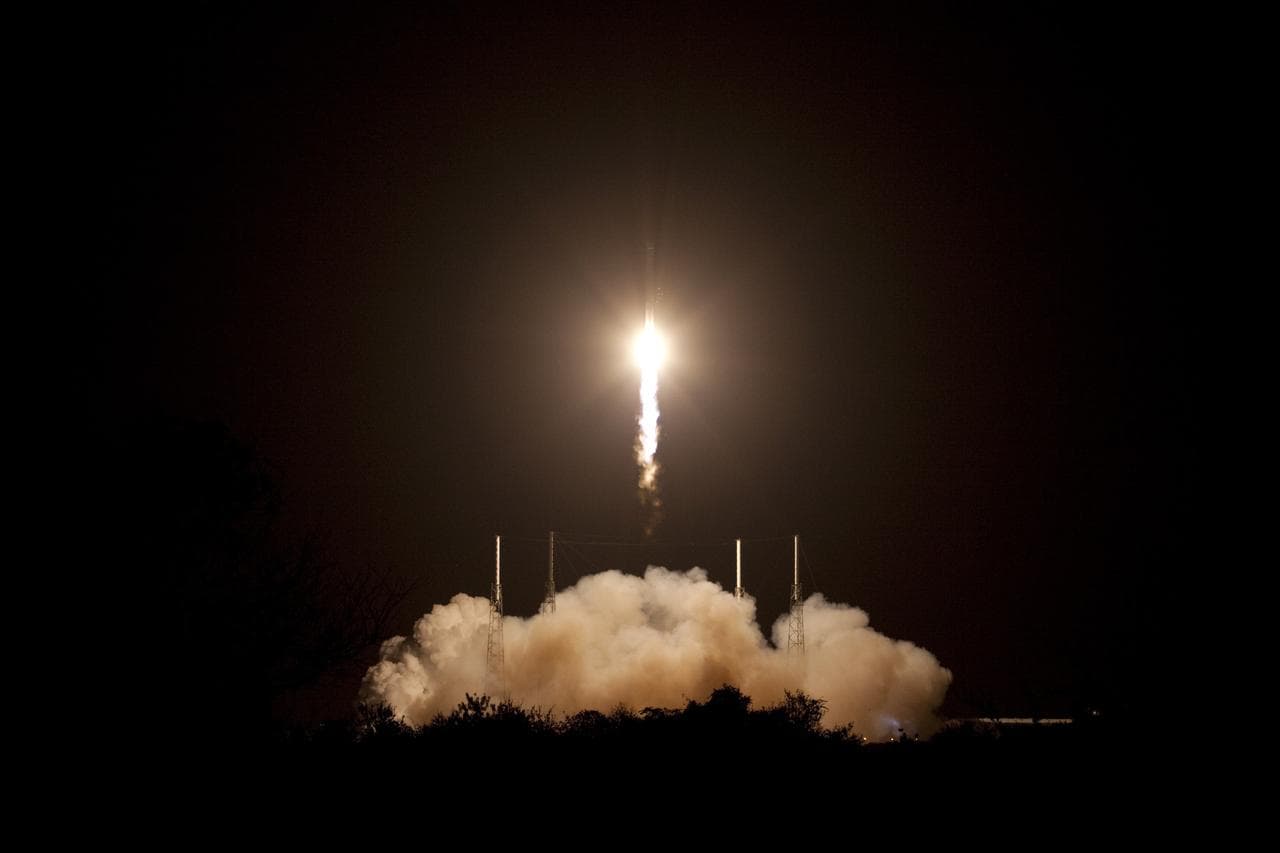
SpaceX's CRS-1 mission delivered the first operational commercial cargo resupply flight to the International Space Station, opening a new era in which private companies, not just national space agencies, kept the station stocked.
View Mission →
SpaceX Demo-2
Launch
May 30, 2020
Status
Successful
Duration
64 days, 3 hours, 27 minutes
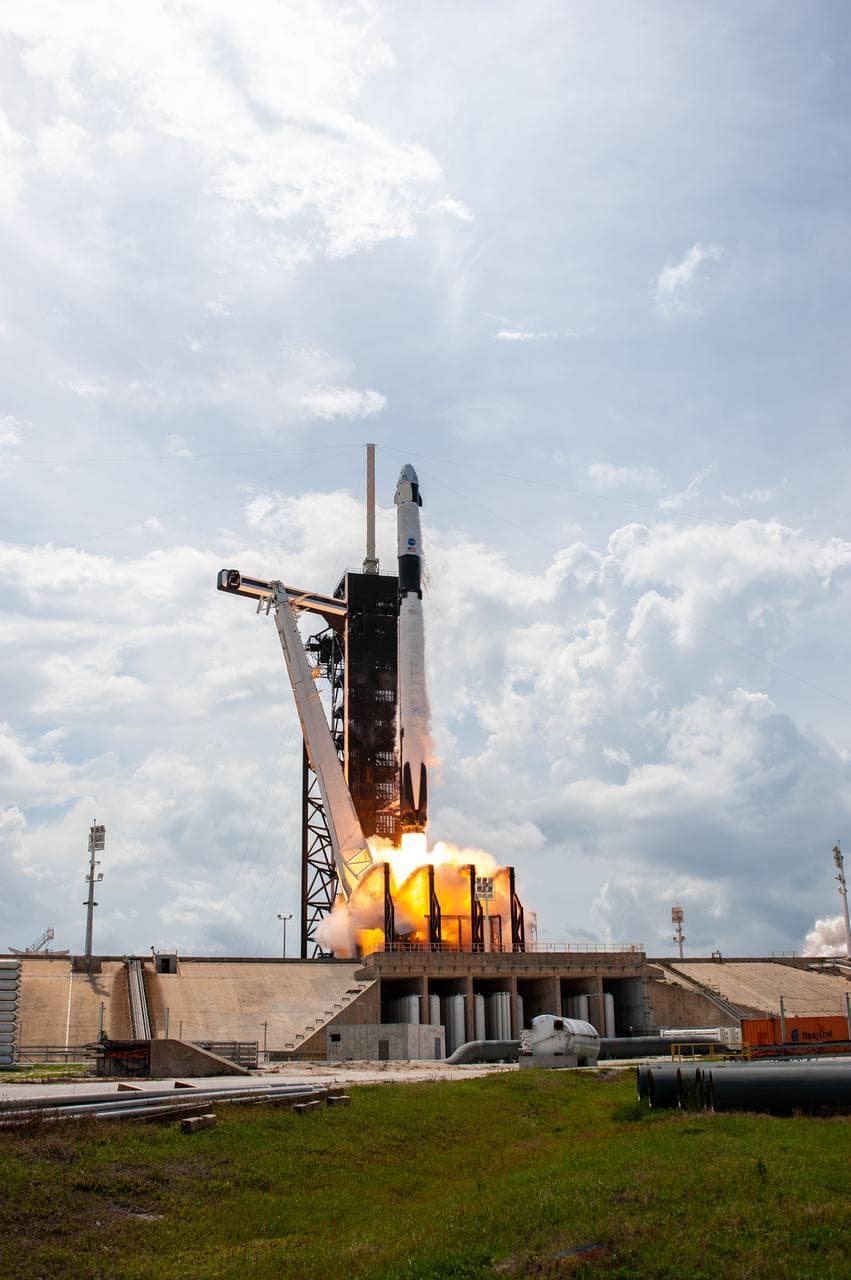
SpaceX's Demo-2 mission launched Robert Behnken and Douglas Hurley aboard Crew Dragon, the first crewed orbital flight of a commercially developed and operated American spacecraft, ending nearly nine years without domestic crewed launch capability.
View Mission →
Program Hardware
Spacecraft
The launch vehicles, capsules, modules, landers, and other systems associated with International Space Station.
 Space Station Module
Zarya
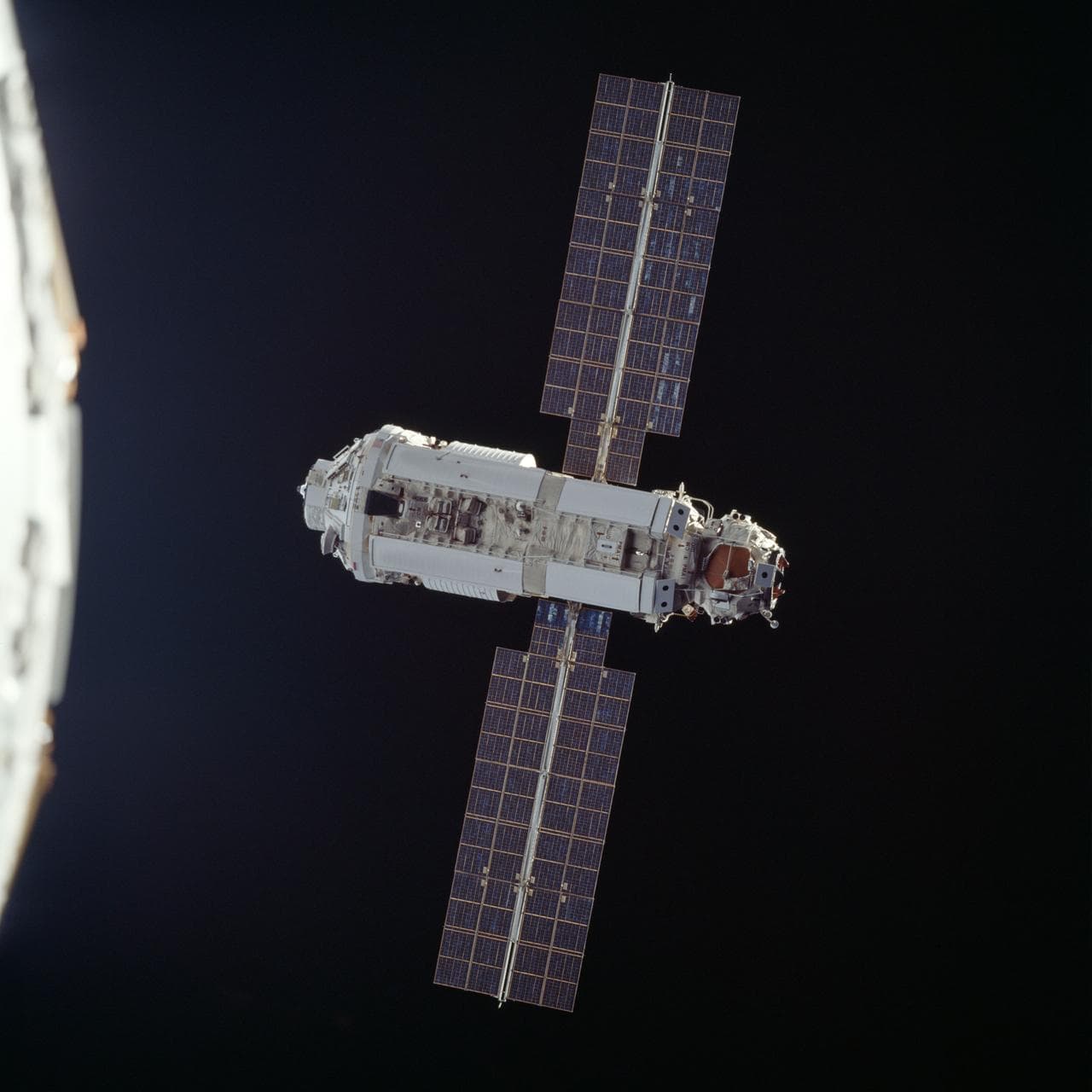
The first component of the International Space Station, Zarya provided the young station's initial power, propulsion, and storage capability.
 Space Station Module
Zvezda
Based on the core module of Mir, Zvezda gave the International Space Station the life support systems and living quarters needed to support a permanent crew.
 Crew Capsule
Soyuz TM-31
Soyuz TM-31 carried Expedition 1, the International Space Station's first resident crew, into orbit, beginning more than two decades of continuous human presence aboard the station.
 Commercial Crew Capsule
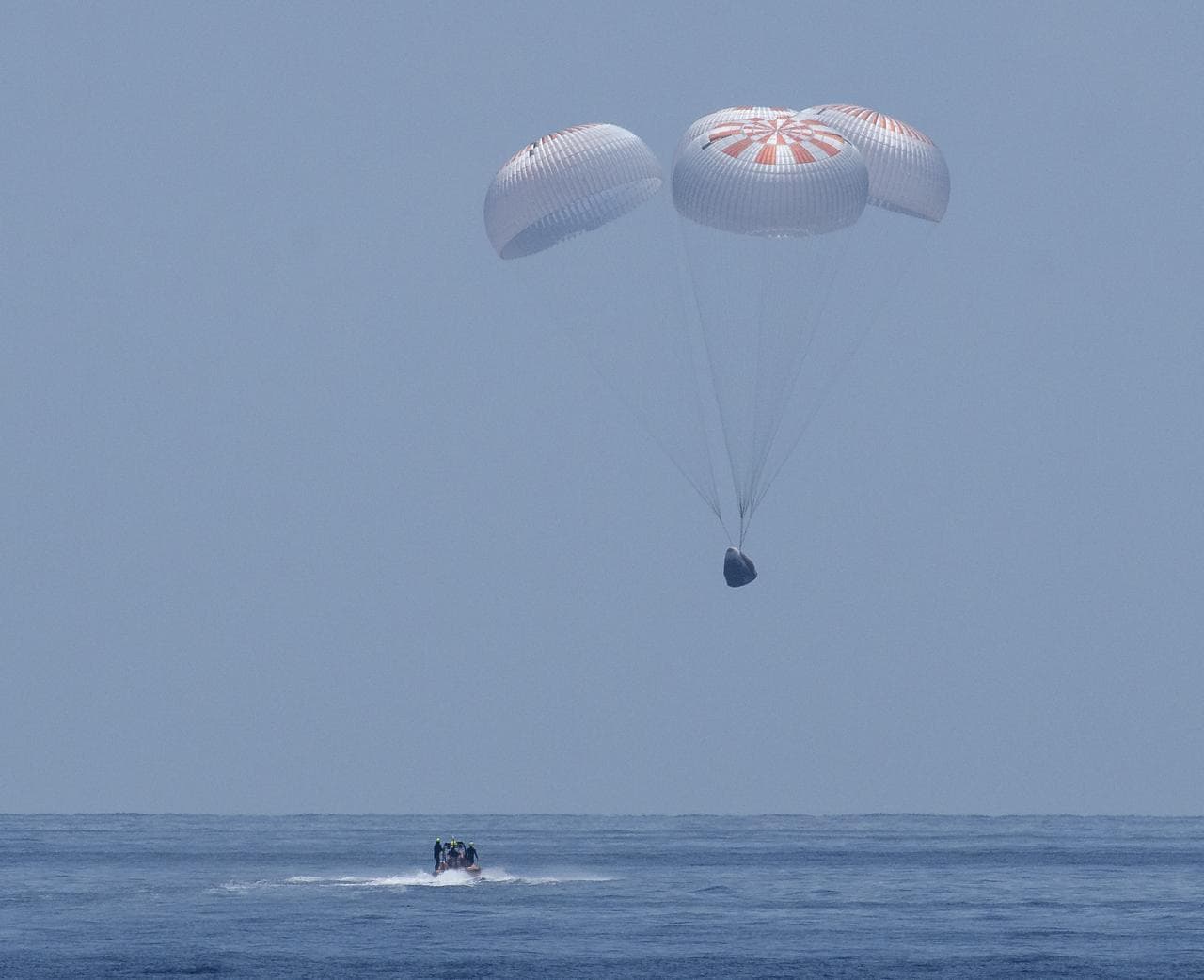
Crew Dragon Endeavour
SpaceX's Crew Dragon Endeavour carried Robert Behnken and Douglas Hurley on Demo-2, the first crewed flight of a commercially developed American spacecraft.
NASA Photography
Program Images
Archive photography connected to the International Space Station program.
International Space Station
Approaching Zarya
NASA ID: sts088-341-015
Endeavour approaches the newly orbiting Zarya module against a backdrop of heavy cloud cover, two weeks after Zarya became the first component of the International Space Station launched into orbit. Built in Russia with American funding, Zarya provided initial propulsion, power, and storage for the fledgling station until additional modules could take over those functions.
View Image →
International Space Station
Zarya and Unity Joined
NASA ID: sts088-363-023
The newly joined Zarya and Unity modules during docked operations on STS-88, the first International Space Station assembly mission. Astronauts aboard Endeavour used the Shuttle's robotic arm to connect the Russian-built Zarya module to the American-built Unity node, creating the first two linked pieces of a station that would grow, module by module, into the largest human-made structure ever assembled in space.
View Image →
International Space Station
Zarya and Zvezda in Orbit
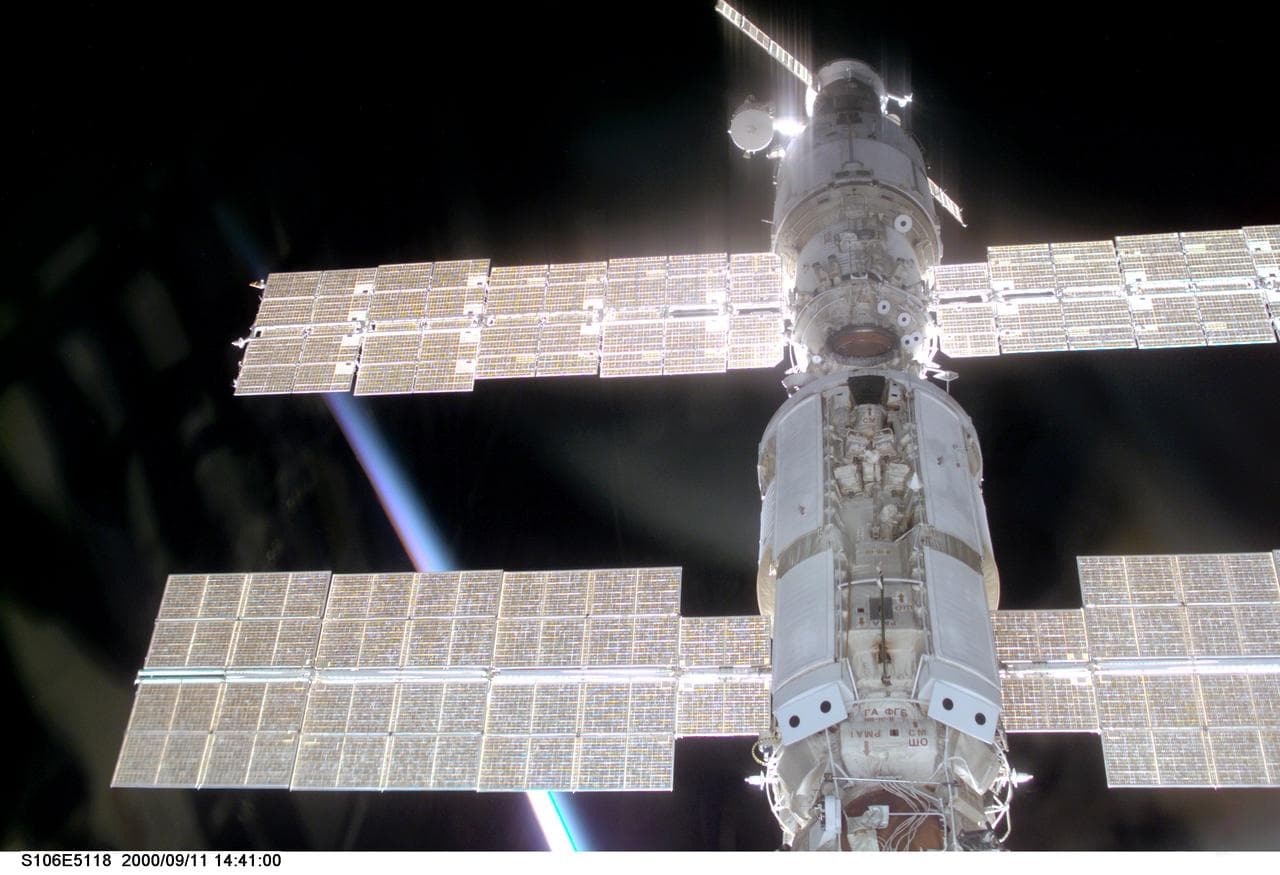
NASA ID: S106E5118
An external view of the joined Zarya and Zvezda modules, photographed during the STS-106 mission. Zvezda's arrival gave the International Space Station its first living quarters, life support systems, and propulsion for orbital maneuvers, and its launch cleared the way for the station to receive its first long-duration crew just weeks later.
View Image →
International Space Station
STS-97 Visits Expedition 1
NASA ID: sts097-326-031
The STS-97 astronauts pose with the Expedition 1 crew inside the space station's Service Module. Expedition 1 — commander Bill Shepherd and cosmonauts Sergei Krikalev and Yuri Gidzenko — had arrived on the International Space Station just five weeks earlier, beginning what has become more than two decades of continuous human presence in orbit, a streak still unbroken today.
View Image →
International Space Station
Launch of SpaceX CRS-1
NASA ID: KSC-2012-5727
A Falcon 9 rocket carrying the Dragon spacecraft climbs into the night sky on CRS-1, the first operational flight of NASA's Commercial Resupply Services program. The mission marked the start of routine cargo deliveries to the International Space Station by private companies, a shift that freed NASA to focus its own resources on deep-space exploration while commercial partners handled Earth-orbit logistics.
View Image →
International Space Station
Liftoff of SpaceX Demo-2
NASA ID: KSC-20200530-PH-AWG09_0018
A Falcon 9 rocket carrying Crew Dragon Endeavour lifts off on Demo-2, the first crewed flight of a commercial orbital spacecraft. Astronauts Bob Behnken and Doug Hurley flew to the International Space Station aboard a vehicle built and operated by SpaceX, ending nearly nine years in which the United States had no domestic way to launch its own astronauts following the Space Shuttle's retirement in 2011.
View Image →
International Space Station
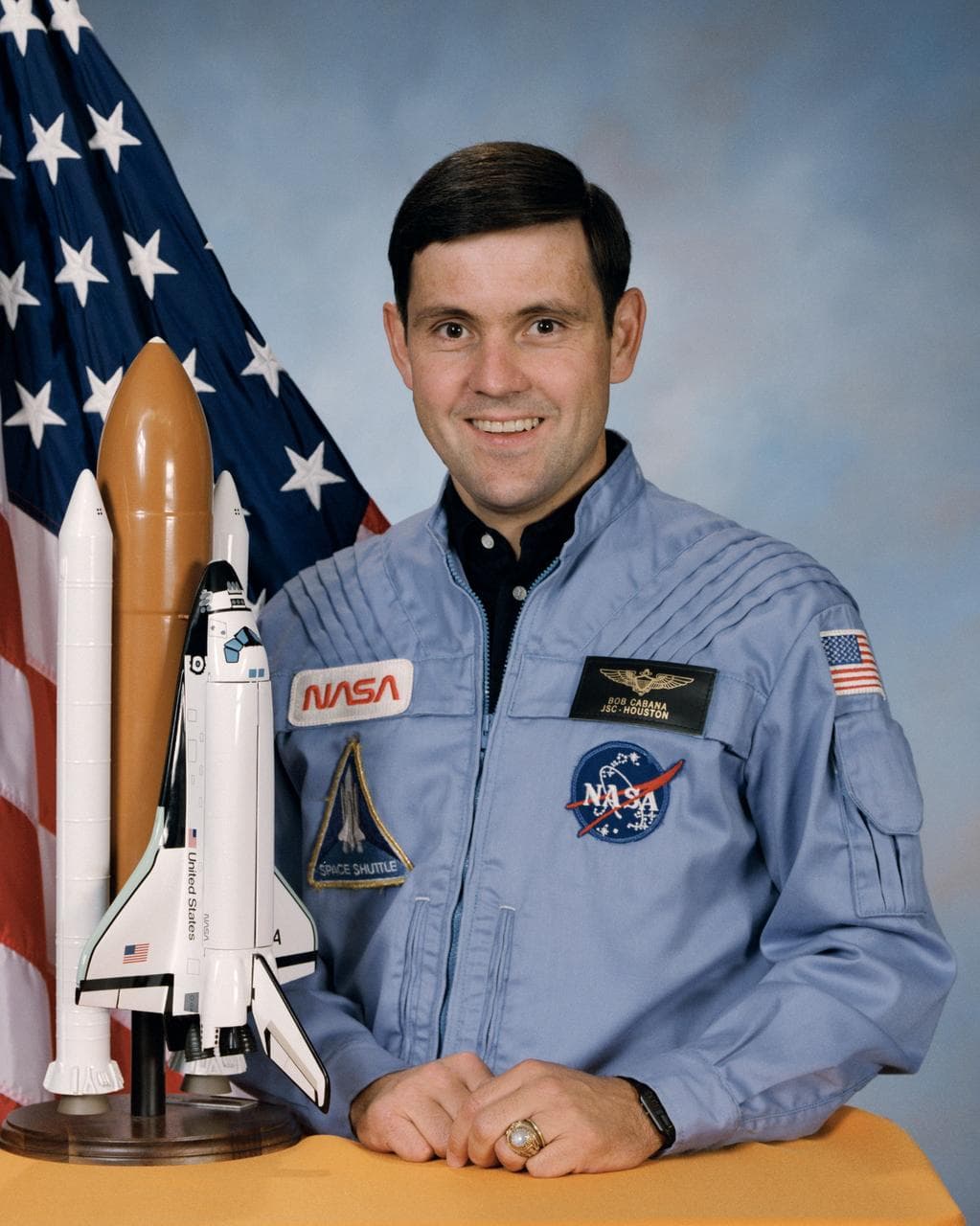
Portrait of Robert Cabana
NASA ID: S85-41885
Astronaut Robert D. Cabana, who commanded STS-88, the first International Space Station assembly mission, in December 1998. Cabana flew four Shuttle missions in total and later served as director of Kennedy Space Center and as NASA's associate administrator, the agency's highest-ranking civil servant position.
View Image →
International Space Station
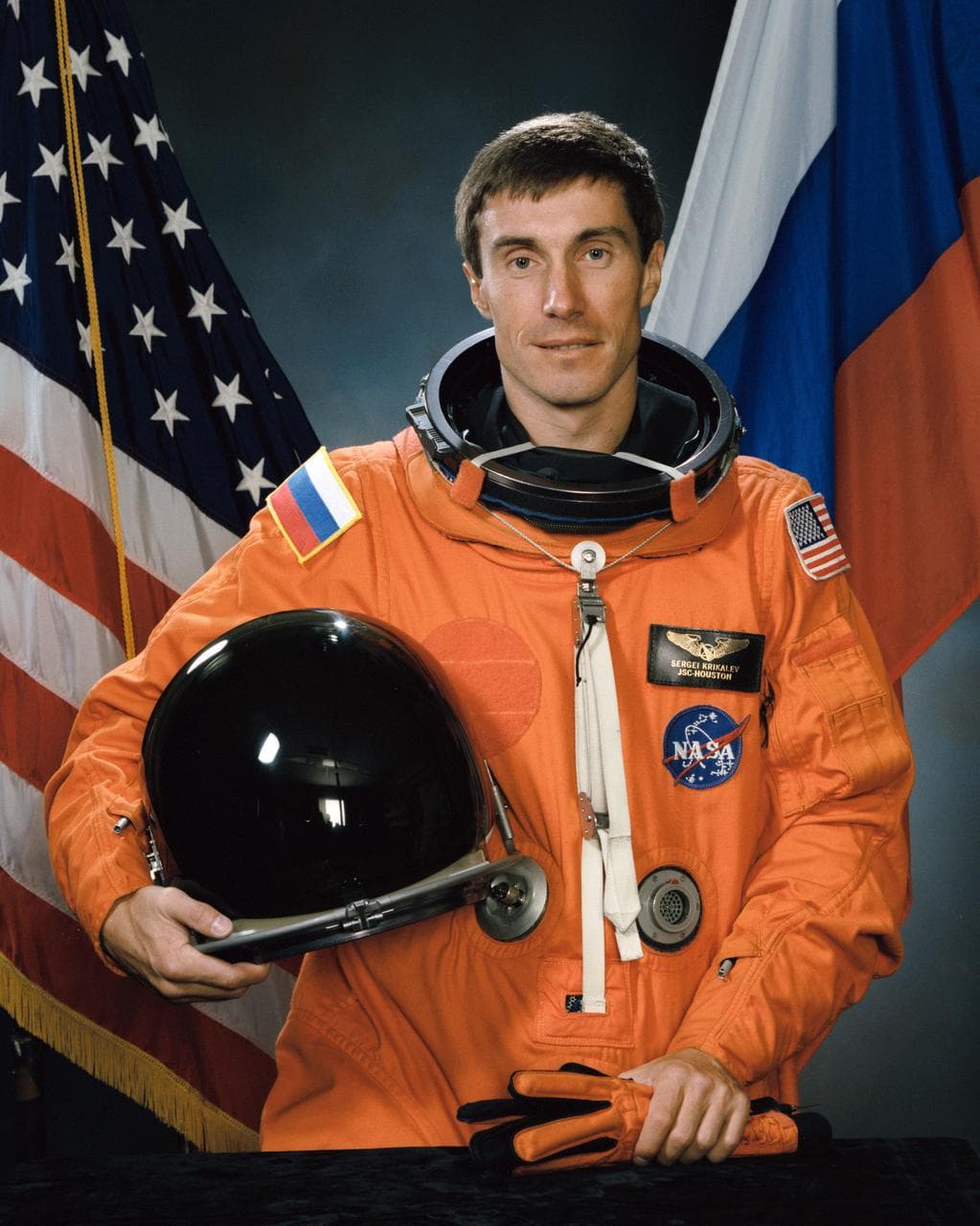
Official Portrait of Sergei Krikalev
NASA ID: s93-40675
Cosmonaut Sergei Krikalev, who flew on both STS-88, the first International Space Station assembly mission, and Expedition 1, the station's first resident crew. Krikalev had earlier spent an extended, unplanned ten months aboard the Mir space station in 1991 as the Soviet Union dissolved beneath him, earning him the nickname 'the last Soviet citizen.'
View Image →
International Space Station
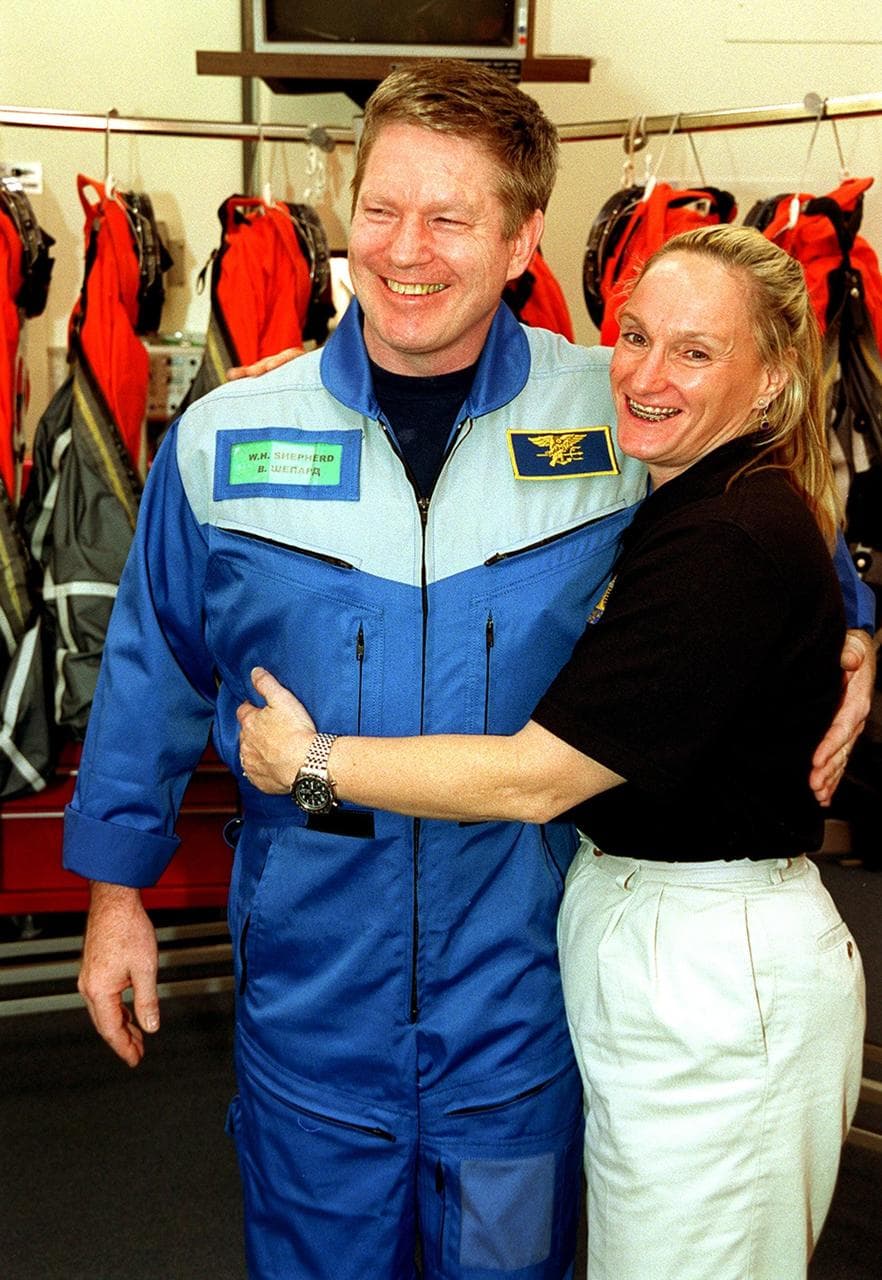
William Shepherd After Landing
NASA ID: KSC-01pp0558
Commander William Shepherd during a post-landing interview after Expedition 1, the International Space Station's first resident mission. A former Navy SEAL, Shepherd spent 141 days aboard the station with cosmonauts Sergei Krikalev and Yuri Gidzenko, beginning the unbroken chain of human presence in orbit that continues today.
View Image →
International Space Station
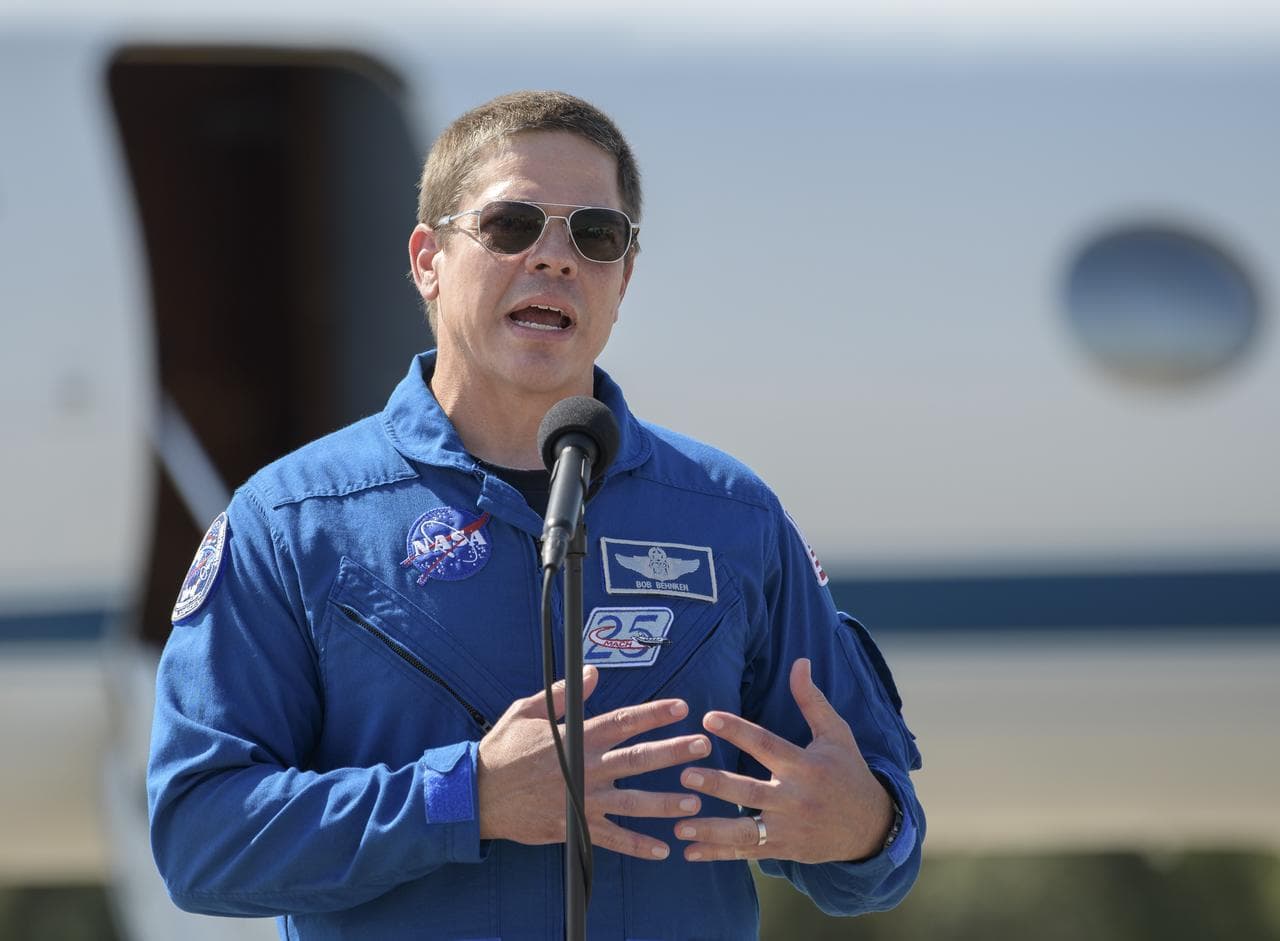
Robert Behnken Before Demo-2
NASA ID: NHQ202005200013
Astronaut Robert Behnken speaks to media ahead of the SpaceX Demo-2 launch. Behnken and crewmate Doug Hurley flew Crew Dragon Endeavour to the International Space Station in May 2020, the first crewed flight of a commercial spacecraft and the first launch of American astronauts from American soil since the Space Shuttle's retirement in 2011.
View Image →
International Space Station
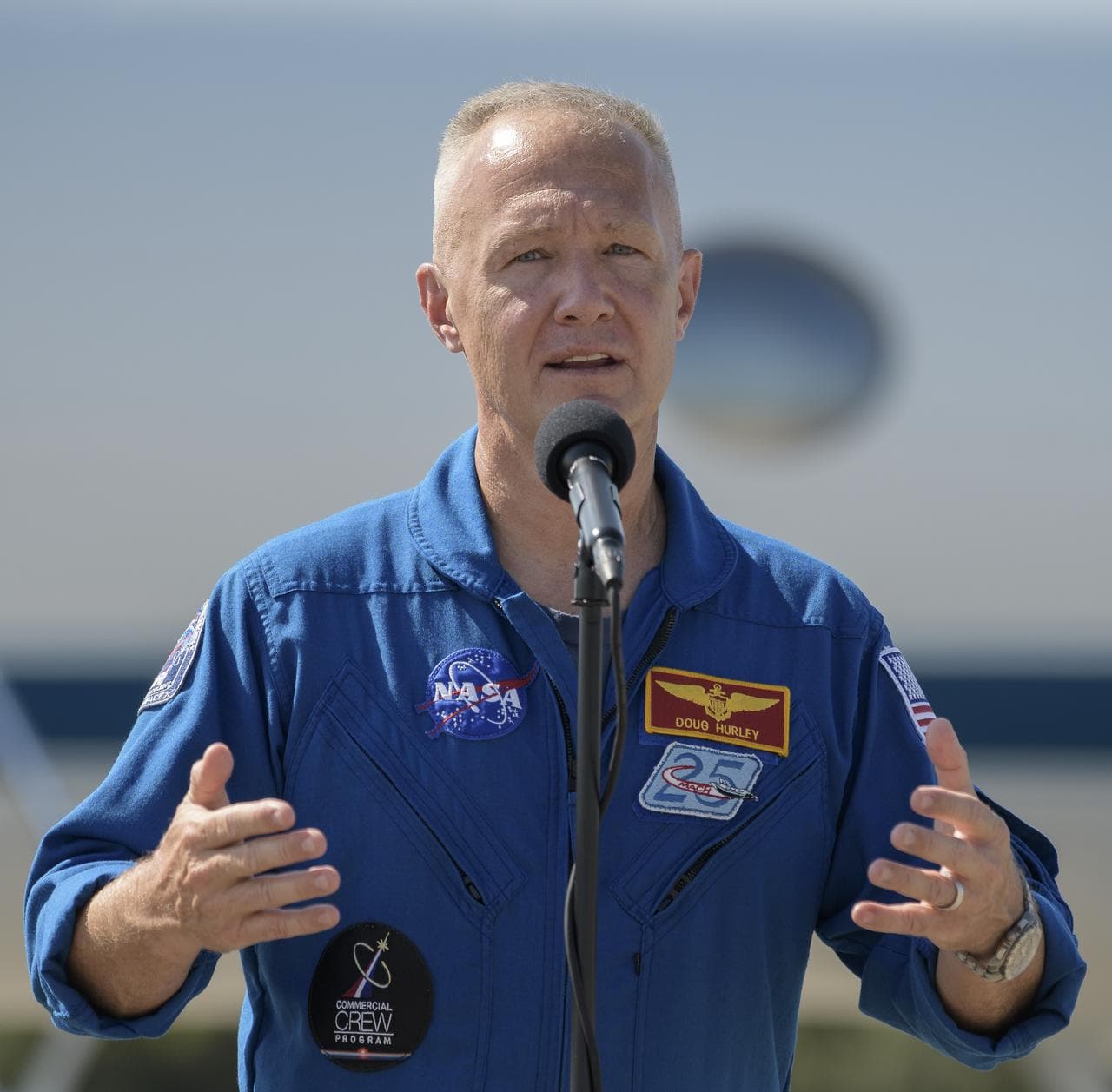
Douglas Hurley Before Demo-2
NASA ID: NHQ202005200023
Astronaut Douglas Hurley speaks to media ahead of the SpaceX Demo-2 launch. Hurley had flown the final Space Shuttle mission, STS-135, in 2011, and returned nine years later as pilot of Crew Dragon Endeavour, bookending the gap between the Shuttle's retirement and the first crewed flight of a commercial American spacecraft.
View Image →
International Space Station
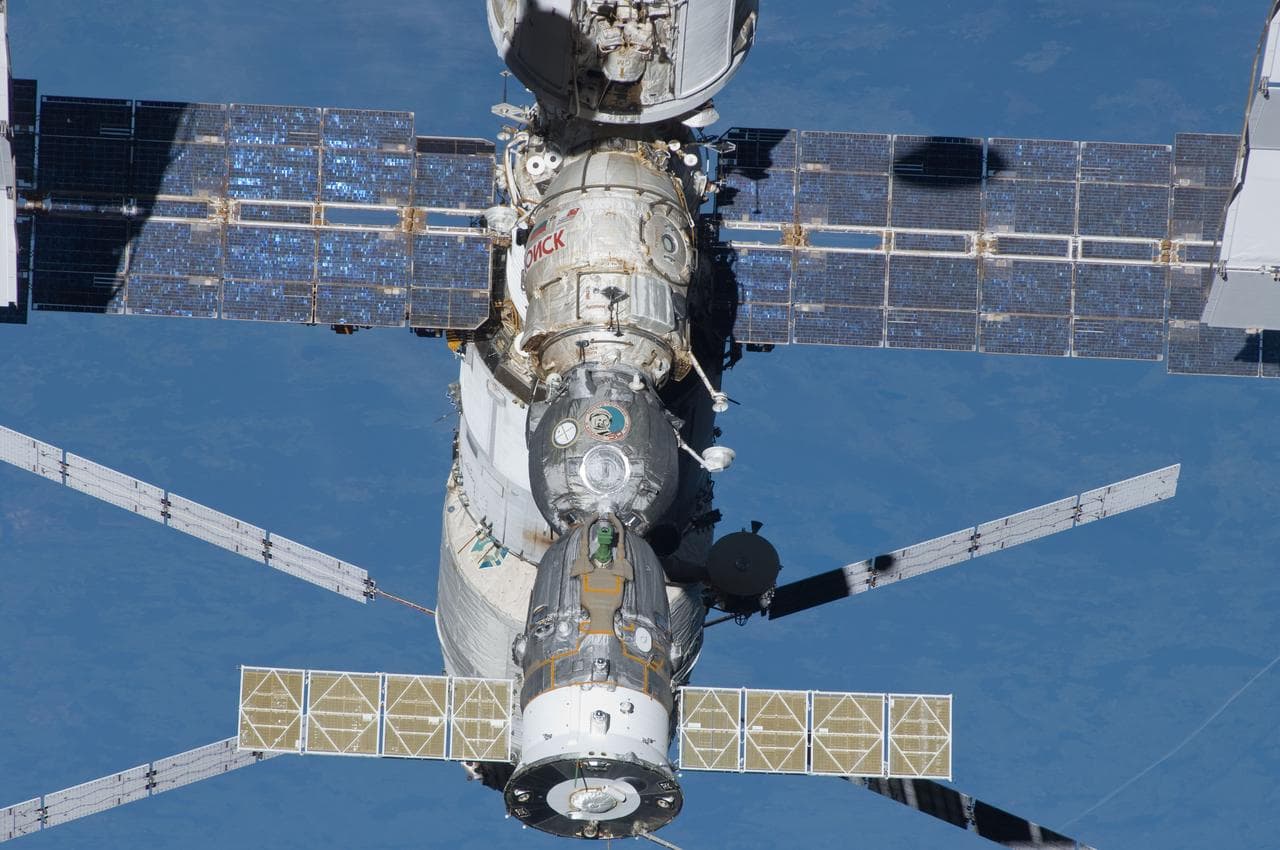
The International Space Station in Orbit
NASA ID: S134E010596
A view of the International Space Station's Russian segment with docked spacecraft, photographed during a flyaround by the departing STS-134 crew. The mission was Space Shuttle Endeavour's final flight, and the flyaround gave the crew a rare chance to photograph the station, by then substantially complete after more than a decade of assembly, from the outside.
View Image →
International Space Station
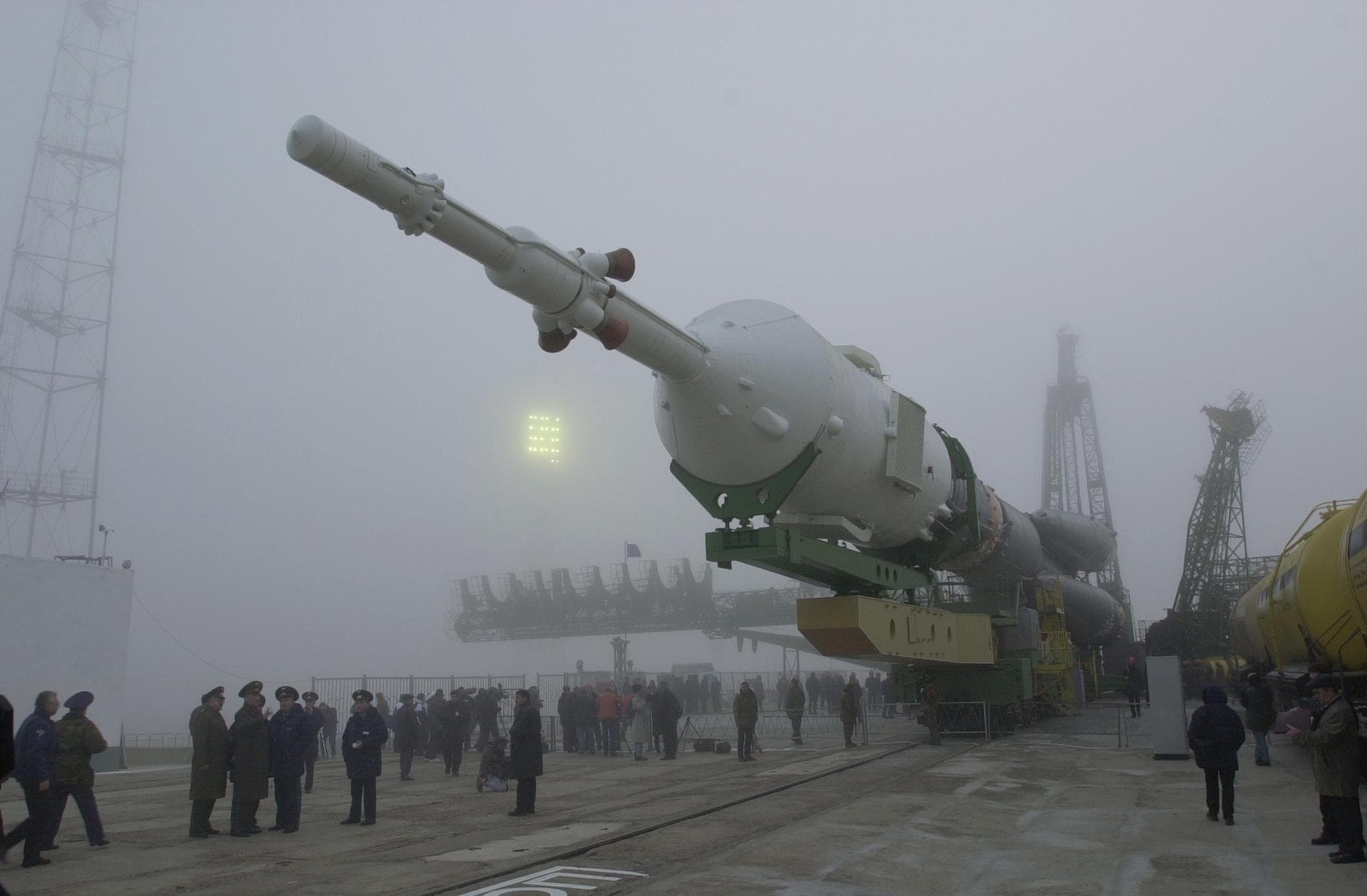
Soyuz TM-31 Rollout at Baikonur
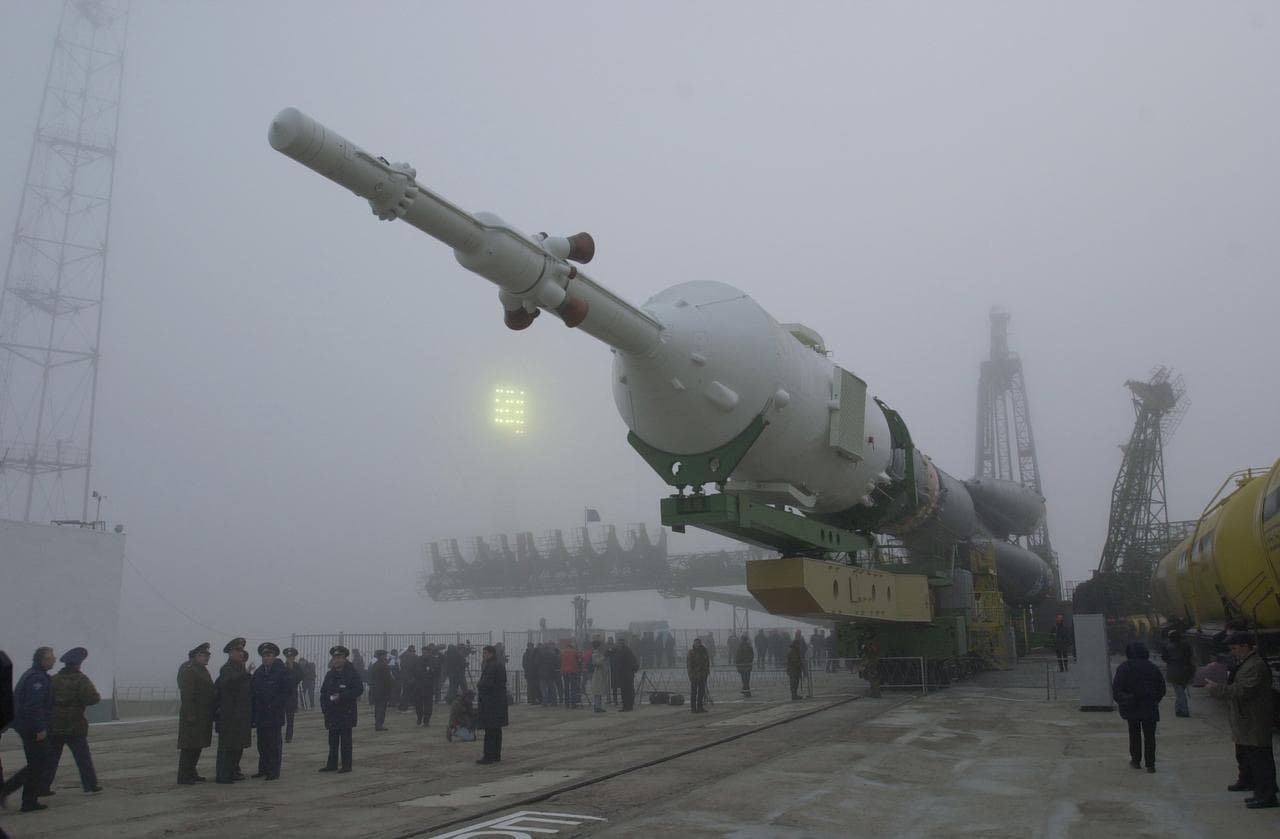
NASA ID: 0202506
The Soyuz TM-31 launch vehicle, which carried the International Space Station's first resident crew, shown in the vertical position for launch at Baikonur. The Soyuz spacecraft design first flew in the 1960s and remains in service today, and TM-31 carried American commander Bill Shepherd alongside Russian cosmonauts Sergei Krikalev and Yuri Gidzenko to begin more than two decades of continuous human presence in orbit.
View Image →