International Space Station
Expedition 1
Expedition 1 sent the International Space Station's first resident crew, American astronaut William Shepherd and Russian cosmonauts Yuri Gidzenko and Sergei Krikalev, beginning what has become more than two decades of continuous human presence in orbit.
Launch
October 31, 2000
Duration
136 days, 17 hours, 21 minutes
Crew
3 astronauts
Mission record
International Space Station archive entry · Successful
Mission Overview
The mission
Expedition 1 sent the International Space Station's first resident crew, American astronaut William Shepherd and Russian cosmonauts Yuri Gidzenko and Sergei Krikalev, beginning what has become more than two decades of continuous human presence in orbit.
In Depth
The Full Story
Expedition 1 turned the International Space Station from an impressive but empty structure into a permanently inhabited home, opening a chapter of continuous human presence in orbit that has now lasted more than two decades without interruption. Commander William Shepherd, a U.S. Navy SEAL turned astronaut, led a crew that included Russian cosmonauts Yuri Gidzenko and Sergei Krikalev, the latter already a veteran of the STS-88 assembly mission two years earlier.
The crew launched aboard a Russian Soyuz spacecraft from the Baikonur Cosmodrome on October 31, 2000, and docked with the station two days later, becoming its first residents. Shepherd, drawing on his military background, requested that the crew be addressed using a callsign, "Alpha," rather than the station's formal name, a suggestion that stuck informally for years even though NASA and its partners had officially settled on "International Space Station."
Over 136 days, Shepherd, Gidzenko, and Krikalev activated station systems, conducted scientific experiments, and welcomed a series of Space Shuttle visits that continued the station's ongoing assembly even as they lived aboard it, including STS-97, which delivered the station's first large solar arrays. The crew's daily routines, adapting Zvezda's Russian-designed living quarters into a functioning long-term home, established practical habits and procedures that shaped how every subsequent expedition crew would live and work aboard the growing station.
Expedition 1 returned to Earth in March 2001 aboard Space Shuttle Discovery, having handed off to Expedition 2 just as future crews would continue doing indefinitely afterward. Their four months in orbit marked the beginning of an unbroken chain of human presence aboard the International Space Station that has continued every single day since, one of the longest sustained achievements in the history of spaceflight.
Mission Details
Official Designation
Expedition 1
Mission Type
First Resident Crew
Launch Date
October 31, 2000
Mission Duration
136 days, 17 hours, 21 minutes
Commander
William M. Shepherd
Launch Vehicle
Soyuz-U
Launch Site
Baikonur Cosmodrome, Kazakhstan
Return Vehicle
Space Shuttle Discovery (STS-102)
Crew Size
3 Astronauts/Cosmonauts
Mission Result
Successful
Historic Achievement
Began Continuous Human Presence Aboard the ISS
Mission by the Numbers
Mission Statistics
Mission Type
First Resident Crew
Launch Vehicle
Soyuz-U
Crew
3 astronauts
Status
Successful
The People Behind the Mission
Crew
The astronauts assigned to command, operate, and carry out the mission.
Commander
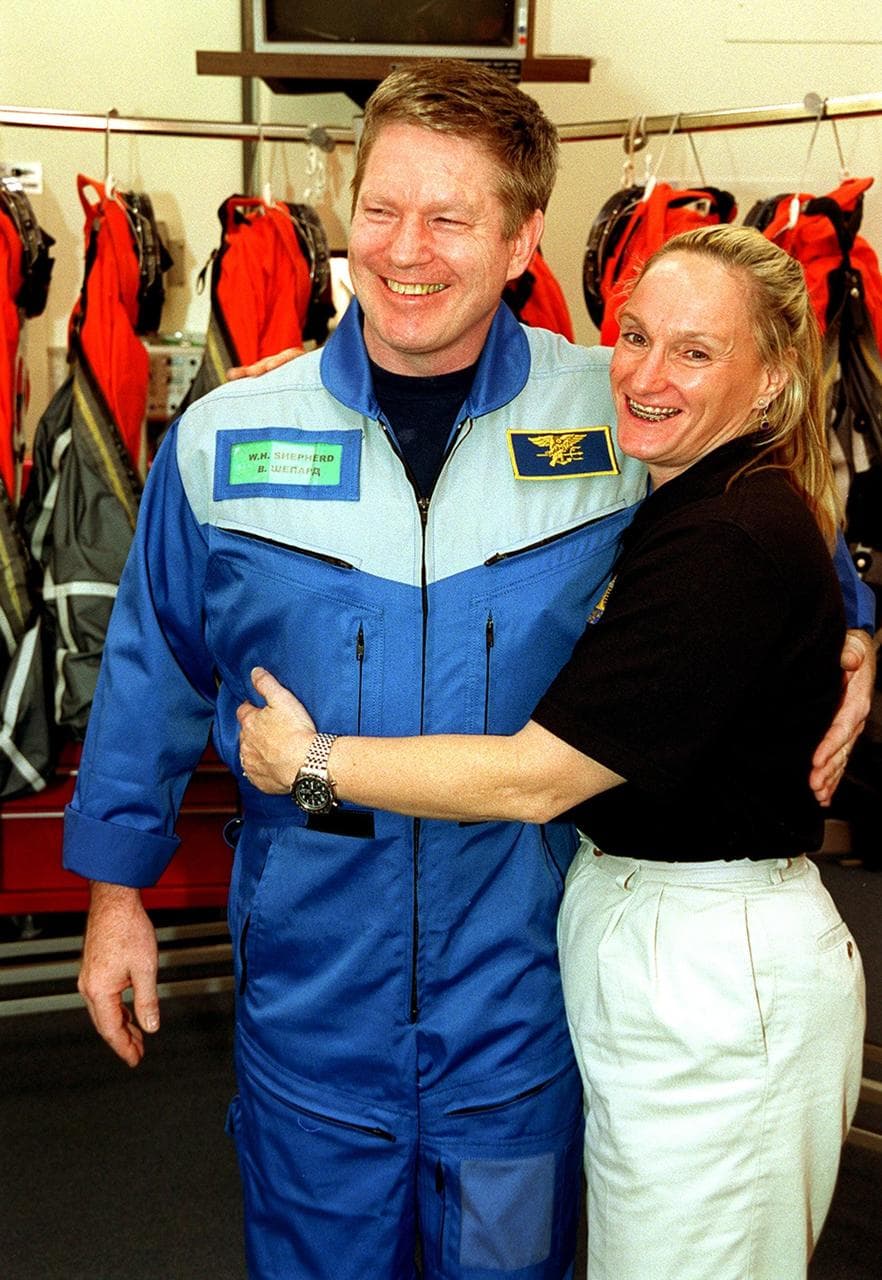
William Shepherd
William Shepherd, a former U.S. Navy SEAL, commanded Expedition 1, the International Space Station's first resident crew.
View Astronaut →

Soyuz Commander
Yuri P. Gidzenko
Yuri Gidzenko piloted the Soyuz spacecraft that carried the International Space Station's first resident crew into orbit, and later commanded it home again four months later.
View Astronaut →
Flight Engineer
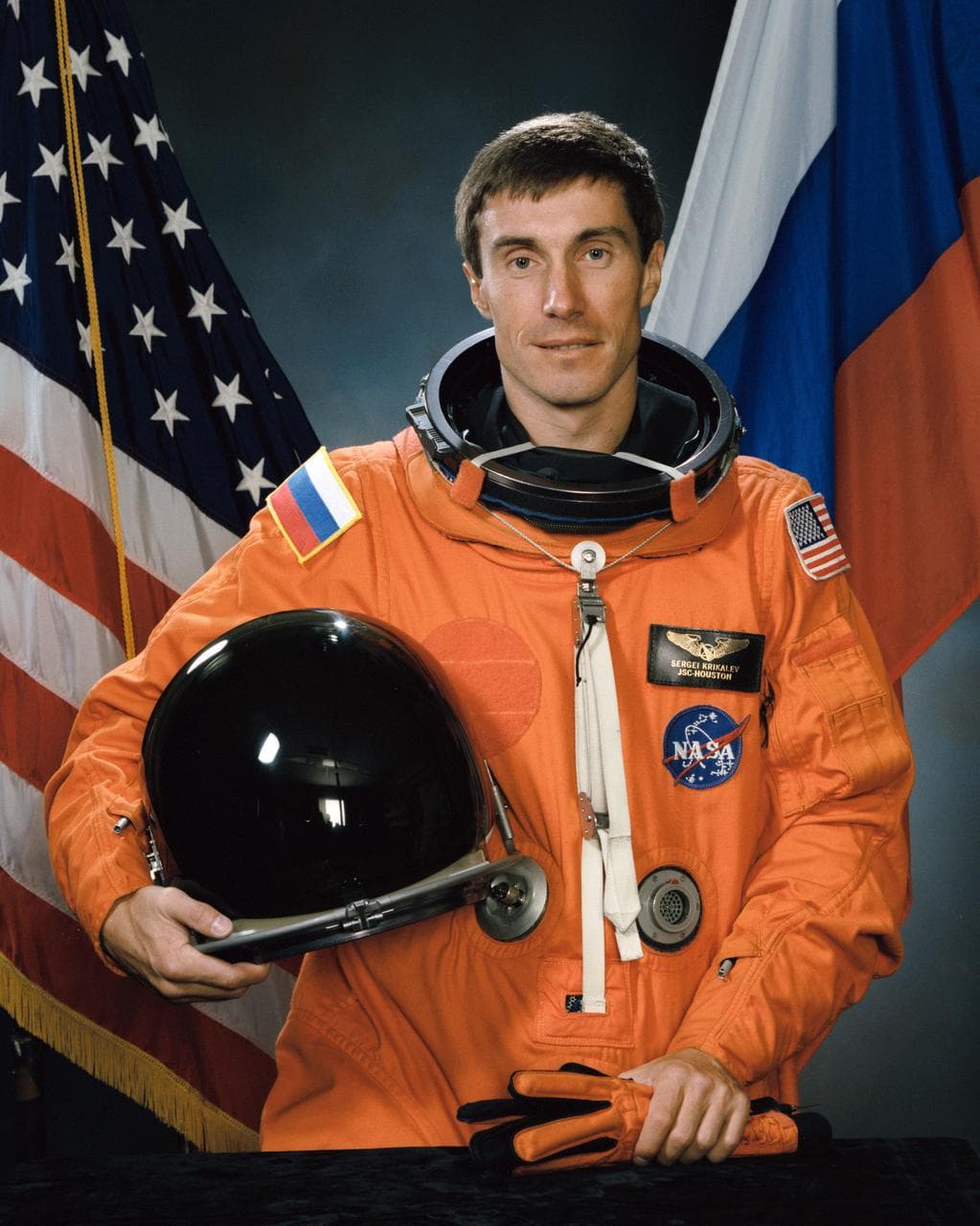
Sergei Krikalev
Sergei Krikalev flew on the first ISS assembly mission and later became one of the station's first three resident crew members aboard Expedition 1.
View Astronaut →
Mission Goals
Mission objectives
- 01
Establish the first permanent resident crew aboard the International Space Station.
- 02
Activate and configure station systems for long-term habitation.
- 03
Conduct scientific experiments during the station's early operational period.
- 04
Support ongoing Space Shuttle assembly missions while living aboard the station.
- 05
Establish operational procedures for future long-duration expedition crews.
Fascinating Details
Did You Know?
Key did you know? recorded for this mission.
Commander William Shepherd was a former U.S. Navy SEAL before becoming a NASA astronaut.
Shepherd requested the crew be addressed by the callsign 'Alpha,' a nickname that stuck informally for years.
Sergei Krikalev had already flown to the station once before, aboard the STS-88 assembly mission in 1998.
Expedition 1 began a chain of continuous human presence aboard the ISS that has continued unbroken for more than two decades.
The crew welcomed the arrival of the station's first large solar arrays during their stay, delivered by STS-97.
Expedition 1 returned to Earth aboard a Space Shuttle rather than the Soyuz spacecraft that carried them to orbit.
As of the station's ongoing operations, more than 270 people from over 20 countries have followed Expedition 1's crew aboard the ISS.
Mission Timeline
October 31, 2000 · 7:53 a.m. Baikonur Time
Launch
Expedition 1's crew launched aboard Soyuz TM-31 from the Baikonur Cosmodrome, beginning the journey to become the station's first residents.
November 2, 2000
Docking and Arrival
The Soyuz spacecraft docked with the International Space Station, and Shepherd, Gidzenko, and Krikalev became its first permanent crew.
Early Days Aboard
Systems Activation
The crew worked through activating and configuring the station's systems for sustained long-term habitation.
December 2000
STS-97 Solar Array Delivery
Space Shuttle Endeavour delivered the station's first large solar arrays during STS-97, continuing assembly while Expedition 1 lived aboard.
Throughout the Expedition
Scientific Operations
The crew conducted scientific experiments and established daily operational routines that shaped procedures for every future expedition crew.
March 2001
Return to Earth
Expedition 1 returned to Earth aboard Space Shuttle Discovery after handing off station operations to the incoming Expedition 2 crew.
Mission Legacy
Legacy
Expedition 1 began what remains one of the longest unbroken achievements in the history of human spaceflight: continuous human presence in orbit, sustained every single day since November 2000 across dozens of subsequent expedition crews.
The crew's work adapting the station's systems and living quarters for genuine long-term habitation established procedures and daily routines that every future expedition crew built upon, turning early improvisation into the mature operational rhythm the ISS still follows today.
William Shepherd, Yuri Gidzenko, and Sergei Krikalev's four months aboard the station also demonstrated, in practice rather than just in planning documents, that American and Russian crews could live and work together in orbit for extended periods, a foundational proof of concept for the international cooperation that has defined the ISS ever since.
Mission Photo Archive
NASA ID: sts097-326-031
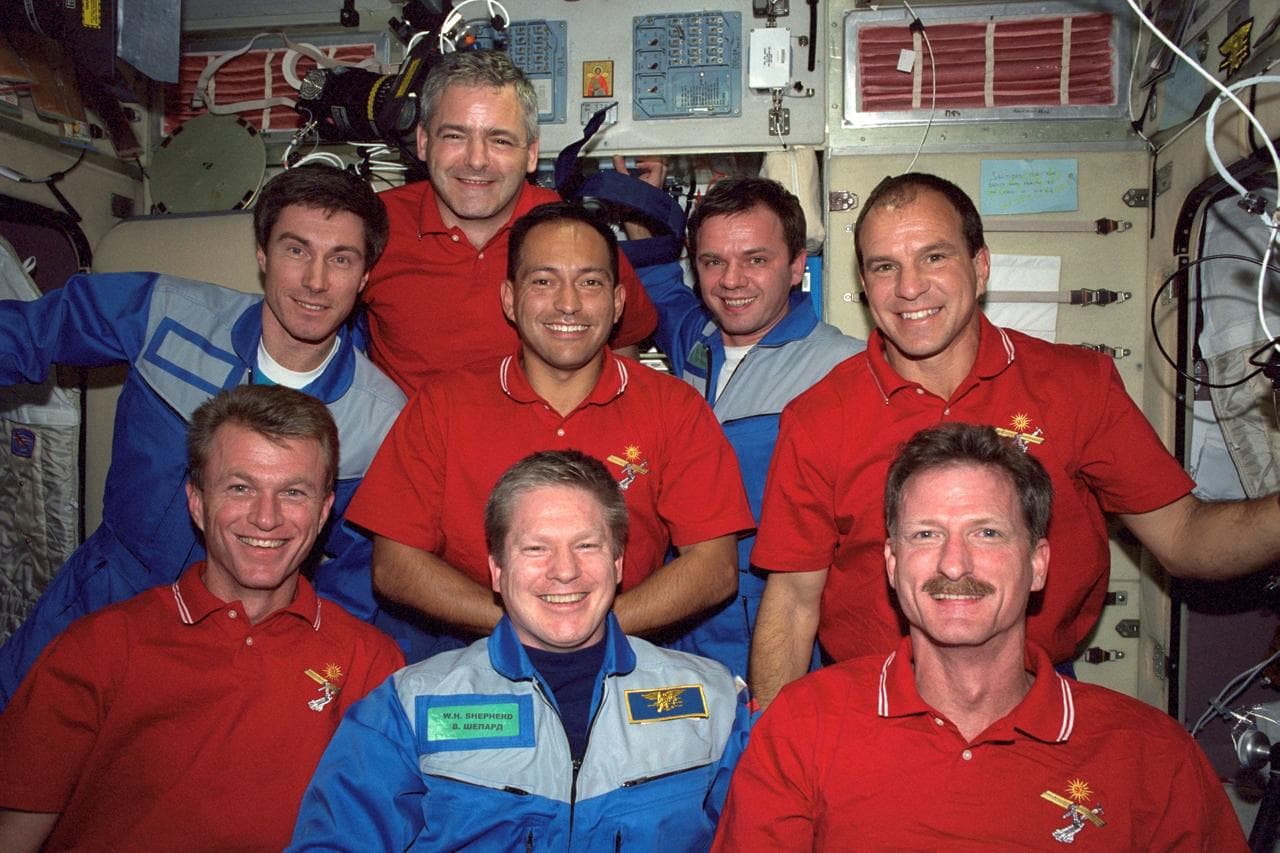
STS-97 Visits Expedition 1
The STS-97 astronauts pose with the Expedition 1 crew inside the space station's Service Module. Expedition 1 — commander Bill Shepherd and cosmonauts Sergei Krikalev and Yuri Gidzenko — had arrived on the International Space Station just five weeks earlier, beginning what has become more than two decades of continuous human presence in orbit, a streak still unbroken today.
View Image →
NASA ID: 0202506
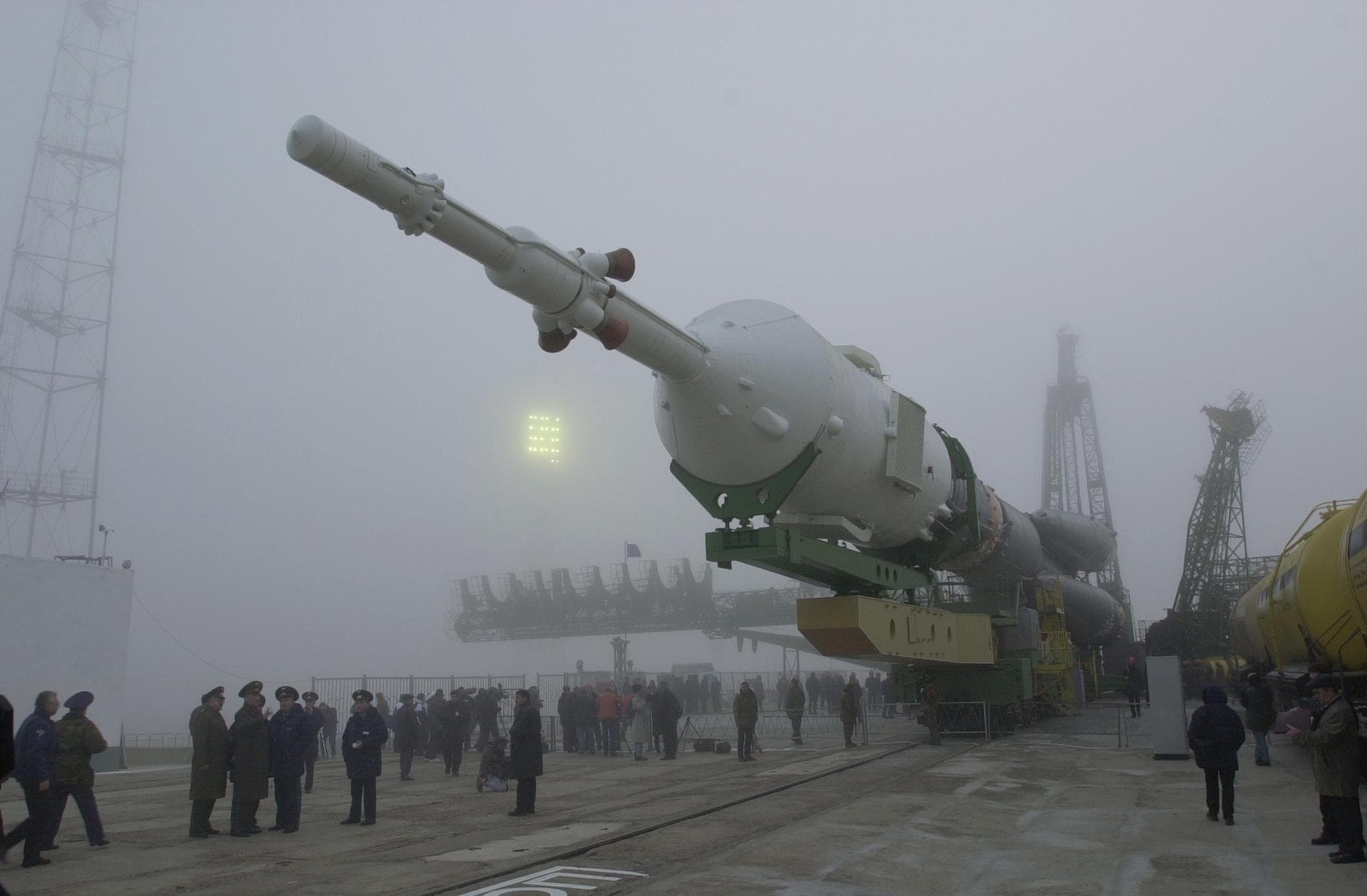
Soyuz TM-31 Rollout at Baikonur
The Soyuz TM-31 launch vehicle, which carried the International Space Station's first resident crew, shown in the vertical position for launch at Baikonur. The Soyuz spacecraft design first flew in the 1960s and remains in service today, and TM-31 carried American commander Bill Shepherd alongside Russian cosmonauts Sergei Krikalev and Yuri Gidzenko to begin more than two decades of continuous human presence in orbit.
View Image →
Related Stories
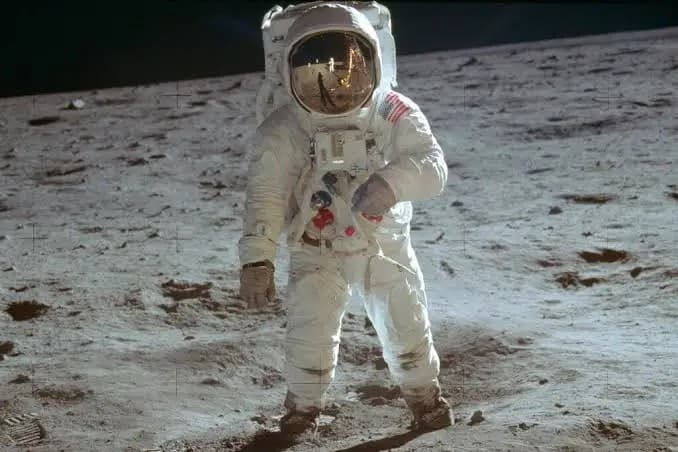
Apollo
The Moon Photos That Still Feel Impossible
Before social media, astronauts brought back images that changed how humanity saw itself forever.
Read Article →
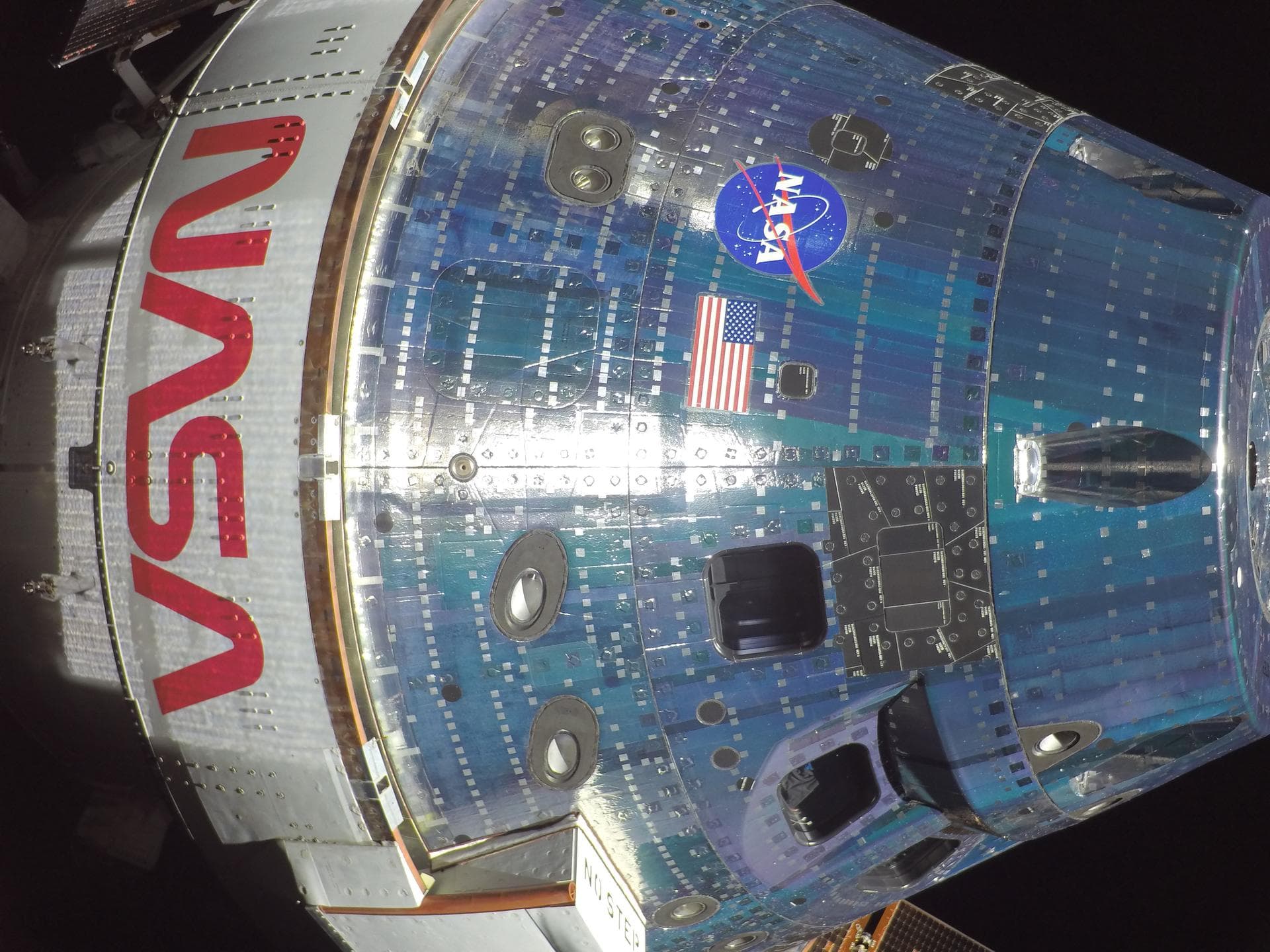
Artemis
Why Artemis Will Change Lunar Exploration
NASA's return to the Moon is designed to become more sustainable, more international, and more ambitious than Apollo.
Read Article →
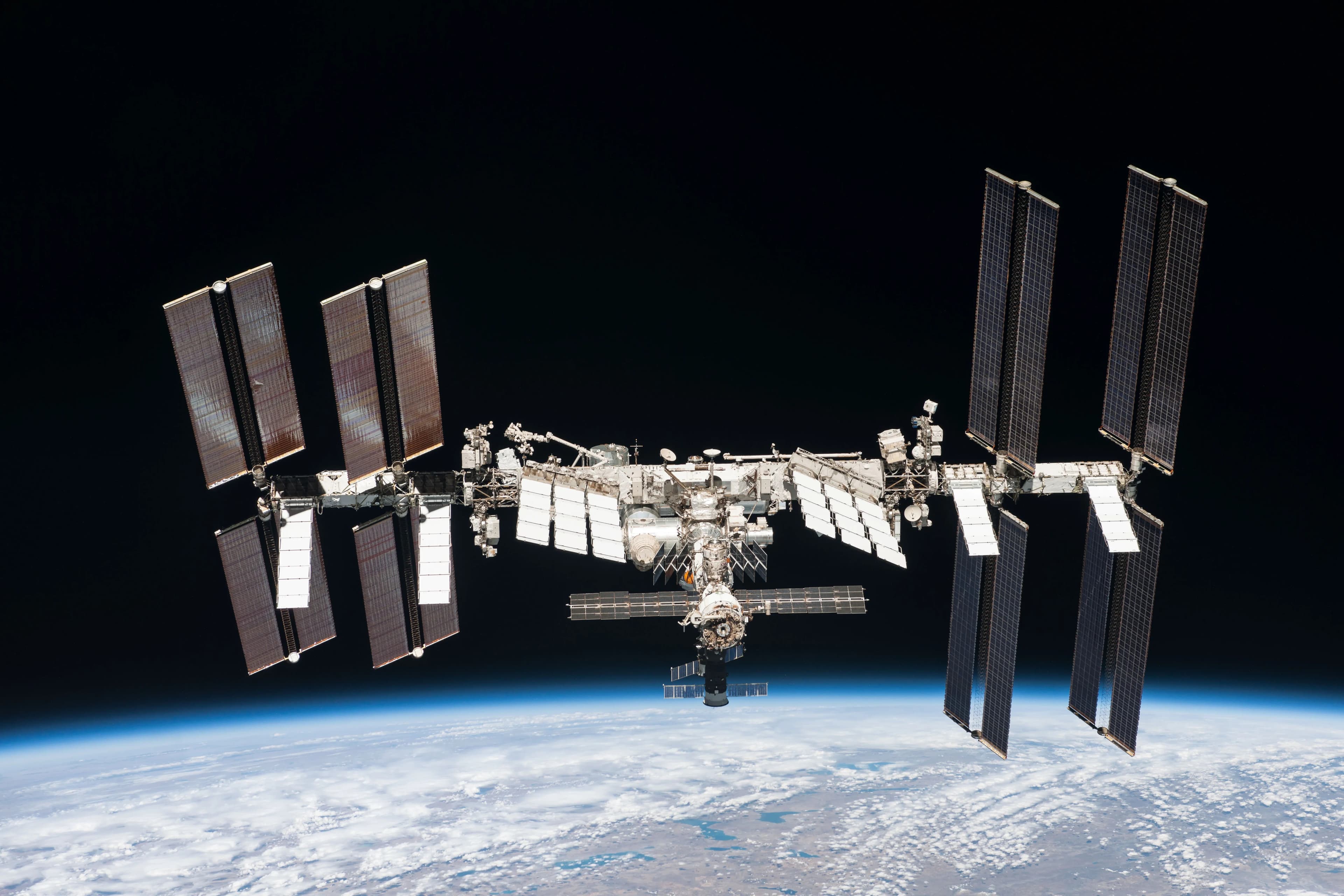
ISS
Life 250 Miles Above Earth
Inside the daily routine of astronauts living and working aboard the International Space Station.
Read Article →