Space Shuttle
STS-93
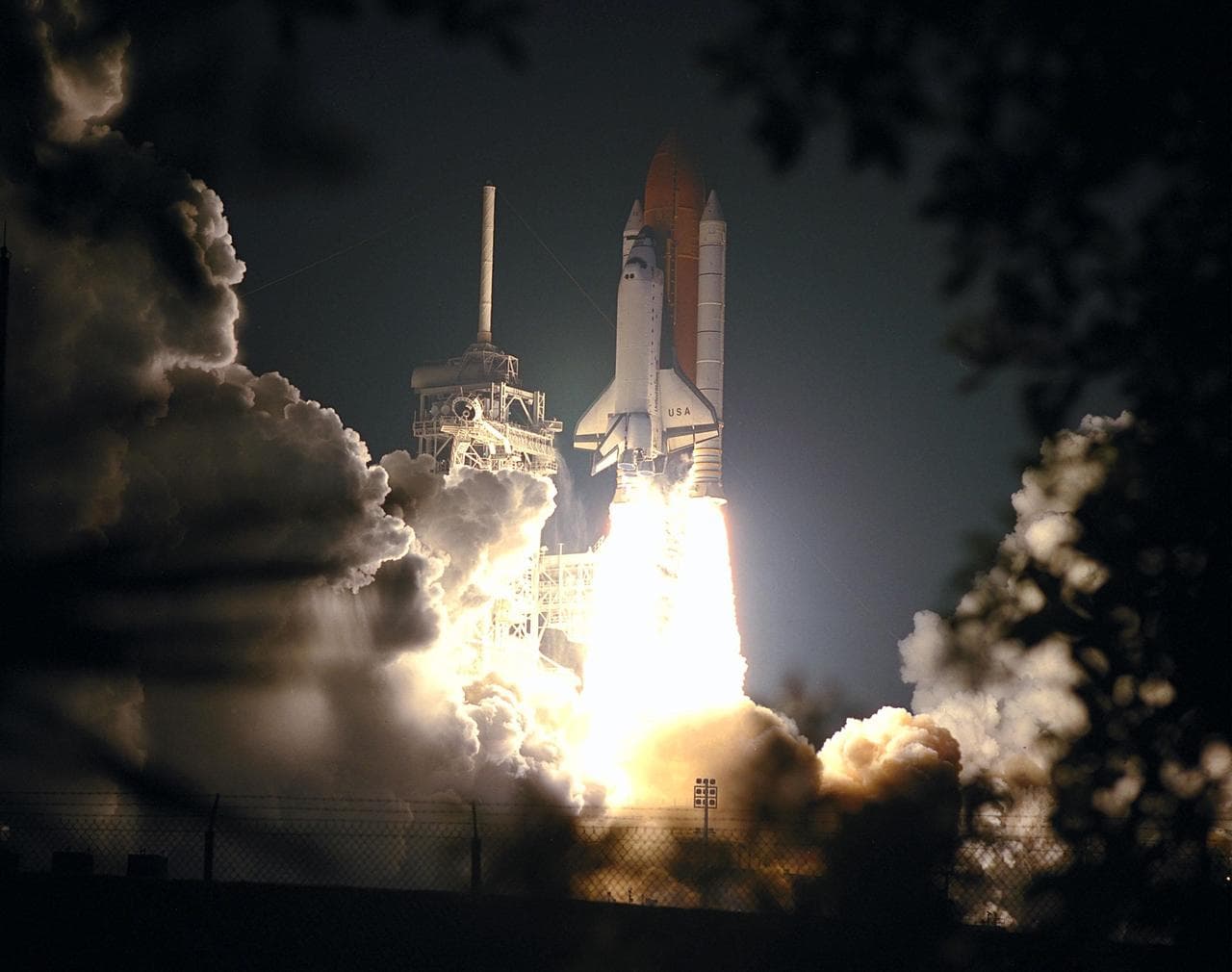
STS-93 made Eileen Collins the first woman to command a Space Shuttle mission, deploying the Chandra X-ray Observatory aboard Columbia despite an electrical short and a hydrogen leak during ascent.
Launch
July 23, 1999
Duration
4 days, 22 hours, 50 minutes
Crew
2 astronauts
Mission record
Space Shuttle archive entry · Successful
Mission Overview
The mission
STS-93 made Eileen Collins the first woman to command a Space Shuttle mission, deploying the Chandra X-ray Observatory aboard Columbia despite an electrical short and a hydrogen leak during ascent.
In Depth
The Full Story
STS-93 carried Eileen Collins into a role no woman had held before. Collins had already made history in 1995 as the first woman to pilot a Space Shuttle, and four years later she returned to Kennedy Space Center as commander of Columbia, the first woman ever entrusted with command of an American spaceflight.
The mission's primary payload was equally historic in its own field: the Chandra X-ray Observatory, one of NASA's most powerful space telescopes, designed to observe X-ray emissions from some of the most extreme environments in the universe, including black holes, neutron stars, and the aftermath of exploding stars. At more than 22 tons, Chandra was the heaviest payload the Shuttle had ever launched to that point.
Launch on July 23, 1999, did not go entirely to plan. During ascent, a short circuit knocked out two of Columbia's main engine controllers just seconds after liftoff, and separately, a small hydrogen leak caused the main engines to burn slightly less efficiently than planned, leaving Columbia in a lower orbit than intended. Collins and her crew managed the anomalies calmly, and the minor shortfall did not prevent the mission's central objective.
The crew successfully deployed Chandra using the Shuttle's robotic arm, sending it toward an unusually high, elliptical orbit that would let it operate for decades. Columbia returned safely to Kennedy Space Center on July 27, and Collins's calm handling of the in-flight anomalies alongside her historic command reinforced her reputation as one of the most skilled astronauts of her generation, a reputation she would draw on again six years later commanding the Shuttle program's first Return to Flight mission after the Columbia disaster.
Mission Details
Official Designation
STS-93
Mission Type
First Female Shuttle Commander
Launch Date
July 23, 1999
Mission Duration
4 days, 22 hours, 50 minutes
Commander
Eileen M. Collins
Pilot
Jeffrey S. Ashby
Orbiter
Columbia
Launch Site
Launch Complex 39B, Kennedy Space Center
Deployed Payload
Chandra X-ray Observatory
Payload Mass
Over 22 tons (heaviest Shuttle payload to that point)
Mission Result
Successful
Historic Achievement
First Woman to Command a Space Shuttle
Mission by the Numbers
Mission Statistics
Mission Type
First Female Shuttle Commander
Launch Vehicle
Space Shuttle Columbia
Crew
2 astronauts
Status
Successful
The People Behind the Mission
Crew
The astronauts assigned to command, operate, and carry out the mission.
Commander
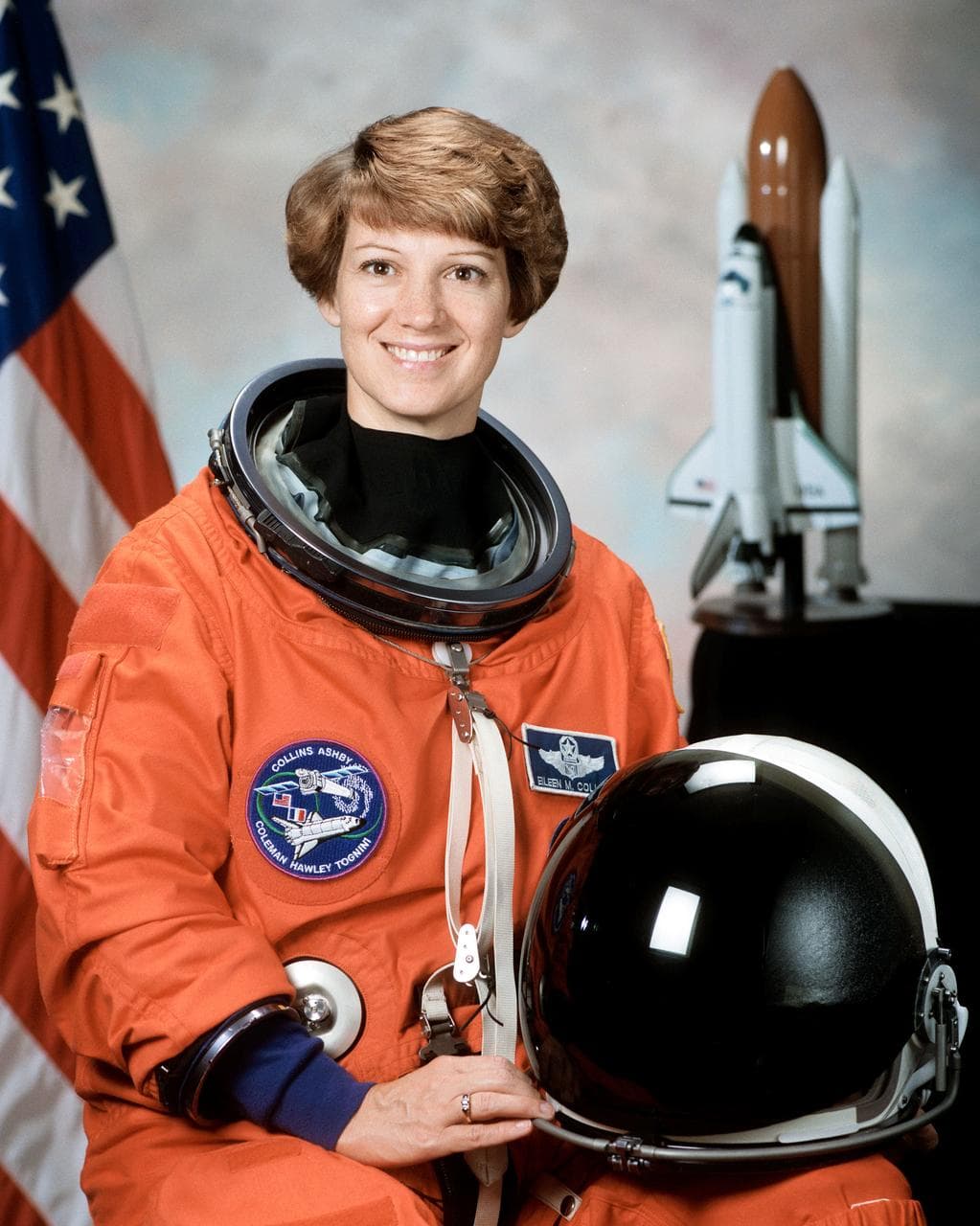
Eileen Collins
Eileen Collins became the first woman to pilot and later command a Space Shuttle mission, and commanded both STS-93 and the critical STS-114 Return to Flight mission after the Columbia disaster.
View Astronaut →

Pilot
Jeffrey S. Ashby
Jeffrey Ashby piloted the mission that deployed the Chandra X-ray Observatory alongside NASA's first female Shuttle commander, then went on to command two more Shuttle flights.
View Astronaut →
Mission Goals
Mission objectives
- 01
Command the first Space Shuttle mission led by a woman.
- 02
Deploy the Chandra X-ray Observatory into a high, elliptical orbit.
- 03
Manage in-flight anomalies during ascent, including an electrical short and hydrogen leak.
- 04
Conduct additional scientific experiments during the flight.
- 05
Return the crew and orbiter safely to Earth.
Fascinating Details
Did You Know?
Key did you know? recorded for this mission.
Eileen Collins had already made history in 1995 as the first woman to pilot a Space Shuttle before commanding STS-93.
The Chandra X-ray Observatory was the heaviest payload the Space Shuttle had launched up to that point, at over 22 tons.
A short circuit knocked out two of Columbia's three main engine controllers just seconds after liftoff.
A hydrogen leak during ascent left Columbia in a slightly lower orbit than planned, though it did not compromise the mission.
Chandra was deployed into an unusually high, elliptical orbit, allowing it to observe far above Earth's radiation belts.
Chandra remains operational decades later, continuing to study black holes, neutron stars, and other extreme cosmic phenomena.
Collins later commanded STS-114 in 2005, the Shuttle program's first Return to Flight mission after the Columbia disaster.
Mission Timeline
July 23, 1999 · 12:31 a.m. EST
Launch
Columbia lifted off from Launch Complex 39B at Kennedy Space Center, with Eileen Collins commanding the first Space Shuttle mission led by a woman.
Seconds After Liftoff
Electrical Short
A short circuit knocked out two of Columbia's three main engine controllers during ascent, an anomaly the crew and systems managed without aborting the mission.
During Ascent
Hydrogen Leak
A small hydrogen leak caused the main engines to burn slightly less efficiently, leaving Columbia in a lower than planned orbit.
Day 1
Chandra Deployment
The crew successfully deployed the Chandra X-ray Observatory using the Shuttle's robotic arm, sending it toward its planned high, elliptical orbit.
Remaining Days
Scientific Operations
The crew conducted additional experiments and observations before preparing Columbia for reentry.
July 27, 1999
Landing
Columbia landed safely at Kennedy Space Center, concluding a mission that deployed one of NASA's flagship space telescopes.
Mission Legacy
Legacy
STS-93 marked a milestone in American spaceflight leadership, with Eileen Collins's command proving that women could hold the highest positions of responsibility aboard NASA's most complex spacecraft.
Collins's calm handling of the in-flight electrical and propulsion anomalies during ascent reinforced her reputation for skill under pressure, a reputation NASA would rely on again just six years later when it selected her to command the critical STS-114 Return to Flight mission after the Columbia disaster.
The mission's deployment of Chandra also delivered lasting scientific value, giving astronomers a powerful new tool for studying the universe's most extreme environments, contributions that have continued for decades and cemented Chandra's place alongside Hubble as one of NASA's most important space telescopes.
Mission Photo Archive
Related Stories
Apollo
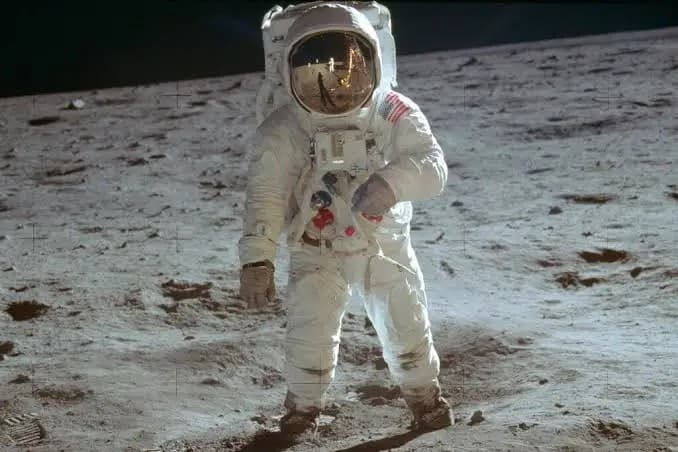
The Moon Photos That Still Feel Impossible
Before social media, astronauts brought back images that changed how humanity saw itself forever.
Read Article →
Artemis
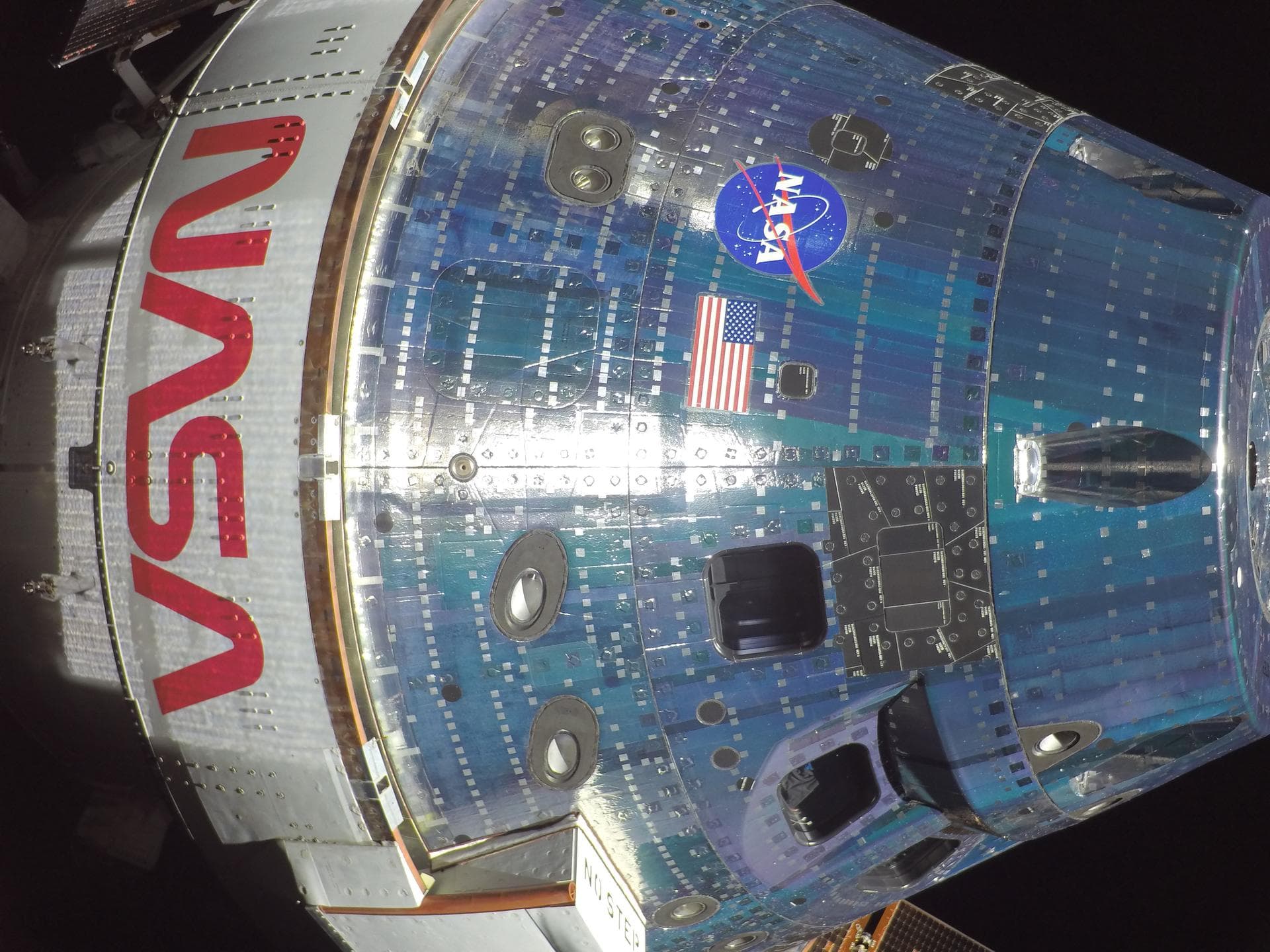
Why Artemis Will Change Lunar Exploration
NASA's return to the Moon is designed to become more sustainable, more international, and more ambitious than Apollo.
Read Article →
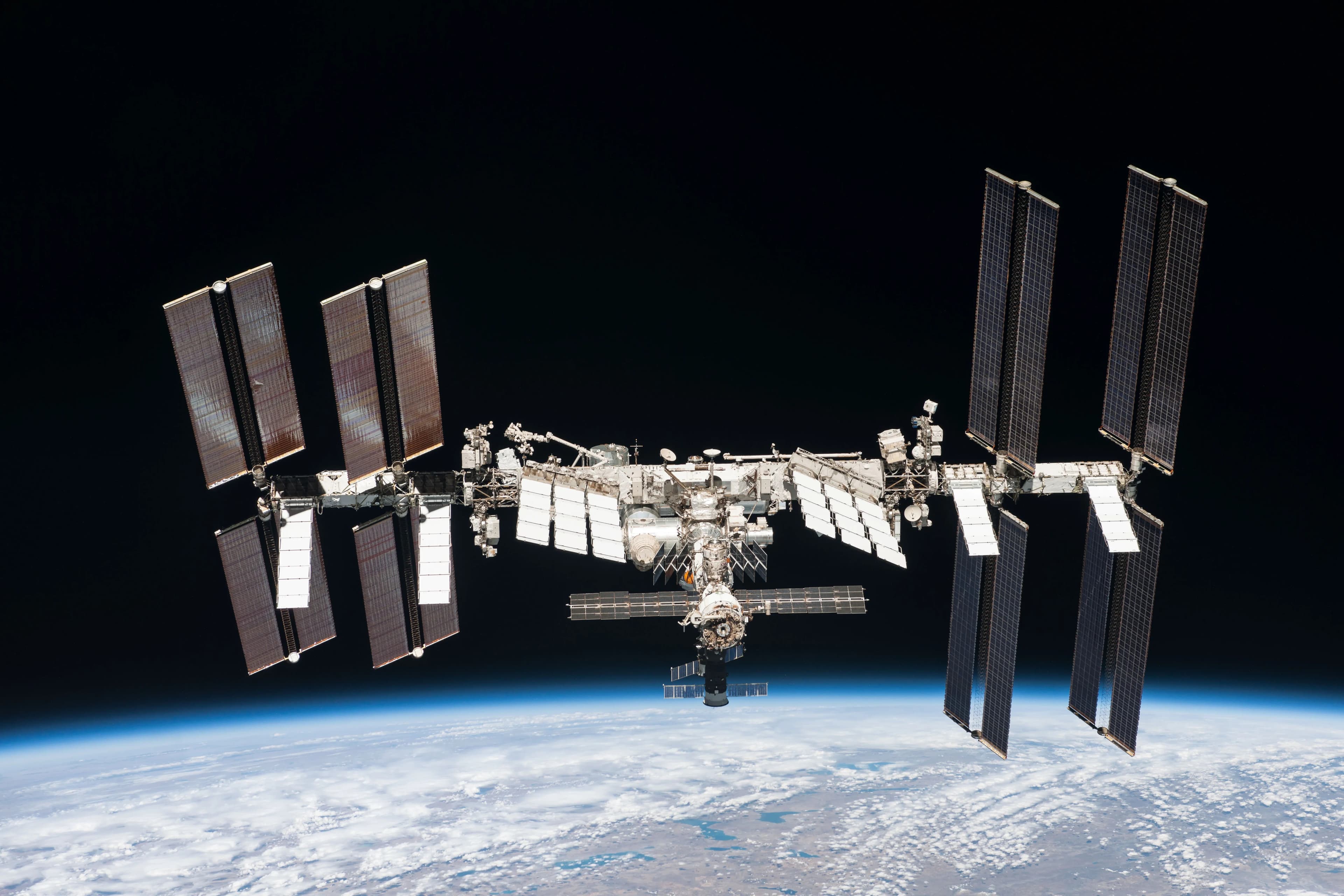
ISS
Life 250 Miles Above Earth
Inside the daily routine of astronauts living and working aboard the International Space Station.
Read Article →