The Moon Photos That Still Feel Impossible
Before social media, astronauts brought back images that changed how humanity saw itself forever.
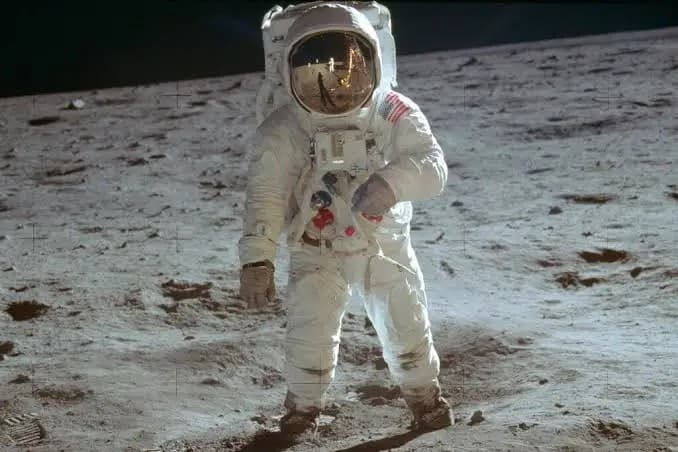
Apollo astronaut photographed on the lunar surface
OrbitingTruths EditorialThe Apollo photographs do not merely document a journey. They preserve the moment humanity first saw itself standing on another world.
Long before smartphones and digital cameras, Apollo astronauts carried specially modified Hasselblad cameras across the lunar surface.
The photographs they returned with became some of the most recognizable images ever created, not because of elaborate staging or visual effects, but because they captured human beings standing on another world.
Every footprint, mountain, reflection, and shadow preserves part of one of history's greatest engineering achievements.
Decades later, many of the photographs still look almost impossible because the Moon presents visual conditions that humans never encounter on Earth.
Lunar photography
Cameras Built for the Moon
Apollo astronauts used modified Hasselblad cameras engineered to operate in vacuum, temperature extremes, and abrasive lunar dust. The cameras were mounted to the astronauts' spacesuits rather than held at eye level.
Because the astronauts could not use a conventional viewfinder while wearing their helmets, they learned to frame photographs by pointing their bodies toward the subject.
An alien landscape
Why the Images Look Unreal
The Moon has no atmosphere to scatter sunlight, soften distant terrain, or turn the sky blue. The ground can appear brilliantly illuminated while nearby shadows remain nearly black.
Mountains also appear strangely close because there is no atmospheric haze to reveal distance. These unfamiliar conditions give authentic lunar photographs a visual quality that can feel artificial to viewers accustomed to Earth.
Visual legacy
Images That Changed History
Apollo photographs became more than mission documentation. They allowed billions of people to witness another world through the eyes of the astronauts who explored it.
A single photograph of a person standing on the Moon compresses centuries of imagination, engineering, risk, and discovery into one frame.
Key takeaways
What matters most
- Apollo astronauts used specially modified Hasselblad cameras.
- The cameras were mounted to the astronauts' spacesuits.
- The Moon's lack of atmosphere creates unfamiliar lighting and distance cues.
- Apollo photographs remain important historical and scientific records.
Article Details
Mission
Apollo 11
Program
Apollo
Camera
Hasselblad 500 EL
Location
Lunar Surface
Astronaut
Buzz Aldrin
Photographer
Neil Armstrong
Lens
60mm Zeiss Biogon
Film
Kodak Ektachrome
Photo ID
AS11-40-5903
Image Gallery
Lasting impact
Why it still matters
Apollo photography created one of the most important visual archives in human history.
The images continue to support historical research, science education, and public understanding of lunar exploration.
Modern lunar missions still build upon documentation practices developed during Apollo.
NASA Sources
Primary Archive
NASA Apollo Image Archive
Photo ID
AS11-40-5903
Collection
Apollo 11 Lunar Surface Photography
Credit
NASA / Johnson Space Center
Connected archive
Continue exploring
Related Stories
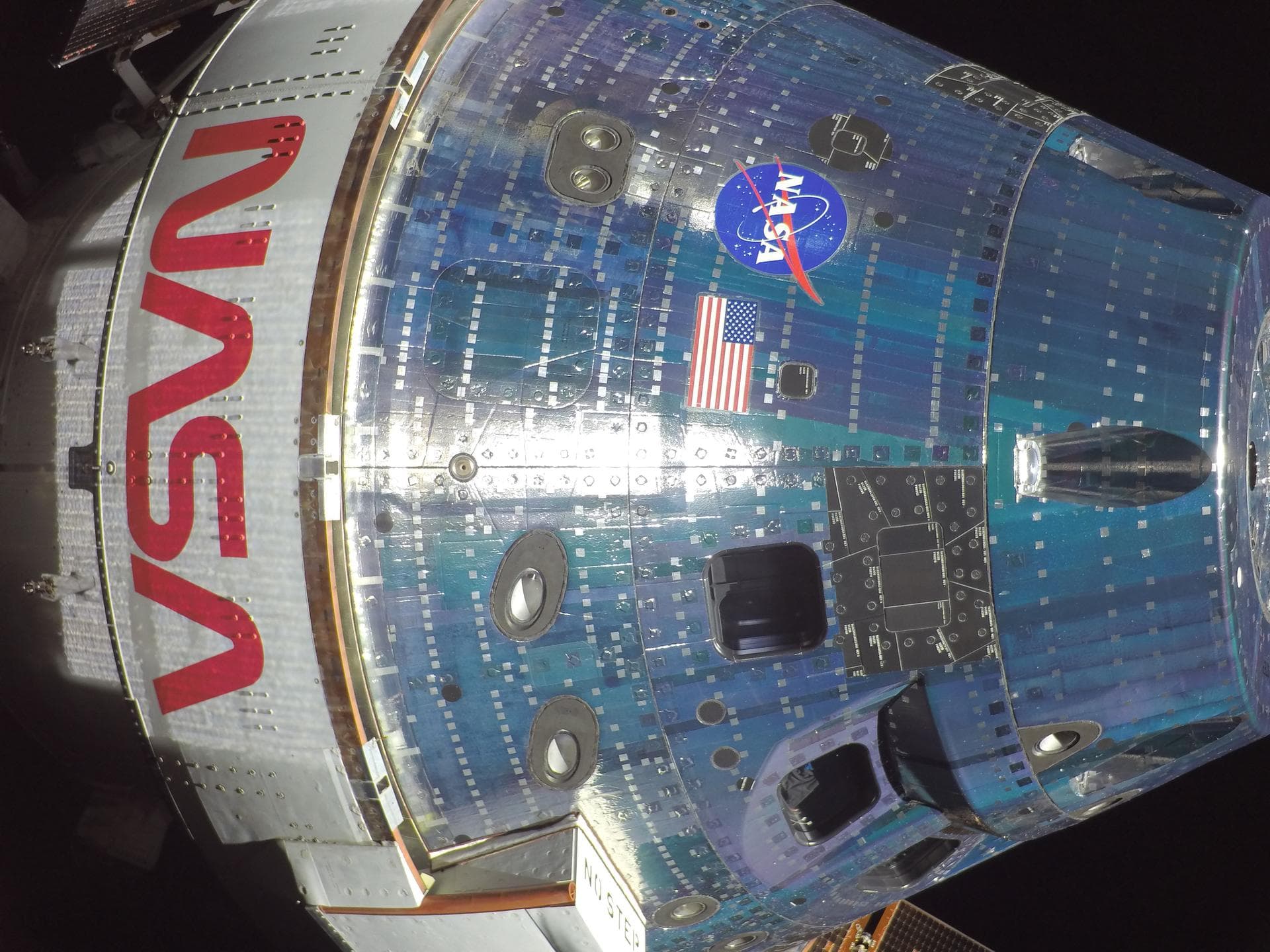
Artemis
Why Artemis Will Change Lunar Exploration
NASA's return to the Moon is designed to become more sustainable, more international, and more ambitious than Apollo.
Read Article →
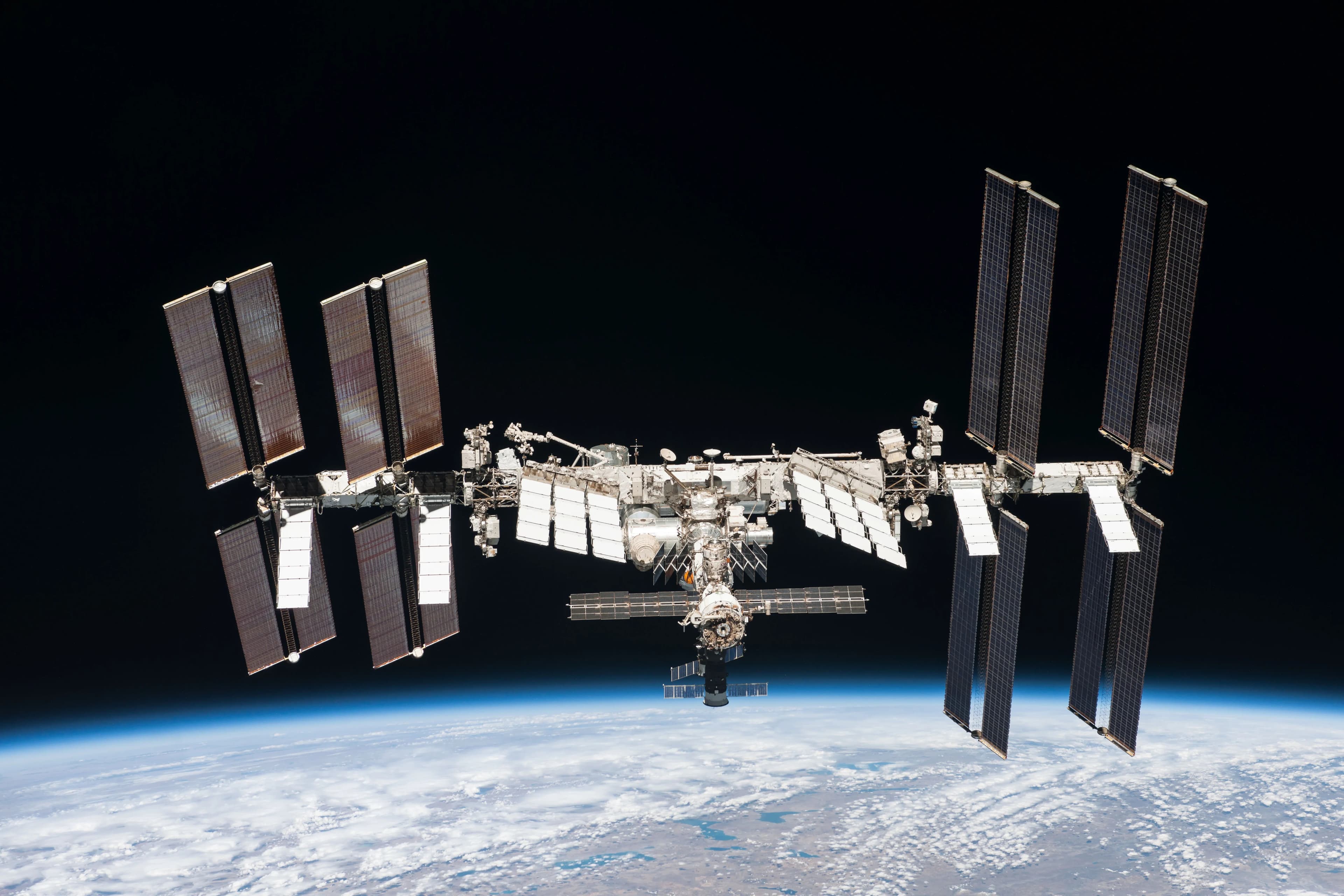
ISS
Life 250 Miles Above Earth
Inside the daily routine of astronauts living and working aboard the International Space Station.
Read Article →
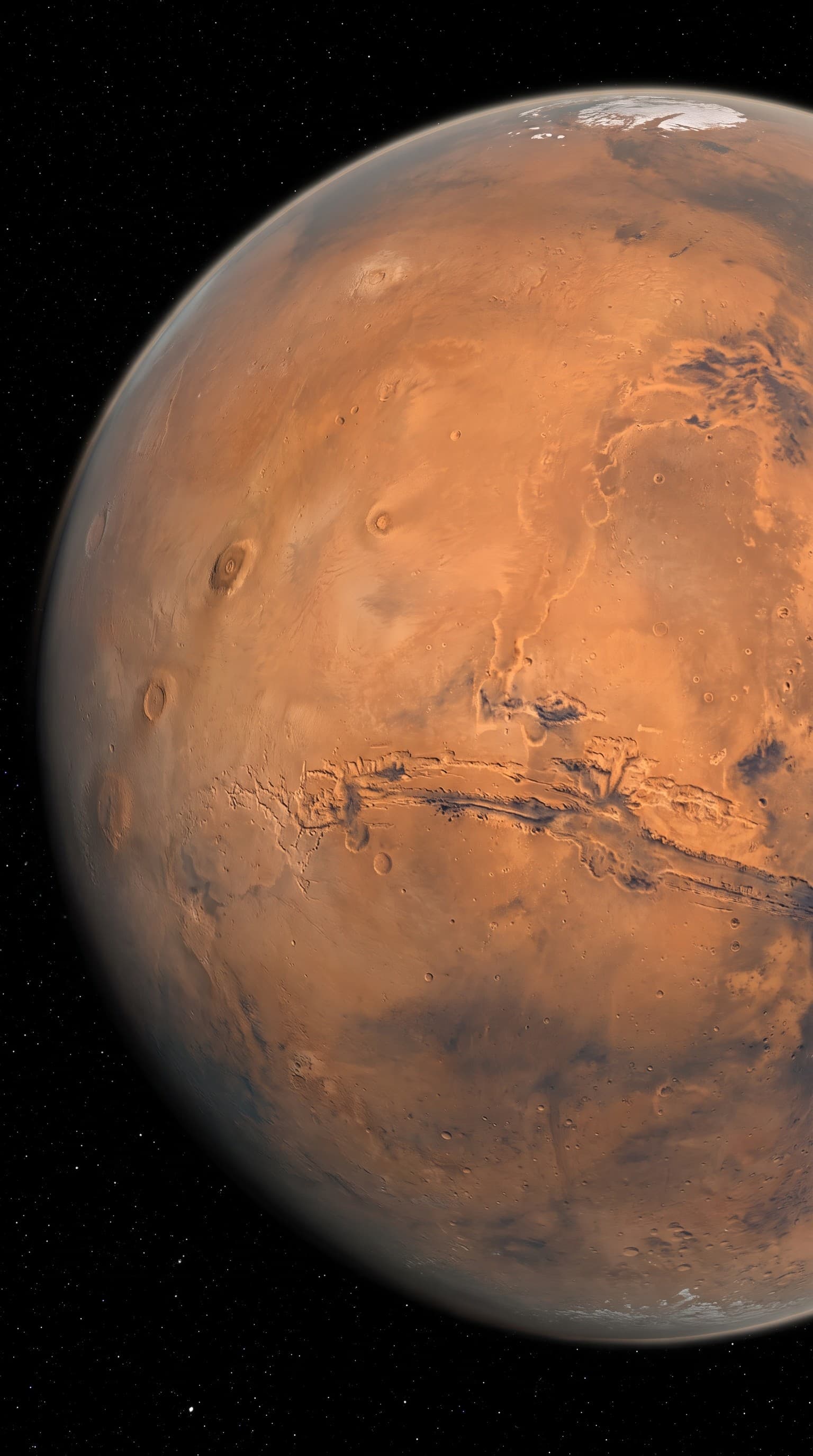
Mars
The Next Giant Leap
What humanity still has to solve before astronauts can safely reach Mars and return home.
Read Article →