Space Shuttle
STS-51-L
Space Shuttle Challenger broke apart just 73 seconds after launch when a failed O-ring seal in a solid rocket booster allowed hot gas to burn through the external fuel tank, killing all seven crew members including teacher Christa McAuliffe.
Launch
January 28, 1986
Duration
73 seconds
Crew
7 astronauts
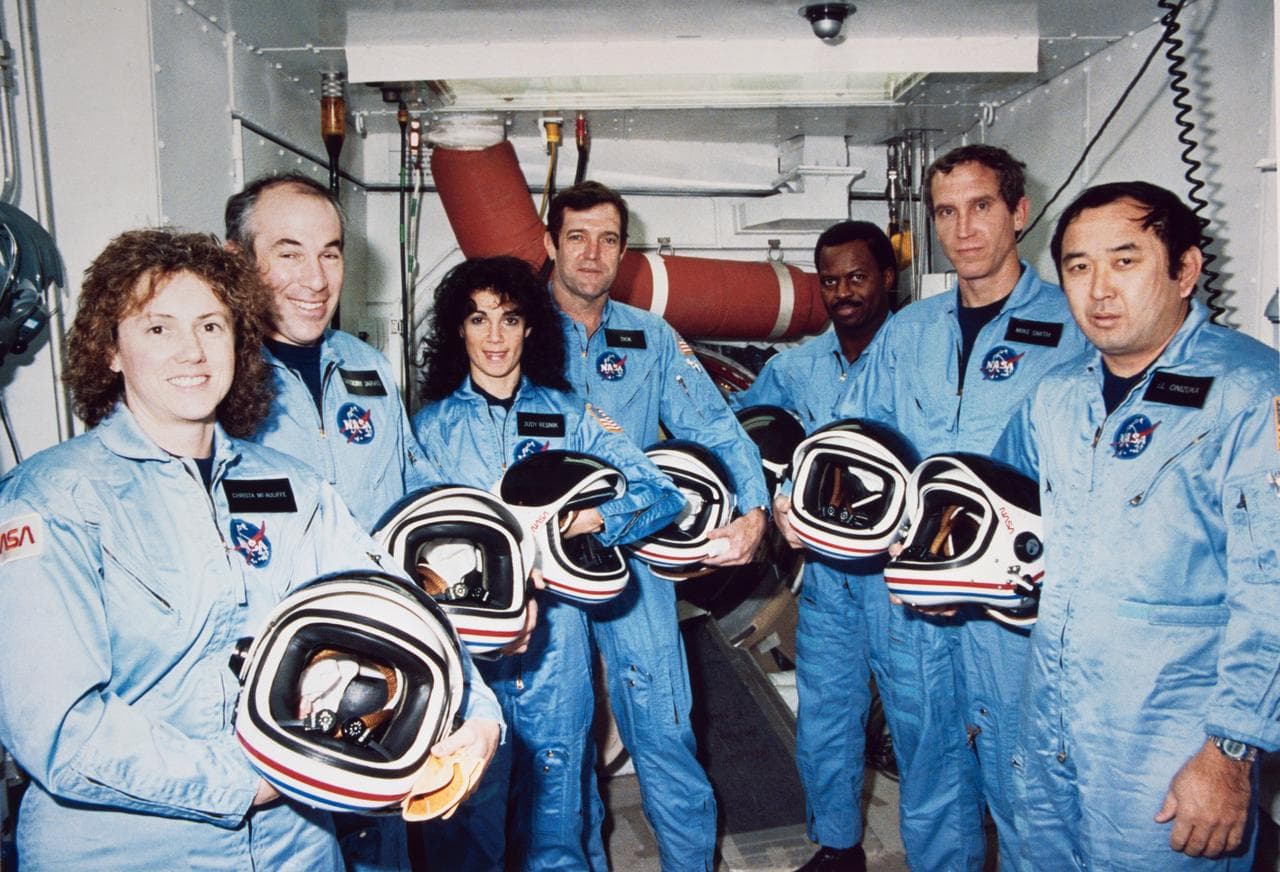
Mission record
Space Shuttle archive entry · Failed
Mission Overview
The mission
Space Shuttle Challenger broke apart just 73 seconds after launch when a failed O-ring seal in a solid rocket booster allowed hot gas to burn through the external fuel tank, killing all seven crew members including teacher Christa McAuliffe.
In Depth
The Full Story
STS-51-L was meant to bring space exploration into American classrooms. Aboard Challenger was Christa McAuliffe, a New Hampshire social studies teacher selected from over 11,000 applicants to become the first participant in NASA's Teacher in Space Project, planning to conduct lessons broadcast to students across the country from orbit. Millions of schoolchildren watched the launch live on television specifically to see her fly.
Challenger lifted off from Kennedy Space Center on the morning of January 28, 1986, after a launch delayed several times, including by unusually cold overnight temperatures that had left ice on the launch pad. Seventy-three seconds into the flight, a rubber O-ring seal in the right solid rocket booster, which engineers had warned could fail in cold weather, allowed hot gas to escape and burn through a strut connecting the booster to the external fuel tank.
The resulting structural failure caused the external tank to break apart, and aerodynamic forces tore Challenger's orbiter into pieces high above the Atlantic Ocean. All seven crew members, Commander Dick Scobee, Pilot Michael Smith, Mission Specialists Judith Resnik, Ellison Onizuka, and Ronald McNair, and Payload Specialists Gregory Jarvis and Christa McAuliffe, were killed. The disaster unfolded live on national television, witnessed by McAuliffe's students and families in the audience at Kennedy Space Center.
The Rogers Commission, a presidential investigation that included physicist Richard Feynman, determined that NASA managers had proceeded with the launch despite warnings from engineers about the O-ring's cold-weather performance, and criticized a management culture that had normalized flying with known risks. The Space Shuttle program was grounded for nearly three years while NASA redesigned the solid rocket booster joints and overhauled its safety decision-making processes.
Mission Details
Official Designation
STS-51-L
Mission Type
Challenger Disaster
Launch Date
January 28, 1986
Mission Duration
73 seconds
Commander
Francis R. 'Dick' Scobee
Pilot
Michael J. Smith
Orbiter
Challenger
Launch Site
Launch Complex 39B, Kennedy Space Center
Crew Size
7 Astronauts
Cause
Solid Rocket Booster O-Ring Failure
Mission Result
Failed
Historic Significance
First In-Flight Loss of a Space Shuttle Crew
Mission by the Numbers
Mission Statistics
Mission Type
Challenger Disaster
Launch Vehicle
Space Shuttle Challenger
Crew
7 astronauts
Status
Failed
The People Behind the Mission
Crew
The astronauts assigned to command, operate, and carry out the mission.
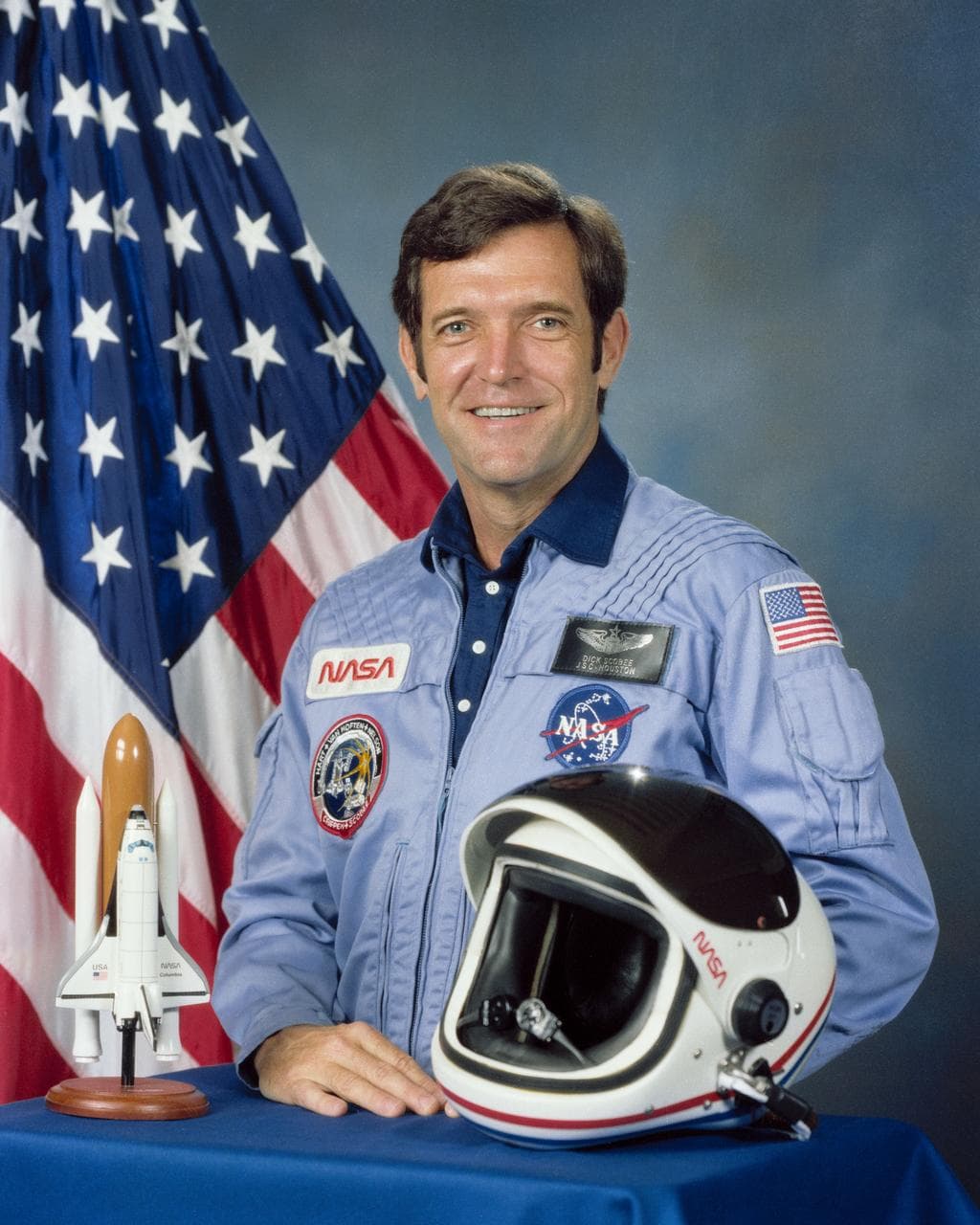
Commander
Dick Scobee
Dick Scobee commanded the Space Shuttle Challenger on STS-51-L in January 1986, and was killed along with his six crewmates 73 seconds after launch.
View Astronaut →

Pilot
Michael J. Smith
Michael Smith was piloting his first spaceflight aboard Space Shuttle Challenger when STS-51-L broke apart 73 seconds after launch on January 28, 1986.
View Astronaut →

Mission Specialist
Judith A. Resnik
Judith Resnik became the second American woman in space aboard STS-41-D, then was killed on her second flight when Challenger broke apart 73 seconds after launch.
View Astronaut →

Mission Specialist
Ellison S. Onizuka
Ellison Onizuka became the first Asian American in space aboard STS-51-C, then was killed on his second flight when Challenger broke apart 73 seconds after launch.
View Astronaut →

Mission Specialist
Ronald E. McNair
Ronald McNair, a laser physicist and the second African American in space, planned to record the first music performed in orbit aboard Challenger before the mission ended in disaster.
View Astronaut →

Payload Specialist
Gregory B. Jarvis
Gregory Jarvis had been bumped from two earlier Shuttle flights before finally launching aboard Challenger, only for STS-51-L to end in disaster 73 seconds after liftoff.
View Astronaut →
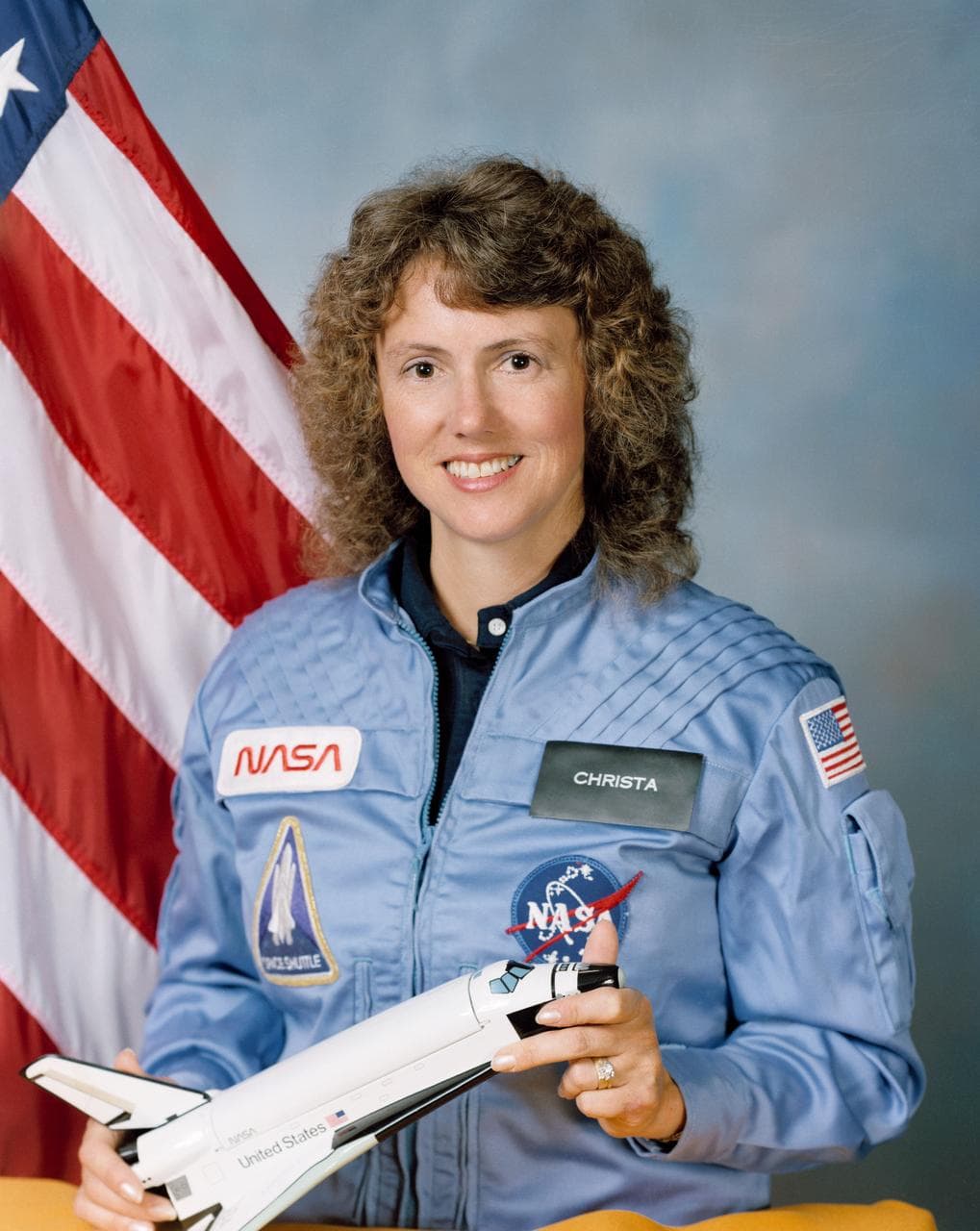
Payload Specialist
Christa McAuliffe
Christa McAuliffe was a New Hampshire teacher selected to be the first participant in NASA's Teacher in Space Project, and was killed aboard Challenger just 73 seconds after launch.
View Astronaut →
Mission Goals
Mission objectives
- 01
Deploy the TDRS-B communications satellite.
- 02
Observe Halley's Comet from orbit using the Spartan-Halley free-flying platform.
- 03
Broadcast lessons from orbit as part of the Teacher in Space Project.
- 04
Conduct scientific experiments in Challenger's payload bay.
Fascinating Details
Did You Know?
Key did you know? recorded for this mission.
Christa McAuliffe was selected from more than 11,000 applicants to become the first participant in NASA's Teacher in Space Project.
The disaster occurred just 73 seconds after launch, in full view of a live national television broadcast watched by many schoolchildren.
Engineers had warned the night before launch that cold temperatures could compromise the solid rocket booster's O-ring seals.
Physicist Richard Feynman famously demonstrated the O-ring's cold-weather failure during a televised commission hearing by dipping a sample in ice water.
The Space Shuttle program was grounded for nearly three years following the disaster.
Judith Resnik was the second American woman in space, having flown on STS-41-D in 1984.
Ellison Onizuka was the first Asian American astronaut to fly in space, having flown on STS-51-C in 1985.
A memorial, the Space Mirror Memorial, was later built at Kennedy Space Center honoring all astronauts who died in the line of duty, including the Challenger crew.
Mission Timeline
Prior Night
Unusually Cold Temperatures
Overnight temperatures at Kennedy Space Center dropped low enough to leave ice on the launch pad, conditions engineers had warned could affect the solid rocket booster O-ring seals.
January 28, 1986 · 11:38 a.m. EST
Launch
Challenger lifted off from Launch Complex 39B, carrying Christa McAuliffe and six crewmates on the STS-51-L mission.
T+73 seconds
O-Ring Failure
A failed O-ring seal in the right solid rocket booster allowed hot gas to escape and burn through a strut connecting the booster to the external fuel tank.
T+73 seconds
Breakup
The external tank ruptured and aerodynamic forces tore Challenger apart, killing all seven crew members in view of a live national television broadcast.
Following Days
National Mourning
President Reagan addressed the nation, postponing his State of the Union address, and the disaster was watched and mourned across the country, especially in schools that had tuned in for McAuliffe's flight.
1986
Rogers Commission Investigation
A presidential commission, including physicist Richard Feynman, determined the cause was the O-ring failure and criticized NASA's management culture for proceeding despite engineering warnings.
September 1988
Return to Flight
The Space Shuttle program resumed nearly three years later with STS-26, after a redesign of the solid rocket booster joints and changes to NASA's safety review processes.
Mission Legacy
Legacy
The Challenger disaster fundamentally changed how NASA approached risk and safety decision-making. The Rogers Commission's finding that engineering warnings had been overridden by management pressure led to lasting reforms in how the agency evaluates and communicates technical risk.
The tragedy also reshaped public understanding of spaceflight's dangers, ending a period where Shuttle launches had begun to feel routine and reminding the country of the enormous risks astronauts accepted on every mission.
The seven Challenger astronauts, and Christa McAuliffe in particular, are remembered through numerous memorials, scholarships, and educational programs, and the disaster remains one of the defining moments in the history of American spaceflight, studied for its engineering and organizational lessons to this day.
Mission Photo Archive
Related Stories
Apollo
The Moon Photos That Still Feel Impossible
Before social media, astronauts brought back images that changed how humanity saw itself forever.
Read Article →
Artemis
Why Artemis Will Change Lunar Exploration
NASA's return to the Moon is designed to become more sustainable, more international, and more ambitious than Apollo.
Read Article →
ISS
Life 250 Miles Above Earth
Inside the daily routine of astronauts living and working aboard the International Space Station.
Read Article →