Apollo
Apollo 7
Apollo 7 was the first crewed Apollo mission and NASA's first human spaceflight after the Apollo 1 tragedy. During an eleven-day Earth-orbit mission, the crew thoroughly tested the redesigned Apollo Command and Service Module, proving it was safe for future missions to the Moon and restoring confidence in the Apollo Program.
Launch
October 11, 1968
Duration
10 days, 20 hours, 9 minutes
Crew
3 astronauts
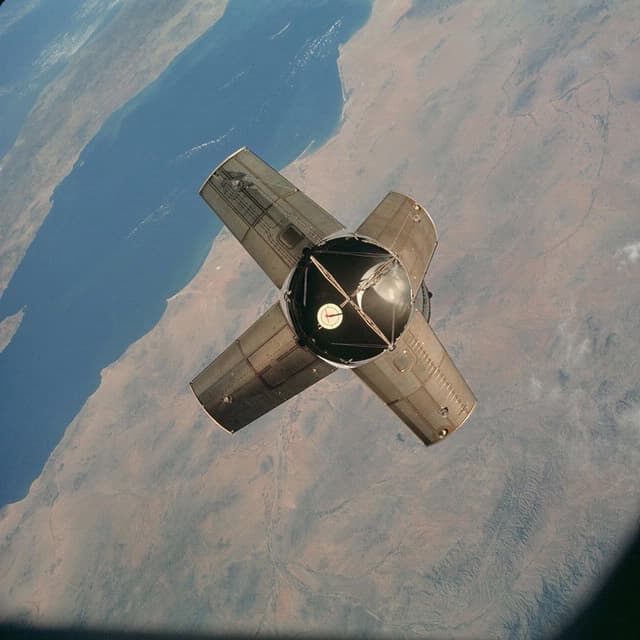
Mission record
Apollo archive entry · Successful
Mission Overview
The mission
Apollo 7 was the first crewed Apollo mission and NASA's first human spaceflight after the Apollo 1 tragedy. During an eleven-day Earth-orbit mission, the crew thoroughly tested the redesigned Apollo Command and Service Module, proving it was safe for future missions to the Moon and restoring confidence in the Apollo Program.
In Depth
The Full Story
Apollo 7 marked one of the most important turning points in NASA history. Nearly twenty-one months had passed since the Apollo 1 cabin fire claimed the lives of astronauts Gus Grissom, Ed White, and Roger Chaffee. During that time, engineers completely redesigned the Apollo spacecraft, modifying thousands of components to improve safety, reliability, and performance.
Launched on October 11, 1968, Apollo 7 carried Commander Walter M. Schirra Jr., Command Module Pilot Donn F. Eisele, and Lunar Module Pilot Walter Cunningham into Earth orbit aboard a Saturn IB rocket. Although the mission never left Earth orbit, it represented the final qualification of the redesigned Command and Service Module before NASA committed astronauts to lunar missions.
For nearly eleven days, the crew conducted one of the most comprehensive spacecraft evaluations ever performed. They repeatedly ignited the Service Propulsion System engine, tested guidance and navigation systems, verified environmental controls, evaluated electrical power systems, and demonstrated that the spacecraft could support astronauts throughout an extended mission.
Apollo 7 also became the first American mission to broadcast live television from space. Viewers watched astronauts floating weightlessly inside the Command Module while explaining spacecraft equipment and daily life in orbit. These broadcasts introduced millions of people to spaceflight in a way never before possible and earned the crew a special Emmy Award.
Despite its overall success, Apollo 7 was not without challenges. All three astronauts developed severe head colds early in the mission. Congestion made routine activities uncomfortable and created concern about pressure changes during reentry. The illness also contributed to several tense exchanges between Commander Schirra and Mission Control regarding workload, scheduling, and operational priorities.
Even with these difficulties, Apollo 7 accomplished every major engineering objective. The redesigned Apollo spacecraft performed exceptionally well, giving NASA leadership the confidence to approve Apollo 8's bold mission to orbit the Moon only two months later.
Without Apollo 7, there would have been no Apollo 8 lunar orbit, no Apollo 10 dress rehearsal, and no Apollo 11 Moon landing.
Mission Details
Official Designation
Apollo 7
Mission Type
Crewed Earth-Orbit Qualification Flight
Launch Date
October 11, 1968
Mission Duration
10 days, 20 hours, 9 minutes
Crew Size
3 Astronauts
Commander
Walter M. Schirra Jr.
Command Module Pilot
Donn F. Eisele
Lunar Module Pilot
R. Walter Cunningham
Spacecraft
Apollo CSM-101
Launch Vehicle
Saturn IB AS-205
Launch Site
Launch Complex 34
Mission Result
Successful
Destination
Low Earth Orbit
Major Achievement
Qualified the Apollo spacecraft for lunar missions
Historic First
First crewed Apollo mission
Historic First
First live American television broadcast from a crewed spacecraft
Primary Engine Tested
Service Propulsion System (SPS)
Recovery
Atlantic Ocean
Program
Apollo
Next Mission
Apollo 8
Mission by the Numbers
Mission Statistics
Mission Type
Crewed Earth-Orbit Qualification Flight
Launch Vehicle
Saturn IB AS-205
Crew
3 astronauts
Status
Successful
The People Behind the Mission
Crew
The astronauts assigned to command, operate, and carry out the mission.
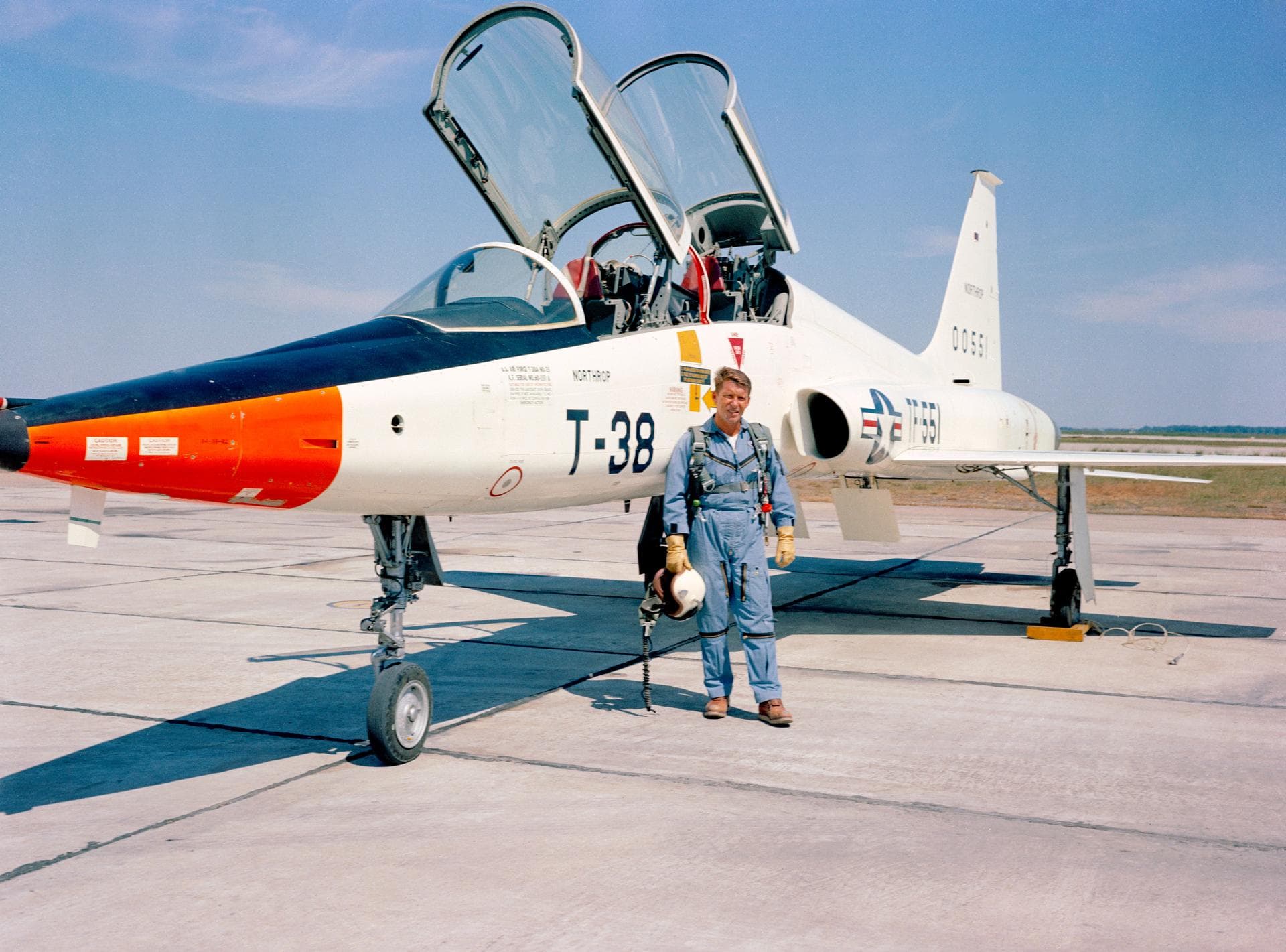
Commander
Wally Schirra
Wally Schirra piloted Sigma 7 on a near-flawless orbital flight and remains the only astronaut to fly Mercury, Gemini, and Apollo missions.
View Astronaut →

Command Module Pilot
Donn F. Eisele
Donn Eisele served as Command Module Pilot on Apollo 7, the mission that proved the redesigned Apollo spacecraft was ready to fly less than two years after the Apollo 1 fire.
View Astronaut →

Lunar Module Pilot
R. Walter Cunningham
Walter Cunningham flew as Lunar Module Pilot on Apollo 7 despite the mission carrying no Lunar Module at all, testing the Apollo spacecraft systems that every later Moon mission depended on.
View Astronaut →
Mission Goals
Mission objectives
- 01
Perform the first crewed flight of the Apollo Command and Service Module.
- 02
Qualify the redesigned Apollo spacecraft for future lunar missions.
- 03
Evaluate spacecraft performance during a long-duration mission.
- 04
Demonstrate operation of the Service Propulsion System engine.
- 05
Verify crew life-support systems.
- 06
Test environmental control systems.
- 07
Evaluate guidance, navigation, and control performance.
- 08
Demonstrate rendezvous capability using the spent S-IVB stage.
- 09
Validate spacecraft communications systems.
- 10
Evaluate fuel cell electrical power generation.
- 11
Demonstrate television broadcasting from space.
- 12
Collect biomedical data during an extended orbital mission.
- 13
Verify spacecraft performance before committing crews to lunar missions.
- 14
Recover the crew and spacecraft safely after reentry.
Fascinating Details
Did You Know?
Key did you know? recorded for this mission.
Apollo 7 was NASA's first crewed mission after the Apollo 1 fire.
The crew spent almost eleven days in orbit, setting a new American spaceflight endurance record.
Walter Schirra became the only astronaut to fly Mercury, Gemini, and Apollo missions.
Apollo 7 carried no Lunar Module because its only goal was qualifying the Command and Service Module.
The astronauts broadcast live television from space for the first time in American history.
Millions of people watched astronauts float weightlessly inside the spacecraft.
The television broadcasts later earned the crew a Special Emmy Award.
All three astronauts caught severe head colds early in the mission.
Mission Control and Commander Schirra occasionally argued over the workload during the flight.
Despite those disagreements, every major engineering objective was completed successfully.
The SPS engine fired multiple times without significant problems.
Apollo 7 proved the redesigned spacecraft was safe enough to send astronauts toward the Moon.
Without Apollo 7's success, Apollo 8 almost certainly would not have flown that year.
Launch Complex 34 never hosted another crewed launch after Apollo 7.
Apollo 7 restored public confidence in NASA's ability to safely send astronauts into space again.
Mission Timeline
January 27, 1967
Apollo 1 Tragedy
The Apollo 1 cabin fire claimed the lives of Gus Grissom, Ed White, and Roger Chaffee, leading NASA to redesign the Apollo spacecraft before another crewed mission could fly.
1967-1968
Spacecraft Redesign
Engineers implemented thousands of design improvements, including a safer hatch, nonflammable materials, improved wiring, and numerous reliability upgrades throughout the Command Module.
October 11, 1968 · 11:02 a.m. EDT
Launch
Apollo 7 lifted off aboard Saturn IB AS-205 from Launch Complex 34, becoming the first crewed Apollo mission.
Minutes After Launch
Earth Orbit Achieved
The spacecraft successfully entered low Earth orbit, beginning NASA's first crewed Apollo mission.
Flight Day 1
Initial Spacecraft Checkout
The crew verified propulsion, electrical systems, communications, guidance, and environmental controls before beginning the mission's extensive test program.
Flight Day 2
Service Propulsion System Test
The powerful SPS engine was fired successfully, validating one of the most critical systems required for future lunar missions.
Early Mission
Crew Develops Head Colds
All three astronauts developed severe colds that persisted for most of the mission, complicating daily operations and creating concerns for reentry.
Flight Days 3-5
Orbital Maneuvers
Apollo 7 completed numerous orbital maneuvers while evaluating spacecraft handling, navigation accuracy, and rendezvous procedures.
Flight Day 5
Rendezvous Demonstration
The crew maneuvered the Command and Service Module relative to the spent S-IVB stage, demonstrating rendezvous techniques that would later be essential in lunar orbit.
Flight Day 6
First Live Television Broadcast
Apollo 7 transmitted America's first live television broadcast from a crewed spacecraft, giving millions of viewers an unprecedented look inside the Command Module.
Flight Days 6-10
Continued Systems Testing
The crew repeatedly evaluated spacecraft guidance, electrical systems, communications, environmental controls, fuel cells, and propulsion while completing one of the most comprehensive engineering test programs ever flown.
Throughout the Mission
Tense Exchanges with Mission Control
Illness, fatigue, and scheduling disagreements led to several well-known disagreements between Commander Walter Schirra and Mission Control. Despite the friction, all critical mission objectives remained on schedule.
Final Days
Final SPS Evaluations
Additional Service Propulsion System burns demonstrated consistent engine performance, confirming the spacecraft's primary propulsion system was ready for lunar missions.
October 22, 1968
Reentry
Apollo 7 successfully reentered Earth's atmosphere after nearly eleven days in orbit, validating the redesigned Command Module under operational conditions.
October 22, 1968
Splashdown
The Command Module safely splashed down in the Atlantic Ocean southeast of Bermuda, completing the longest American spaceflight up to that time.
Postflight
Spacecraft Certified
NASA declared the redesigned Apollo Command and Service Module fully qualified for lunar missions following Apollo 7's successful completion.
December 1968
Apollo 8 Approved
Confidence gained from Apollo 7 allowed NASA to approve Apollo 8's historic mission to become the first crewed spacecraft to orbit the Moon.
Mission Legacy
Legacy
Apollo 7 was much more than another test flight. It represented NASA's return after one of the darkest moments in the agency's history.
Following the Apollo 1 fire, thousands of engineers spent nearly two years redesigning almost every aspect of the Apollo spacecraft. Apollo 7 became the ultimate proof that those efforts had succeeded.
During nearly eleven days in orbit, the crew thoroughly tested every critical system required for future lunar missions. The Service Propulsion System performed flawlessly, life-support systems exceeded expectations, communications remained reliable, and the redesigned spacecraft demonstrated exceptional overall performance.
Apollo 7 also changed how the public experienced spaceflight. For the first time, live television allowed viewers around the world to watch astronauts working, eating, joking, and floating inside their spacecraft. These broadcasts helped transform Apollo from a technical program into a shared human experience.
Although disagreements between the crew and Mission Control became part of the mission's history, they never overshadowed its engineering success. NASA now possessed complete confidence that the Command and Service Module could safely carry astronauts far beyond Earth orbit.
Only two months later, that confidence enabled Apollo 8 to become the first human mission to leave Earth orbit and circle the Moon. Apollo 7 quietly became the bridge between tragedy and triumph, proving that the dream of landing on the Moon was once again within reach.
Related Stories
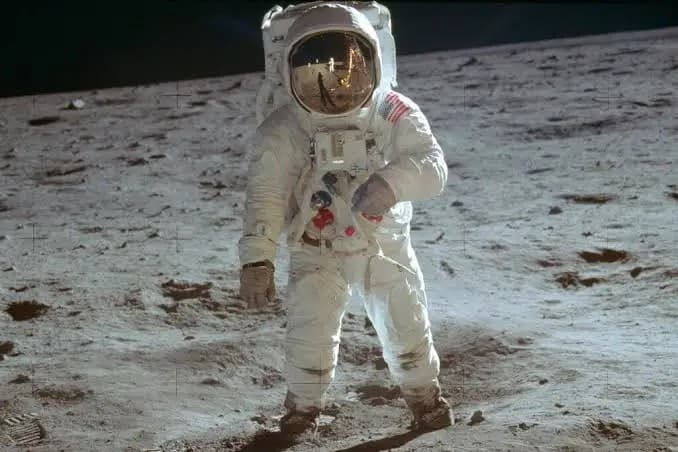
Apollo
The Moon Photos That Still Feel Impossible
Before social media, astronauts brought back images that changed how humanity saw itself forever.
Read Article →
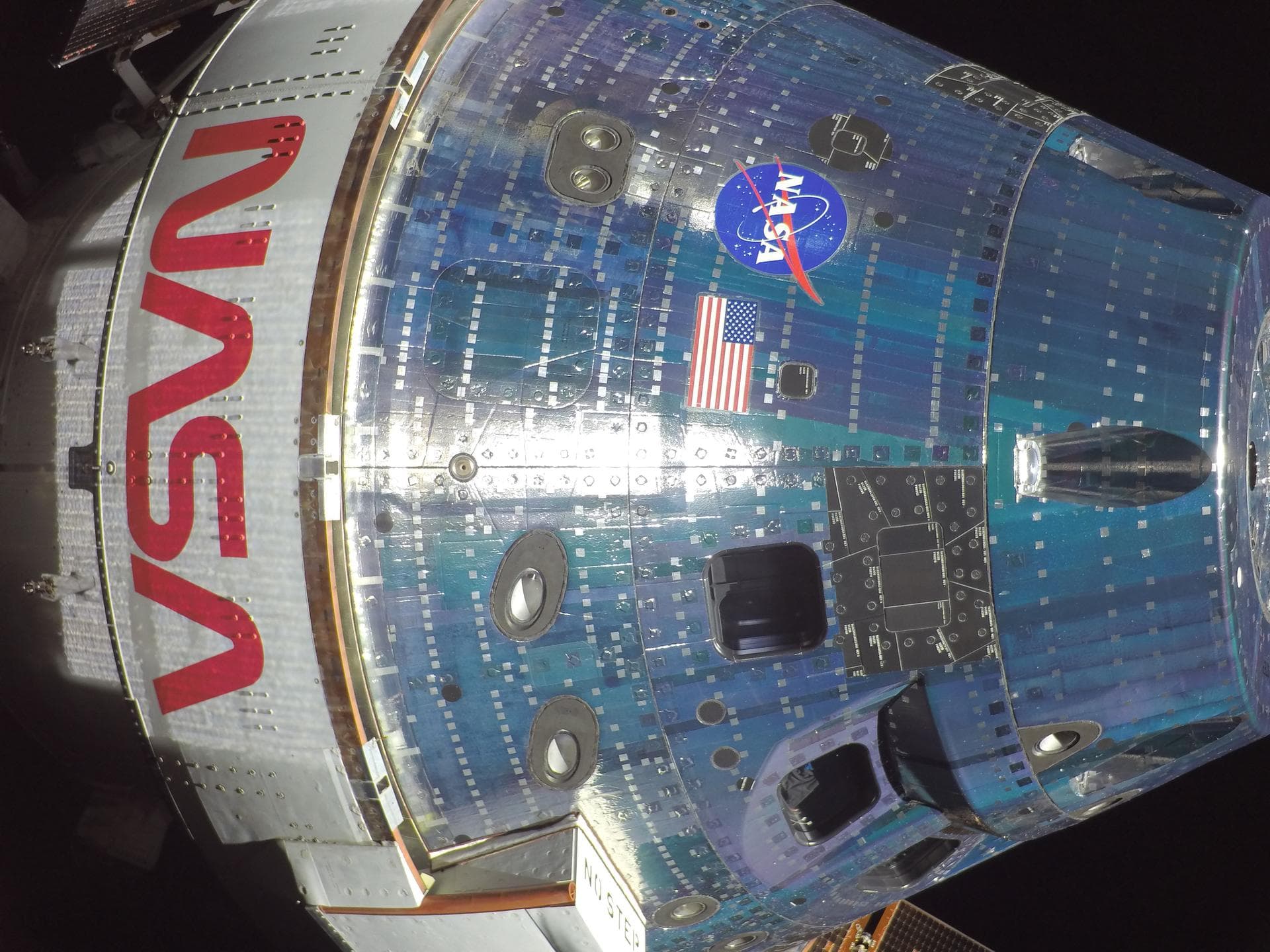
Artemis
Why Artemis Will Change Lunar Exploration
NASA's return to the Moon is designed to become more sustainable, more international, and more ambitious than Apollo.
Read Article →
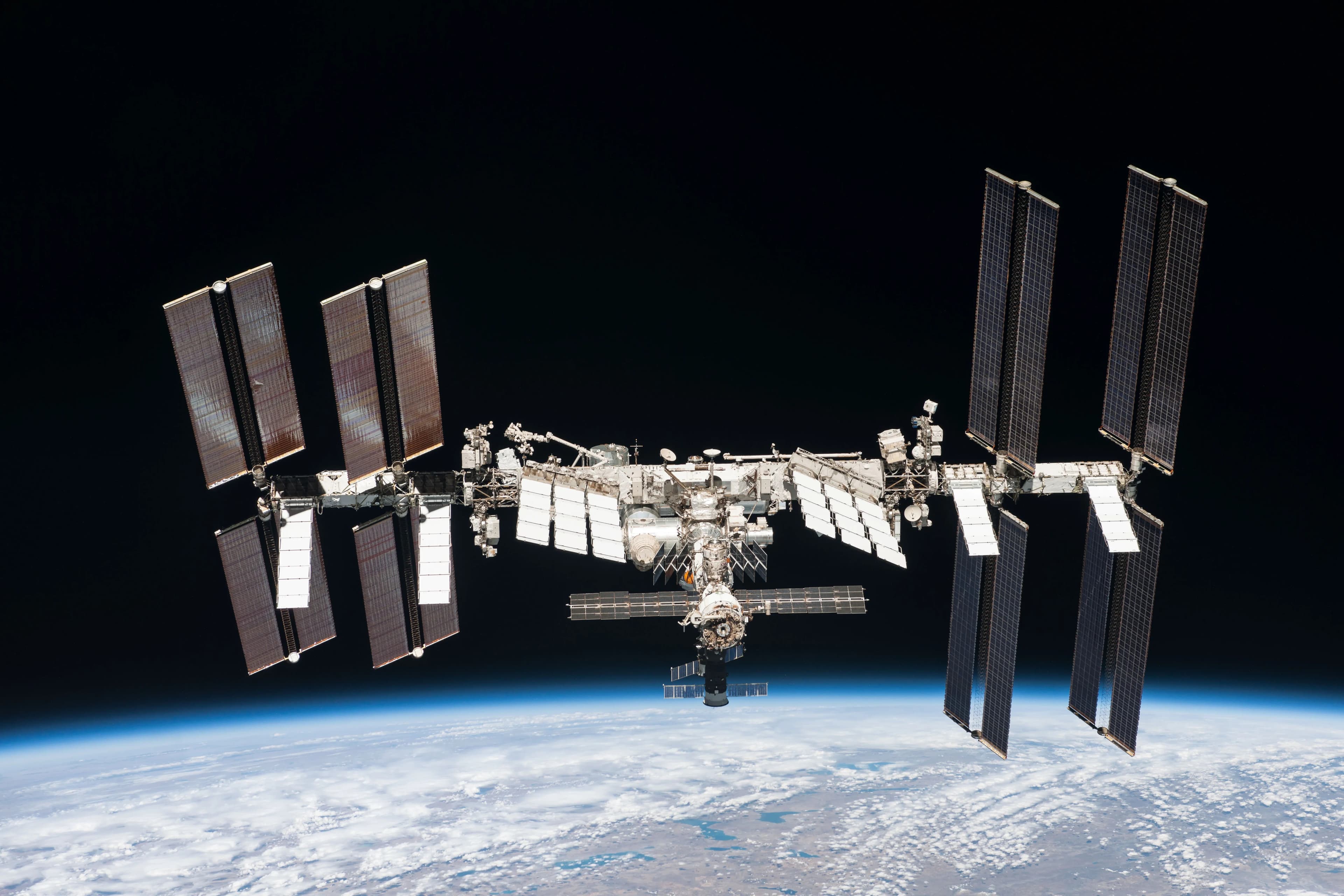
ISS
Life 250 Miles Above Earth
Inside the daily routine of astronauts living and working aboard the International Space Station.
Read Article →