Space Shuttle
STS-26
STS-26 returned the Space Shuttle to flight nearly three years after the Challenger disaster, sending Discovery's crew safely to orbit and back on a mission that restored confidence in NASA's redesigned rocket boosters.
Launch
September 29, 1988
Duration
4 days, 1 hour, 0 minutes
Crew
2 astronauts
Mission record
Space Shuttle archive entry · Successful
Mission Overview
The mission
STS-26 returned the Space Shuttle to flight nearly three years after the Challenger disaster, sending Discovery's crew safely to orbit and back on a mission that restored confidence in NASA's redesigned rocket boosters.
In Depth
The Full Story
STS-26 carried the weight of an entire program's future. Nearly three years had passed since the Challenger disaster grounded the Space Shuttle, years spent redesigning the solid rocket booster joints that had failed, overhauling NASA's safety review processes, and rebuilding public and institutional confidence in an agency that had been fundamentally shaken.
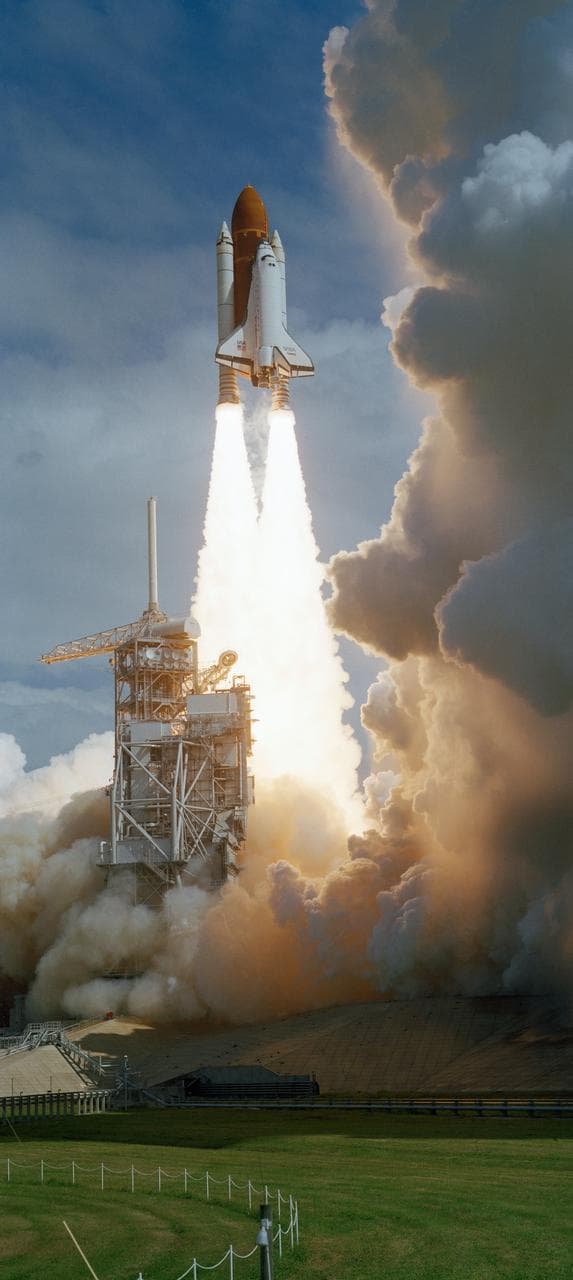
Commanded by Frederick Hauck, who had also commanded the mission immediately before Challenger's final flight, Discovery lifted off from Kennedy Space Center on September 29, 1988, becoming the first crewed American spacecraft to fly since the January 1986 disaster. The choice of Hauck as commander was deliberate, giving the mission continuity and experience at a moment when NASA needed to demonstrate it had genuinely learned from its failures.
The mission itself deployed a Tracking and Data Relay Satellite, part of the communications network the Shuttle and later spacecraft would rely on, and carried out a modest science program over four days in orbit. But the mission's real significance had little to do with its specific payload; every phase of the flight, from the redesigned booster joints performing exactly as engineers had planned, to a smooth ascent, to Discovery's safe return, served as proof that the Shuttle program's extensive redesign had actually worked.
Discovery landed safely at Edwards Air Force Base on October 3, and the successful flight marked the beginning of the Shuttle program's second era, one built on the hard lessons of Challenger. Over the following twenty-three years, the redesigned Shuttle would go on to build the International Space Station, service Hubble multiple times, and fly well over a hundred more missions before its eventual retirement.
Mission Details
Official Designation
STS-26
Mission Type
Return to Flight After Challenger
Launch Date
September 29, 1988
Mission Duration
4 days, 1 hour, 0 minutes
Commander
Frederick H. Hauck
Pilot
Richard O. Covey
Orbiter
Discovery
Launch Site
Launch Complex 39B, Kennedy Space Center
Landing Site
Edwards Air Force Base, California
Deployed Payload
Tracking and Data Relay Satellite
Mission Result
Successful
Historic Achievement
First Shuttle Flight After the Challenger Disaster
Mission by the Numbers
Mission Statistics
Mission Type
Return to Flight After Challenger
Launch Vehicle
Space Shuttle Discovery
Crew
2 astronauts
Status
Successful
The People Behind the Mission
Crew
The astronauts assigned to command, operate, and carry out the mission.
Commander
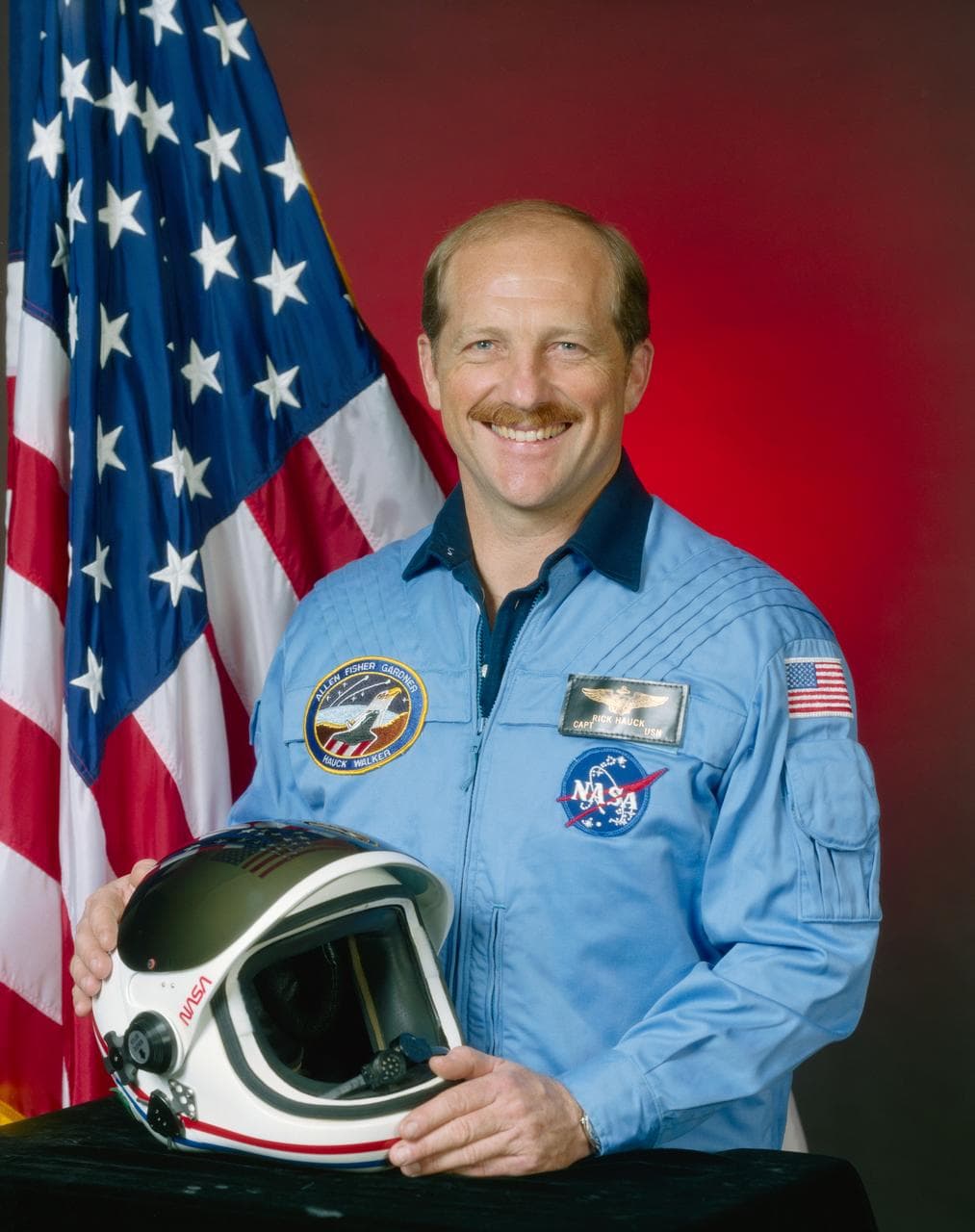
Frederick Hauck
Frederick Hauck commanded STS-26, the mission that returned the Space Shuttle to flight nearly three years after the Challenger disaster.
View Astronaut →

Pilot
Richard O. Covey
Richard Covey piloted the mission that returned the Space Shuttle to flight after the Challenger disaster, then commanded the dramatic first repair mission to the Hubble Space Telescope.
View Astronaut →
Mission Goals
Mission objectives
- 01
Return the Space Shuttle safely to flight after the Challenger disaster.
- 02
Validate the redesigned solid rocket booster joints under actual flight conditions.
- 03
Deploy a Tracking and Data Relay Satellite to expand NASA's communications network.
- 04
Conduct scientific experiments during the flight.
- 05
Demonstrate NASA's reformed safety review and decision-making processes.
Fascinating Details
Did You Know?
Key did you know? recorded for this mission.
STS-26 launched nearly three years after the Challenger disaster grounded the Shuttle program.
Commander Frederick Hauck had also commanded the mission that flew immediately before Challenger's final flight.
The mission's solid rocket boosters featured a completely redesigned joint, the direct engineering response to the cause of the Challenger disaster.
NASA overhauled its safety review and decision-making processes based on the Rogers Commission's findings before allowing STS-26 to fly.
The successful mission cleared the way for the Shuttle program to resume regular operations, including ISS construction years later.
Richard Covey, STS-26's pilot, later commanded STS-61, the first Hubble servicing mission, in 1993.
STS-26 was the first of what NASA internally called its 'Return to Flight' missions, a designation later reused for STS-114 after the Columbia disaster.
Mission Timeline
January 1986
Challenger Disaster
The loss of Challenger and its seven-person crew grounded the Space Shuttle program while NASA investigated the cause and redesigned critical hardware.
1986–1988
Redesign and Recovery
NASA redesigned the solid rocket booster joints, overhauled its safety review processes, and rebuilt institutional confidence over more than two years of preparation.
September 29, 1988 · 11:37 a.m. EST
Launch
Discovery lifted off from Launch Complex 39B at Kennedy Space Center, becoming the first crewed American spacecraft to fly since the Challenger disaster.
Day 1
Satellite Deployment
The crew deployed a Tracking and Data Relay Satellite, expanding the communications network future Shuttle and spacecraft missions would depend on.
Remaining Days
Scientific Program
The crew conducted a modest science program while engineers on the ground closely monitored the performance of the redesigned booster joints.
October 3, 1988
Landing
Discovery landed safely at Edwards Air Force Base, proving the Shuttle program's extensive post-Challenger redesign had succeeded.
Mission Legacy
Legacy
STS-26 proved that NASA could learn from catastrophic failure and rebuild both the technical reliability and institutional trustworthiness of its flagship spaceflight program, a recovery that many observers were not certain the agency could achieve after Challenger.
The mission's careful, deliberate approach, choosing an experienced commander, validating redesigned hardware, and rebuilding safety processes before flying again, became the template NASA followed seventeen years later after the Columbia disaster, when STS-114 filled the same Return to Flight role.
STS-26's success opened the door to the Shuttle program's most productive years, including the deployment and repair of Hubble, the Shuttle-Mir docking missions, and the construction of the International Space Station, all of which depended on the redesigned, safer Shuttle this mission proved could fly.
Mission Photo Archive
Related Stories
Apollo
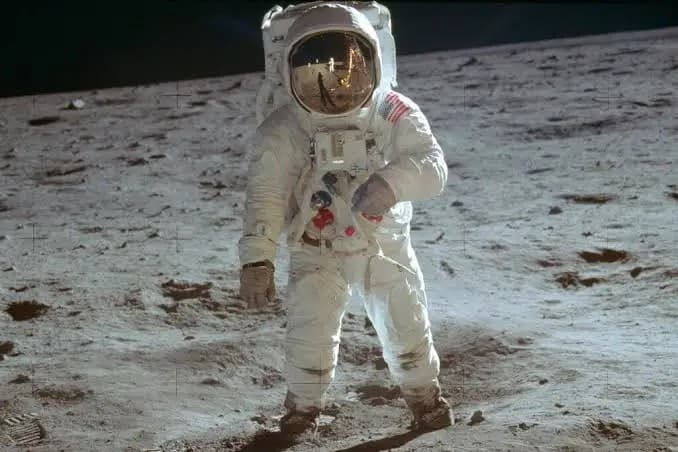
The Moon Photos That Still Feel Impossible
Before social media, astronauts brought back images that changed how humanity saw itself forever.
Read Article →
Artemis
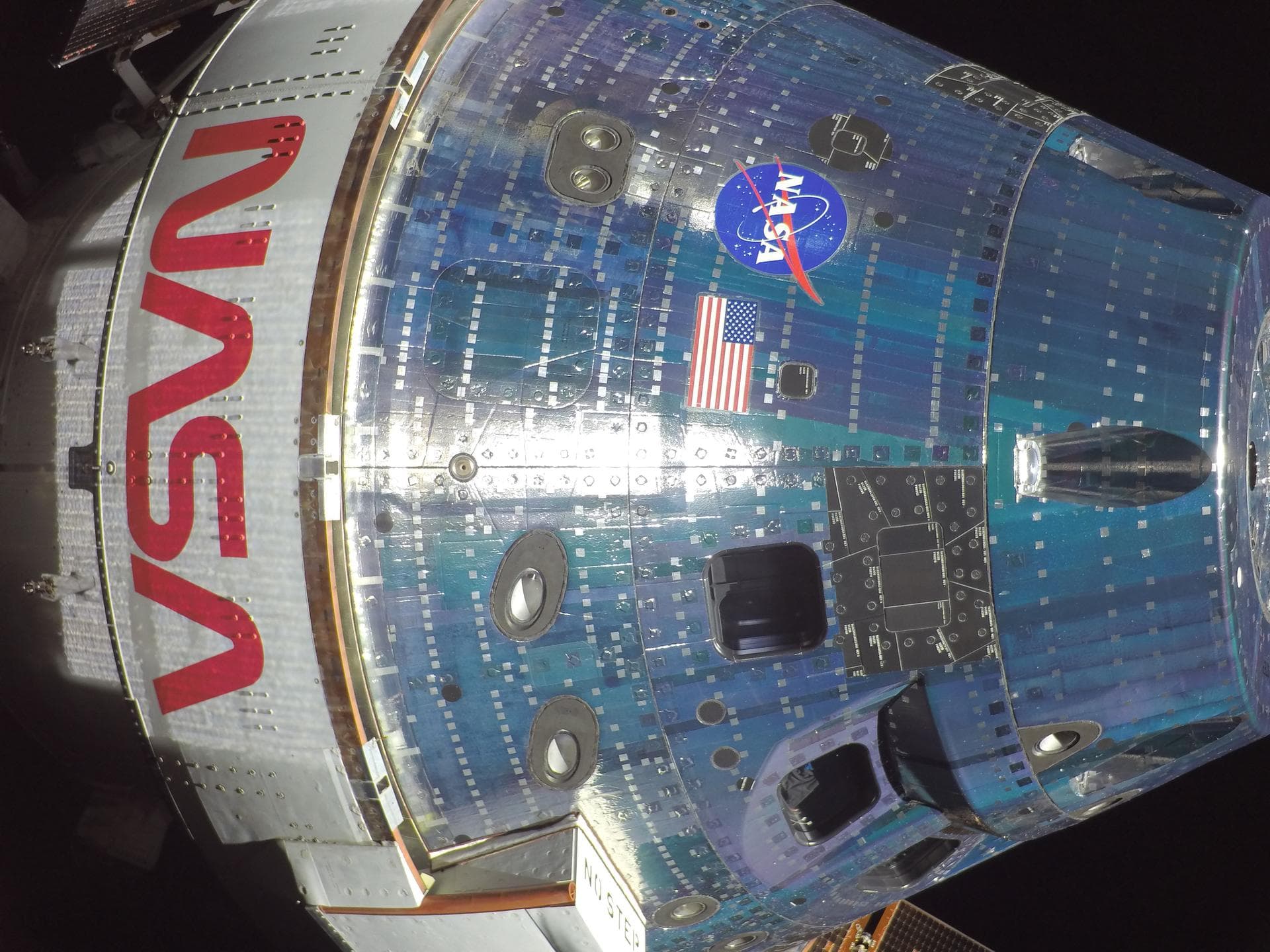
Why Artemis Will Change Lunar Exploration
NASA's return to the Moon is designed to become more sustainable, more international, and more ambitious than Apollo.
Read Article →
ISS
Life 250 Miles Above Earth
Inside the daily routine of astronauts living and working aboard the International Space Station.
Read Article →