38 Years at the Bottom of the Atlantic
Gus Grissom spent the rest of his life insisting he never blew Liberty Bell 7's hatch. He died in 1967 without ever knowing his capsule, and the truth, would eventually be recovered from three miles down.
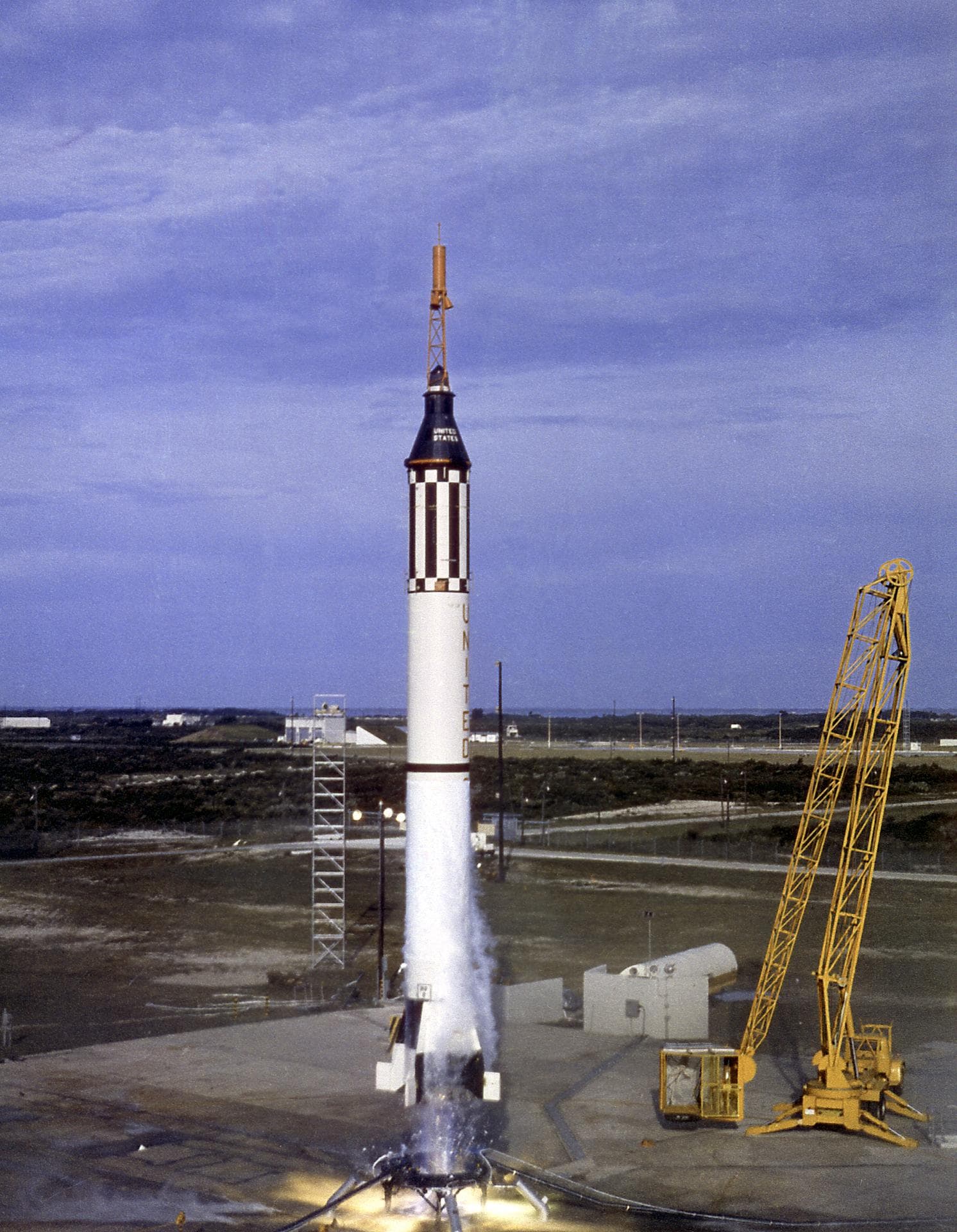
Liberty Bell 7 Mercury capsule
OrbitingTruths EditorialA capsule sank in fifteen thousand feet of water in 1961, and with it, a question about a good pilot's honesty that would take almost four decades to even begin answering.
Gus Grissom's flight aboard Liberty Bell 7 was, for its first fifteen minutes, a near-perfect repeat of Alan Shepard's historic suborbital hop two months earlier. Then the capsule splashed down in the Atlantic, and everything changed.
Moments after Liberty Bell 7 settled into the ocean, its explosive hatch blew open without warning. Seawater poured in. Grissom scrambled out into open water as the capsule flooded and began to sink, his own spacesuit filling with water through a valve he had left unlatched for ventilation, nearly dragging him under.
A recovery helicopter tried and failed to lift the rapidly flooding capsule before its pilots were forced to let it go to avoid being pulled into the ocean themselves. Liberty Bell 7 disappeared beneath the Atlantic, and questions about what, or who, had triggered the hatch followed Grissom for the rest of his life.
An unfair shadow
A Question That Would Not Go Away
The Mercury capsule's hatch was designed to be blown open deliberately by the astronaut inside, using a plunger, in the event of an emergency egress on land or water. Grissom always maintained he never touched it.
Without the physical hatch to examine, NASA had no way to fully settle the question. Grissom, one of the most respected pilots in the astronaut corps, spent years carrying a reputational cloud that no amount of flawless subsequent flying seemed to fully lift.
He went on to command Gemini 3 in 1965 and was selected to command Apollo 1, the first crewed Apollo mission. He never got the chance to fly it. Grissom died with two crewmates in a cabin fire during a launch pad test in January 1967, more than three decades before his capsule would ever be seen again.
Three miles down
The Search
Liberty Bell 7 rested in roughly 15,000 feet of water, deeper than most shipwrecks ever recovered, for the better part of four decades. Ocean engineer Curt Newport spent years pursuing the capsule, including an unsuccessful attempt in the early 1990s before the right combination of sonar technology, funding, and precise historical tracking data finally came together.
In 1999, a Discovery Channel-sponsored expedition located and raised Liberty Bell 7 from the ocean floor, 38 years after it sank, bringing a piece of the earliest days of American spaceflight back into the light.
An answer, of sorts
What the Wreck Revealed
The recovered hatch offered no single, definitive proof of what caused it to fire. But engineers who examined it found nothing to support the theory that Grissom had panicked and triggered it himself, the closest thing to vindication the physical evidence could offer, arriving 32 years after his death.
After conservation, Liberty Bell 7 went on public display at the Cosmosphere in Hutchinson, Kansas, giving the public a rare chance to see a flown Mercury capsule up close, and to see the hatch that had shadowed a good pilot's reputation for far too long.
Key takeaways
What matters most
- Liberty Bell 7's hatch blew open moments after splashdown, and the capsule sank in roughly 15,000 feet of water.
- Gus Grissom insisted for the rest of his life that he never activated the hatch himself.
- Grissom died in the 1967 Apollo 1 fire, decades before his capsule was ever recovered.
- A 1999 expedition raised the capsule; engineers found no evidence supporting the theory that Grissom triggered the hatch.
Article Details
Mission
Liberty Bell 7 (Mercury-Redstone 4)
Splashdown
July 21, 1961
Depth of Wreck
Approximately 15,000 feet
Years Underwater
38
Recovery Year
1999
Current Home
Cosmosphere, Hutchinson, Kansas
NASA ID
6414824
Lasting impact
Why it still matters
Liberty Bell 7's hatch investigation shaped how NASA approached spacecraft egress design for the rest of the Mercury, Gemini, and Apollo programs.
The 1999 recovery remains one of the deepest and most technically ambitious spacecraft salvage operations ever attempted.
The capsule's public display preserves a physical piece of one of the space program's most dramatic early moments, and of the pilot whose reputation outlasted the ocean.
NASA Sources
Primary Archive
NASA Mercury-Redstone 4 Mission Overview
NASA ID
6414824
Astronaut Portrait ID
S88-55873
Credit
NASA
Connected archive
Continue exploring
Related Stories
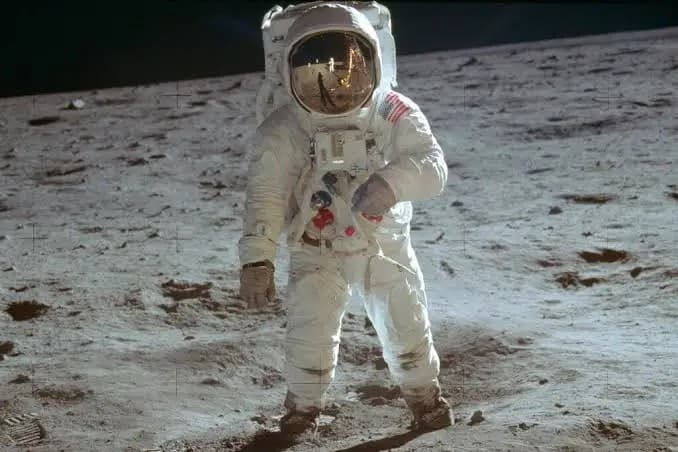
Apollo
The Moon Photos That Still Feel Impossible
Before social media, astronauts brought back images that changed how humanity saw itself forever.
Read Article →
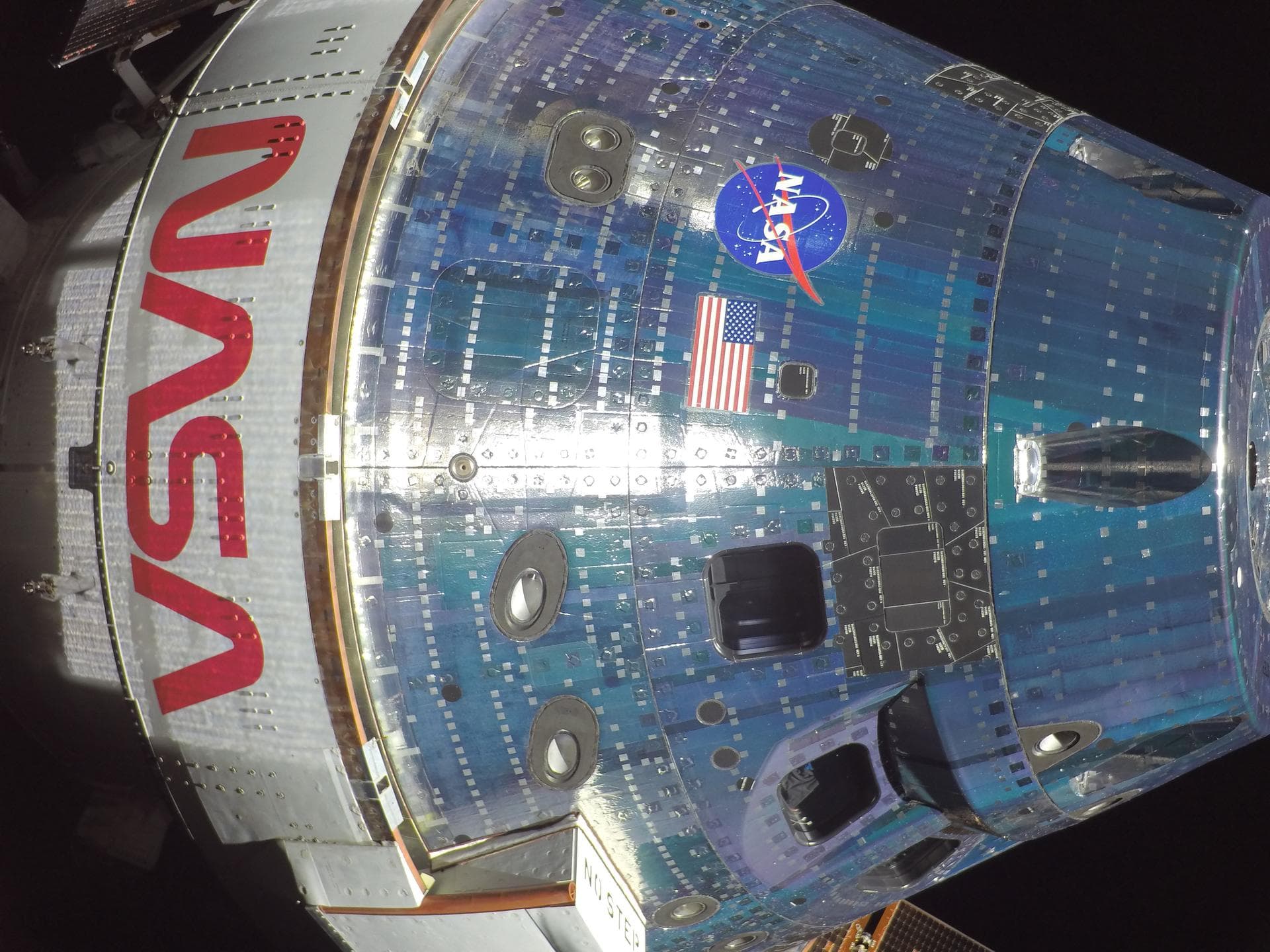
Artemis
Why Artemis Will Change Lunar Exploration
NASA's return to the Moon is designed to become more sustainable, more international, and more ambitious than Apollo.
Read Article →
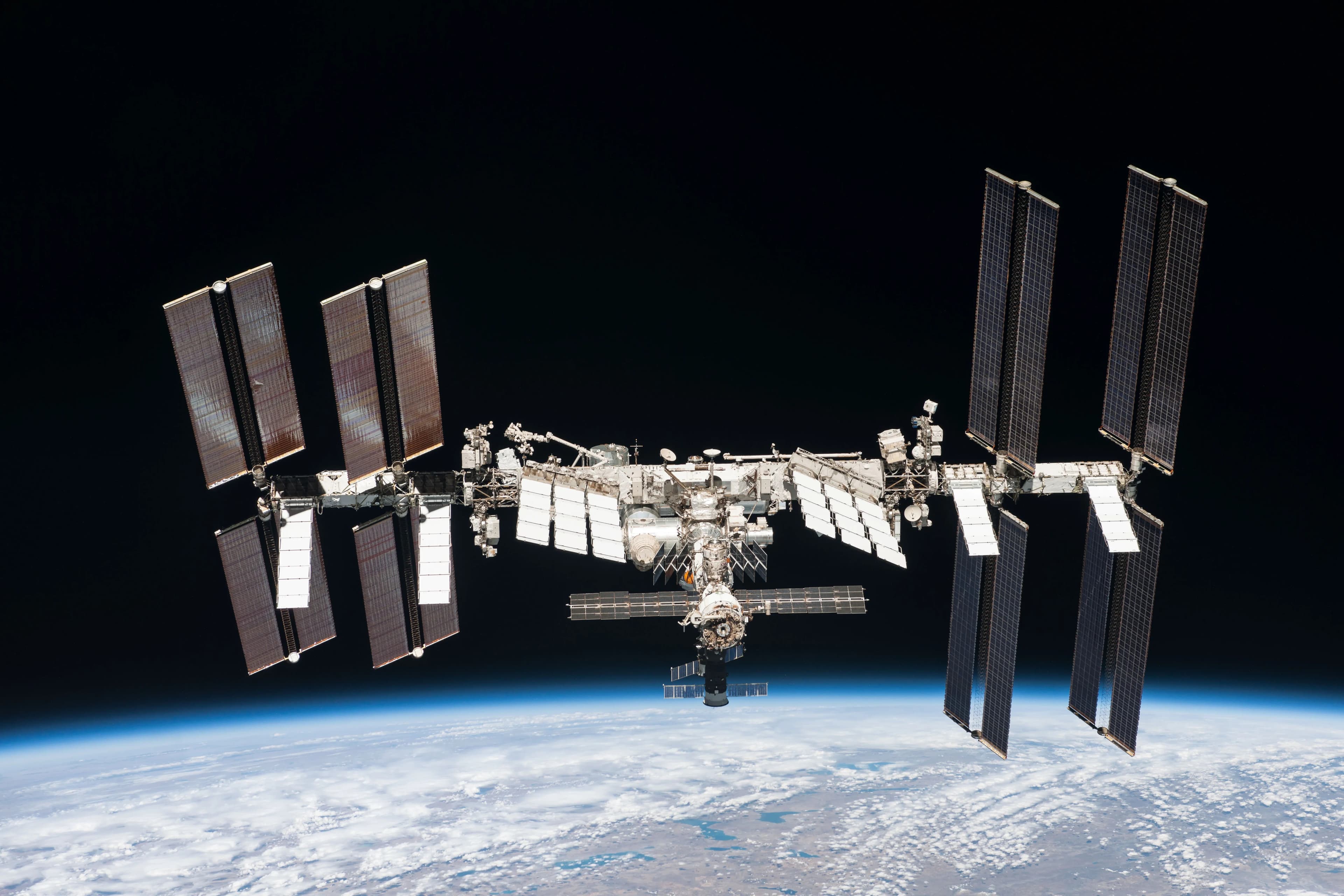
ISS
Life 250 Miles Above Earth
Inside the daily routine of astronauts living and working aboard the International Space Station.
Read Article →