Gemini
Gemini 11
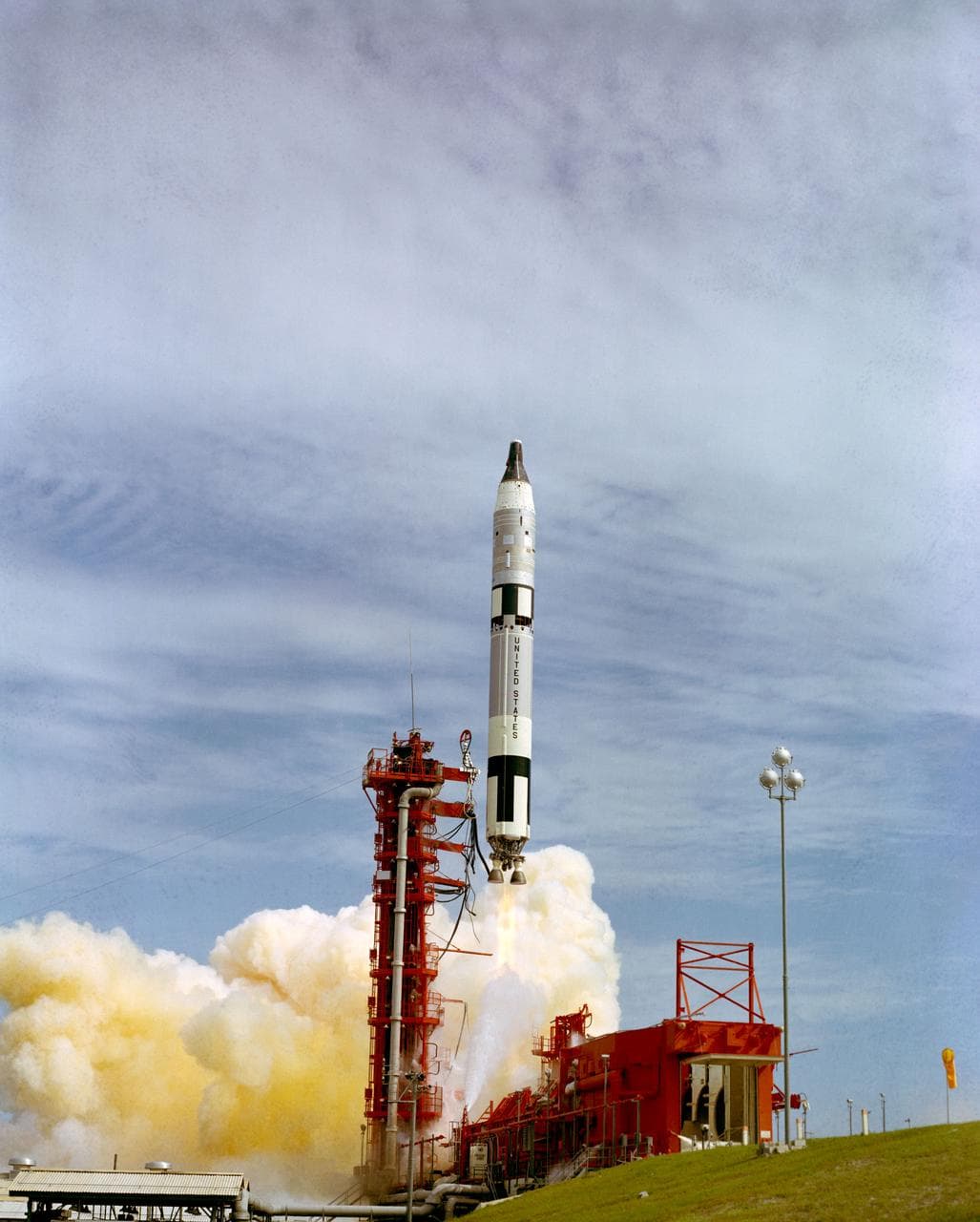
Gemini 11 docked with its Agena target vehicle in the first orbit, used its engine to set a new altitude record of roughly 850 miles, and conducted the first artificial-gravity experiment by spinning the two spacecraft on a tether.
Launch
September 12, 1966
Duration
2 days, 23 hours, 17 minutes
Crew
2 astronauts
Mission record
Gemini archive entry · Successful
Mission Overview
The mission
Gemini 11 docked with its Agena target vehicle in the first orbit, used its engine to set a new altitude record of roughly 850 miles, and conducted the first artificial-gravity experiment by spinning the two spacecraft on a tether.
In Depth
The Full Story
Gemini 11 was designed to prove that rendezvous and docking could be accomplished quickly, not just carefully. Commanded by Pete Conrad with Richard Gordon as pilot, the mission launched on September 12, 1966, with a goal that had eluded every previous Gemini flight: docking with the Agena target vehicle within the very first orbit.
Conrad and Gordon succeeded, closing the distance and docking with their Agena less than an hour and a half after launch, a demonstration of just how far NASA's rendezvous techniques had matured since Gemini 3's first tentative orbital maneuvers eighteen months earlier. With the Agena firmly docked, the crew fired its engine and climbed to an altitude of roughly 850 miles, shattering Gemini 10's record and reaching higher above Earth than any human had flown, a mark that would stand until the Apollo missions left Earth orbit entirely.
Gordon conducted two spacewalks during the flight, including a demanding EVA to attach a 100-foot tether between Gemini 11 and its docked Agena. Like Gene Cernan before him on Gemini 9A, Gordon found the physical exertion of the spacewalk far more taxing than expected, overheating badly enough that the EVA had to be cut short, reinforcing the lesson that spacewalk workload remained one of the program's toughest unsolved problems.
With the tether attached, Conrad separated the two spacecraft and set them into a slow rotation around their common center of mass, generating a small amount of artificial gravity through centrifugal force, the first experiment of its kind ever conducted in space. Gemini 11 also performed the program's first fully automatic, computer-controlled reentry and splashdown, landing within just a few miles of its recovery ship, a level of precision that validated the guidance systems Apollo would rely on for its own critical reentries.
Mission Details
Official Designation
Gemini-Titan 11 (GT-11)
Mission Type
Record Altitude and Artificial Gravity Test
Launch Date
September 12, 1966
Mission Duration
2 days, 23 hours, 17 minutes
Command Pilot
Charles 'Pete' Conrad Jr.
Pilot
Richard F. Gordon Jr.
Spacecraft
Gemini Spacecraft 11
Launch Vehicle
Titan II GLV
Launch Site
Launch Complex 19, Cape Canaveral
Orbits Completed
44
Peak Altitude
Approximately 850 miles (1,369 km)
Splashdown
Atlantic Ocean
Mission Result
Successful
Historic Achievement
Gemini-Program Altitude Record
Mission by the Numbers
Mission Statistics
Mission Type
Record Altitude and Artificial Gravity Test
Launch Vehicle
Titan II GLV
Crew
2 astronauts
Status
Successful
The People Behind the Mission
Crew
The astronauts assigned to command, operate, and carry out the mission.
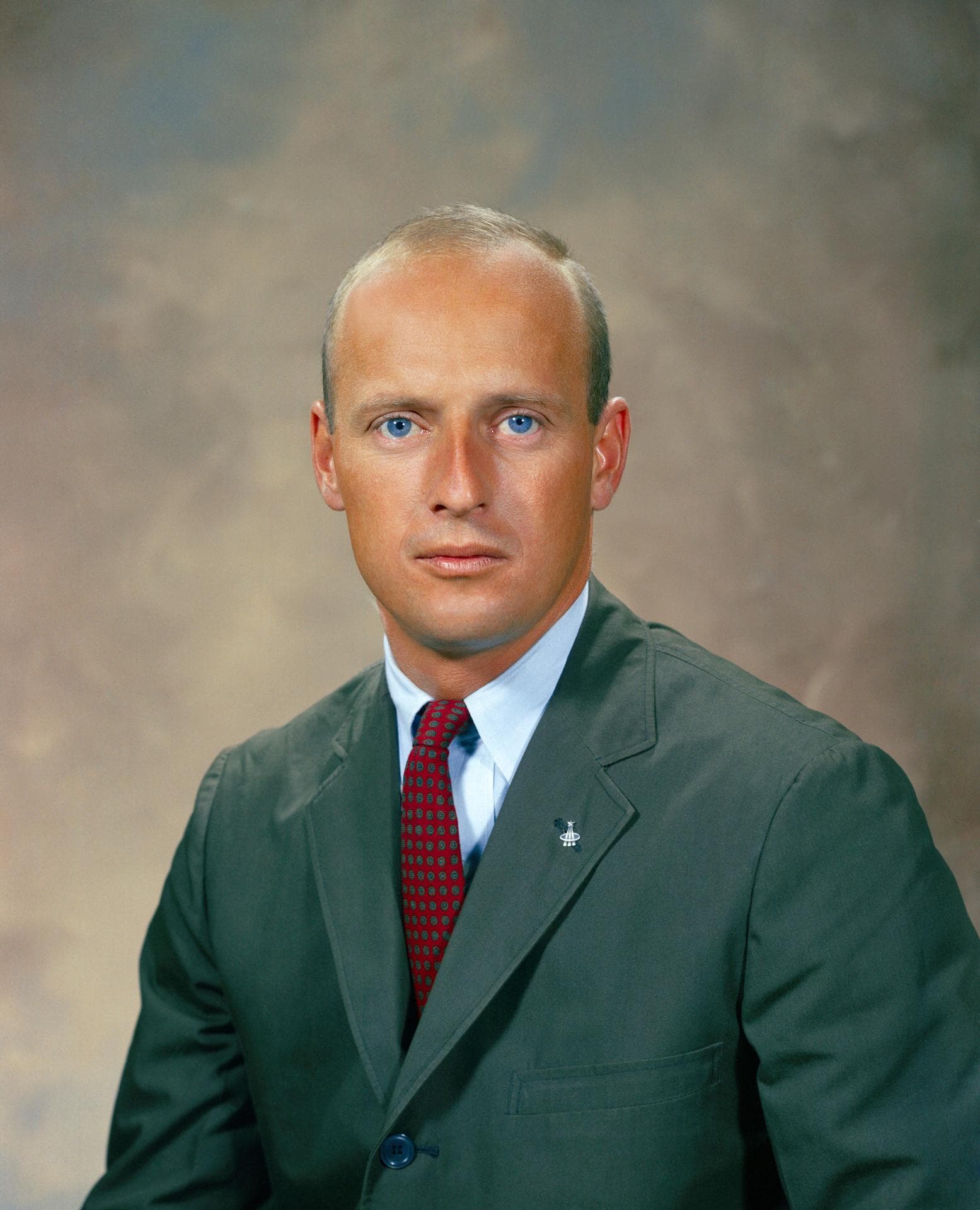
Command Pilot
Pete Conrad
Pete Conrad flew Gemini 5 and commanded Gemini 11's record-altitude flight before commanding Apollo 12 and becoming the third person to walk on the Moon.
View Astronaut →
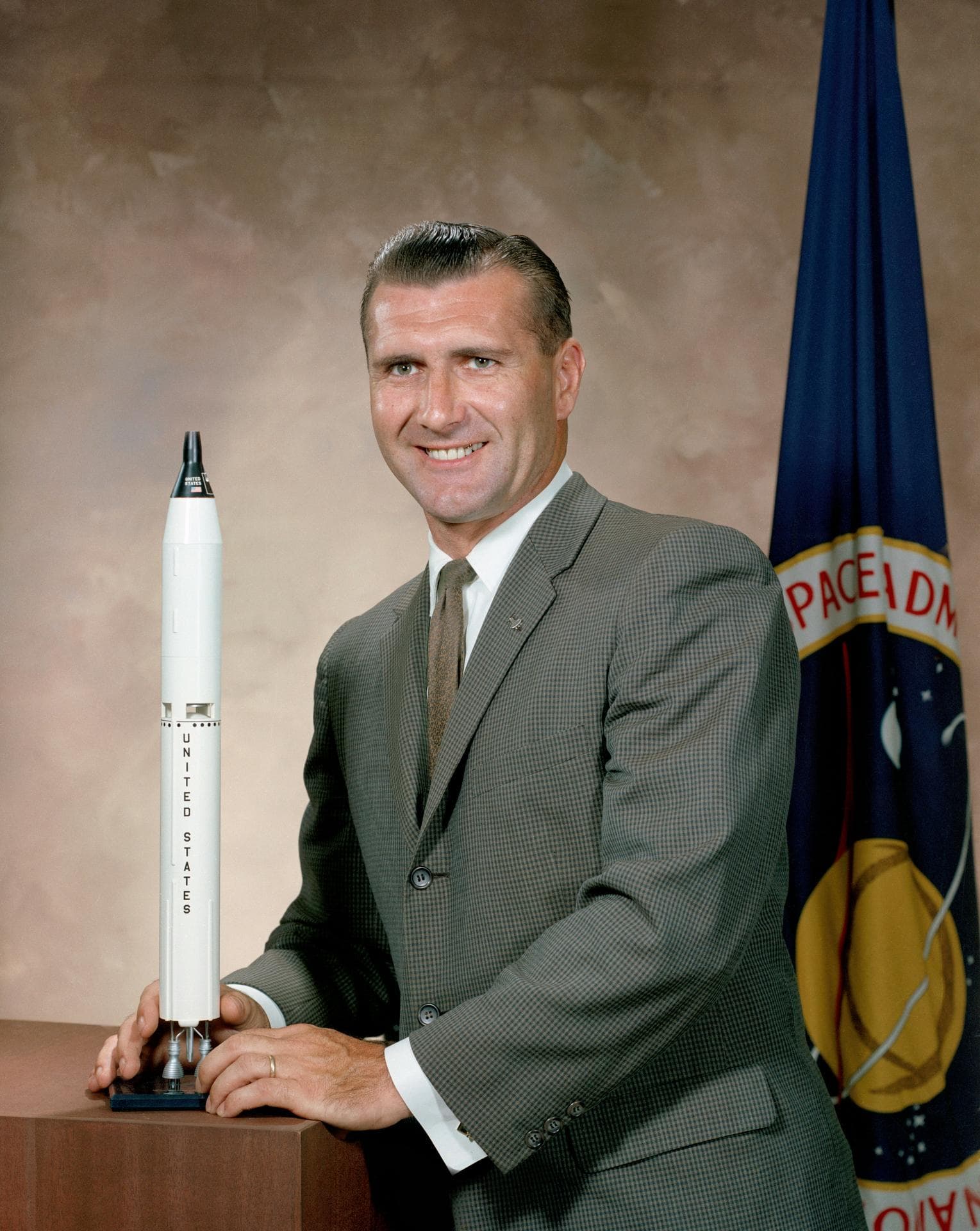
Pilot
Richard Gordon
Richard Gordon flew on Gemini 11's record-altitude flight and later orbited the Moon as Command Module Pilot on Apollo 12.
View Astronaut →
Mission Goals
Mission objectives
- 01
Dock with the Agena target vehicle within the first orbit after launch.
- 02
Use the docked Agena's engine to reach a new spaceflight altitude record.
- 03
Conduct spacewalks, including attaching a tether between the two spacecraft.
- 04
Perform the first artificial-gravity experiment using a tethered rotation.
- 05
Demonstrate a fully automatic, computer-controlled reentry and splashdown.
Fascinating Details
Did You Know?
Key did you know? recorded for this mission.
Gemini 11 docked with its Agena target vehicle less than 90 minutes after launch, the fastest rendezvous of the entire Gemini program.
The mission's altitude of roughly 850 miles remains one of the highest Earth orbits any crewed spacecraft has ever reached.
Richard Gordon's tether-attachment spacewalk left him so overheated that the EVA had to be cut short, echoing problems seen on Gemini 9A.
The tethered spin experiment was the first attempt to generate artificial gravity in space through rotation.
Gemini 11 performed the program's first fully automatic, computer-guided reentry and splashdown.
Pete Conrad later commanded Apollo 12 and became the third person to walk on the Moon.
Richard Gordon later flew to the Moon as Command Module Pilot on Apollo 12.
Mission Timeline
September 12, 1966 · 9:42 a.m. EST
Launch
Gemini 11 lifted off from Launch Complex 19 at Cape Canaveral, carrying Pete Conrad and Richard Gordon toward a first-orbit rendezvous with their Agena target.
First Orbit
Fast Docking
Conrad and Gordon docked with their Agena target vehicle less than an hour and a half after launch, the fastest rendezvous of the Gemini program.
Docked Maneuver
New Altitude Record
The crew fired the docked Agena's engine, climbing to an altitude of roughly 850 miles, a new record that would stand until Apollo left Earth orbit.
Spacewalk
Gordon's Tether Attachment
Richard Gordon performed a demanding spacewalk to attach a 100-foot tether between Gemini 11 and its docked Agena, overheating badly before the EVA was cut short.
Later in the Flight
Artificial Gravity Experiment
Conrad separated the spacecraft to the length of the tether and set them spinning slowly, generating a small amount of artificial gravity, the first experiment of its kind in space.
September 15, 1966
Automatic Splashdown
Gemini 11 performed the program's first fully automatic, computer-controlled reentry, splashing down within a few miles of its recovery ship.
Mission Legacy
Legacy
Gemini 11 proved that rendezvous and docking, once a painstaking, multi-orbit process, could be compressed into a single fast, efficient maneuver, a capability that gave Apollo mission planners far more flexibility in designing lunar rendezvous timelines.
The mission's altitude record demonstrated the raw power available from a docked Agena's engine, while its automatic reentry proved that computer-guided splashdown could achieve remarkable precision, both capabilities that fed directly into Apollo's more complex guidance requirements.
Gordon's difficult spacewalk added another data point to the mounting evidence that EVA workload was a serious, unsolved problem, evidence that finally led NASA to redesign spacewalk procedures with proper restraints and rest periods in time for Gemini 12's far more successful EVAs just two months later.
Mission Photo Archive
Related Stories
Apollo
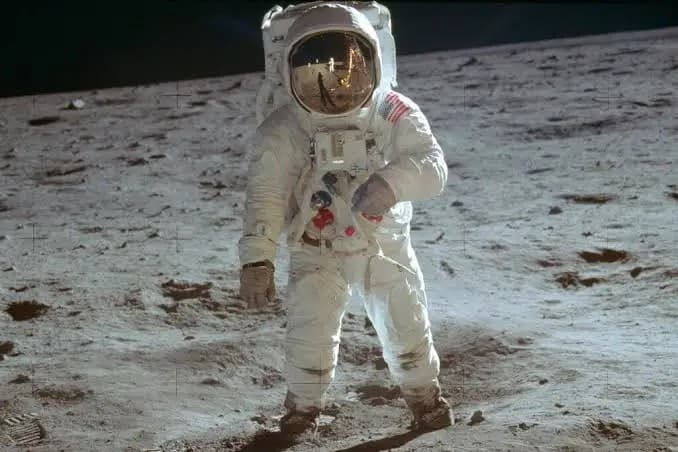
The Moon Photos That Still Feel Impossible
Before social media, astronauts brought back images that changed how humanity saw itself forever.
Read Article →
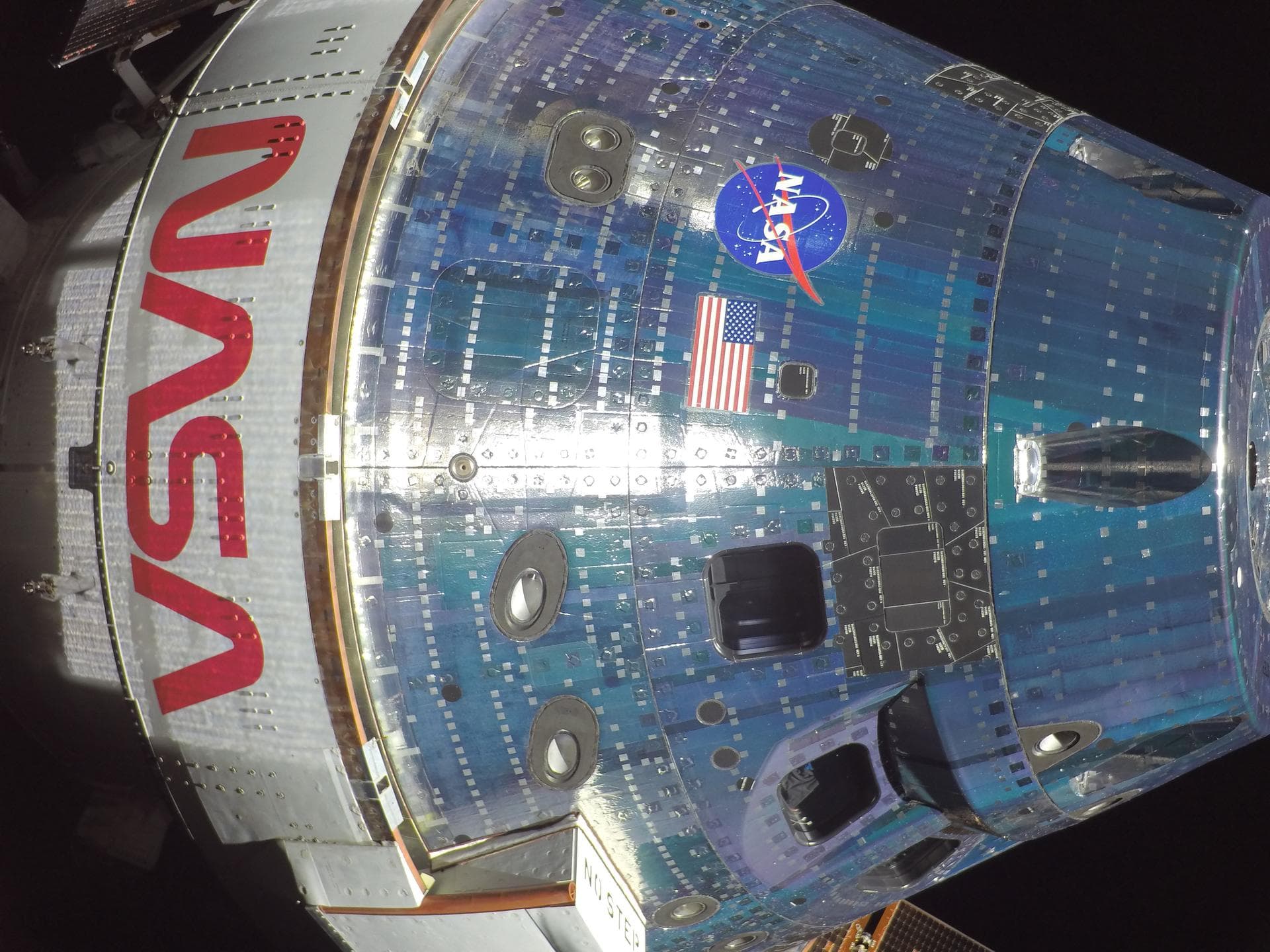
Artemis
Why Artemis Will Change Lunar Exploration
NASA's return to the Moon is designed to become more sustainable, more international, and more ambitious than Apollo.
Read Article →
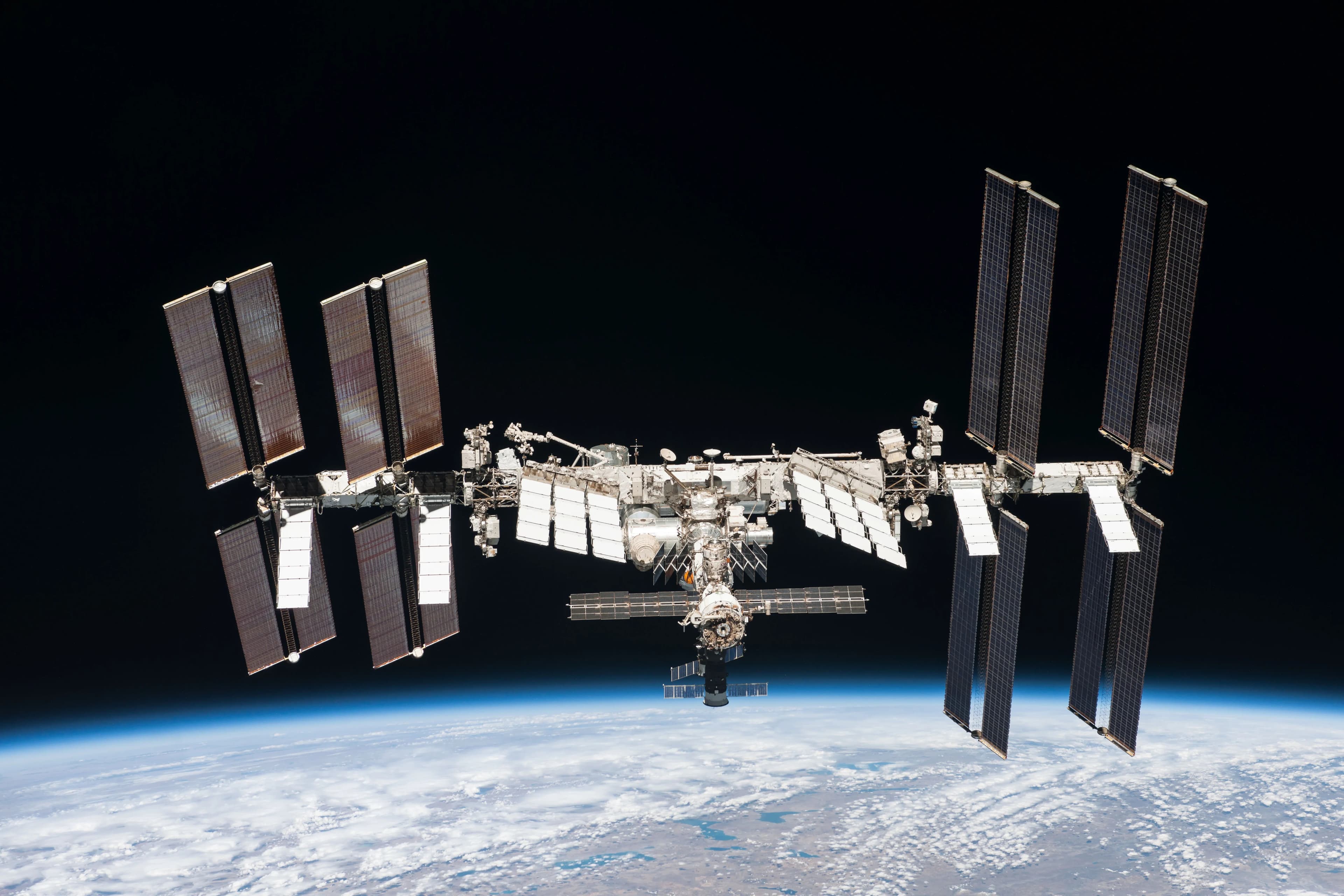
ISS
Life 250 Miles Above Earth
Inside the daily routine of astronauts living and working aboard the International Space Station.
Read Article →