An OrbitingTruths experience
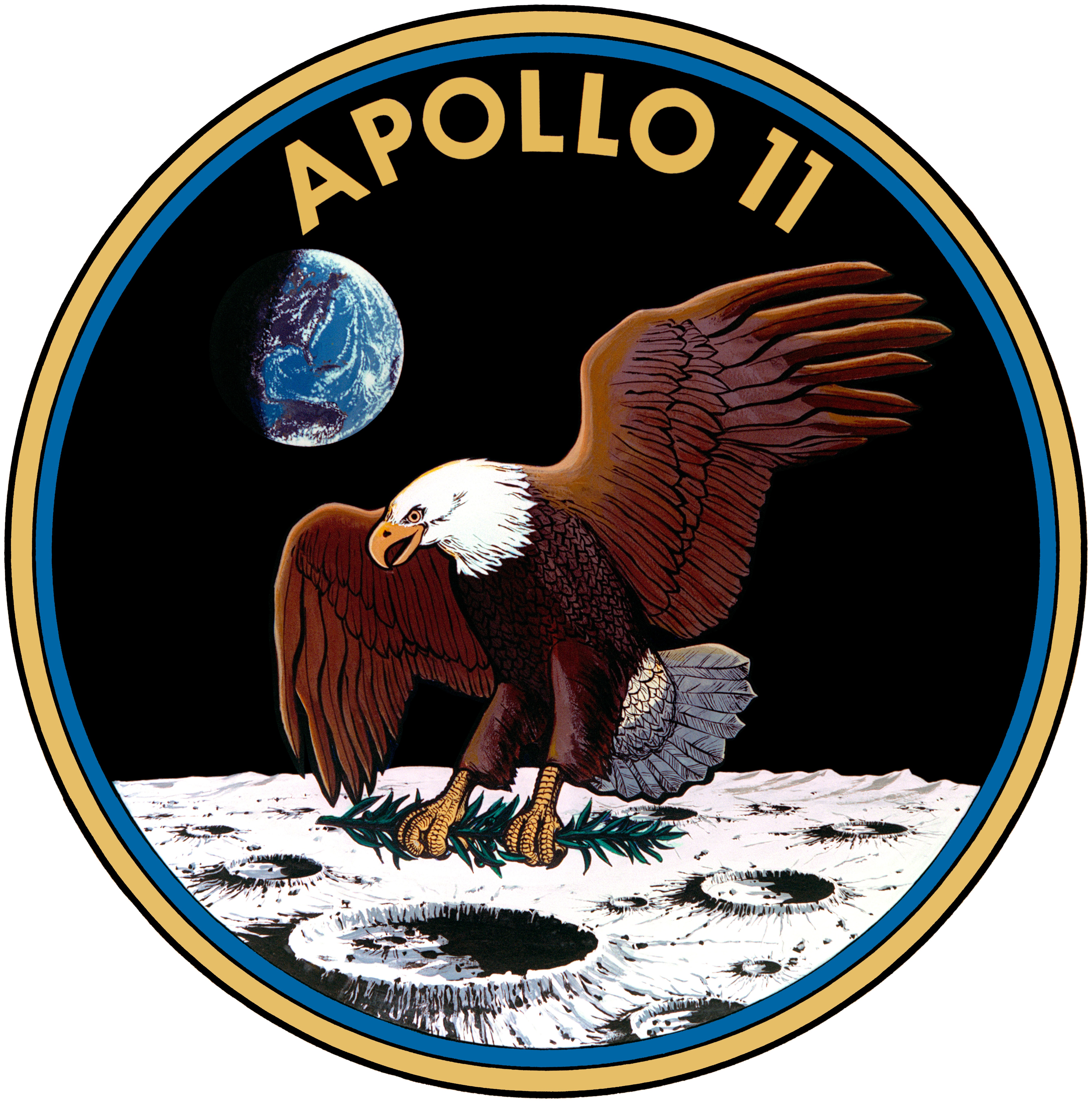
Apollo11
Eight days. Three men. One quarter of a million miles. Relive humanity's first landing on another world, minute by minute.
T-8 YEARS · May 25, 1961
Before the mission
Kennedy's Challenge
“I believe that this nation should commit itself to achieving the goal, before this decade is out, of landing a man on the Moon and returning him safely to the Earth.”
No one in the room knew how to do it yet. The rockets, the computers, the spacesuits, the guidance systems, none of it existed. Eight years later, three men would find out together.
000:00:00 · July 16, 1969 · 9:32 a.m. EDT
Mission elapsed time
Launch
3,000 tons of Saturn V lifted off Pad 39A carrying Neil Armstrong, Michael Collins, and Buzz Aldrin toward the Moon.
It remains the most powerful machine ever built to successfully carry humans beyond Earth orbit.

003:00:00 · En route, deep space
The journey
Three Days, a Quarter Million Miles
After a flawless Trans-Lunar Injection burn, the crew spent three days coasting through the dark, watching Earth shrink behind them until it was small enough to cover with a thumb.
On July 19, Apollo 11 fired its engine behind the Moon and entered lunar orbit, the fifth crewed mission ever to do so.
100:12:00 · July 20, 1969
Final preparations
Eagle Separates
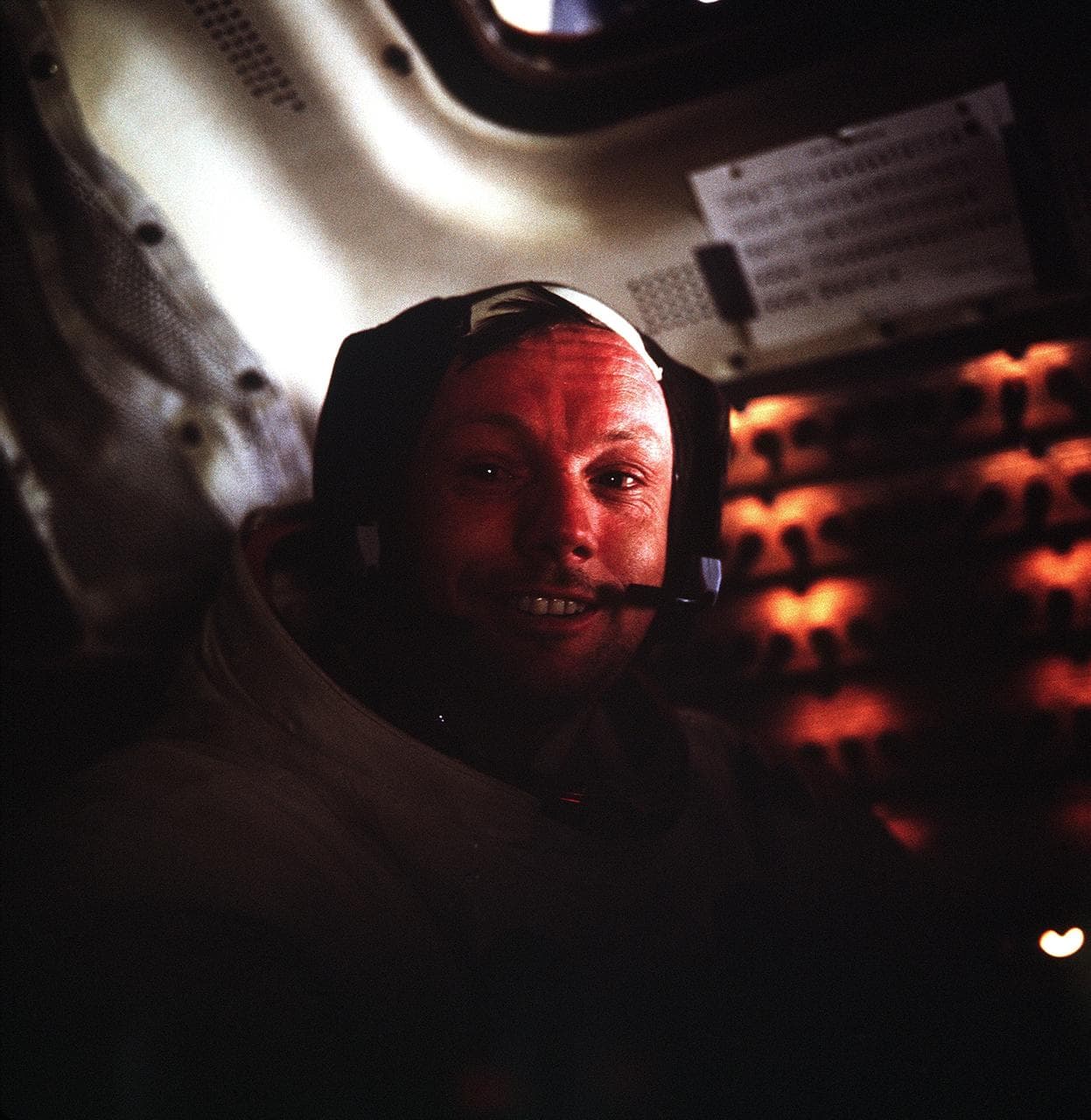
Armstrong and Aldrin climbed into the Lunar Module Eagle and undocked from Columbia. Michael Collins stayed behind, watching his crewmates fly toward the surface alone.
“The Eagle has wings,” Armstrong radioed, as the two spacecraft began to drift apart.
102:38:00 · Final descent
Program alarm
“Go on That Alarm.”
1202. Then 1201. The guidance computer was overloaded, flooded with more data than it could process in real time.
In Houston, twenty-six-year-old Guidance Officer Steve Bales had seconds to decide whether to abort. He didn't. “We're go on that alarm,” he called. Eagle kept descending.
102:45:40 · July 20, 1969 · 20:17 UTC
Mission elapsed time
The Eagle Has Landed
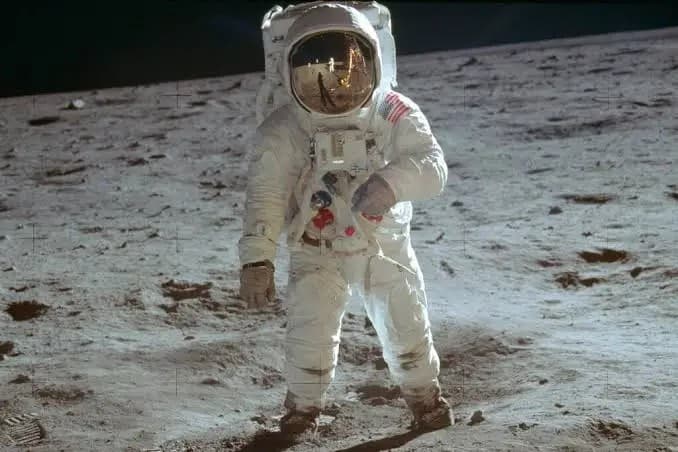
The computer was steering Eagle toward a boulder field. Armstrong took manual control, flying by eye, farther downrange, while Aldrin called out altitude and fuel.
With less than thirty seconds of usable fuel remaining, Eagle touched down in the Sea of Tranquility. “Houston, Tranquility Base here. The Eagle has landed.”
109:24:15 · July 21, 1969 · 02:56 UTC
Mission elapsed time
“One Small Step”
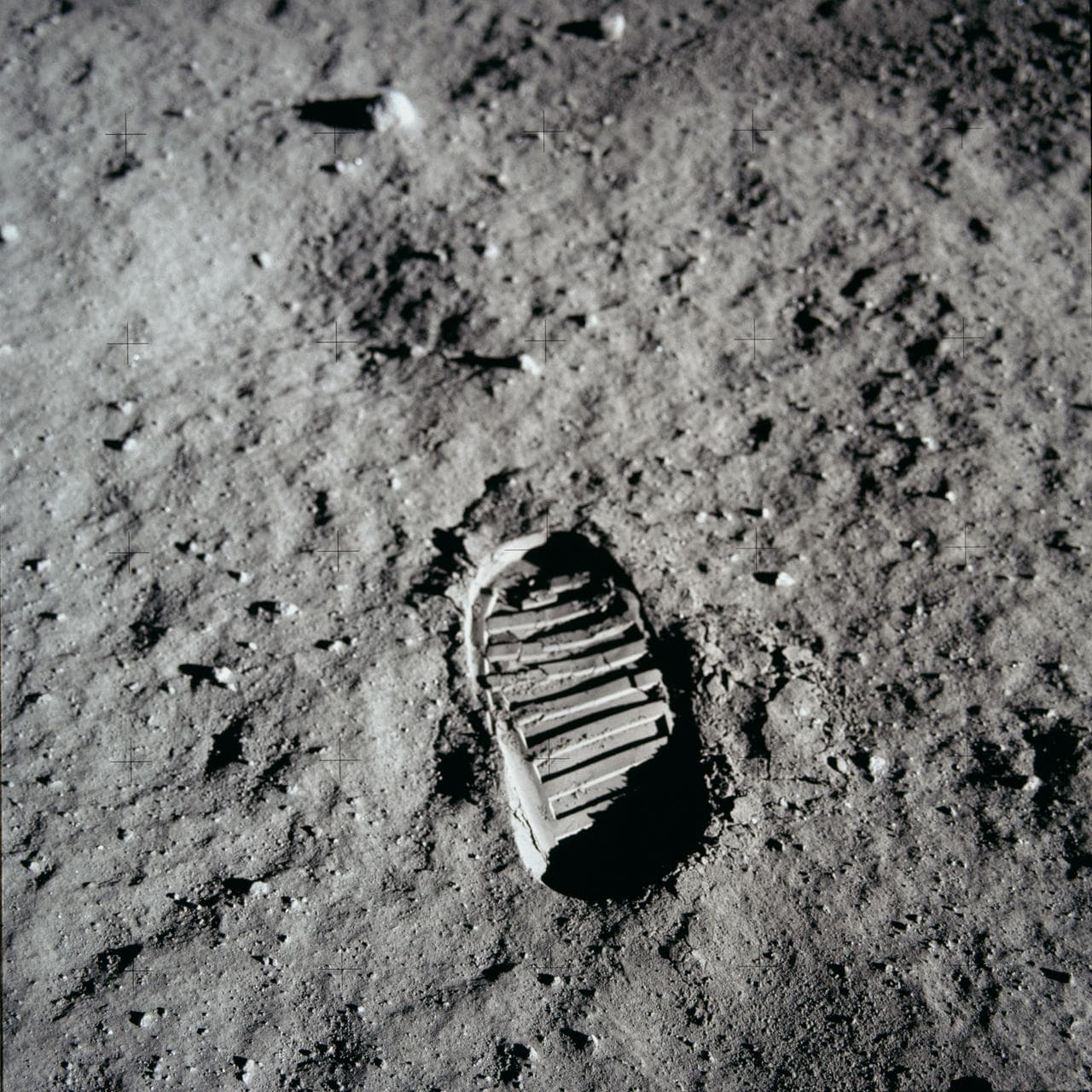
Nearly seven hours after landing, Neil Armstrong climbed down Eagle's ladder and became the first human being to stand on another world.
“That's one small step for [a] man, one giant leap for mankind.” Roughly 600 million people were watching, the largest television audience in history at the time.
In orbit, alone · 48 minutes of silence, every orbit
Meanwhile, above
The Loneliest Man in History
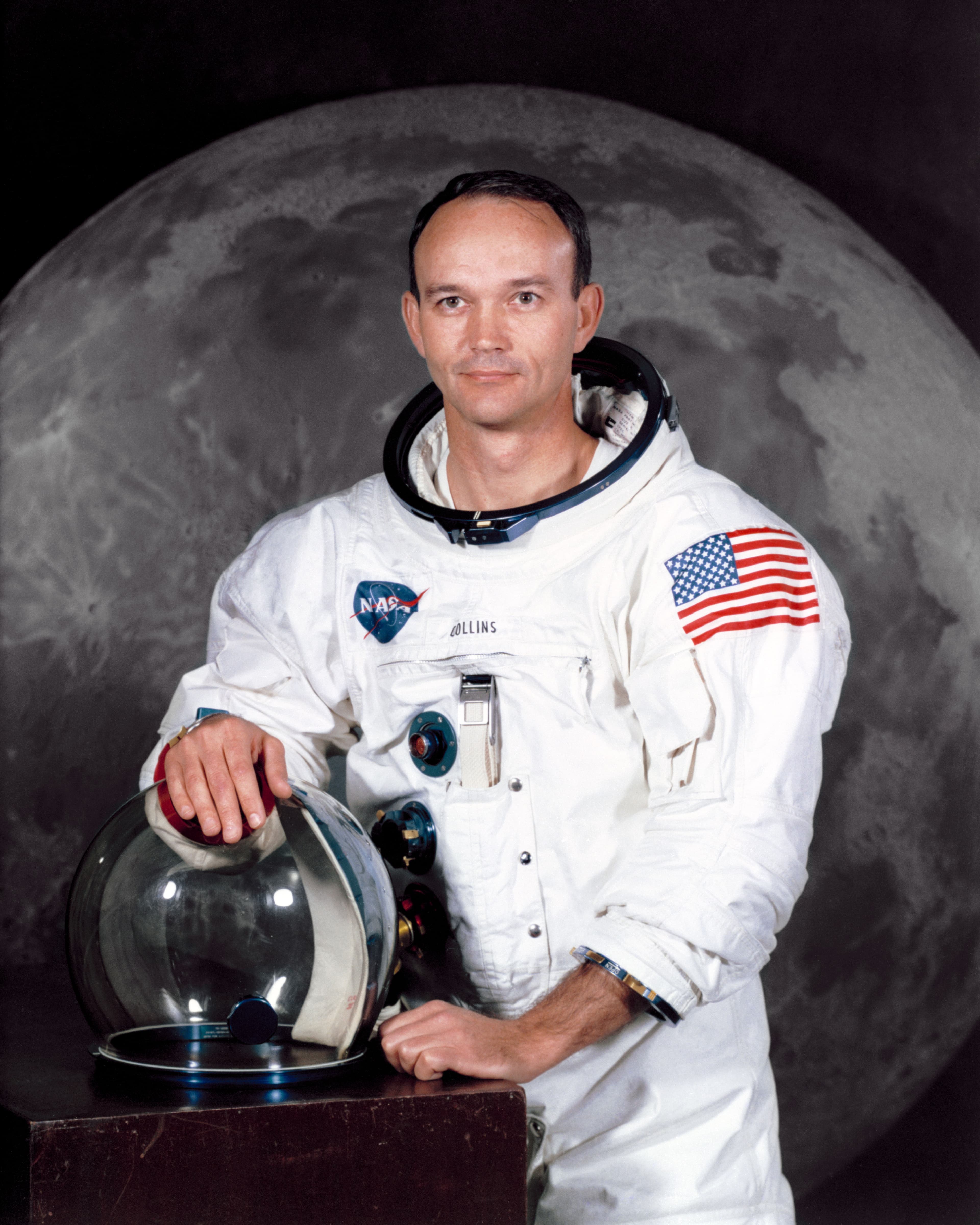
While Armstrong and Aldrin explored the surface, Michael Collins orbited alone above them in Columbia, farther from another human being than anyone had ever been.
For 48 minutes of every orbit, passing behind the far side of the Moon, he lost radio contact with everyone, his crewmates and Earth alike.
195:18:35 · July 24, 1969
Coming home
Splashdown
After 21 hours on the surface and more than twenty-one and a half hours in the Sea of Tranquility, Eagle's ascent stage lifted off and rendezvoused with Columbia in lunar orbit.
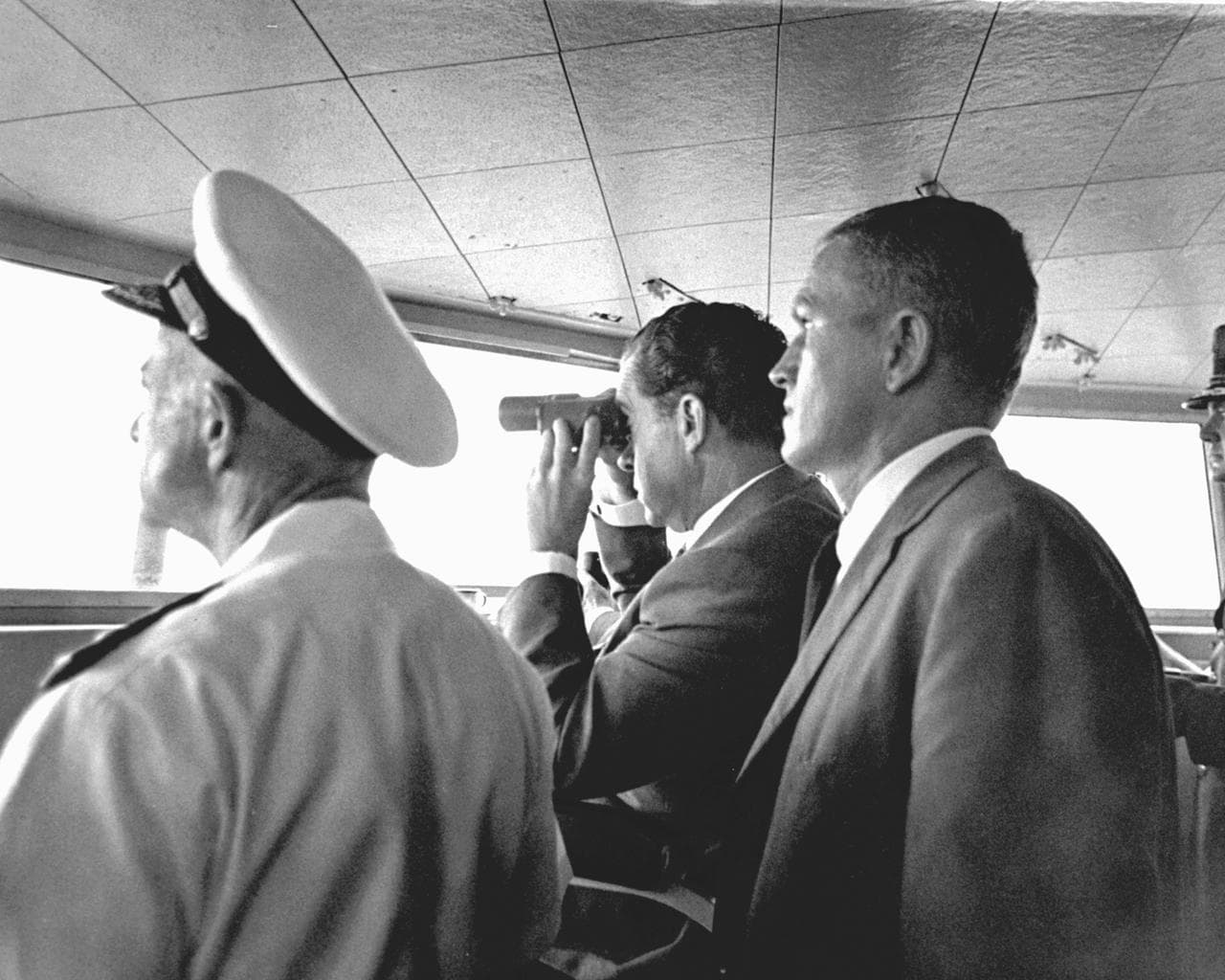
Eight days, three hours, and eighteen minutes after launch, Apollo 11 splashed down in the Pacific Ocean and was recovered by the USS Hornet, with President Nixon watching from the deck.
Mission complete
Every crewed mission since traces its heritage back to this one.
Apollo 11 wasn't the end of exploration. It was proof that it was possible.