Stephen Hawking's Final Theory
How Hawking's final work changed the way physicists think about black holes and information.

A visualization representing black holes and theoretical physics
OrbitingTruths EditorialStephen Hawking spent much of his career confronting one of physics' most unsettling questions: what happens to information when matter disappears into a black hole?
Black holes appear to erase almost everything about the matter that falls into them. From the outside, only a few basic properties remain visible, including mass, charge, and rotation.
That creates a profound problem because quantum mechanics says information should not simply vanish from the universe.
Hawking's work helped transform this conflict into one of the central puzzles of theoretical physics.
The central problem
The Black Hole Information Paradox
Hawking showed that black holes are not completely black. Through quantum effects near the event horizon, they can emit radiation and gradually lose mass.
If that radiation contains no record of what entered the black hole, then the original information appears to be destroyed when the black hole eventually evaporates.
Quantum physics
Why Information Matters
In quantum theory, the complete physical state of a system evolves according to strict mathematical rules. Destroying information would break those rules and force physicists to reconsider some of the deepest assumptions in modern science.
The paradox therefore sits at the intersection of gravity, quantum mechanics, thermodynamics, and the nature of spacetime itself.
An unfinished frontier
Hawking's Final Work
Hawking continued exploring whether information might be preserved through subtle properties associated with a black hole's boundary.
His final research did not close the debate, but it helped sharpen the questions future theories of quantum gravity must answer.
Key takeaways
What matters most
- Hawking radiation suggests black holes can slowly evaporate.
- Quantum mechanics does not normally allow information to be destroyed.
- The resulting contradiction is called the black hole information paradox.
- A complete answer may require a working theory of quantum gravity.
Article Details
Subject
Black Hole Information Paradox
Field
Theoretical Physics
Key Concept
Hawking Radiation
Scientific Frontier
Quantum Gravity
Lasting impact
Why it still matters
Hawking helped establish black hole thermodynamics as a central area of modern physics.
His research connected gravity, quantum mechanics, and information theory.
The information paradox remains an important test for proposed theories of quantum gravity.
Connected archive
Continue exploring
Related Stories
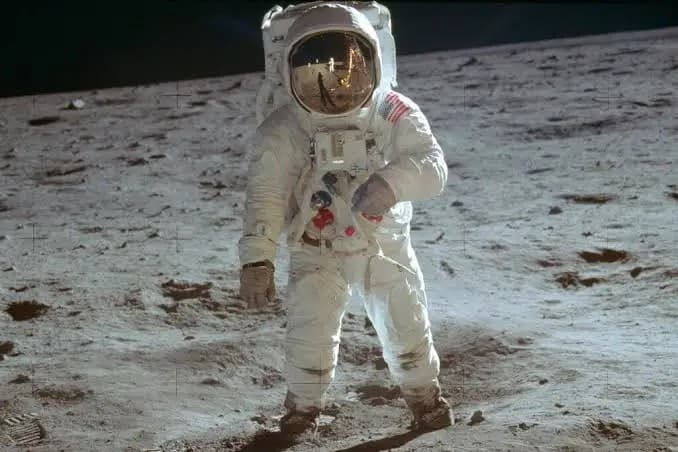
Apollo
The Moon Photos That Still Feel Impossible
Before social media, astronauts brought back images that changed how humanity saw itself forever.
Read Article →
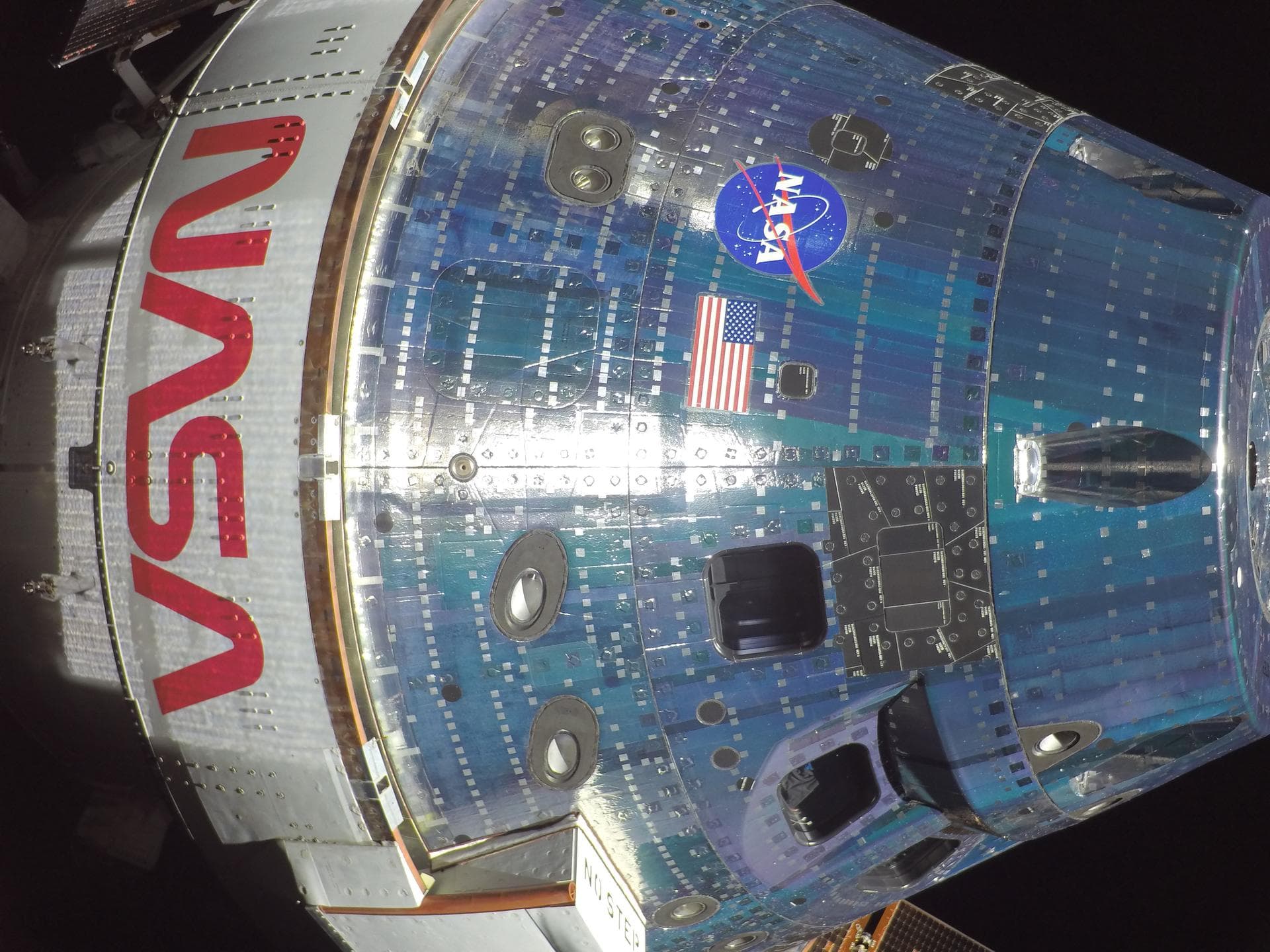
Artemis
Why Artemis Will Change Lunar Exploration
NASA's return to the Moon is designed to become more sustainable, more international, and more ambitious than Apollo.
Read Article →

ISS
Life 250 Miles Above Earth
Inside the daily routine of astronauts living and working aboard the International Space Station.
Read Article →